Kyoto
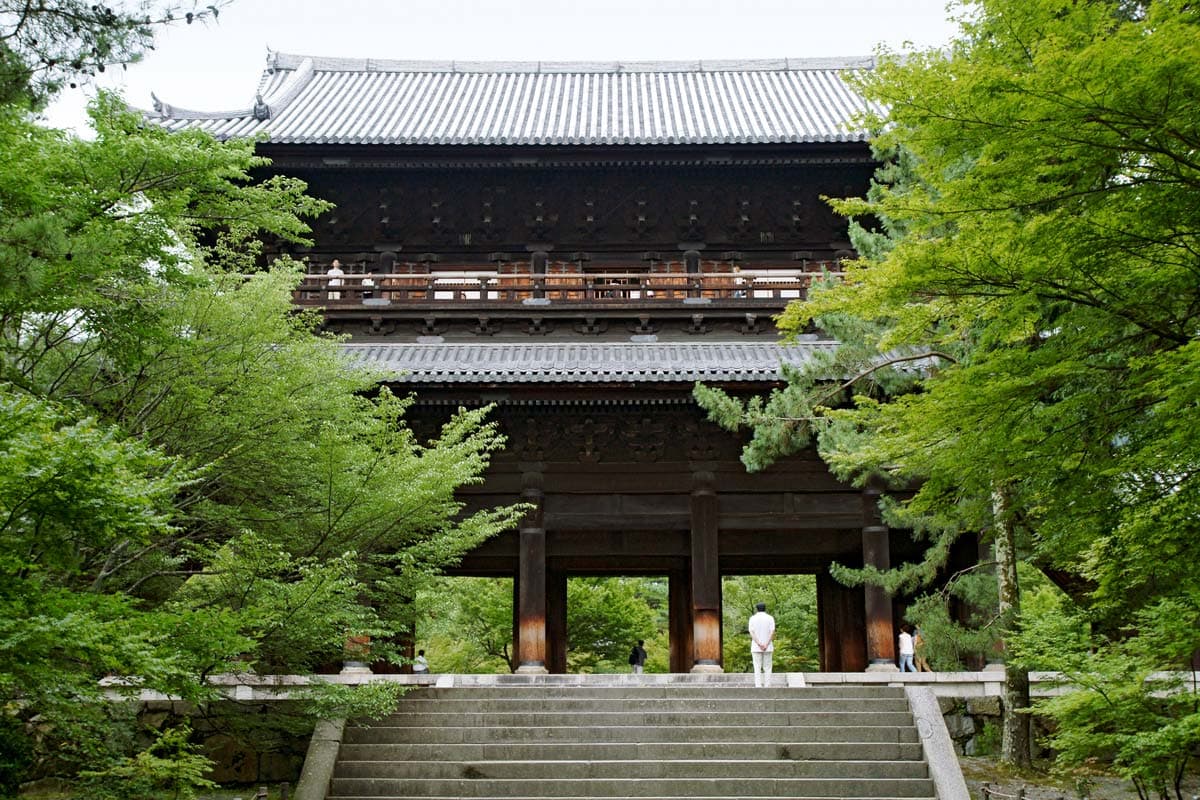
Kyoto (京都, Kyōto) is more than just a city; it is a living museum of Japanese history, spanning over a millennium of imperial rule. Established in 794 as Heian-kyo (“The Capital of Peace and Tranquility”), it served as the official seat of the Emperor until the Meiji Restoration in 1868. While Tokyo now functions as the political and economic engine of modern Japan, Kyoto remains the country’s cultural and spiritual heart. Miraculously spared from much of the large-scale destruction of World War II, the city retains an incredible density of pre-war architecture, including 17 UNESCO World Heritage sites and over 2,000 temples and shrines.
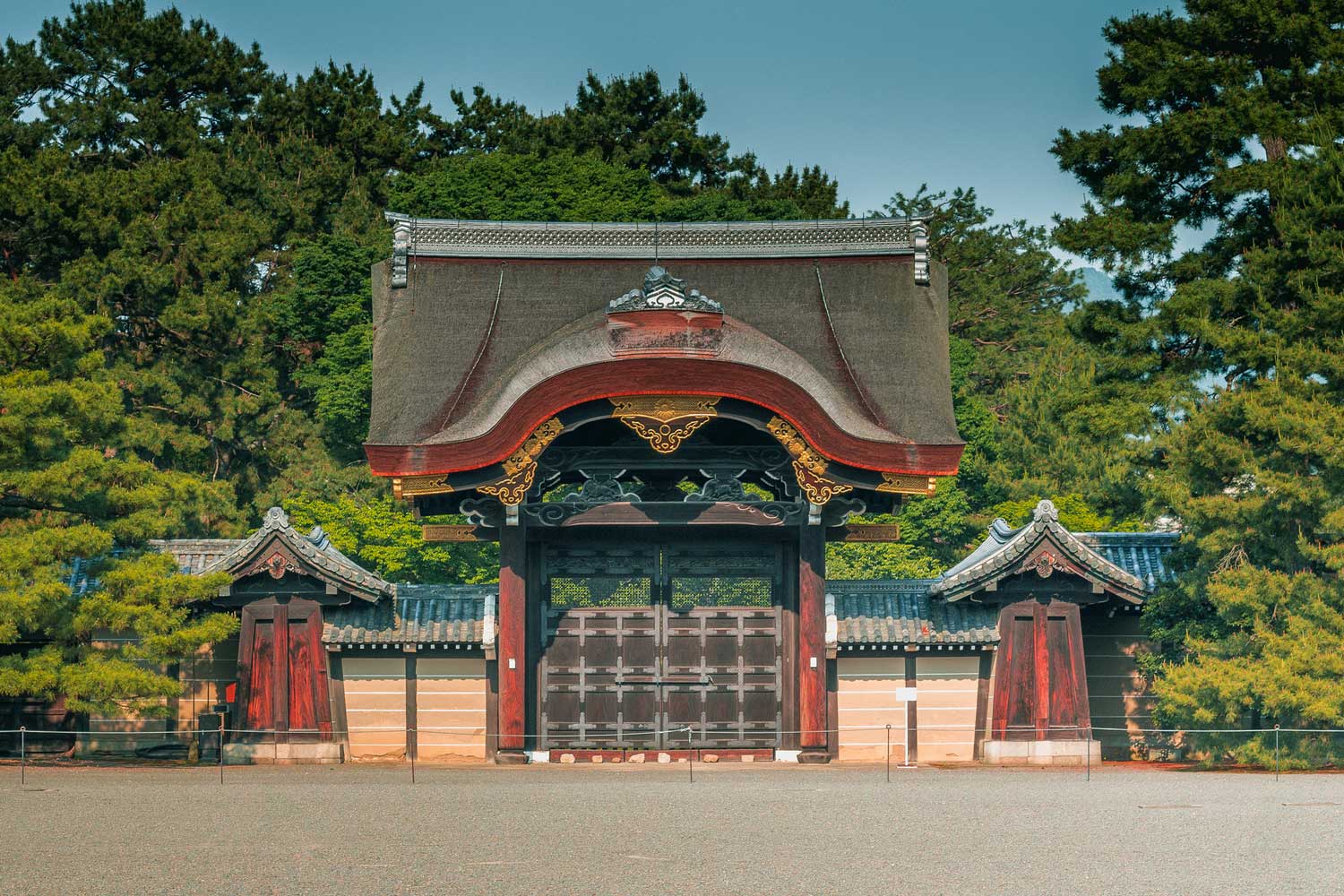
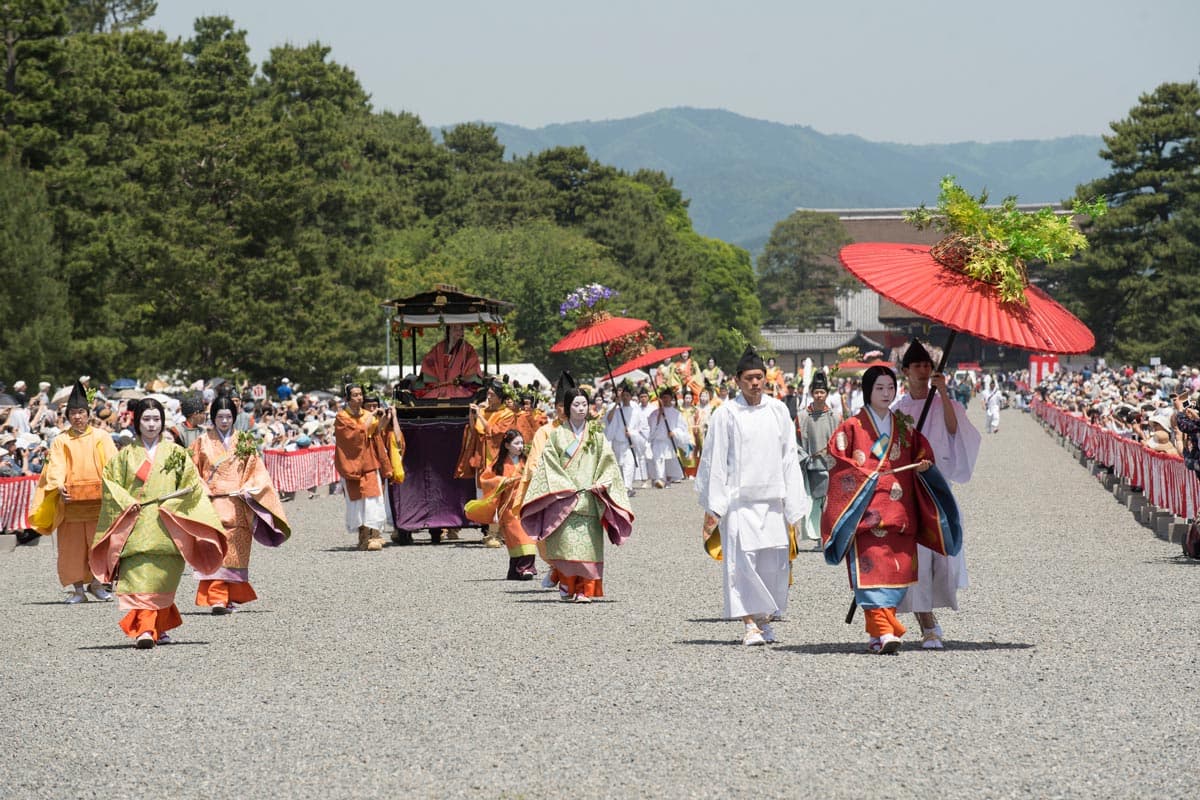
The city’s layout follows a traditional Chinese grid system, yet its character is defined by the three mountain ranges that cradle it on three sides. This geography creates a distinct sense of “inner” and “outer” Kyoto. To the east, the hills of Higashiyama are packed with narrow, stone-paved lanes that evoke the Edo period. To the west, the bamboo groves of Arashiyama offer a more rustic, pastoral beauty. In the center, the sprawling gravel paths of the Imperial Palace and the fortified walls of Nijo Castle speak to the power struggles between the Emperor and the Shogun. For a traveler, Kyoto is a city that demands slow exploration, rewarding those who venture beyond the main thoroughfares into the quiet roji (alleyways) where the “Thousand Year Capital” truly lives.
The Spiritual Spine: From Fushimi Inari to the Gion District
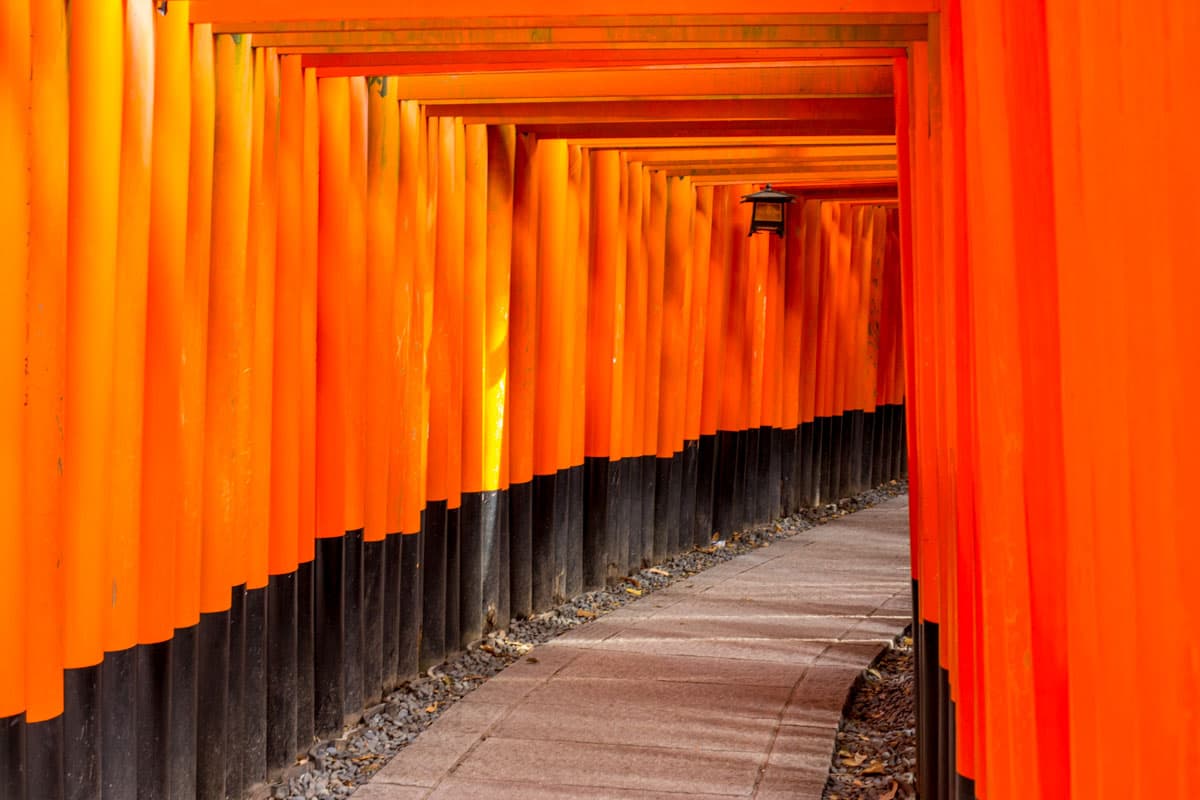
The journey through Kyoto often begins in the south at Fushimi Inari Taisha, arguably the most iconic Shinto shrine in Japan. Dedicated to Inari, the god of rice and sake, the shrine is famous for its Senbon Torii—a seemingly endless tunnel of thousands of vermilion gates that snake up the wooded slopes of Mount Inari. Each gate is a donation from a business or individual seeking prosperity, with the oldest and largest structures forming a dense canopy of orange that filters the sunlight into a warm, surreal glow. Climbing the entire mountain can take several hours, but even a short walk reveals the fox (kitsune) statues that serve as Inari’s messengers, often depicted with a key to the rice granary in their mouths.
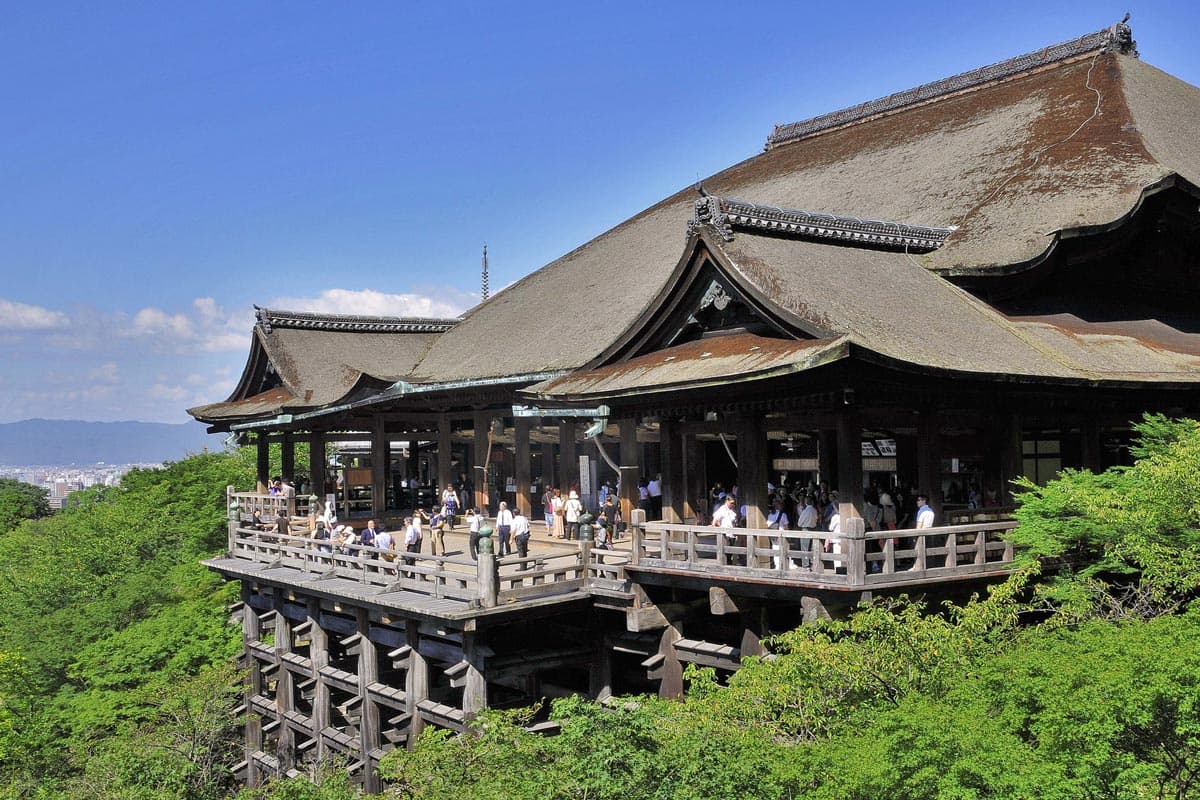
Moving north along the eastern mountains brings you to Higashiyama, a district where time seems to have stood still. The area is anchored by Kiyomizudera, the “Pure Water Temple,” whose massive wooden stage provides a panoramic view of the city. Descending from the temple, the pedestrian streets of Sannenzaka and Ninenzaka are lined with meticulously preserved wooden buildings housing traditional teahouses, craft shops, and yatsuhashi (sweet cinnamon mochi) vendors. This is the Kyoto of the imagination, where the scent of incense mingles with the sound of wooden geta sandals on stone.
At the base of these hills lies Gion, Kyoto’s most famous entertainment district. While often associated solely with its nightlife, Gion is a bastion of high culture. The Hanami-koji lane is the center of the world of Geiko and Maiko (apprentice geiko). These professional artists spend years perfecting the traditional arts of dance, music, and conversation. While catching a glimpse of a geiko moving between appointments is a highlight for many, the district’s true value lies in its preservation of the machiya—traditional wooden townhouses that feature narrow facades and deep interiors, designed originally to minimize property taxes based on street frontage.
Zen Philosophy and the West: Arashiyama and the Golden Pavilion
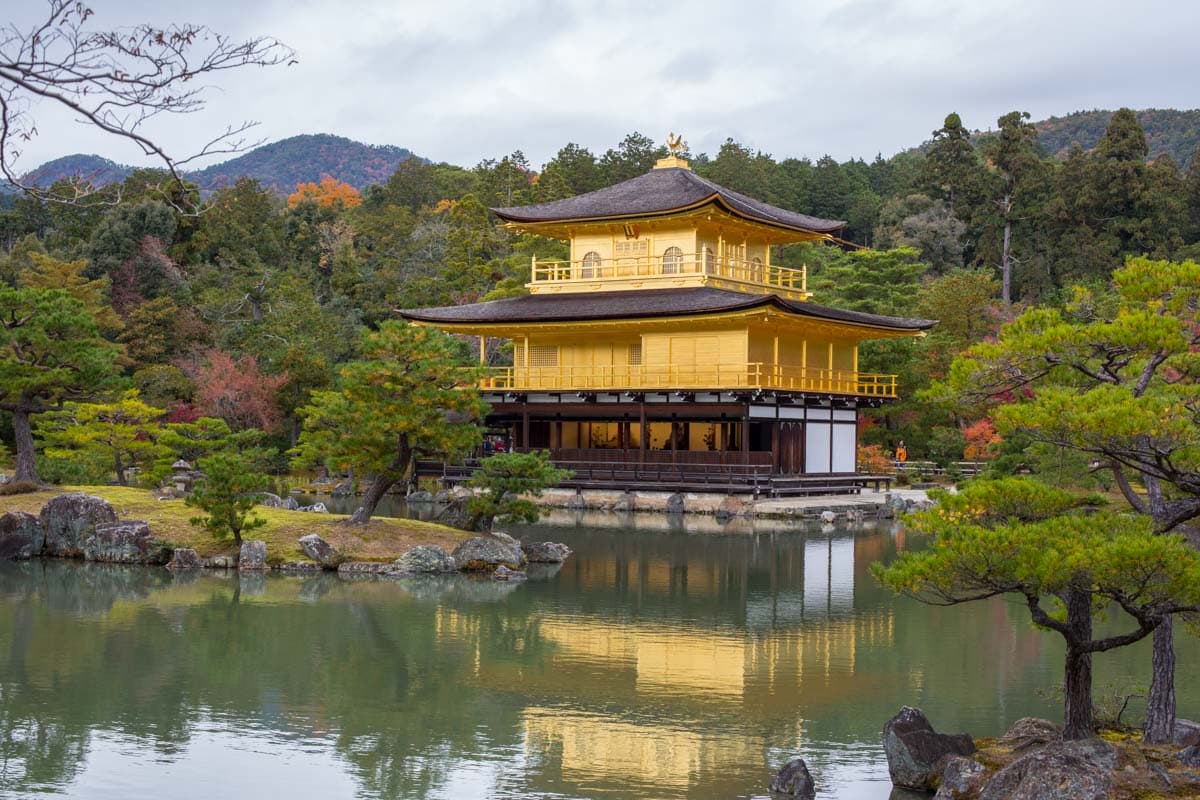
To the northwest, the aesthetic shifts from the vibrant vermilion of the south to the subdued, mossy greens of Zen. Kinkakuji, the Golden Pavilion, is a striking exception. Entirely covered in gold leaf on its top two floors, it stands as a monument to the extravagant “Kitayama Culture” of the 14th century. Its reflection in the “Mirror Pond” is intended to represent a literal Paradise on Earth. However, just a short walk away sits Ryoan-ji, which offers the ultimate philosophical contrast. Here, the “Dry Landscape” (karesansui) garden consists of 15 carefully placed rocks on a bed of raked white gravel. The garden is designed so that from any vantage point on the veranda, at least one rock is always hidden from view—a Zen riddle intended to remind the observer of the incompleteness of human perception.
Further west lies Arashiyama, a district that has been a favorite nature retreat for nobles since the Heian period. The Togetsukyo Bridge (“Moon Crossing Bridge”) spans the Hozugawa River, providing a stunning backdrop during the cherry blossom and autumn foliage seasons. Beyond the bridge, the Sagano Bamboo Grove offers one of Kyoto’s most atmospheric walks. The towering stalks of green bamboo create a natural cathedral, filtering the wind into a sound that the Japanese Ministry of Sound has designated as one of the “100 Soundscapes of Japan.” Within this area, Tenryuji Temple features one of the oldest landscape gardens in the city, which incorporates the distant mountains into its design—a technique known as “borrowed scenery.”
In central Kyoto, the focus shifts to political history. Nijo Castle, the former residence of the Tokugawa Shogun, provides a visceral look at the security concerns of the feudal era. The castle is famous for its “nightingale floors” (uguisubari). The floorboards were engineered with a series of metal clamps and nails that rub together when stepped upon, creating a chirping sound that alerted the Shogun’s guards to the presence of potential assassins. This architectural ingenuity sits in contrast to the nearby Kyoto Imperial Palace, which emphasizes simplicity and open spaces, reflecting the divine and ceremonial role of the Emperor as opposed to the military might of the Shogun.
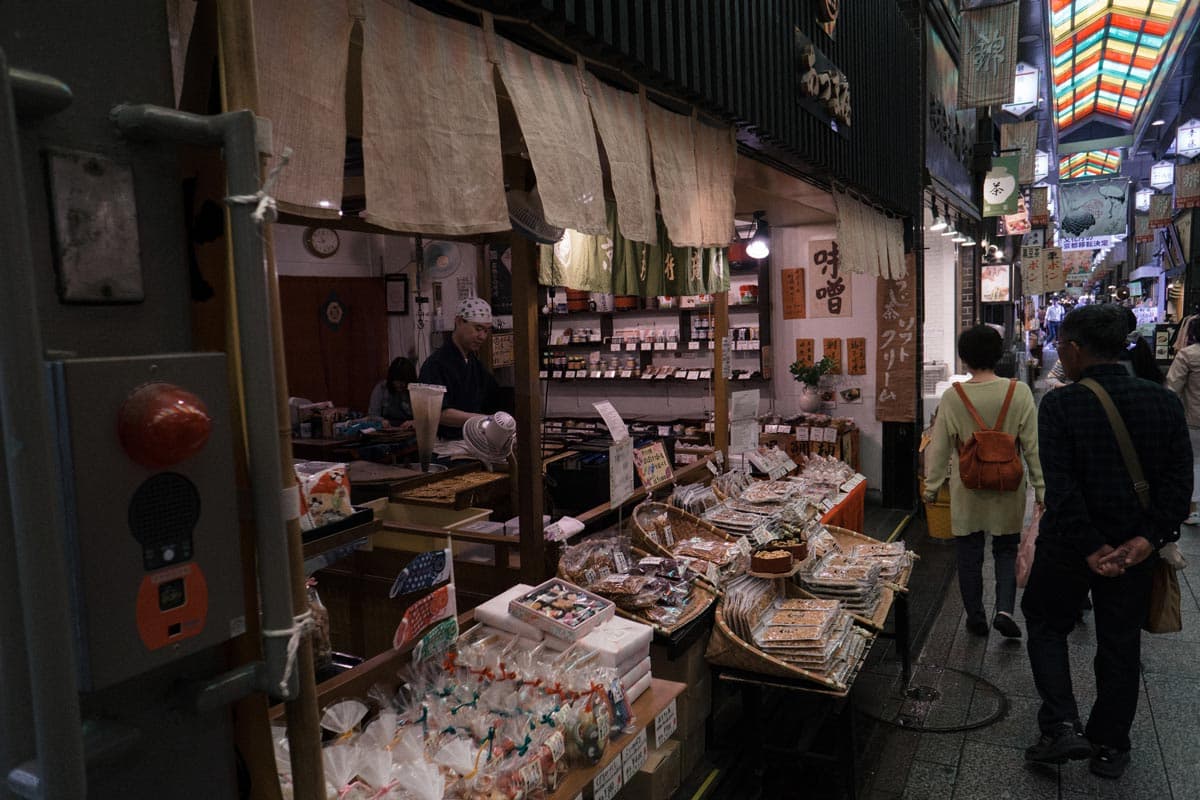
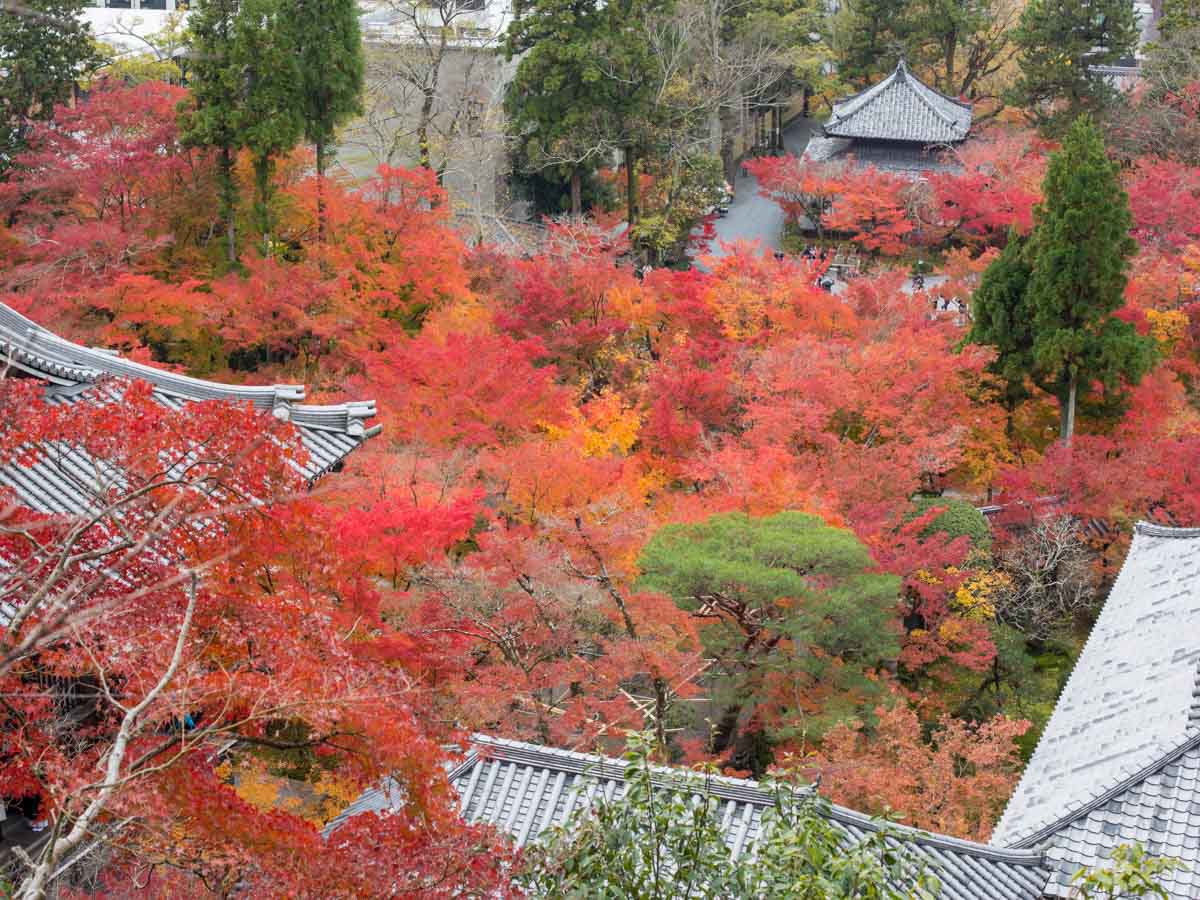
Ultimately, Kyoto is a city of seasons. In April, the Philosopher’s Path becomes a tunnel of pink cherry blossoms, while in November, the temple gardens of Eikando and Tofukuji ignite with the deep reds of Japanese maples. Every corner of the city, from the bustling food stalls of Nishiki Market to the silent moss gardens of Saiho-ji, tells a story of a culture that has spent 1,200 years refining its relationship with beauty, nature, and the divine. To visit Kyoto is not just to see Japan’s past, but to understand the aesthetic foundation of its present.