Kanazawa
Kanazawa (金沢) is a city that wears its history with a quiet, confident grace. While many Japanese cities sprinted toward industrial modernization, Kanazawa took a different path. From the late 16th century until the Meiji Restoration, it was the seat of the Maeda Clan, the second most powerful family in Japan after the Tokugawa Shoguns. Ruling over the “Land of a Million Koku” (a unit of rice reflecting immense wealth), the Maedas strategically funneled their riches into the arts and education rather than military expansion, effectively neutralizing the Shogun’s suspicion while creating a cultural sanctuary. Because the city was miraculously spared from the air raids of World War II, it stands today as one of the best-preserved Edo-period landscapes in the country.
The Feudal Heart: Kenrokuen and Kanazawa Castle
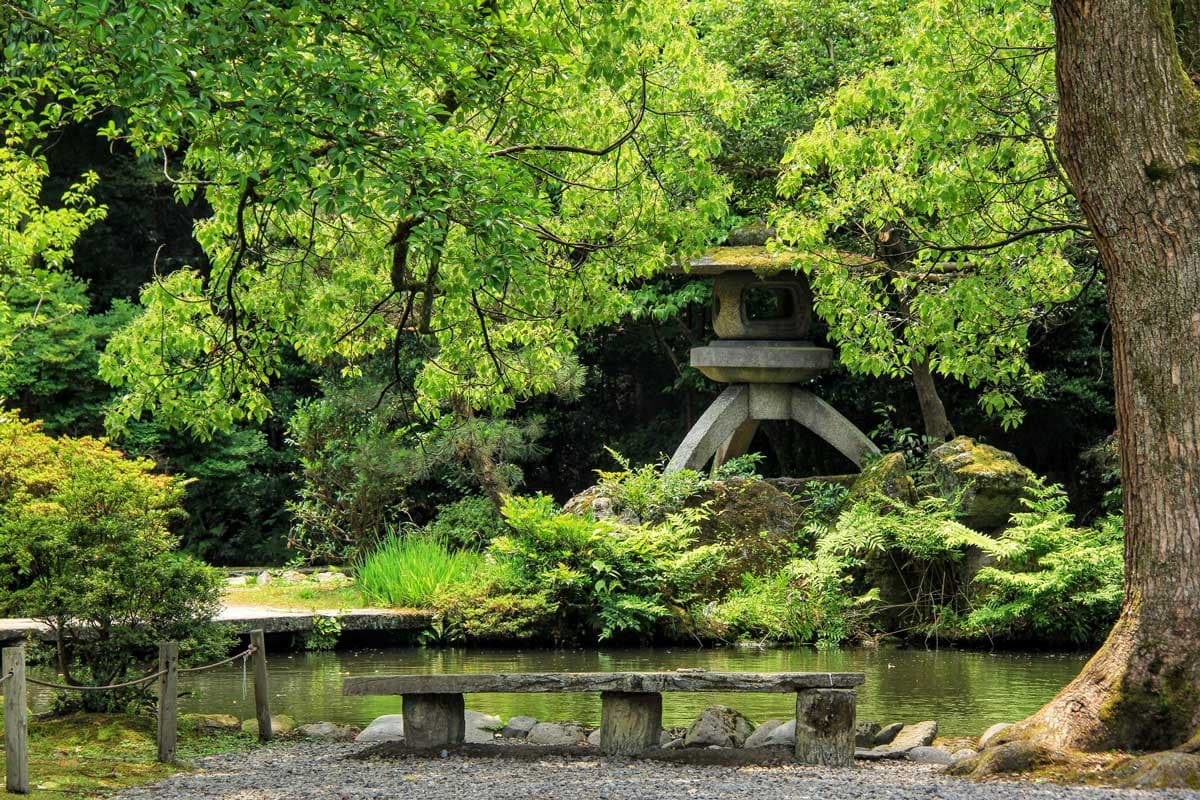
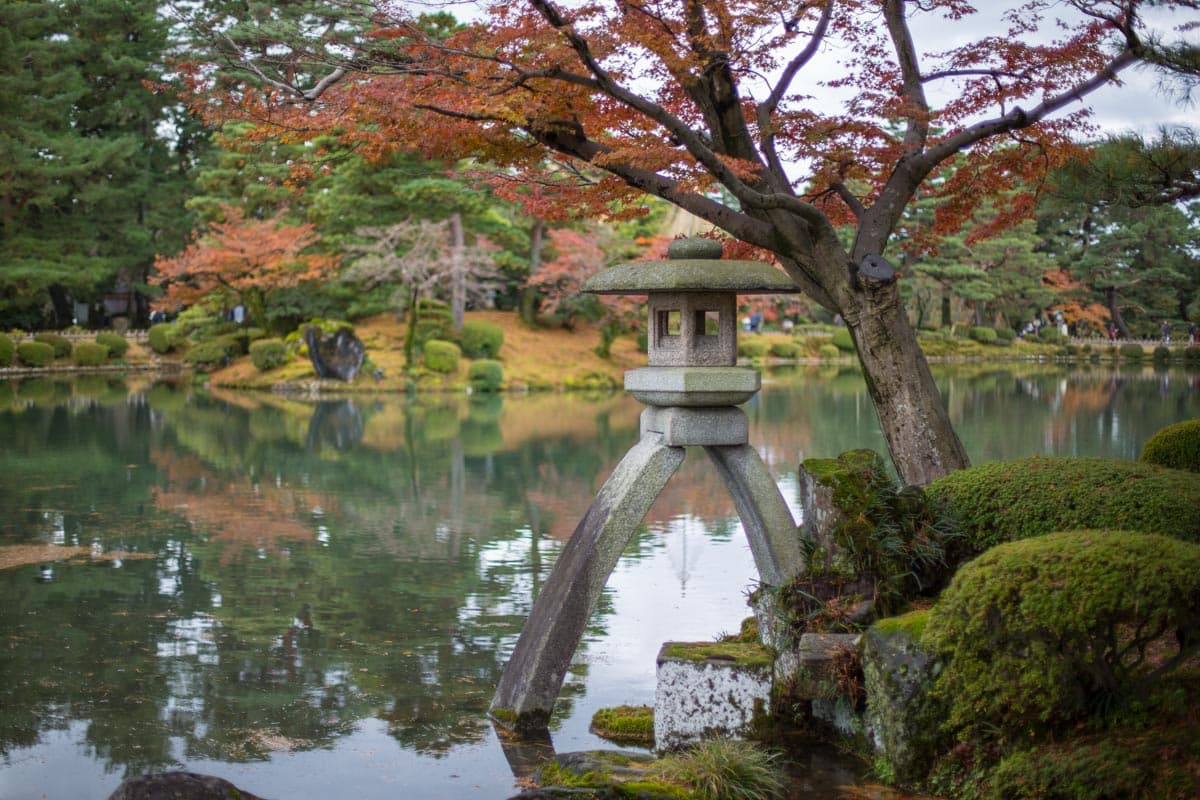
No discussion of Kanazawa is complete without Kenrokuen Garden, widely regarded as one of the “Big Three” landscape gardens in Japan. Its name translates to “Six Sublimities Garden,” referring to the six essential attributes that make a perfect landscape: spaciousness, seclusion, artifice, antiquity, water-courses, and panoramas. Achieving all six is considered a philosophical impossibility, yet Kenrokuen manages this balance through a sophisticated design of winding streams, massive ponds, and hidden teahouses. In winter, the garden is famous for its yukitsuri—conical arrays of ropes used to protect the branches of ancient pines from the heavy, wet snow typical of the Hokuriku region.
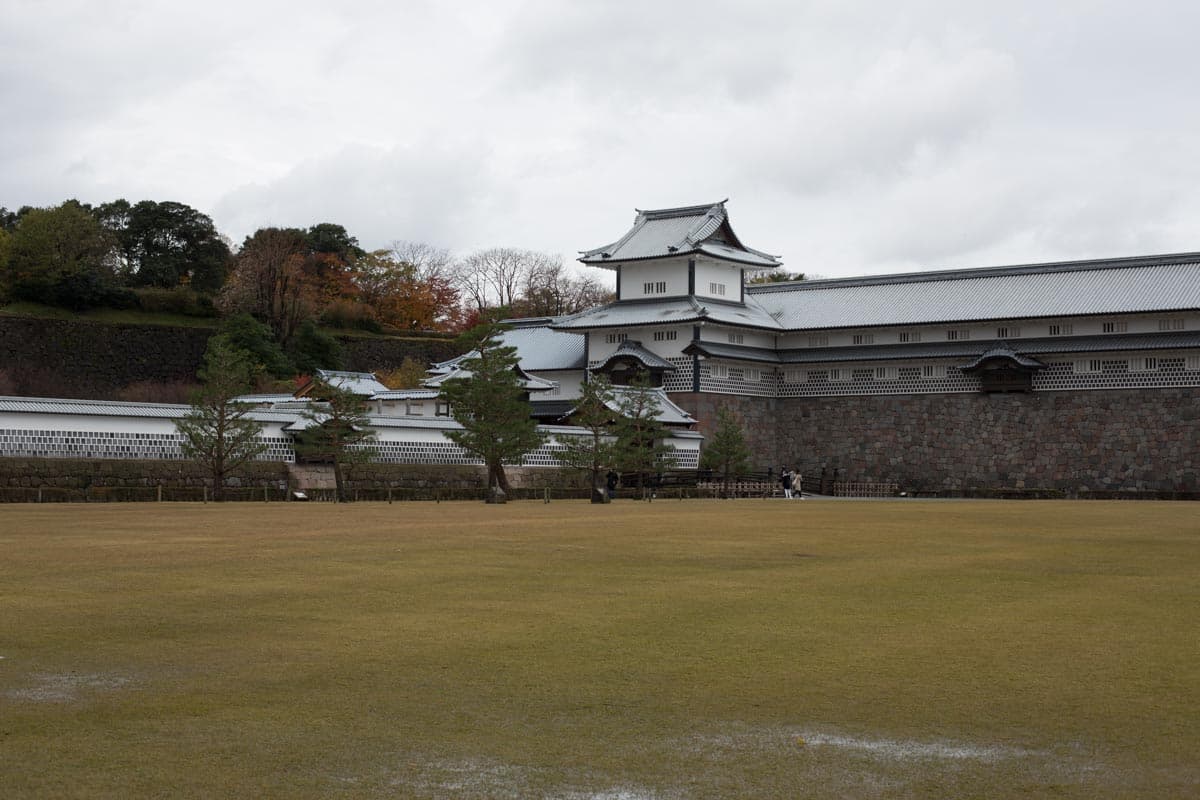
Adjacent to the garden is Kanazawa Castle. While the main keep is long gone, the reconstructed turrets and storehouses—built using traditional joinery without a single nail—provide a masterclass in feudal engineering. The castle is notable for its lead-tiled roofs, which lent it a silver-white glint in the sun and, according to local legend, could be melted down into bullets during a siege. Together, the castle and Kenrokuen form a sprawling green lung in the center of the city, anchoring the modern grid to its samurai roots.
The Districts of Edo: Samurai and Geiko
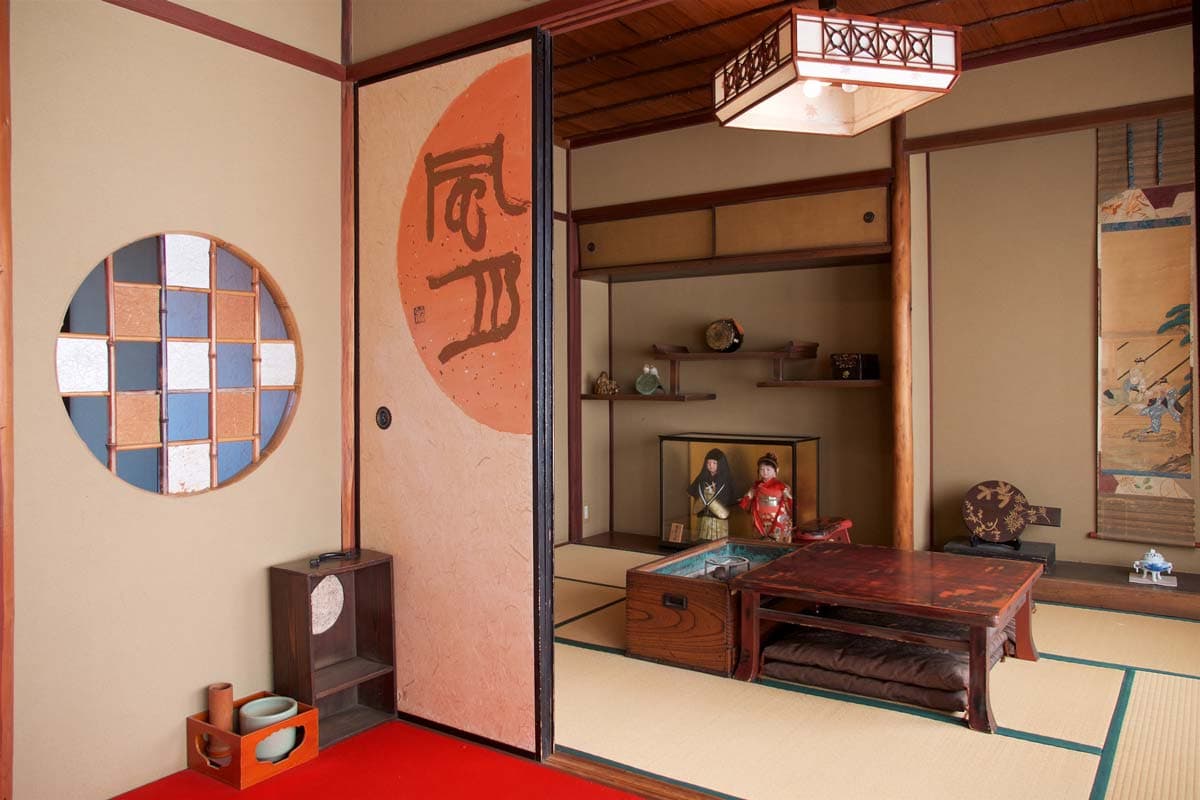
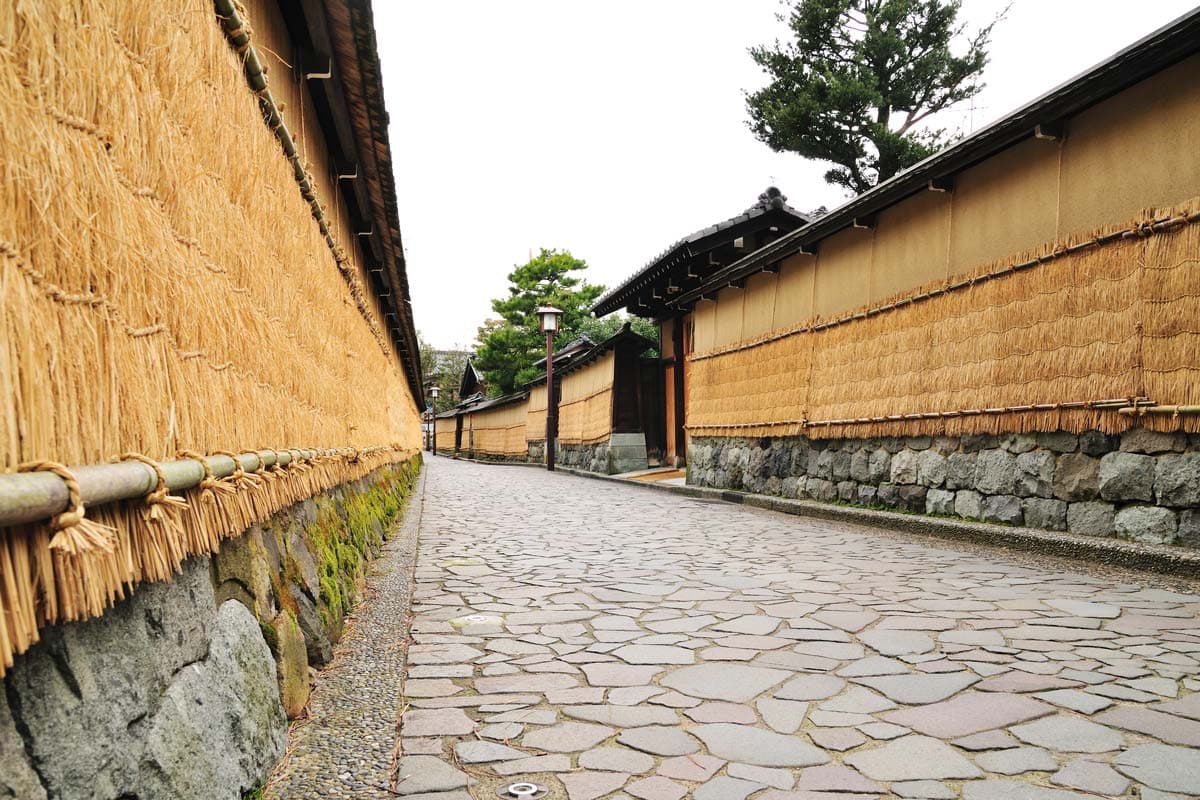
To walk through Kanazawa is to transition between distinct social classes. In the Nagamachi Samurai District, the atmosphere is stoic and defensive. Narrow, winding canals follow the cobblestone paths, once used to transport goods and protect against fire. The ochre-colored earthen walls of the residences are protected in winter by komo (straw mats), adding a seasonal texture to the stone lanes. Here, the Nomura Clan Samurai Home offers a visceral look at the life of a high-ranking retainer, featuring a garden that is consistently ranked among the world’s most beautiful for its masterful use of “borrowed scenery.”
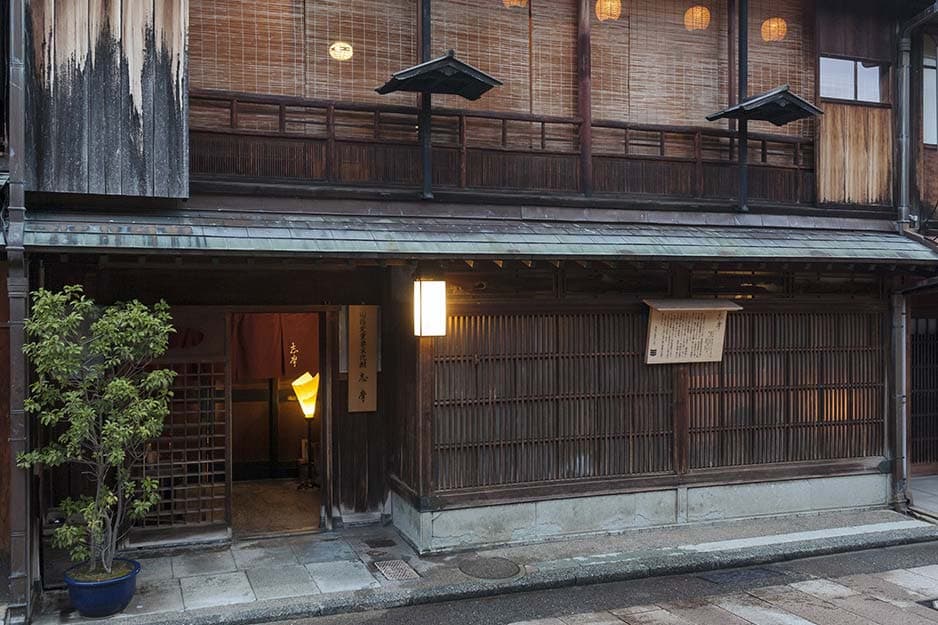
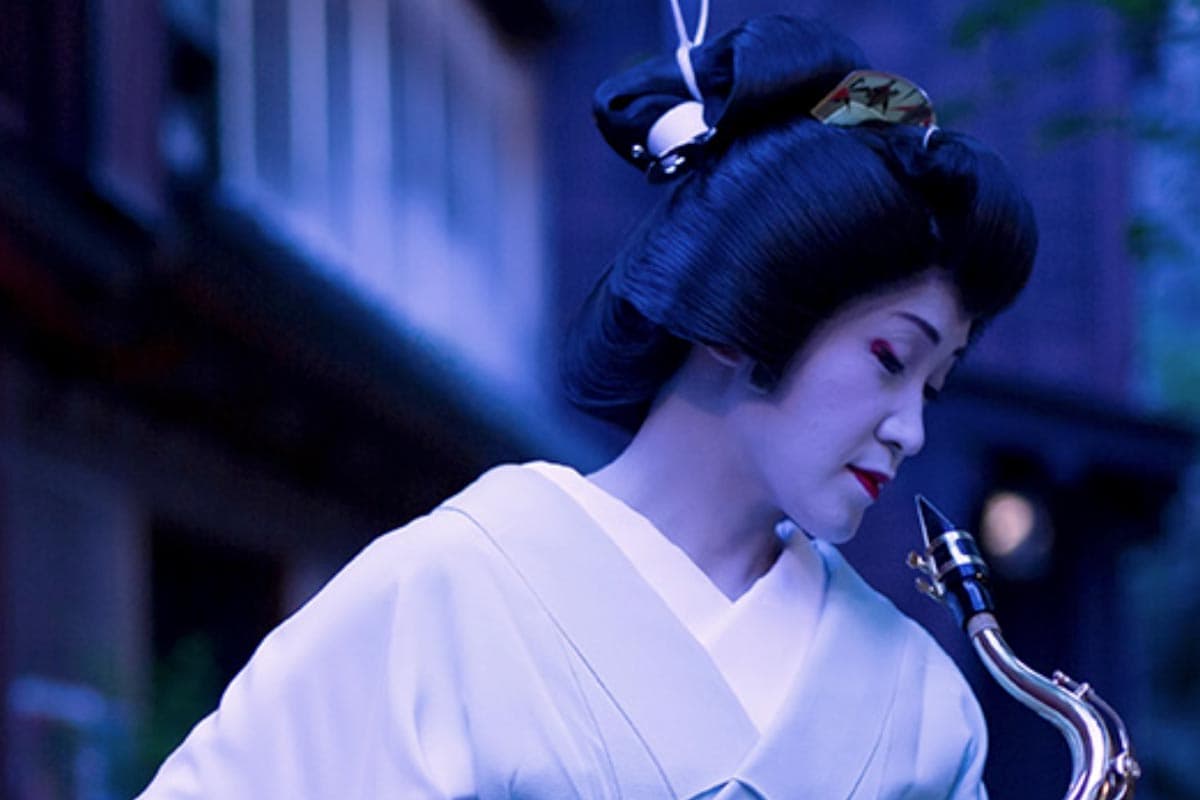
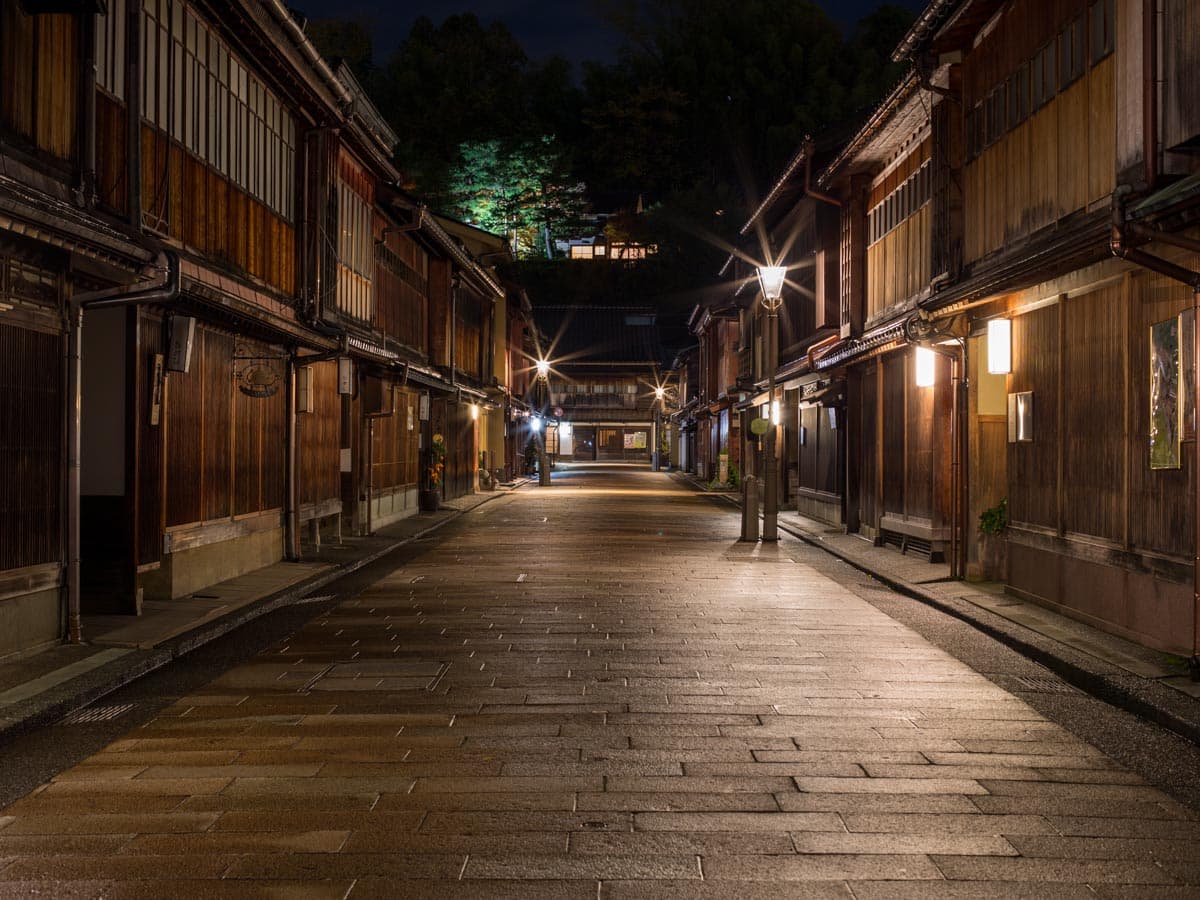
Contrast this with the “pleasure quarters” of the Higashi Chaya District. This was the world of the geiko (Kanazawa’s term for geisha) and the merchant class. The architecture here is defined by kimusuko—fine wooden lattices that allow those inside to see the street while remaining hidden from view. While Higashi is the largest and most photographed, the nearby Kazuemachi and Nishi Chaya districts offer a quieter, more intimate glimpse into the world of traditional music and banquet culture. Even today, the rhythmic pluck of the shamisen can be heard echoing through the wooden streets at dusk.
Modernity, Gold, and “Kanazawa’s Kitchen”
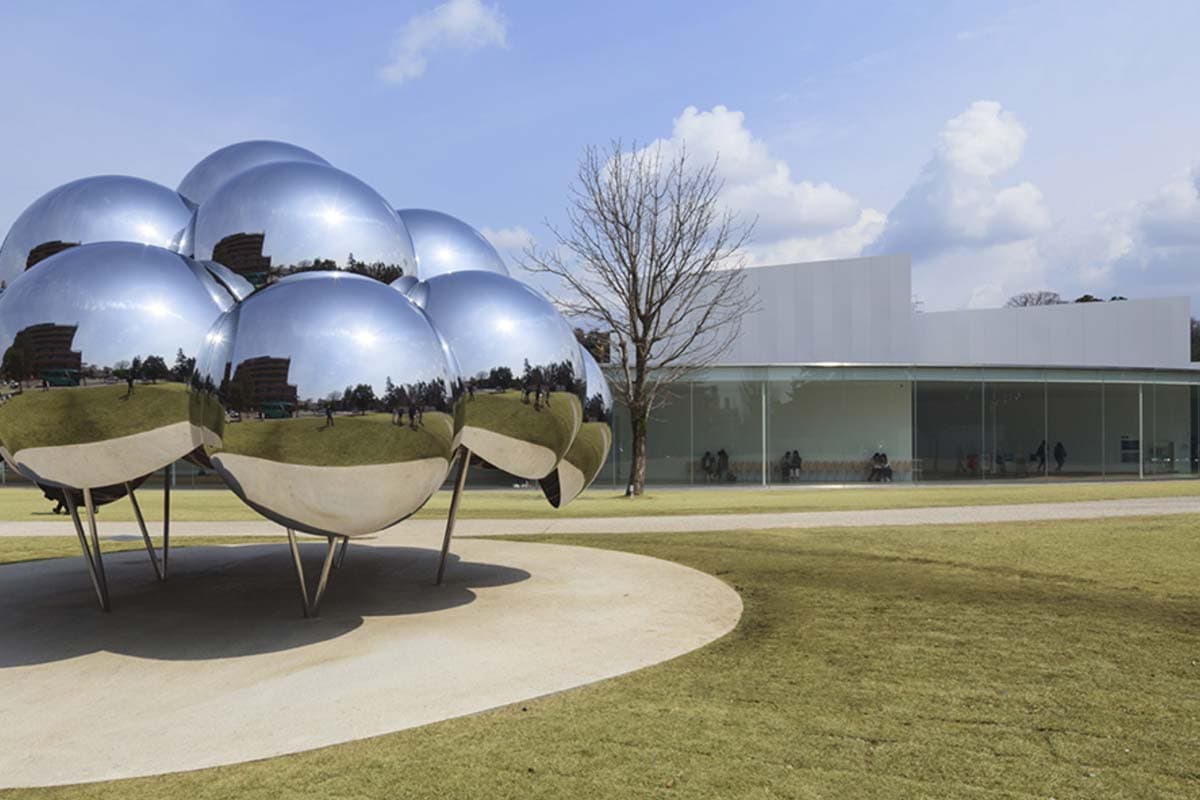
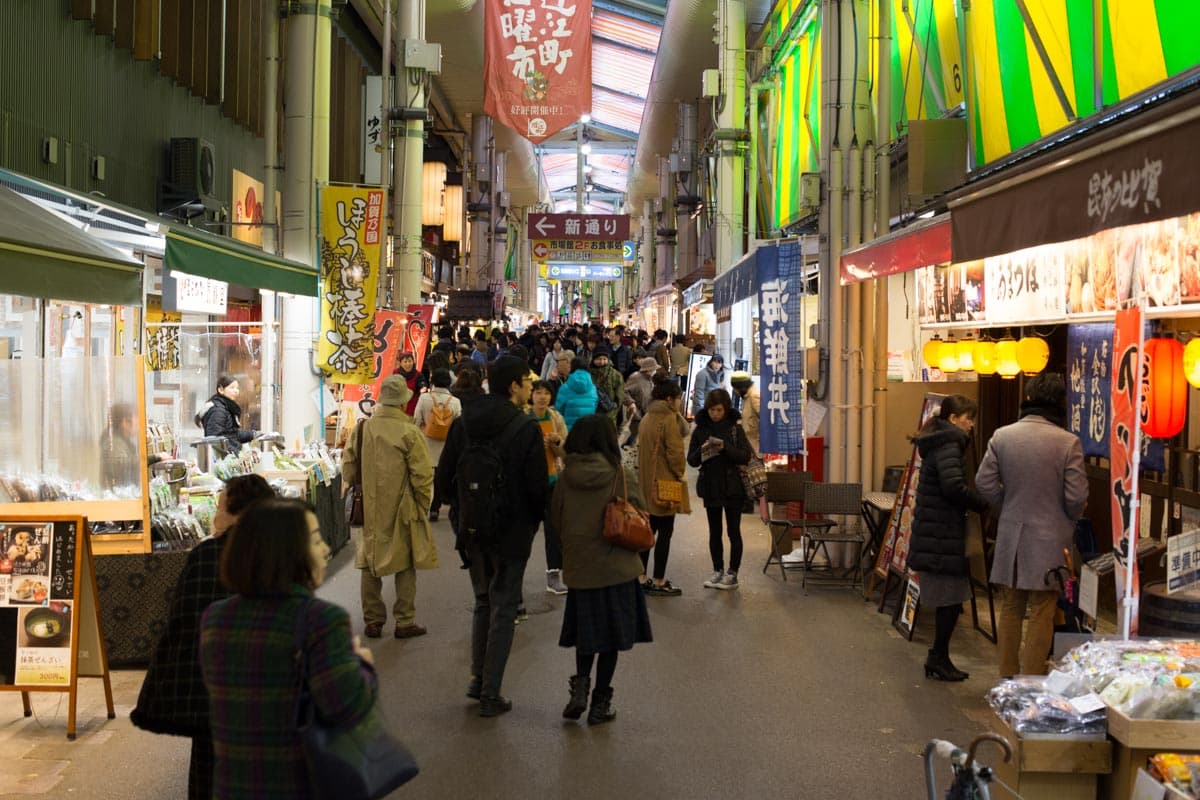
Despite its preservation, Kanazawa is far from a stagnant museum. The 21st Century Museum of Contemporary Art, a low-profile glass circle designed by the Pritzker Prize-winning firm SANAA, acts as a modern counterbalance to the city’s antiquity. It promotes an “accessible” art philosophy, with many installations—like the famous “Swimming Pool”—inviting physical interaction. This forward-thinking energy extends to the city’s gastronomy. Located near the castle, Omicho Market has been “Kanazawa’s Kitchen” for over 300 years. Its stalls are a riot of colors, featuring the local Kaga Yasai (heritage vegetables) and some of the freshest seafood in Japan, notably the seasonal snow crab and sweet ama-ebi shrimp.
“In Kanazawa, even if you forget your lunch, don’t forget your umbrella.”
— A local proverb reflecting the city’s frequent, moody rainfall.
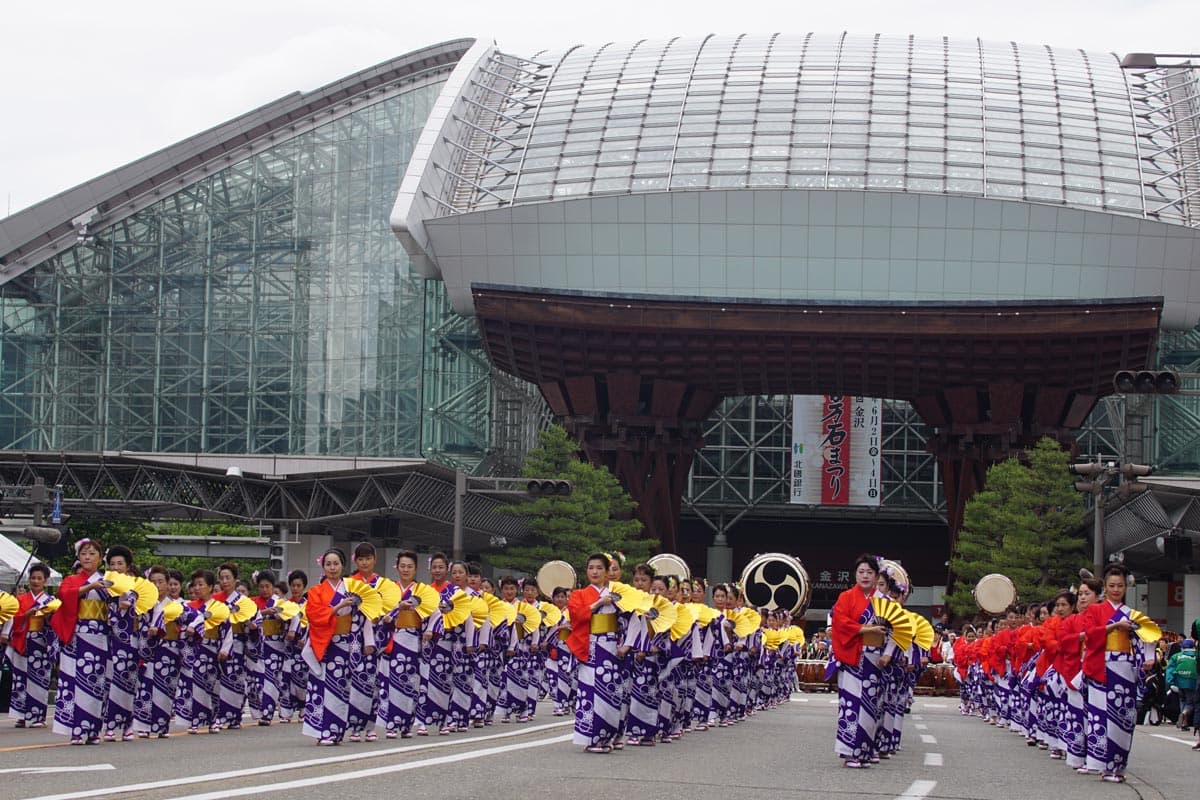
Finally, there is the gold. Kanazawa produces 99% of Japan’s gold leaf. This isn’t just an industry; it’s a pervasive aesthetic. From gold-leaf-covered ice cream to the gilded ceilings of the D.T. Suzuki Museum, the “Marsh of Gold” lives up to its name. Since the expansion of the Hokuriku Shinkansen in 2015, this once-isolated enclave has become an essential stop for those seeking a deeper, more refined understanding of the Japanese soul. It is a city that doesn’t scream for attention, but rather whispers its stories to those willing to walk its stone paths in the rain.