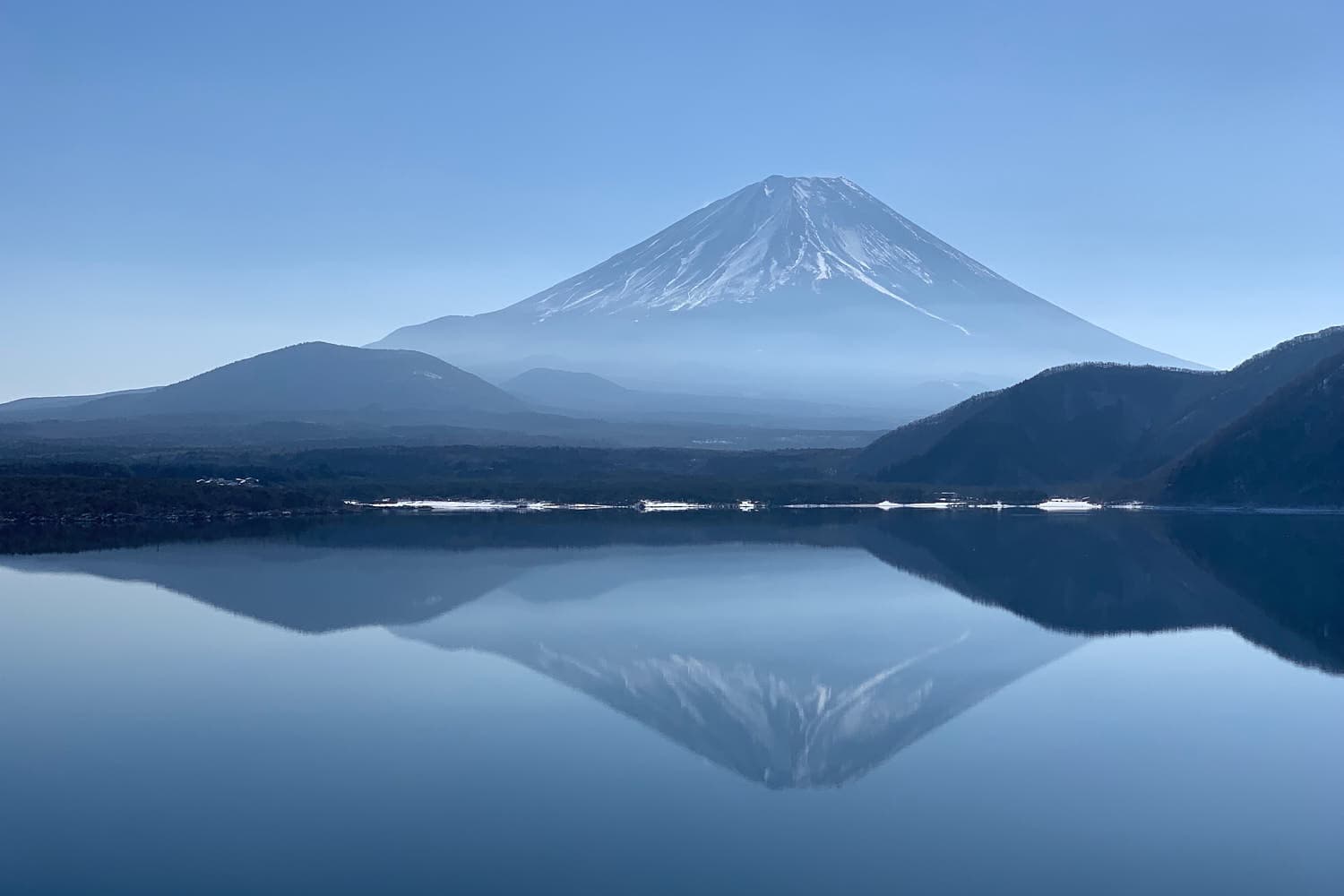
Fuji Five Lakes
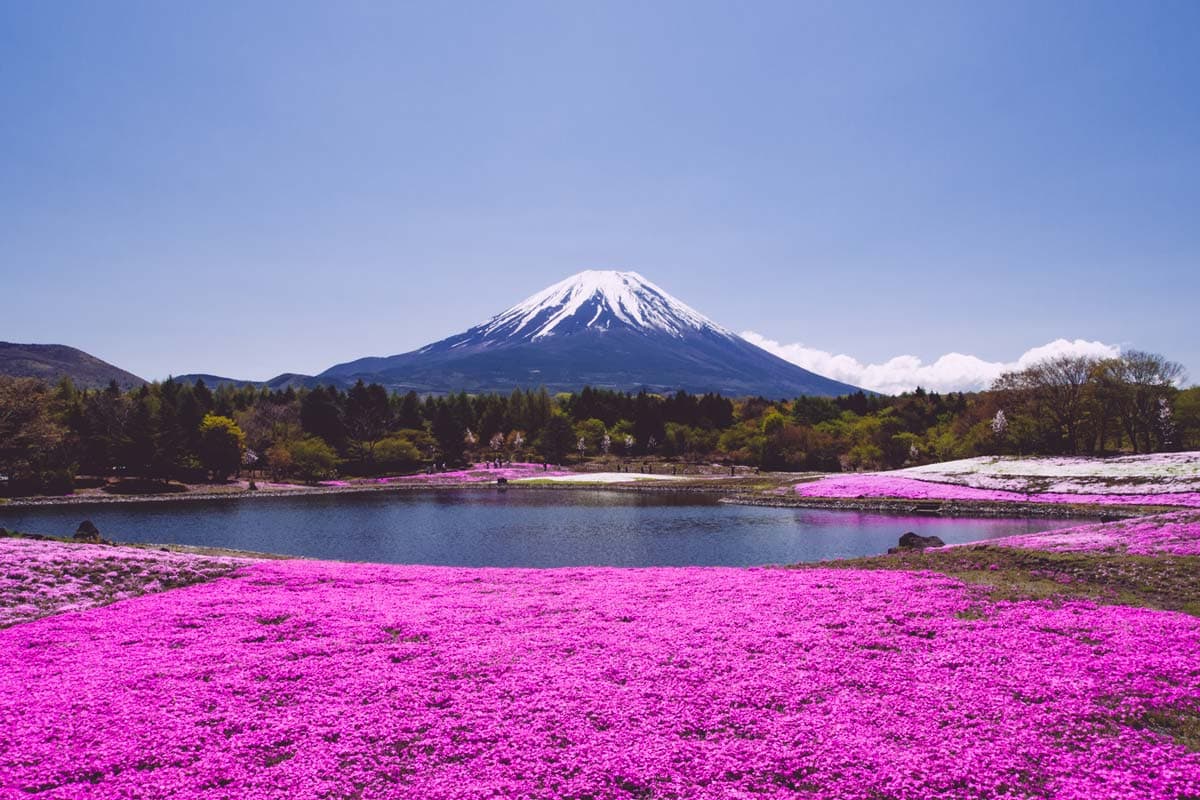
The Fuji Five Lakes (富士五湖, Fujigoko) region is one of the most popular locations from which to view Mount Fuji. The area, which lies approximately 1,000 meters above sea level and was formed by past eruptions of the mountain, consists of—from west to east—Motosuko, Shojiko, Saiko, Kawaguchiko, and Yamanakako. These lakes are distributed in an arc with a radius of about 15 kilometers along the northern base of Mount Fuji, serving as a natural buffer between the volcanic peak and the surrounding highlands.
The most prominent lake, and the primary destination for the majority of travelers, is Lake Kawaguchi. This is because it is easily accessible from Tokyo and offers a high density of tourist attractions, museums, and sightseeing infrastructure. As the central hub of the region, Kawaguchiko provides the most diverse range of views, including the famous northern shore perspectives where cherry blossoms in spring and maple leaves in autumn frame the mountain’s symmetrical cone.
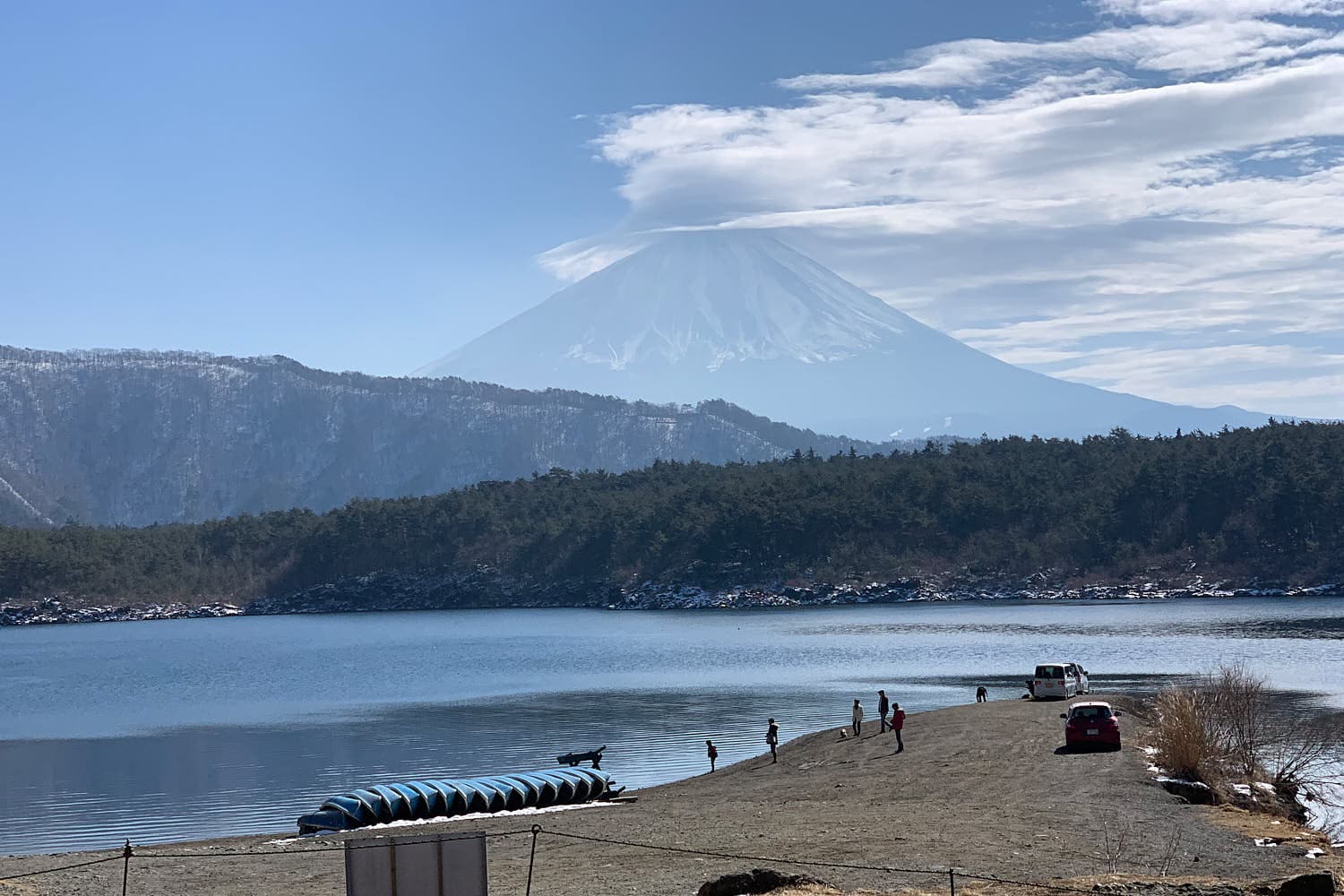
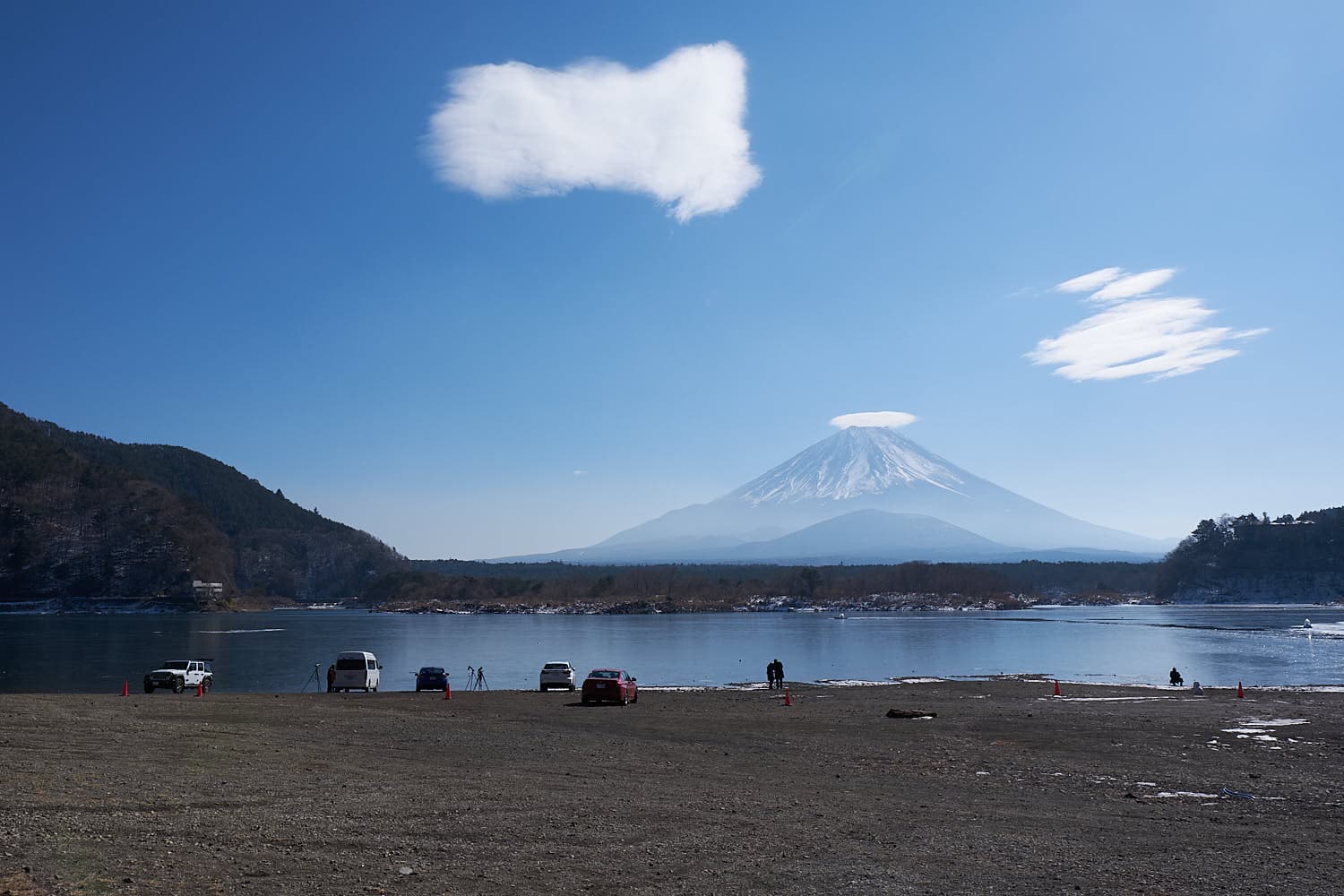
While Kawaguchiko serves as the commercial center, the other four lakes offer distinct characteristics. Lake Yamanaka, the easternmost and largest by surface area, is known for its high altitude and the “Diamond Fuji” phenomenon. In contrast, the three western lakes—Saiko, Shojiko, and Motosuko—share a unique geological history. They were formed during the massive Jogan eruption in 864 CE, which divided a larger prehistoric lake with lava flows. Today, these three bodies of water remain connected by underground waterways, maintaining a consistent water level across all three basins. Motosuko is particularly noted for its depth and clarity, famously depicted on the Japanese 1,000 yen note, while Shojiko remains the smallest and least developed, offering a quiet atmosphere for fishing and camping.
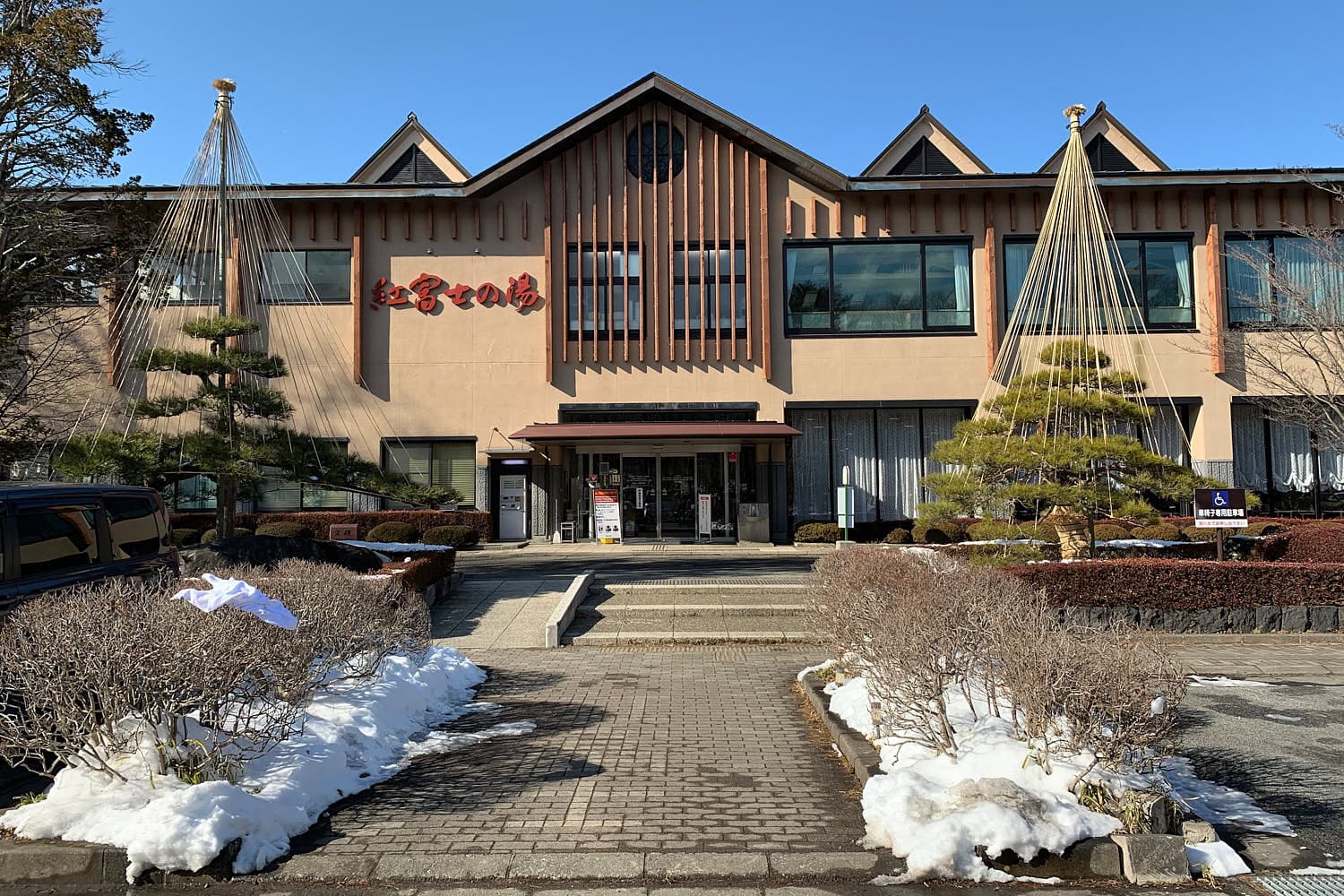
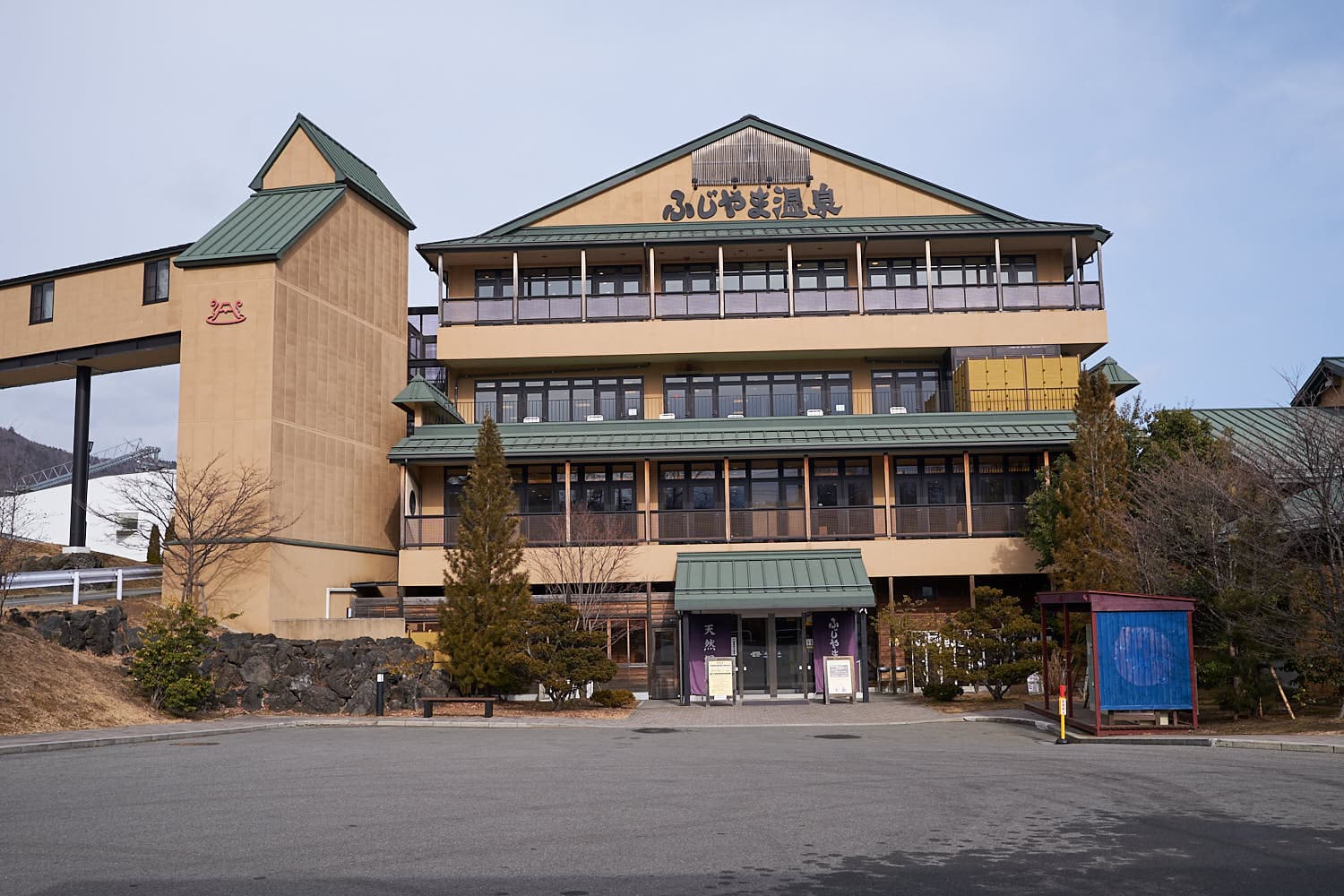
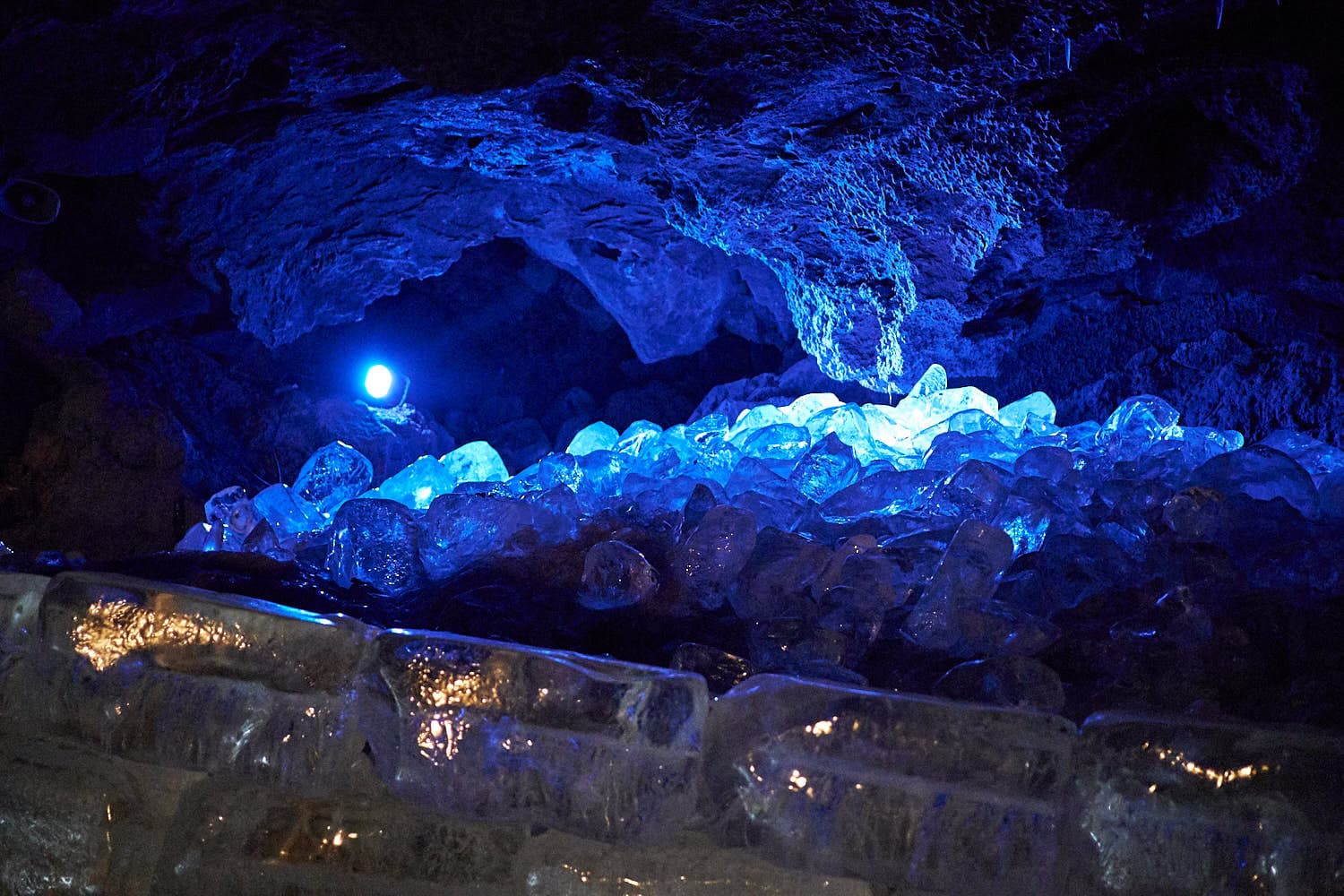
The entire Fuji Five Lakes region is a designated UNESCO World Heritage site, recognized as a constituent part of Mount Fuji’s cultural landscape. Beyond sightseeing, the area is a major center for outdoor recreation, including hiking, boating, and windsurfing. The northern shores of Saiko and Shojiko border the Aokigahara Jukai forest, a dense woodland grown over ancient lava that offers unique volcanic trekking trails. The region is also highly regarded for its hot spring water, with many natural onsen and traditional ryokan situated along the lakesides. Whether visited for the Fuji-Q Highland theme park or the serene views from the Chureito Pagoda nearby, the Fujigoko area remains a fundamental component of the Japanese travel experience.