Kamakura
Kamakura (鎌倉) is often referred to as the “Kyoto of Eastern Japan.” Located just 50 kilometers south of Tokyo, this coastal city is a premier day-trip destination with profound historical significance. It served as the political center of Japan when the first shogun, Minamoto no Yoritomo, established his government here in 1185. This shift in power from the imperial court in Kyoto to the warrior class in Kamakura marked the beginning of the Kamakura period (1185–1333), an era defined by the rise of the samurai class and the flourishing of Zen Buddhism. Today, the city’s geography—tucked between a crescent of wooded hills and the sparkling Sagami Bay—preserves a legacy of world-class cultural treasures and a rugged, stoic atmosphere distinct from its more refined cousin in the west.
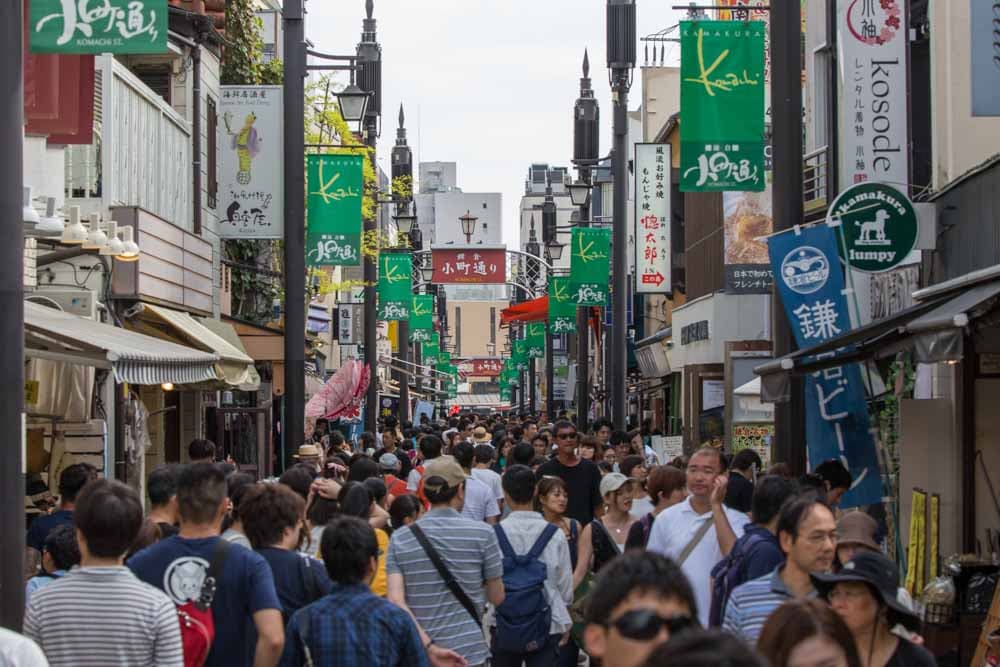
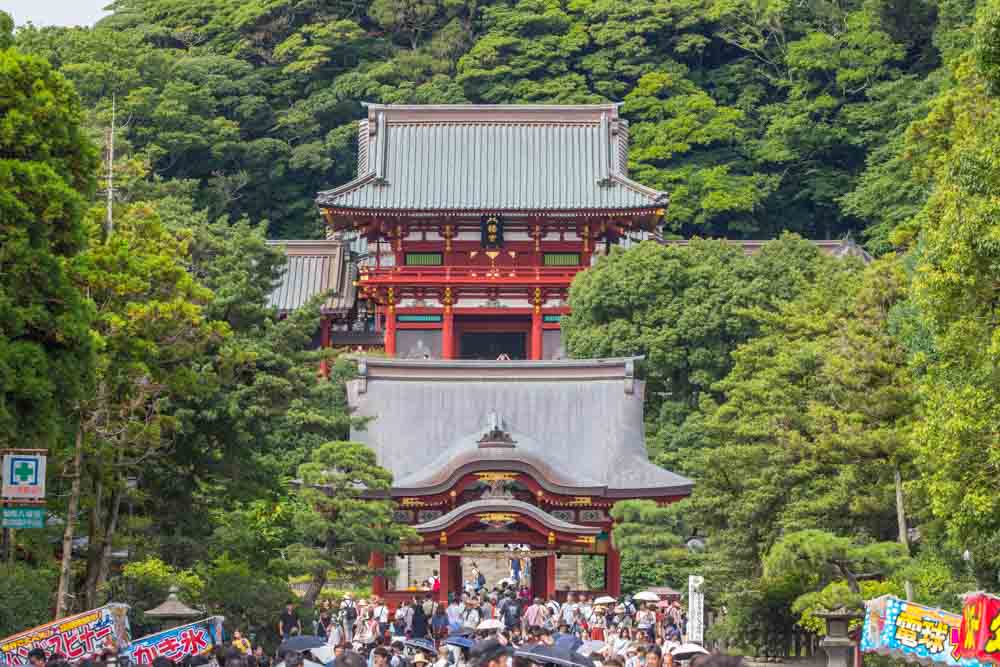
The hallmark of this history is the region’s many temples and shrines, which range from intimate Zen retreats to the grand Tsurugaoka Hachimangu, the city’s most important Shinto shrine. Dedicated to Hachiman, the patron god of the samurai, the shrine is the spiritual heart of the city. Reaching the shrine involves a walk through Komachi-dori, a bustling pedestrian street famous for its unique street food and traditional souvenirs, or the more formal Dankazura, a raised cherry-tree-lined pathway that runs down the center of the city’s main boulevard. Because these sites are spread throughout the valley, visitors should be prepared for significant walking or rely on the local bus and train services. Entrance fees to the temples typically range from ¥200 to ¥600.
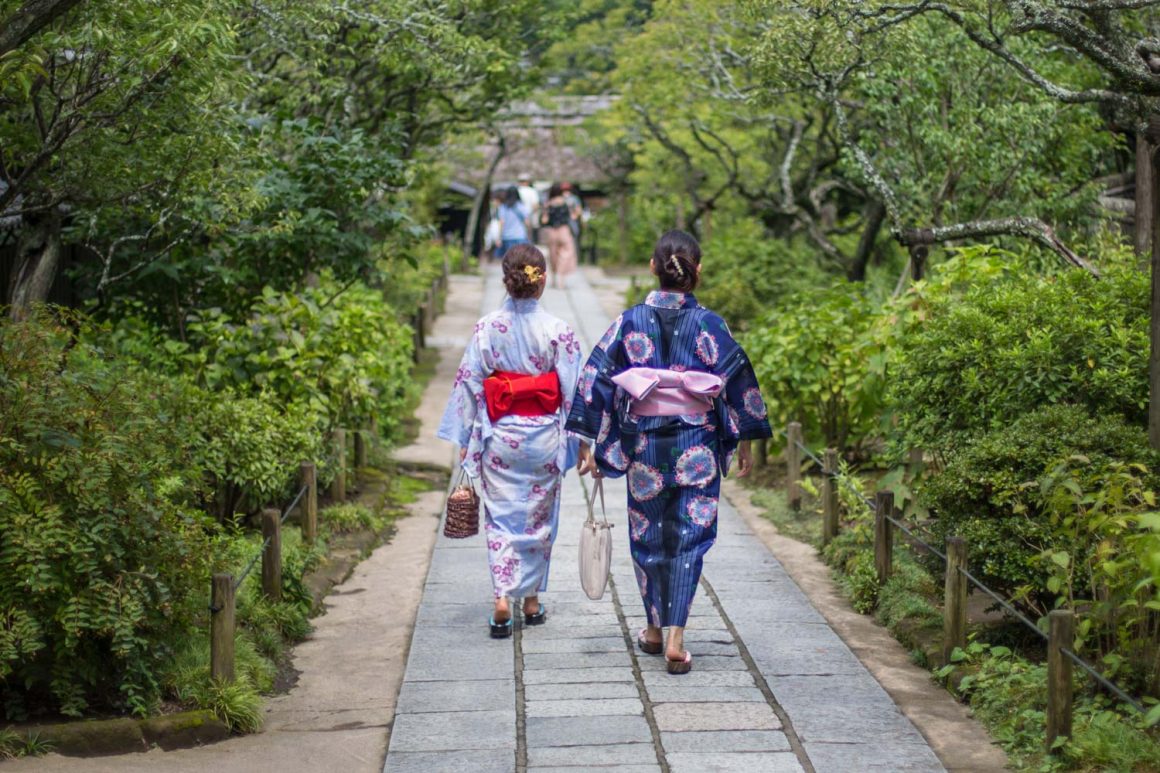
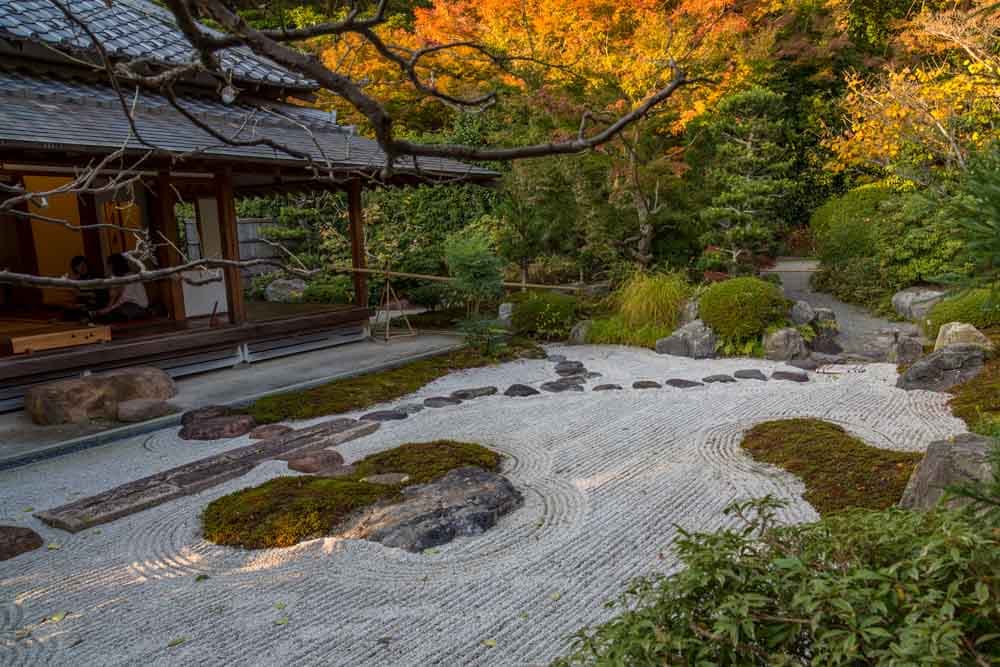
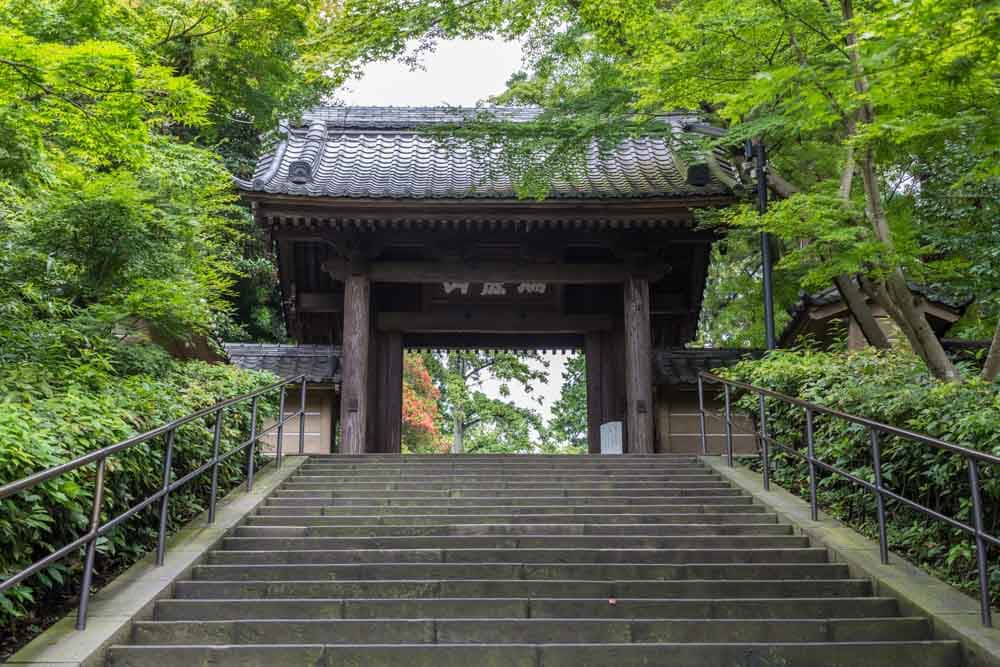
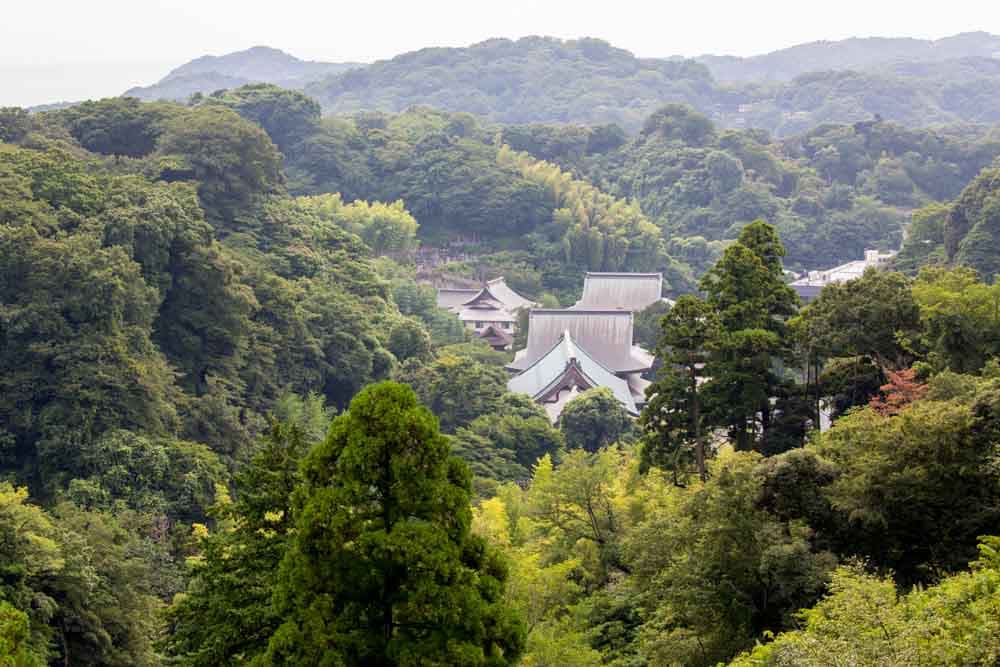
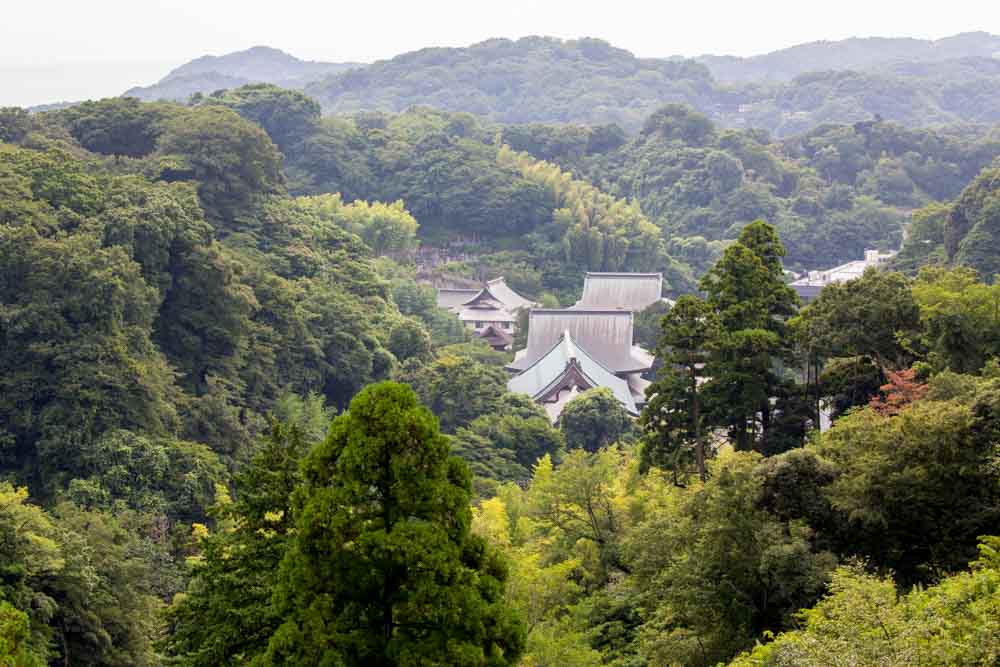
To maximize a day in Kamakura, a popular strategy is to alight at Kita-Kamakura Station, a quiet, rustic stop just one stop north of the main hub. This approach allows travelers to walk south toward the city center while visiting the sprawling Zen complexes of the “Five Great Temples.” Engaku-ji, situated immediately beside the station, is a massive complex of timber halls and ancient juniper trees. Further down the road lies Kencho-ji, the oldest Zen training monastery in Japan. The latter is particularly unmissable; beyond the “Cloud Dragon” painted on the ceiling of the Dharma Hall, the steep climb to the viewpoint on the hill behind the temple offers one of the most spectacular panoramas of the valley and, on clear days, the distant silhouette of Mount Fuji.
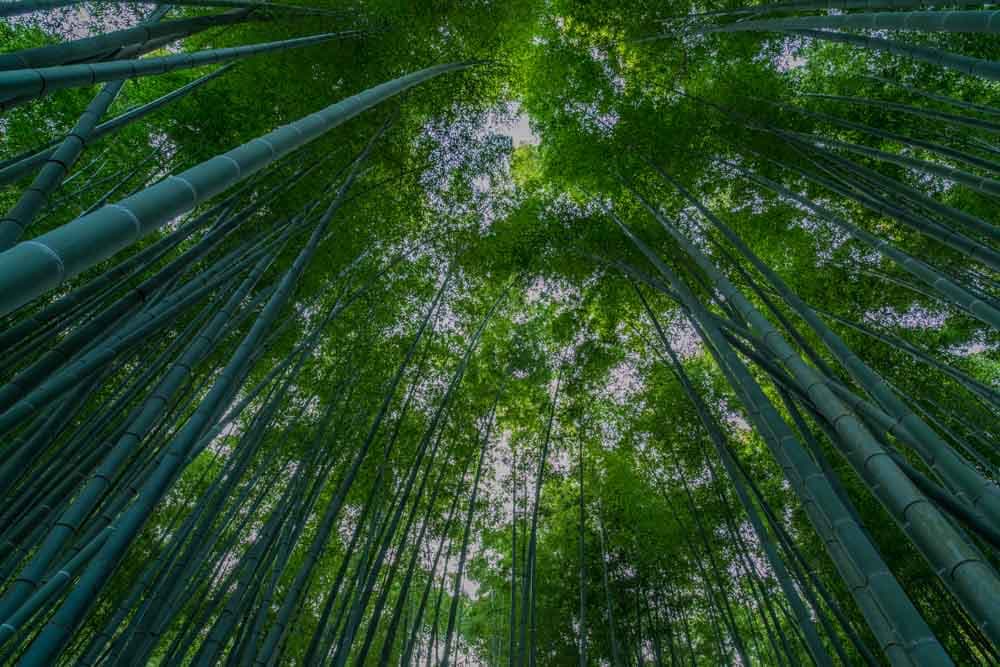
Kamakura’s religious landscape is also unique for its Yagura—tombs carved directly into the soft volcanic rock of the surrounding hillsides. During the medieval period, the city’s limited flat land was reserved for temples and residences, forcing the samurai and monks to create tiered burial caves in the cliffs. These can still be seen at sites like Hokokuji, which is equally famous for its dense grove of over 2,000 moso bamboo stalks. Walking through this emerald forest while sipping matcha at the hidden tea house provides a sensory experience that feels worlds away from the neon-lit streets of modern Tokyo.
Hase and the Coastal Area
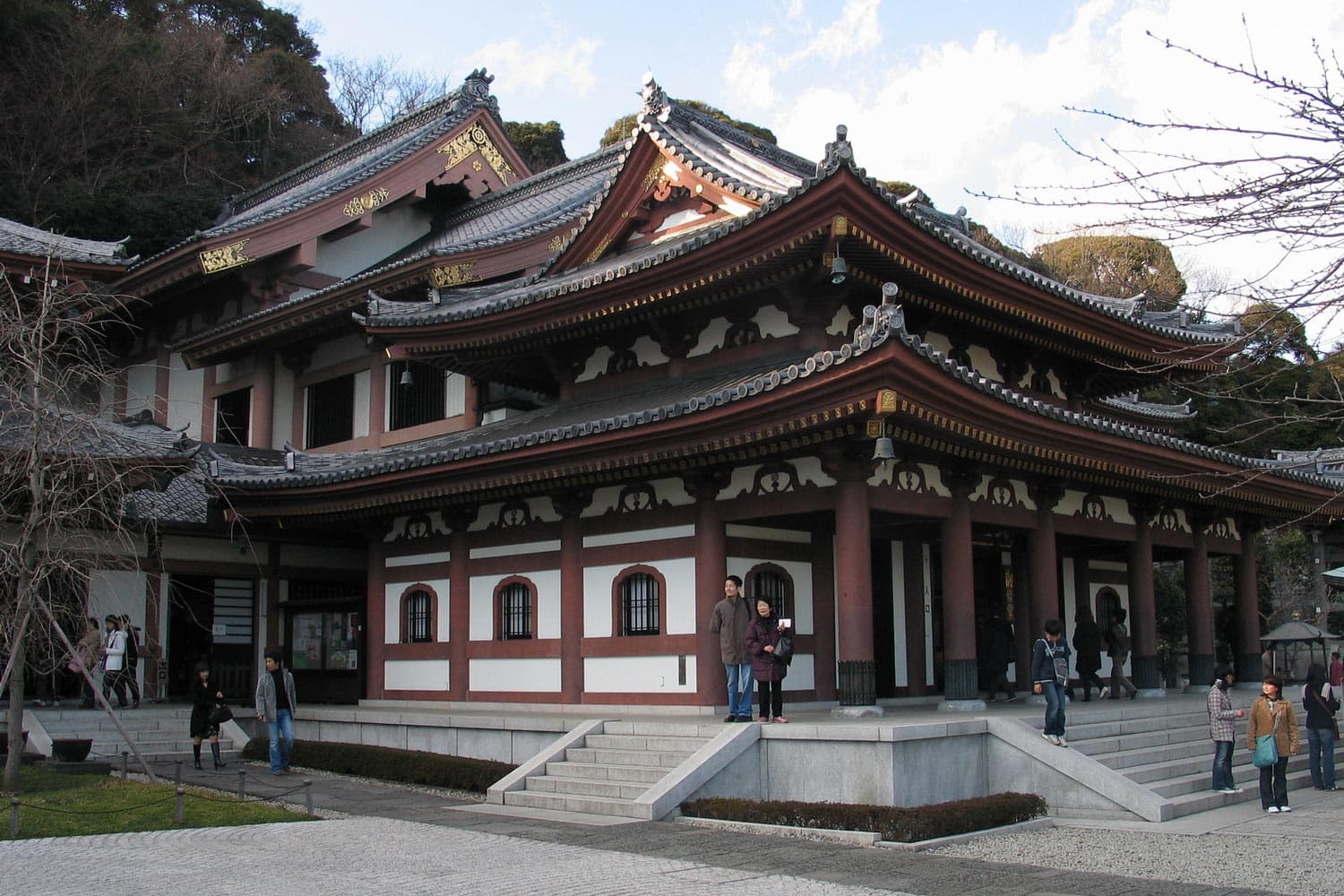
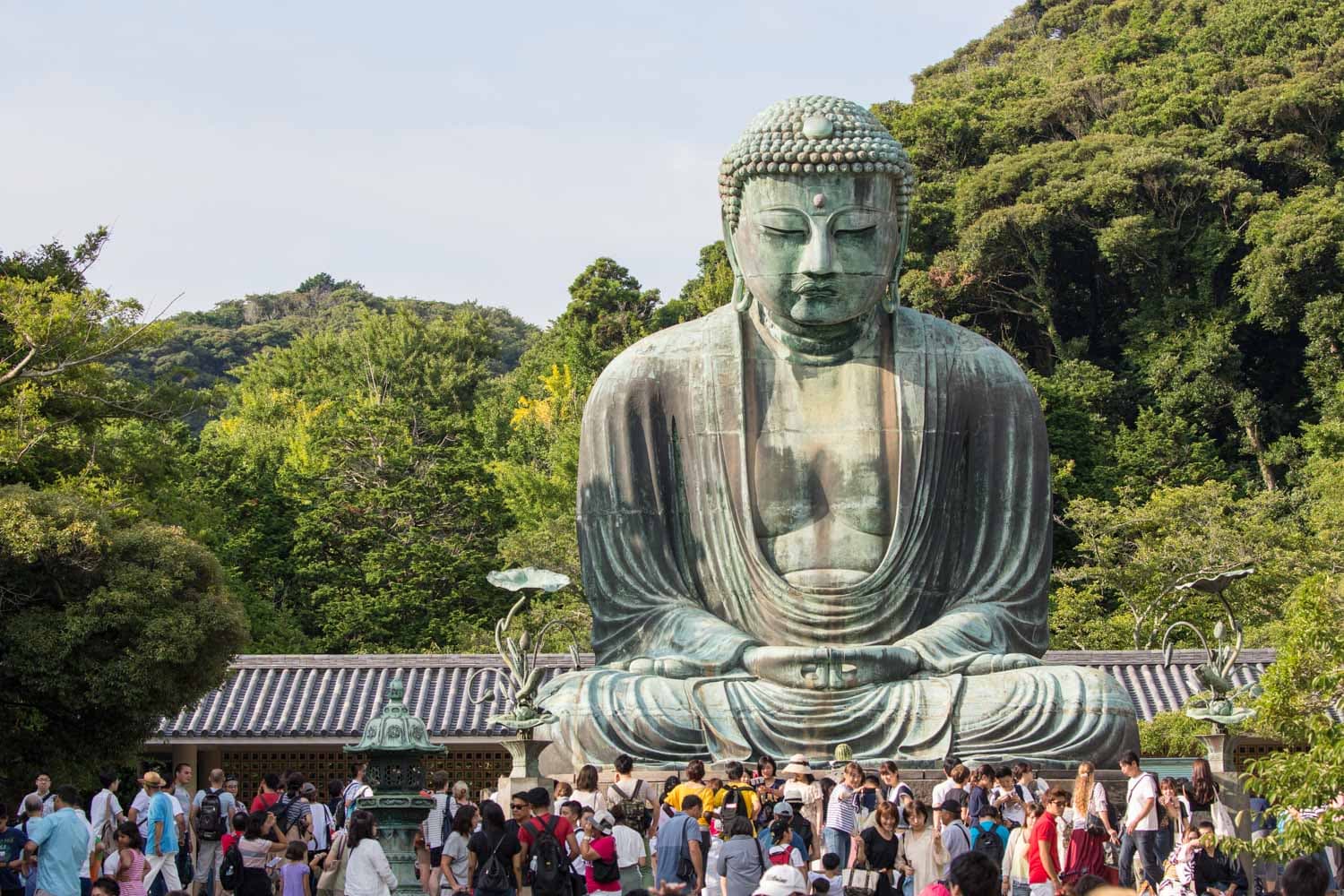
The Hase district, located to the west of the city center, is home to two of Kamakura’s most iconic landmarks. The Daibutsu (Great Buddha) at Kotoku-in is an enduring symbol of Japan. This massive bronze statue of Amida Buddha stands at 13.35 meters and has remained in the open air since the 15th century, when a massive tsunami washed away the hall that originally housed it. Visitors can even pay a small fee to step inside the hollow statue to see the ancient casting marks from within. Nearby lies Hase-dera, a temple renowned for its eleven-headed statue of Kannon and its beautifully tiered gardens. The temple terrace offers panoramic views over the Yuigahama beach, where the rhythmic sound of the waves serves as a natural soundtrack to the temple’s hundreds of small Jizo statues.
The most charming way to reach this area is via the Enoshima Electric Railway (Enoden). This vintage green-and-cream train has been a local fixture for over a century, winding through narrow residential streets where the cars pass within inches of garden fences before bursting out along the Shonan coastline. The stretch of track near Kamakurakoko-mae has become a pilgrimage site for fans of Japanese pop culture and photography, offering iconic views of the sea against the backdrop of the crossing gates. For those with extra time, the Enoden continues all the way to Enoshima, a sacred offshore island known for its sea caves, shrines, and sunset views.
Culinary explorers will find that Kamakura has its own distinct flavor profile. The region is famous for Shirasu (whitebait), often served fresh or boiled over rice bowls. Other local specialties include Kamakura-bori (intricate lacquerware) and snacks made from Ashitaba or purple sweet potato. Many of these can be sampled along the side streets of Komachi-dori, which serves as a vibrant contrast to the quiet, meditative atmosphere of the mountain temples.
Hiking Trails and Seasonal Splendor
Because Kamakura is bordered by hills on three sides, several hiking trails provide an alternative way to navigate the city while avoiding the crowds. The Ten-en Hiking Course (often called the Kamakura Alps) connects Kencho-ji to Zuisen-ji, traversing the highest ridges of the city. The Daibutsu Hiking Course links the Great Buddha in Hase to Kita-Kamakura, passing through lush forests and by the “Money Washing” shrine, Zeniarai Benzaiten, where visitors wash their coins in a spring inside a cave in hopes of doubling their wealth. These trails are relatively easy for those with decent footwear and provide a deeper appreciation for the “fortress” geography that protected the shogun’s capital centuries ago.
Seasonality plays a massive role in the Kamakura experience. The city undergoes a dramatic transformation during mid-November, as the maple and ginkgo trees turn the temple grounds into a sea of red and gold. In June, the rainy season brings the bloom of thousands of hydrangeas (ajisai) at Hasedera and Meigetsu-in, drawing massive crowds. Early spring, of course, belongs to the cherry blossoms, which frame the red torii gates of Hachimangu in delicate pink. Regardless of the month, a weekday visit is highly recommended; the city’s popularity means that weekends can become exceptionally crowded, particularly on the Enoden and within the more famous temple complexes.
| Access Information from Tokyo | ||
|---|---|---|
| Method | Line | Access Details |
| JR Yokosuka Line | Direct from Tokyo/Shinagawa | The most direct route. Takes approx. 55 minutes from Tokyo Station to Kamakura Station. |
| JR Shonan-Shinjuku Line | Direct from Shinjuku/Shibuya | Ideal for those coming from Western Tokyo. Takes approx. 60 minutes to Kamakura Station. |
| Odakyu Railway | Enoshima-Kamakura Free Pass | Includes a round trip from Shinjuku to Fujisawa and unlimited Enoden use. Best for those also visiting Enoshima. |