japanistry.com
Tokyo GuideJLPT GrammarKanji CardsJLPT Quiz
Menu
Tokyo GuideJLPT GrammarKanji CardsJLPT Quiz

© 2026 japanistry.com

BlogContact Us
Harajuku

Harajuku

Western Tokyo

Harajuku (原宿) is the world’s laboratory for youth culture and extreme fashion. It is a neighborhood of jarring contrasts: on one side of the station lies a dense, neon-lit labyrinth of “Kawaii” (cute) aesthetics and rebellious street styles; on the other, a massive, silent forest that houses Tokyo’s most prestigious Shinto shrine. While it remains a mecca for teenagers, Harajuku’s influence on global high fashion, luxury architecture, and contemporary art makes it a mandatory stop for visitors of all ages.

Takeshita Dori: The Kawaii Epicenter

Directly opposite the Takeshita Exit of Harajuku Station is Takeshita Dori, a 400-meter pedestrian artery that serves as the heart of Japan’s teen subcultures. This street is a sensory overload of “Cute-Core,” “Gothic Lolita,” and “Cyber-Punk” styles. It is the birthplace of the Harajuku “Look,” where glitzy establishments peddle clothes at a permanent discount alongside edgy boutiques selling spiked leather and doll-like attire.
Harajuku Takeshita Dori
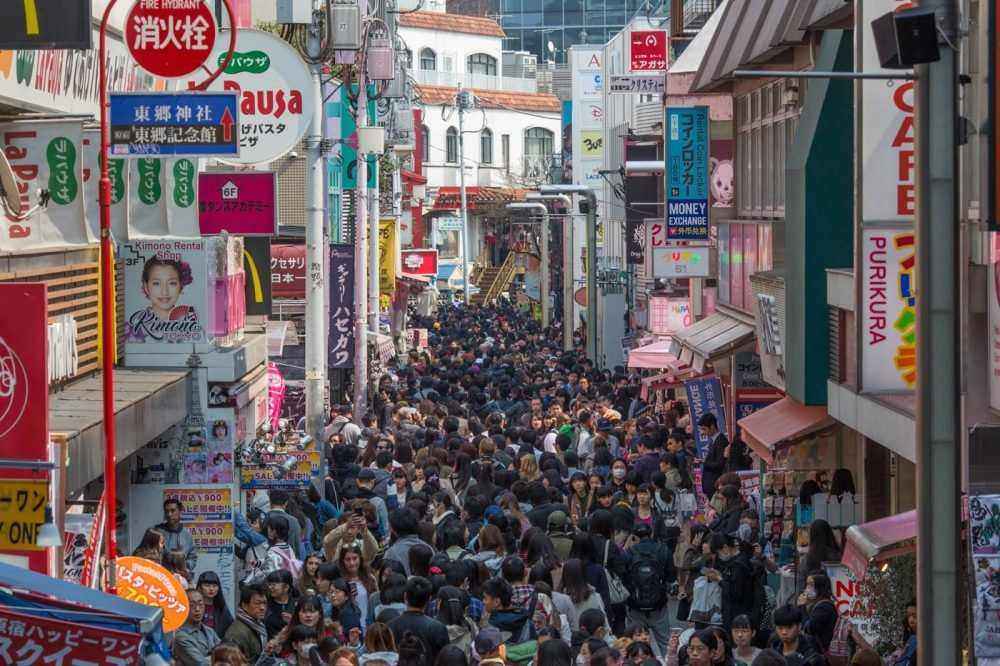
Looking down the iconic, crowded stretch of Takeshita Dori on a typical afternoon.

The food on Takeshita Dori is as much a fashion statement as the clothes. While the area is synonymous with Marion Crepes (which sparked the district’s crepe craze in the late 1970s), modern visitors flock here for “rainbow” grilled cheese, skyscraper-sized cotton candy, and the ever-popular character cafes. Despite its “youths-only” reputation, the sheer energy of the street is an essential Tokyo experience.

Meiji Jingu: The Forest Sanctuary

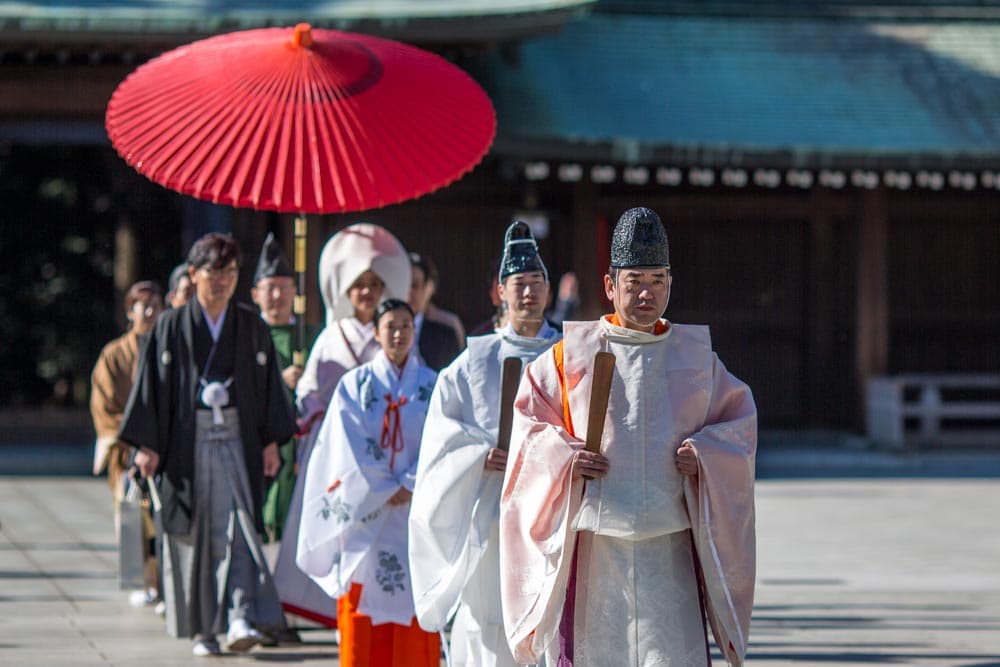
For an immediate escape from the neon chaos, a three-minute walk leads to the massive wooden torii gate of Meiji Jingu. Dedicated to Emperor Meiji and Empress Shoken, this shrine is nestled within a man-made forest of 100,000 trees donated from across Japan. The gravel path leads to a serene courtyard where traditional Shinto weddings are a common sight. Don’t miss the Sake Barrels—a vibrant wall of decorated casks donated by breweries across the country as a spiritual offering.

Ura-Harajuku: The “Backstreet” Engine

While the crowds swarm Takeshita Dori, those “in the know” head to Ura-Harajuku (commonly called Ura-Hara). This maze of quiet residential backstreets is the creative engine of Tokyo. It is here that global streetwear giants like A Bathing Ape and Undercover got their start. The area is defined by independent galleries, vintage clothing stores, and niche designer showrooms. Ura-Hara is where the “real” fashionistas shop, away from the mass-market glare of the main strips.

Omotesando: The Champs-Élysées of Tokyo

Running perpendicular to Harajuku is Omotesando, a grand, zelkova-lined boulevard that represents the high-end side of the district. This is the realm of luxury flagships and world-class architecture. Landmarks include Omotesando Hills (designed by Tadao Ando) and the “kaleidoscope” mirrored entrance of Tokyu Plaza. This street bridges the gap between the youth-centric Harajuku and the upscale Aoyama district, offering some of the best people-watching and window-shopping in the capital.

Sunday Culture: Yoyogi Park and Cosplay

Sunday remains the most vibrant day to visit. While the famous “Cosplay Bridge” (Jingu-bashi) has seen fewer costumed teenagers in recent years, the spirit of self-expression has moved into Yoyogi Park. On any given Sunday, you can find the legendary Rockabilly Dancers in leather jackets and pompadours performing to 1950s rock and roll, alongside drum circles, gothic-lolita gatherings, and seasonal festivals. The park serves as Tokyo’s “common room,” a place where the city’s rigid social rules are temporarily suspended.

Logistics and Access

Harajuku is a walkable district that rewards exploration. The newly renovated Harajuku Station (opened in 2020) provides streamlined access, but for a more scenic arrival, you can walk from Meiji-jingumae Station or take the 15-minute stroll from Shibuya via the “Cat Street” pedestrian path.

Station Line(s) Best For…
Harajuku (JR) Yamanote Line Takeshita Dori, Meiji Jingu, Yoyogi Park
Meiji-jingumae Chiyoda, Fukutoshin Lines Omotesando, Tokyu Plaza, Laforet
Omotesando Ginza, Hanzomon, Chiyoda Luxury shopping, Aoyama border

To maximize your day, we recommend visiting Meiji Jingu early in the morning for peace, braving Takeshita Dori before the 2:00 PM peak, and ending your afternoon with a coffee in the creative backstreets of Ura-Harajuku.
See & Do

Events

Share this page
XFacebookLINEWhatsAppReddit
Follow us on Facebook
Shopping
Shibuya Scramble Square
Shopping

Shibuya Scramble Square

A Tokyo skyscraper with an open-air rooftop observation deck.
Read →
Shopping
Rayard Miyashita Park Shopping Mall
Shopping

Rayard Miyashita Park Shopping Mall

A four-story facility with retail, a hotel, and rooftop park.
Read →
Shopping
Daikanyama T-Site
Shopping

Daikanyama T-Site

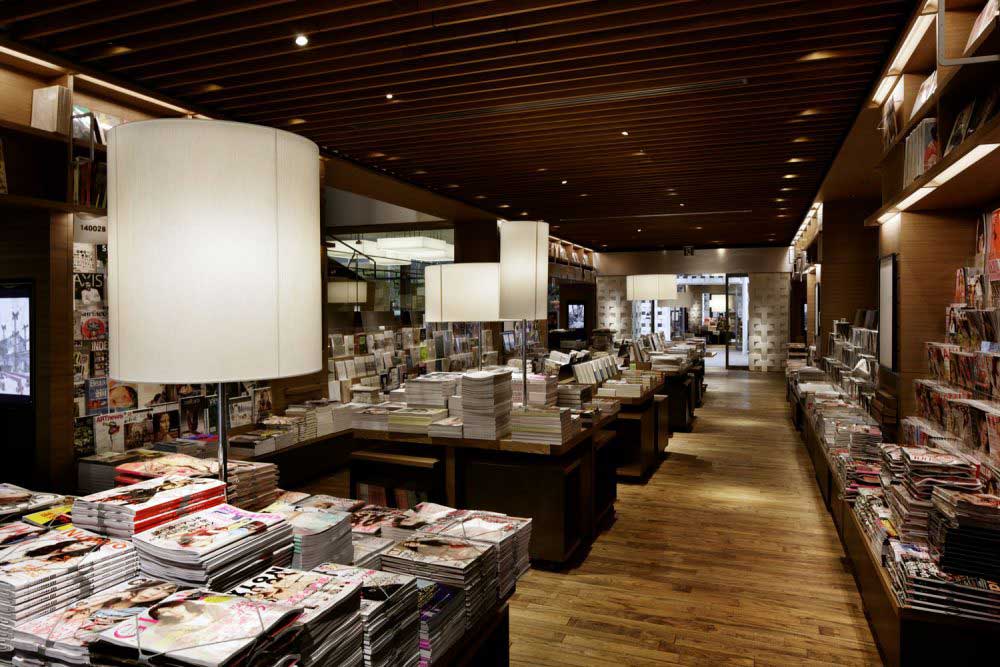
A multi-building complex with a bookstore, lounge, and shops.
Read →
Shopping
Yebisu Garden Place
Shopping

Yebisu Garden Place

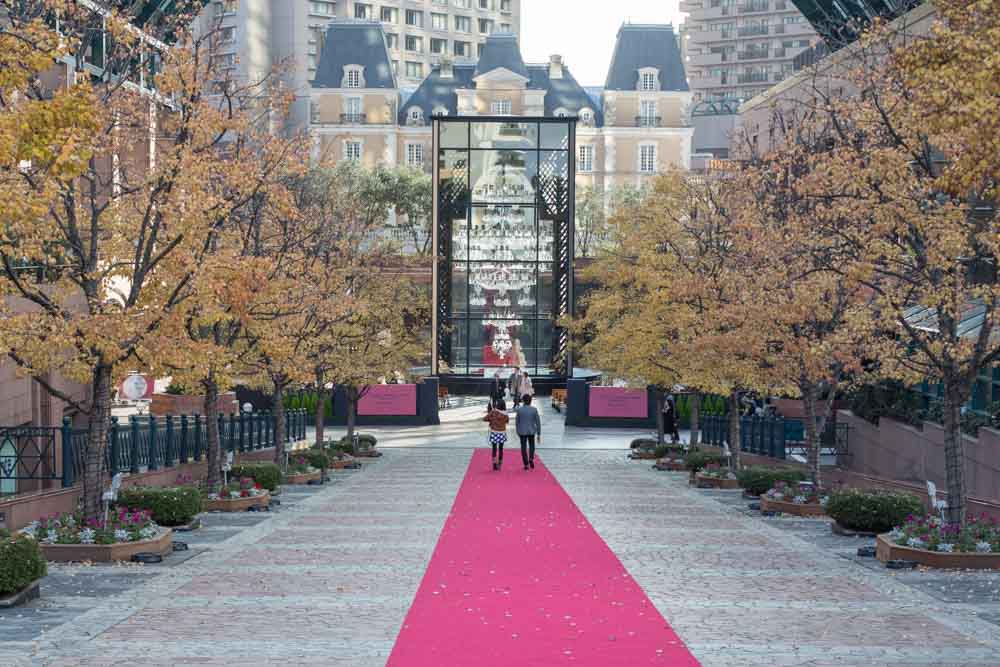
A redeveloped brewery site with dining, museums, and shops.
Read →
Shopping
Tokyu Hands Shibuya
Shopping

Tokyu Hands Shibuya

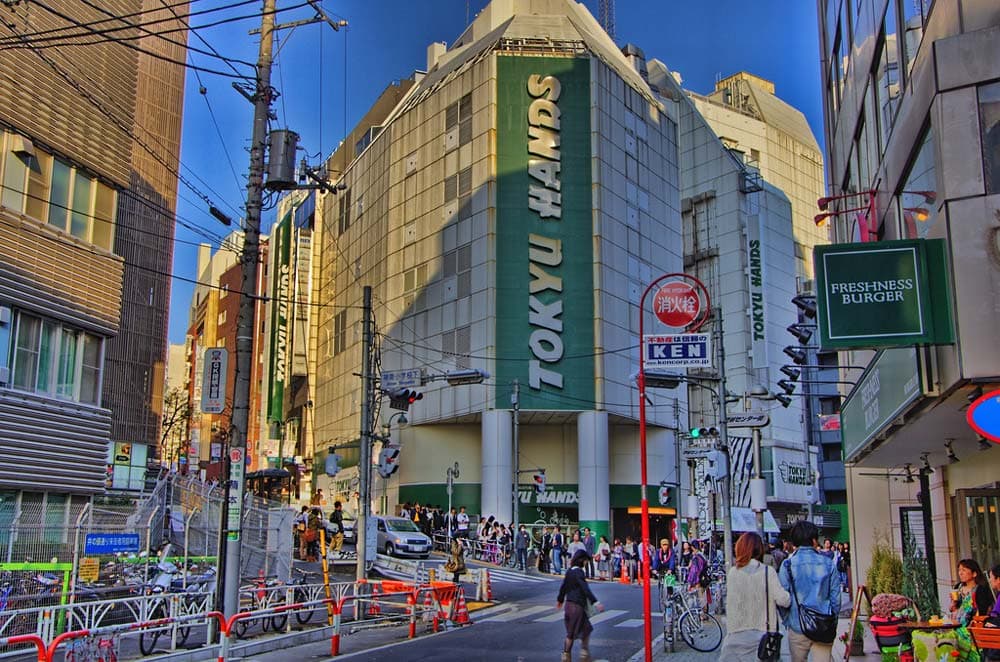
A multi-level store in Shibuya for tools and lifestyle goods.
Read →
Shopping
Mega Don Quijote
Shopping

Mega Don Quijote

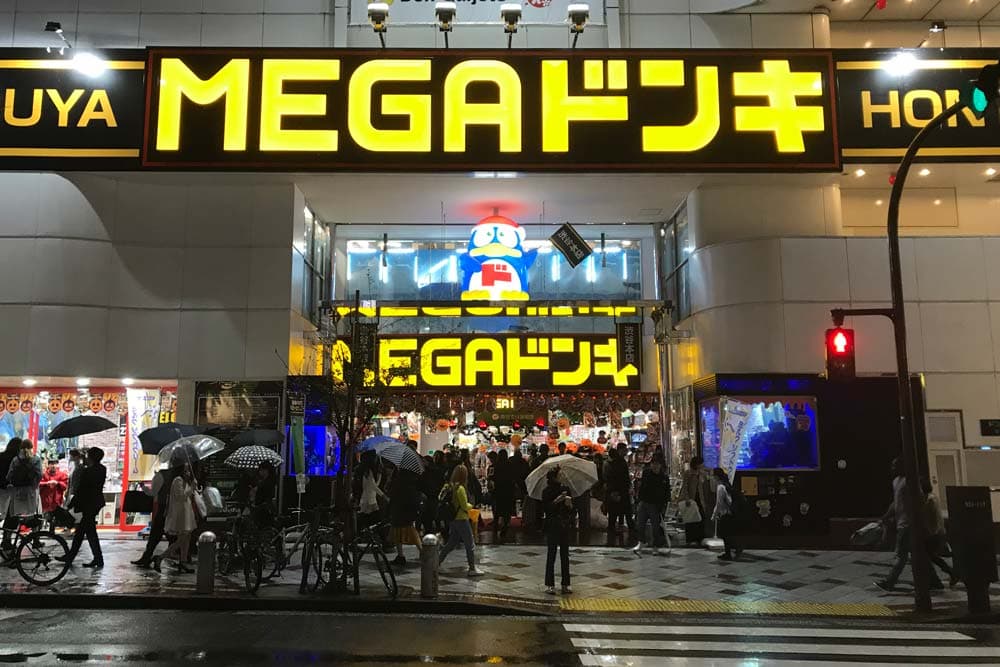
A seven-story, 24-hour discount store in Shibuya, Tokyo.
Read →
Shopping
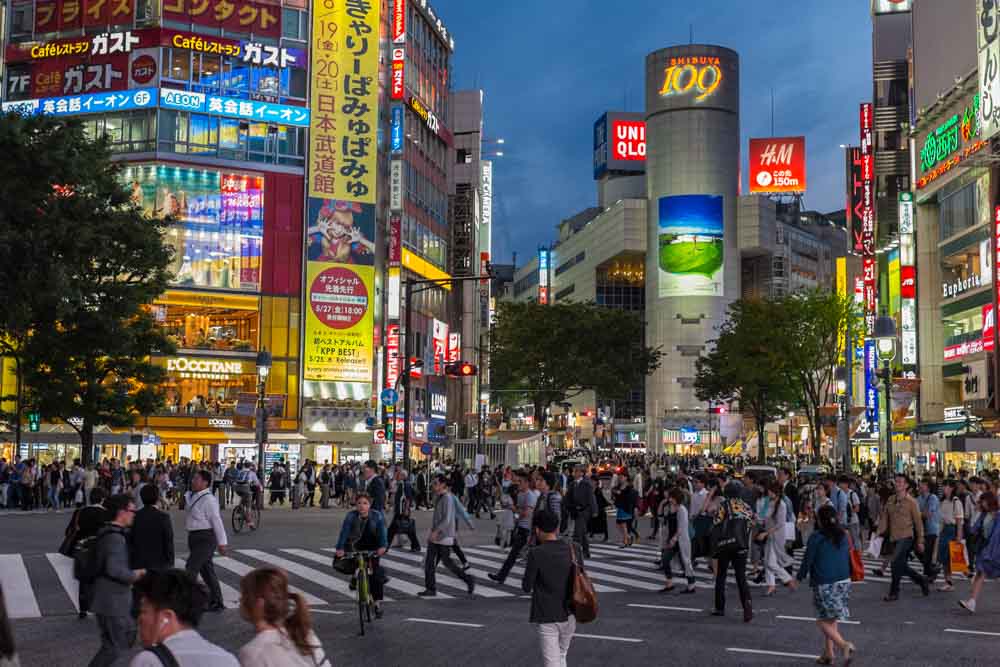
Shibuya 109
Shopping

Shibuya 109

A Tokyo department store for youth fashion and subcultures.
Read →
Shopping
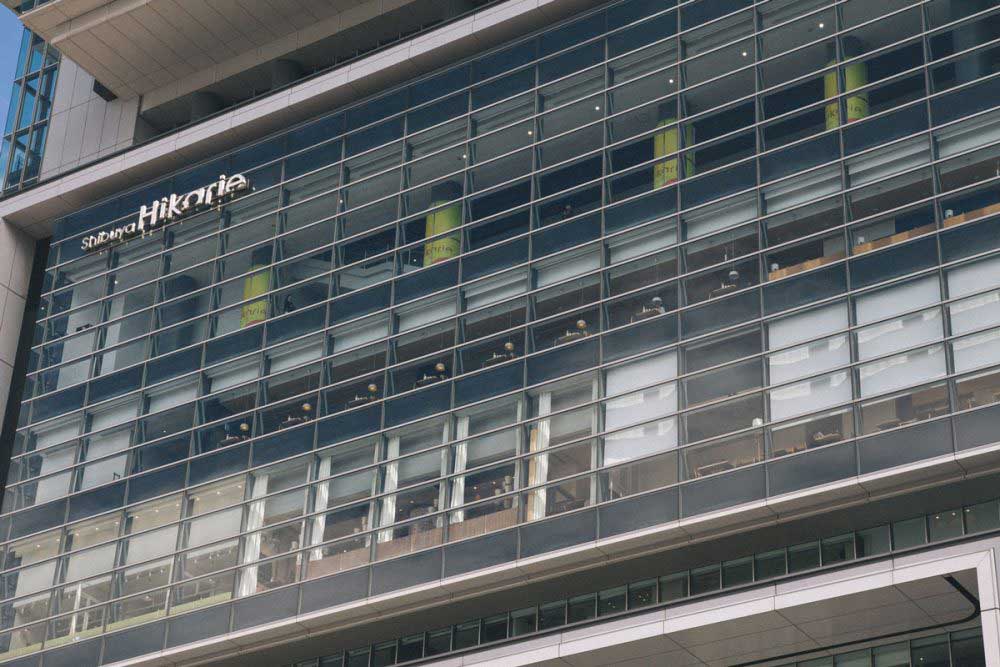
Hikarie
Shopping

Hikarie

A mixed-use skyscraper with retail, cultural venues, and views.
Read →
Historic Sites
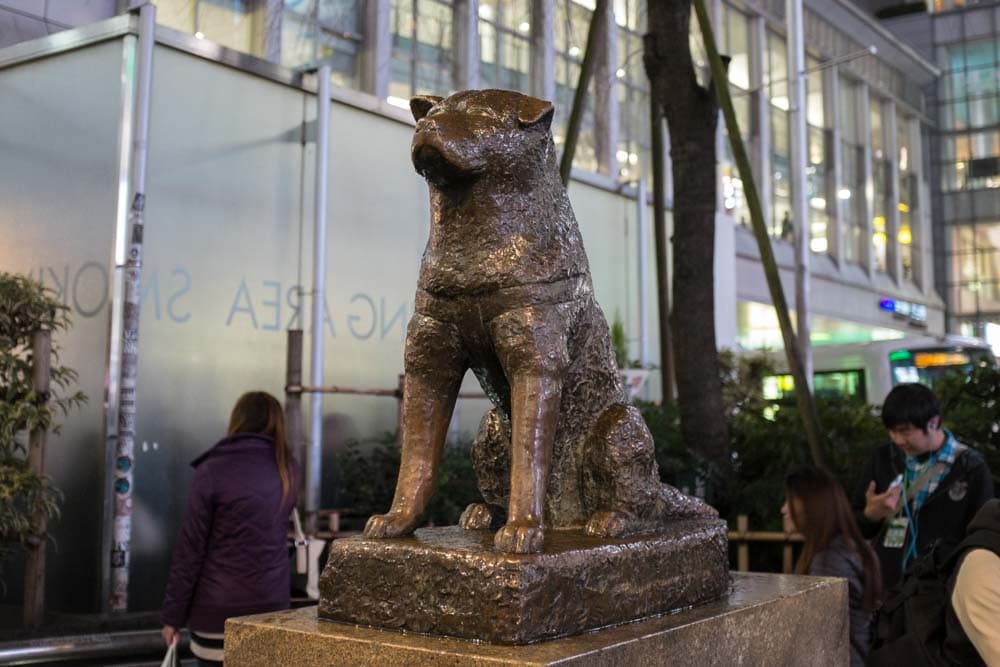
Hachiko Memorial Statue
Historic Sites

Hachiko Memorial Statue

A landmark honoring a dog's unwavering loyalty in Tokyo.
Read →
Museums & Galleries
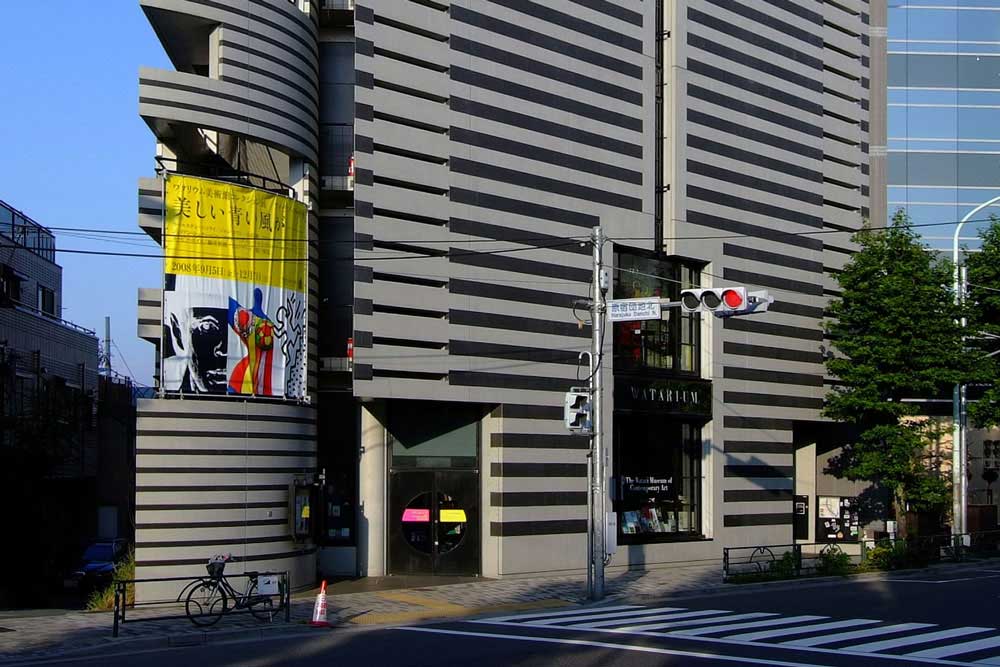
Watari-Um: The Watari Museum of Contemporary Art
Museums & Galleries

Watari-Um: The Watari Museum of Contemporary Art

A Tokyo museum for temporary contemporary art exhibitions.
Read →
Museums & Galleries
Ota Memorial Museum of Art
Museums & Galleries

Ota Memorial Museum of Art

A specialized Tokyo museum with rotating ukiyo-e print exhibits.
Read →
Eat & Drink
Nonbei Yokocho
Eat & Drink

Nonbei Yokocho

A historic Shibuya alley lined with dozens of tiny bars.
Read →
← Prev
Ebisu Ekimae Bon Odori 2026
Fri, July 31, 2026

Ebisu Bon Odori

This Tokyo Bon Odori festival features synchronized folk dancing and taiko drumming. Participants dance around a central yagura tower at the West Exit of Ebisu Station.
Ebisu, Shibuya
Japanese Festivals
Harajuku Super Yosakoi 2026
Aug 29–30, 2026

Harajuku Super Yosakoi

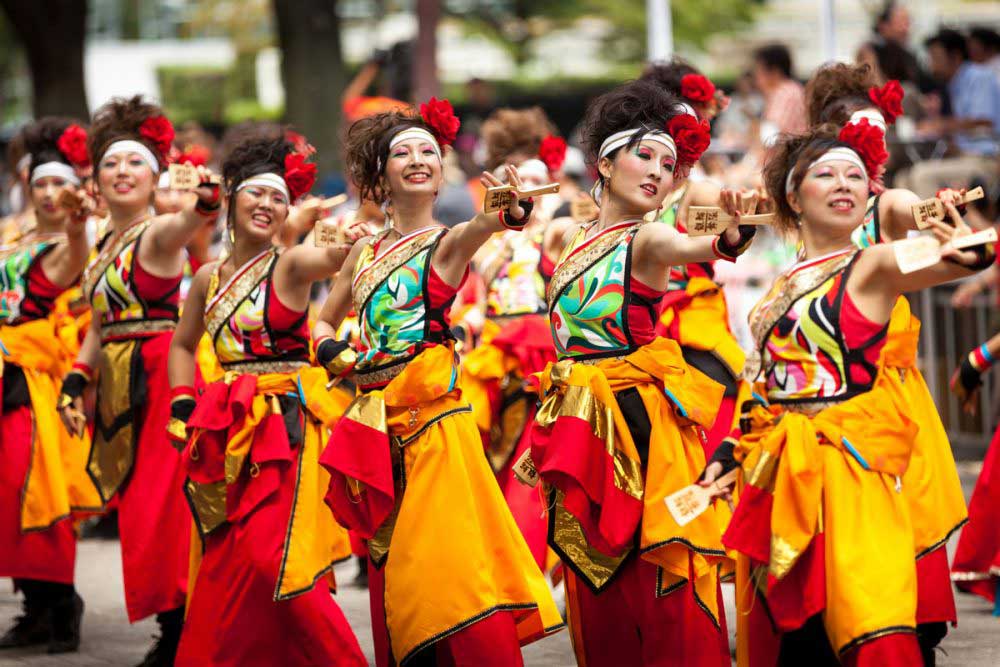
A Yosakoi dance festival in Tokyo, this event features about 100 teams and 5,000 dancers performing in the Harajuku and Omotesando areas over a weekend.
Harajuku, Shibuya
Japanese Festivals
Hatsudai Awa Odori Festival 2026
Mid September 2026

Hatsudai Awa Odori Festival

An Awa Odori dance festival is held in Tokyo’s Shibuya Ward in late September. Over 1,000 dancers perform on the Fudo-dori shopping street.
Hatsudai, Shibuya
Japanese Festivals
Tokyo Philippine Festival 2026
Late November 2026

Philippine Festival

The Philippine Festival in Tokyo celebrates Filipino culture with stage performances and food stalls that offer traditional dishes, products, and services.
Yoyogi Park (Events Area), Shibuya
International
Spring Love Harukaze Music Festival 2027
Mid March 2027

Spring Love Harukaze Music Festival

An outdoor music and art festival in Tokyo’s Yoyogi Park, Spring Love Harukaze includes live music, art, and vendors with an environmental and community focus.
Yoyogi Park (Events Area), Shibuya
Music & Film
Wanwan Carnival 2027
Early April 2027

Wanwan Carnival

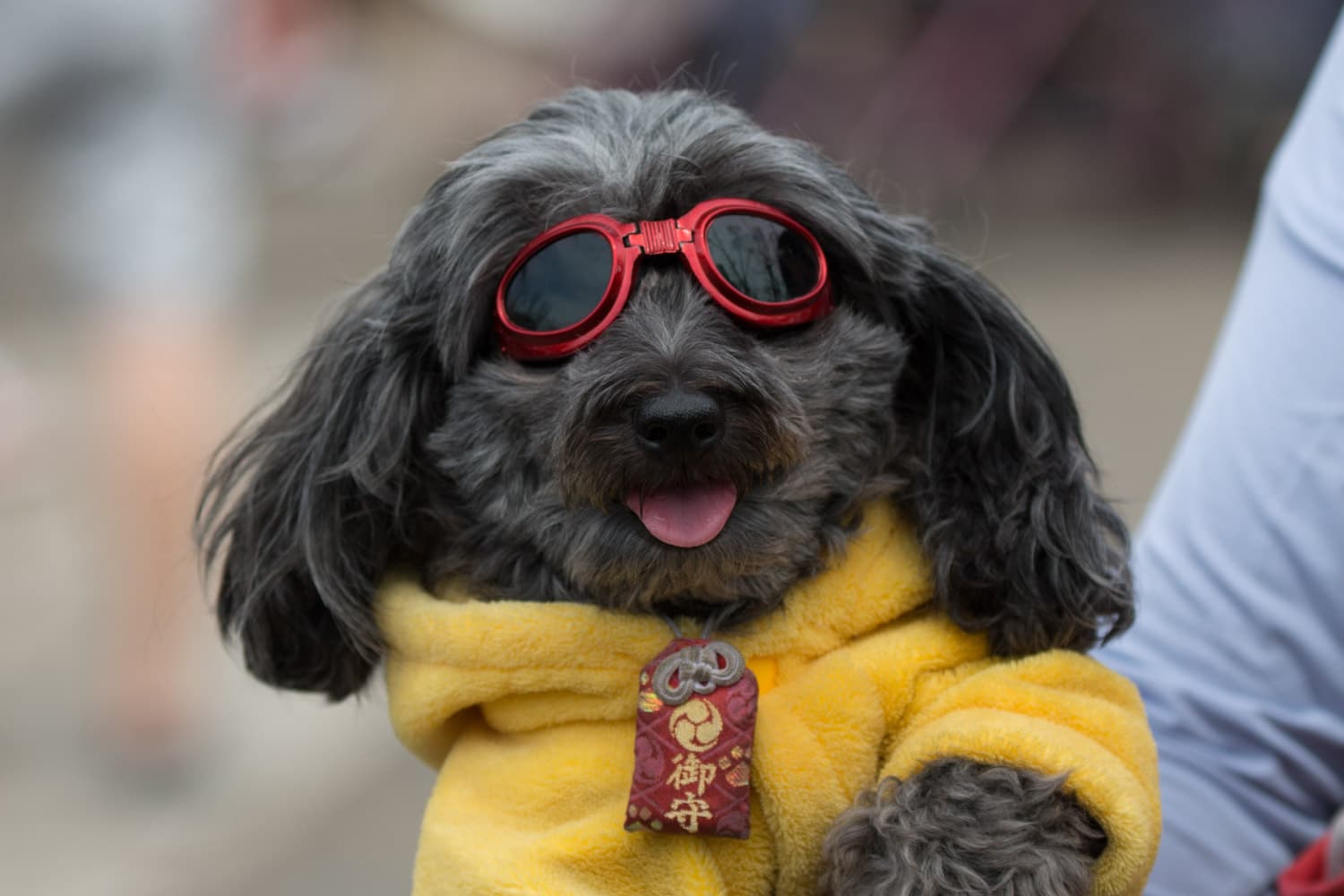
Wanwan Carnival is a vibrant outdoor festival in Yoyogi Park dedicated entirely to dogs and their owners. The weekend event features lively activities like the ...
Yoyogi Park (Events Area), Shibuya
Shows & Exhibitions
Meiji Jingu Spring Grand Festival 2027
Apr 29 – May 3, 2027

Meiji Jingu Spring Grand Festival

A spring festival in Tokyo, the Meiji Jingu Grand Festival presents traditional Japanese performances, including Bugaku dance, Noh theater, and martial arts demonstrations.
Meiji Shrine, Shibuya
Japanese Festivals
Cambodia Festival 2027
May 3–4, 2027

Cambodia Festival

A cultural festival in Tokyo, the Cambodia Festival offers Cambodian food, crafts, and dance performances. It serves to strengthen relations between Japan and Cambodia.
Yoyogi Park (Events Area), Shibuya
International
Thai Festival 2027
Early May 2027

Thai Festival

A cultural festival in Tokyo, the Thai Festival features authentic cuisine, handicrafts, and stage performances. The large annual event showcases a broad spectrum of Thai culture.
Yoyogi Park (Events Area), Shibuya
International
Okinawa Festival 2027
Mid May 2027

Okinawa Festival

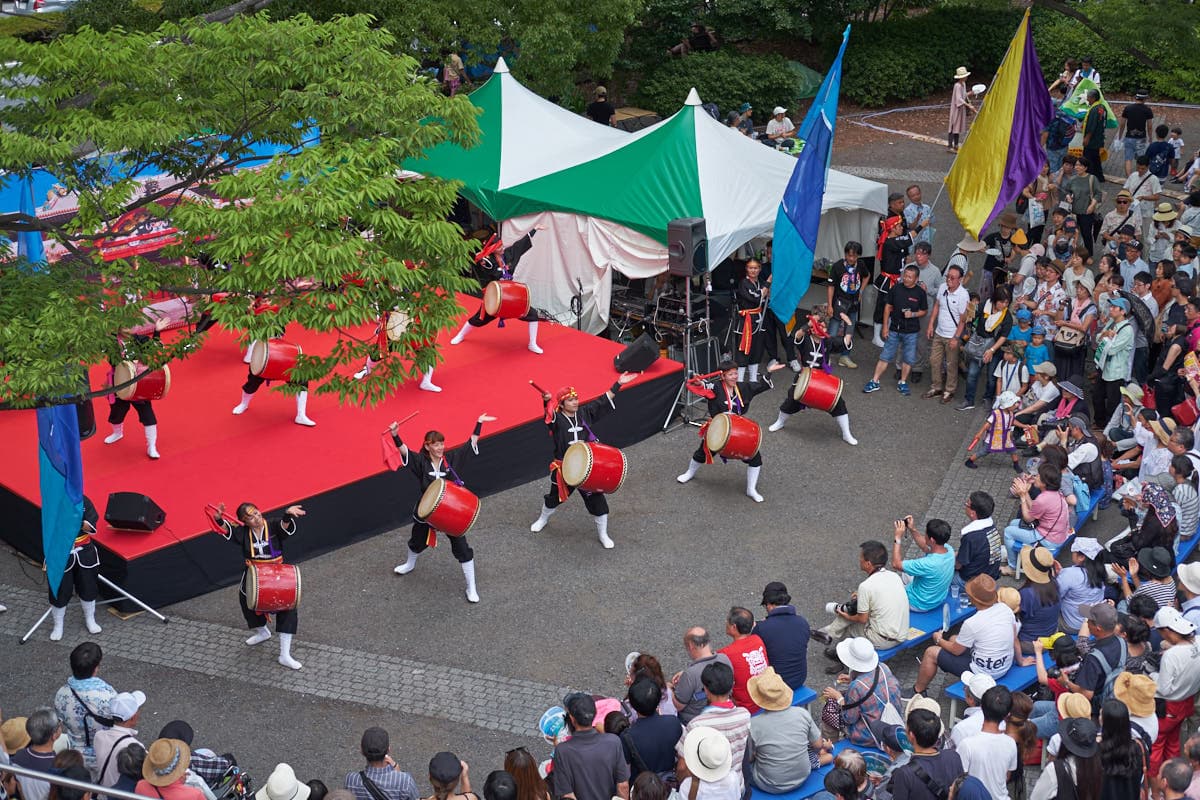
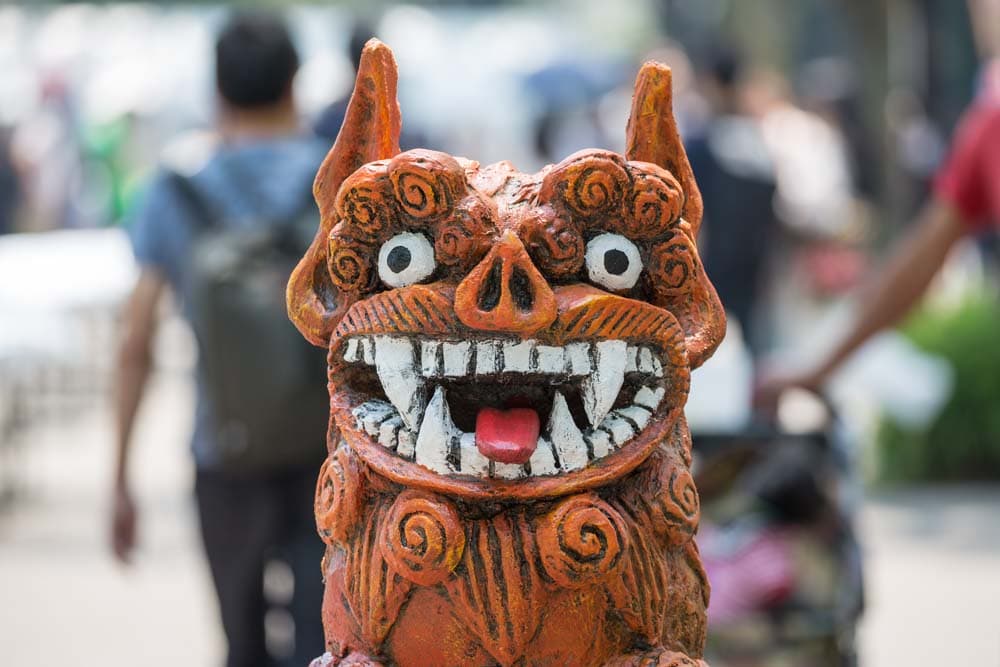
A cultural festival in Tokyo, the Okinawa Festival celebrates Ryukyuan heritage with traditional food, music, and dance performances at Yoyogi Park.
Yoyogi Park (Events Area), Shibuya
Japanese Festivals
Shibuya-Kagoshima Ohara Matsuri 2027
Mid May 2027

Shibuya-Kagoshima Ohara Matsuri

A Tokyo dance parade, this festival features 2,500 performers in a synchronized procession through Shibuya each May to celebrate Kagoshima culture with traditional folk dances.
Shibuya, Shibuya
Japanese Festivals
Laos Festival 2027
Late May 2027

Laos Festival

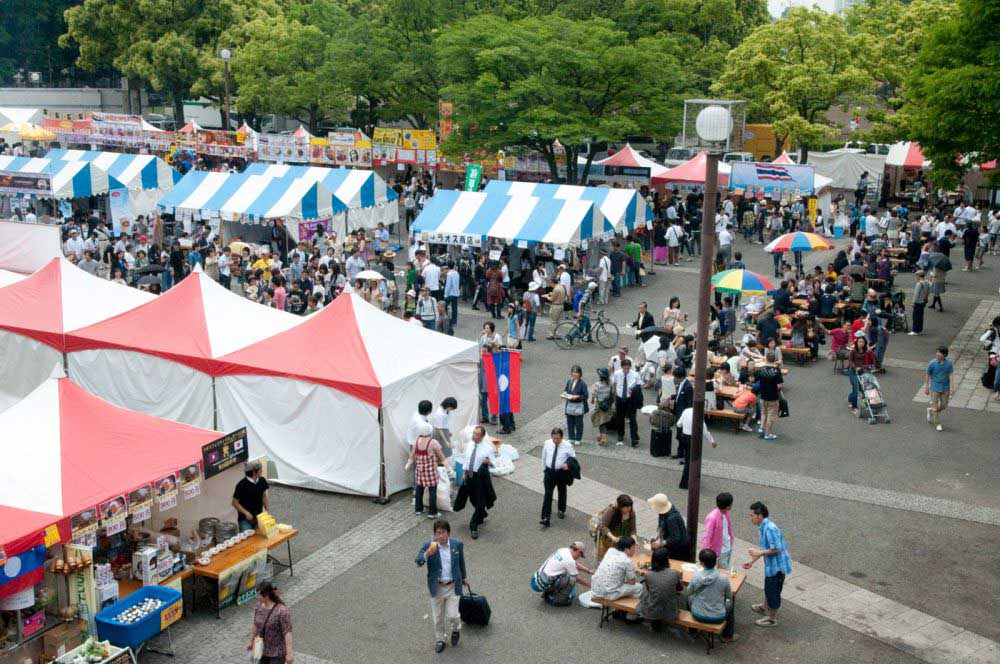
A biennial festival in Tokyo, the Laos Festival features traditional Lao food, music, and dance.
Yoyogi Park (Events Area), Shibuya
International