Kagurazaka
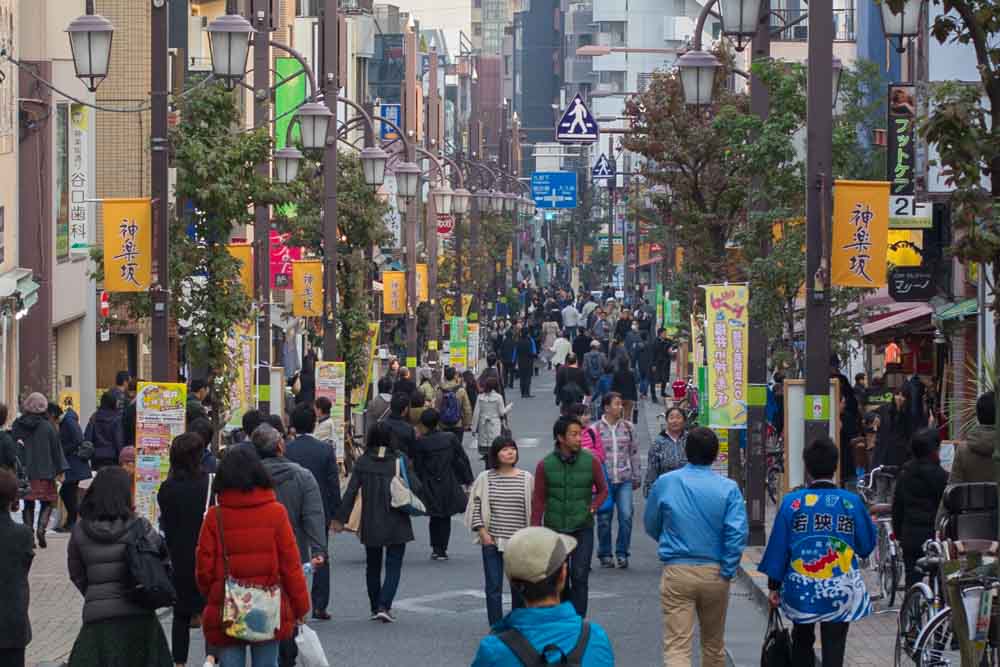
With its privileged location overlooking the outer moat of the Tokyo Imperial Palace, Kagurazaka (神楽坂) serves as a resolute guardian of Tokyo’s sophisticated past. Originally a sanctuary for the affluent during the Edo Period, its name—translating to “Music Slope”—reflects a high-fidelity history of Shinto festivals and artistic performance. While much of the capital has succumbed to high-rise uniformity, Kagurazaka has preserved its labyrinthine backstreets and its storied identity as one of the city’s most prestigious pleasure quarters. Today, it remains one of Tokyo’s six active hanamachi (flower towns), bridging the gap between ancient performance and modern high-stakes negotiation hidden within the ryotei—exclusive, high-end restaurants that act as a sophisticated sanctuary for the nation’s elite.
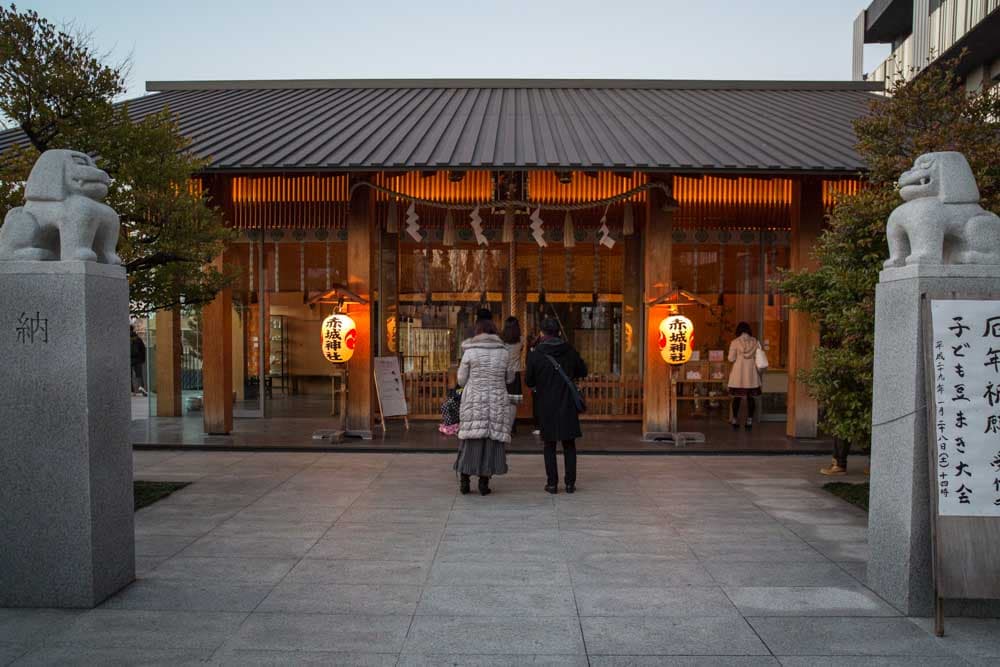
The neighborhood’s evolution took a continental turn in the mid-20th century with the establishment of the Institut Français du Japon – Tokyo, bringing a wave of French influence that created a unique cultural vibe. Today, traditional tea houses sit alongside Parisian-style bakeries and wine bistros, creating a high-functioning fusion where the scent of fresh baguettes mingles with roasted green tea from century-old vendors. This “Little Paris” atmosphere serves as the backdrop for modern landmarks like Akagi Shrine at the top of the slope. Completely redesigned by the legendary architect Kengo Kuma, the shrine is a masterpiece of technical ingenuity, utilizing glass and warm wood to prove that Shinto spaces can evolve for the 21st century without losing their spiritual resonance.
The Labyrinthine Charm of the Modern Music Slope
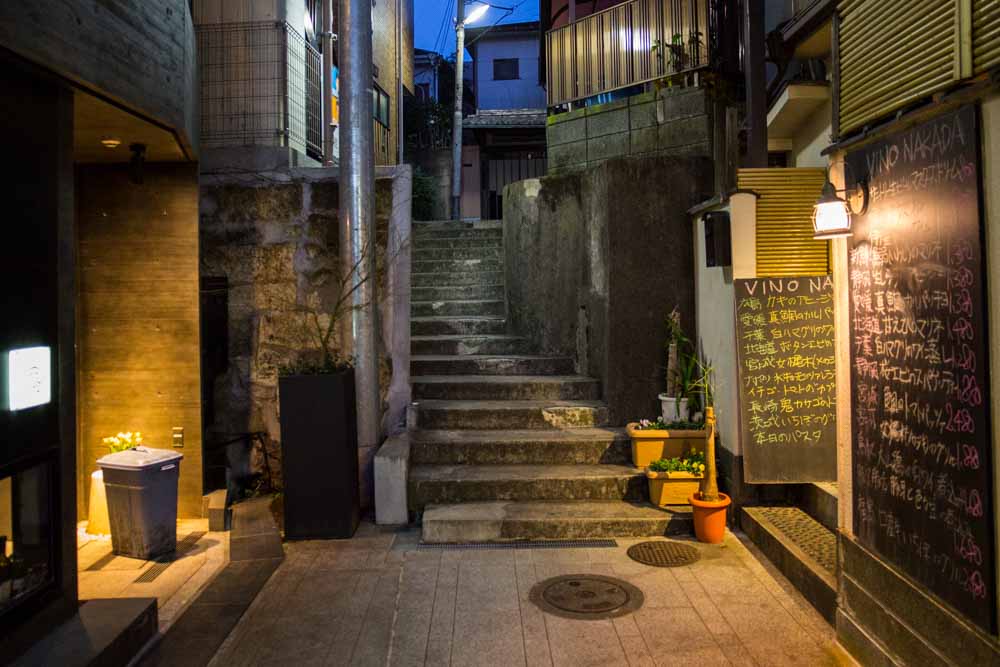
The true magic of the district is found by leaving the main thoroughfare to explore the yokocho (side alleys). These narrow, stone-paved paths, such as the photogenic Hyogo-yokocho and the secluded Kakurenbo-yokocho (“Hide-and-Seek Alley”), provide a high-value architectural lull in the heart of the city. These routes were historically designed to protect the privacy of the quarter’s patrons, and they continue to offer a sense of deep seclusion. Navigating this area also involves encountering the “Reverse Slope” traffic rule—a piece of technical ingenuity where the one-way direction of Waseda Dori changes depending on the time of day to accommodate commuter flow.
The district remains best explored on foot to fully appreciate the high-fidelity details of its stone walls and hidden doorways. Starting at Kagurazaka Station (Tozai Line) at the top of the hill allows for a leisurely stroll downward toward Iidabashi Station. This route ensures that the gravity of the slope pulls you naturally into the hidden alleys, allowing for a sophisticated journey through one of Tokyo’s most remarkably preserved and culturally diverse neighborhoods.