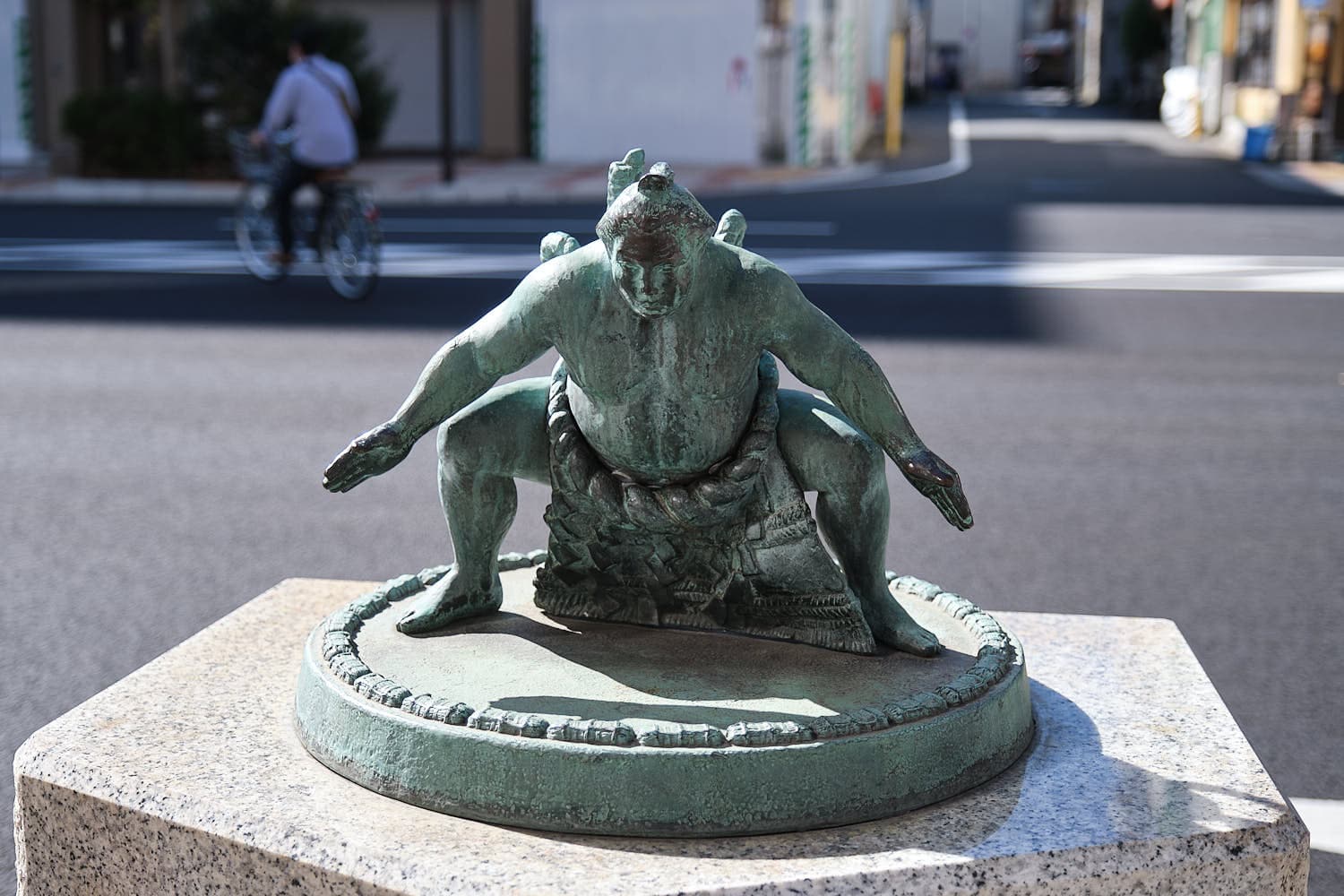
Ryogoku
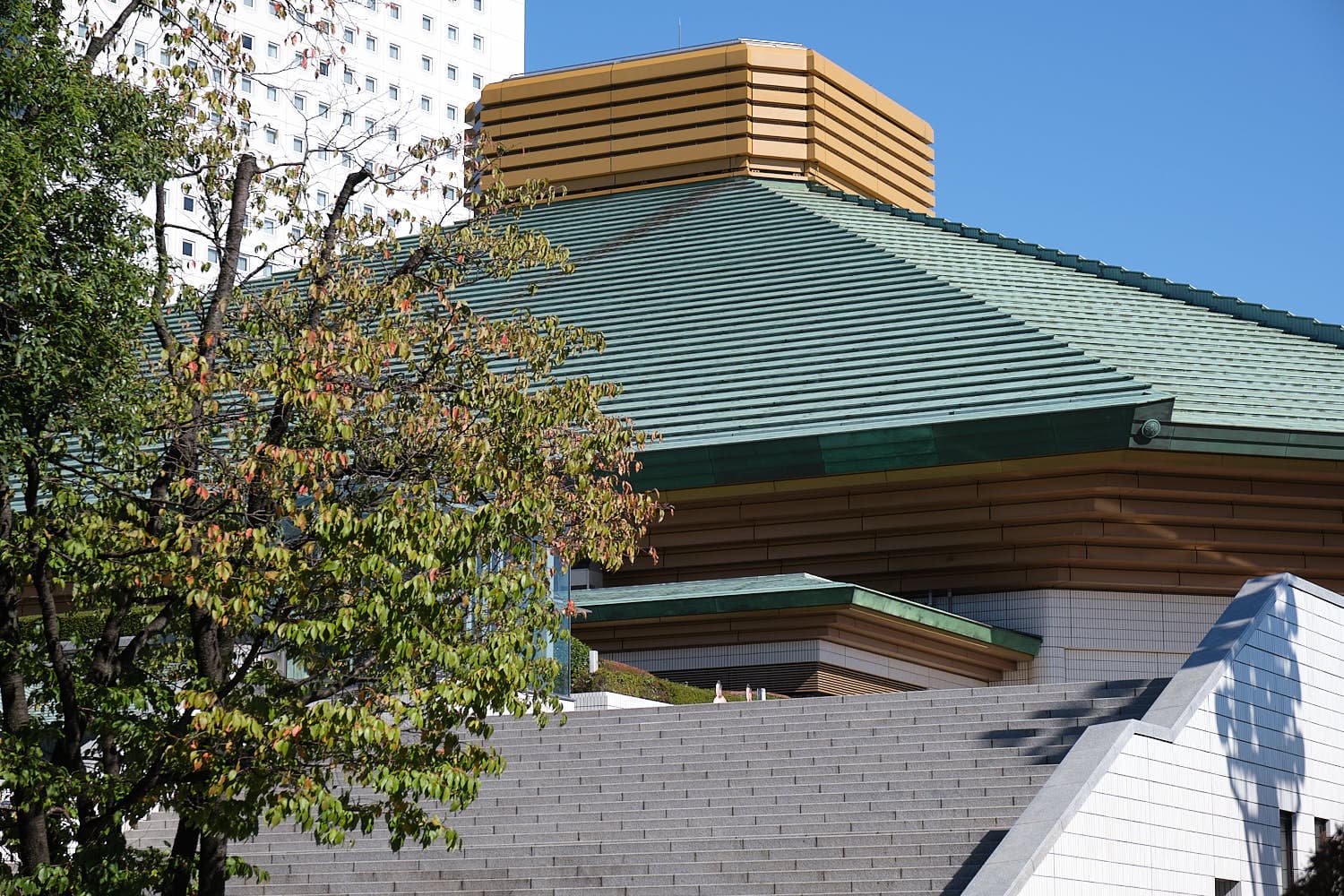
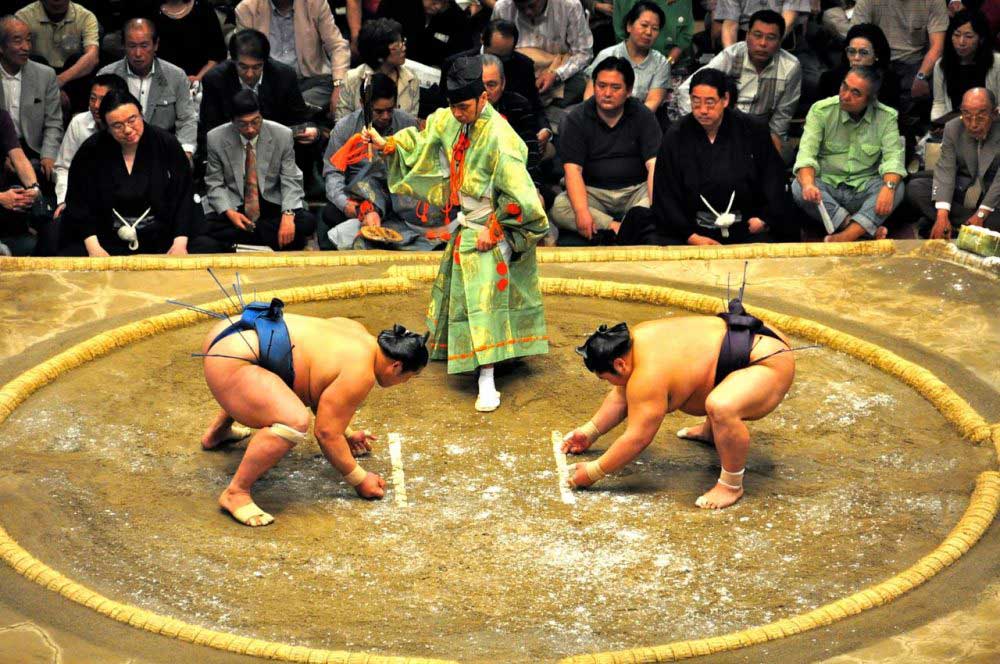
Ryogoku (両国) is the undisputed home of Sumo in Japan. Located on the eastern bank of the Sumida River, it is a district where history feels physical; it is common to see massive wrestlers in traditional yukata cycling through the backstreets or catch the scent of simmering stew wafting from the neighborhood stables. Beyond the wrestling ring, Ryogoku is a deep well of Japanese culture, serving as the birthplace of the artist Hokusai and the final stage for the legendary “47 Ronin” vendetta. The spiritual and literal center of this district is the Ryogoku Kokugikan. This massive arena hosts three of the six annual honbasho (official tournaments) in January, May, and September. Even when a tournament is not in session, the building’s Sumo Museum offers a fascinating look at the sport’s Shinto roots, showcasing historical ranking captures (banzuke) and the ornate silk aprons (kesho-mawashi) worn by the champions.
The backstreets of Ryogoku act as a resolute guardian of this tradition, housing many Sumo Stables (heya) where wrestlers live and train. While these are private residences, some allow visitors to observe early morning practice (asa-geiko), a high-value experience that requires strict silence and etiquette. For those who prefer a more casual encounter, simply walking through the neighborhood often results in sightings of the wrestlers heading to local bathhouses. This living history provides a perfect “vibe” for those seeking the technical ingenuity of Japan’s oldest sport before transitioning into the district’s storied artistic and architectural landmarks.
Artistic Heritage and the Pillars of Edo History
Ryogoku’s other great claim to fame is its connection to Katsushika Hokusai, the world-renowned ukiyo-e artist who created The Great Wave off Kanagawa. Hokusai was born in this district and spent most of his 90-year life here, a legacy celebrated by the Sumida Hokusai Museum. Housed in a striking, angular modern building designed by Kazuyo Sejima, the museum features high-quality replicas and rotating original prints, providing an immersive look at how the scenery of Ryogoku and the Sumida River inspired his most famous works.
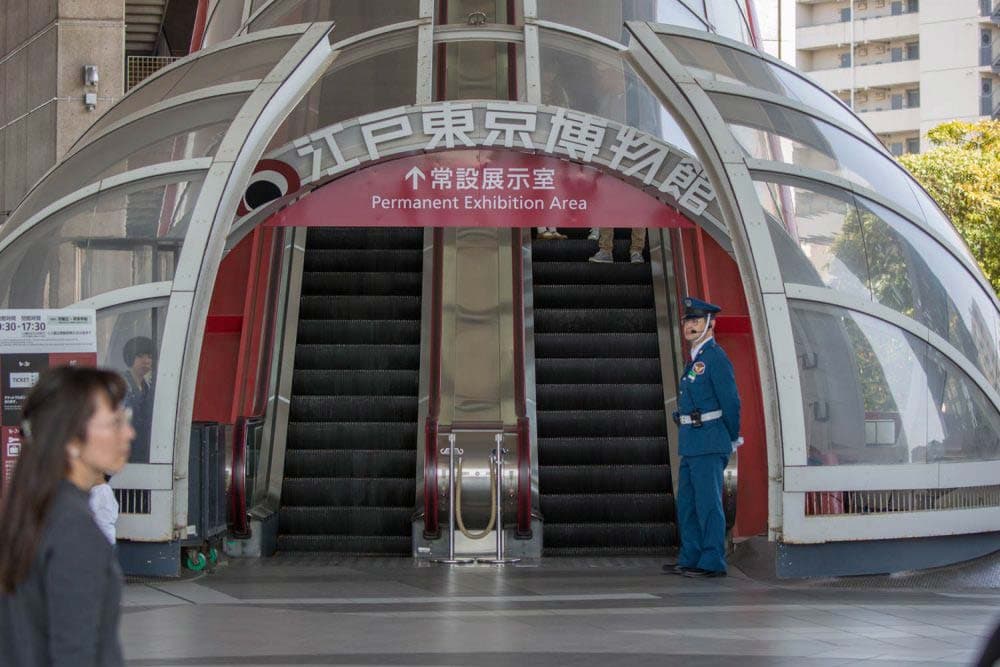
Just a short walk away, the Edo-Tokyo Museum stands as a landmark of the district, easily recognizable by its unique architectural design that resembles an elevated warehouse. Inside, the museum offers a sprawling, interactive journey through 400 years of the capital’s history. The centerpiece is a full-scale reconstruction of the original wooden Nihombashi Bridge, which visitors can cross to enter a world of recreated Kabuki theaters and Meiji-era homes. For a grittier look at history, the Kira Residence marks the spot where the 47 Ronin carried out their famous raid in 1703 to avenge their fallen master, serving as an architectural lull and a place of pilgrimage for those who admire the samurai code of bushido.
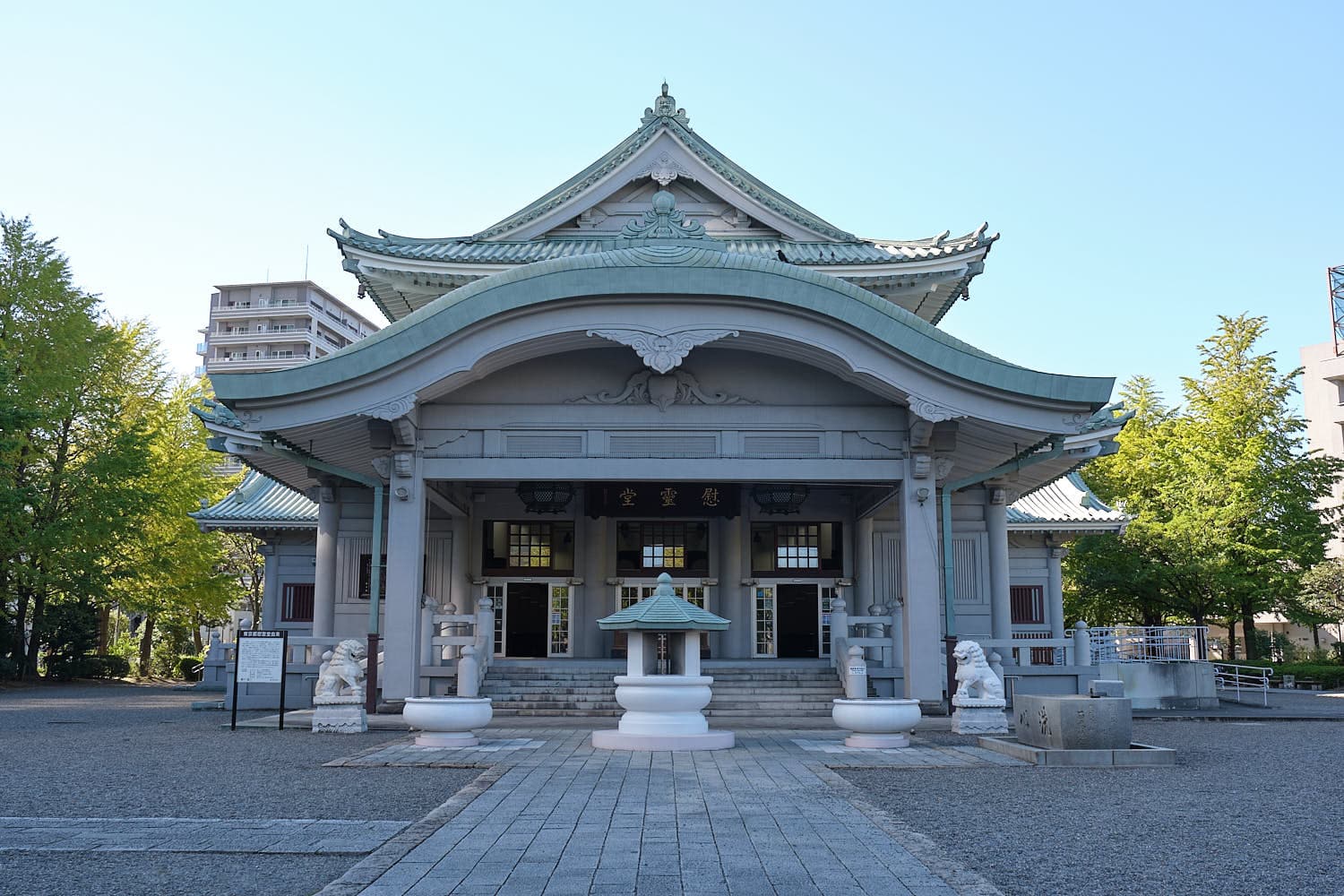
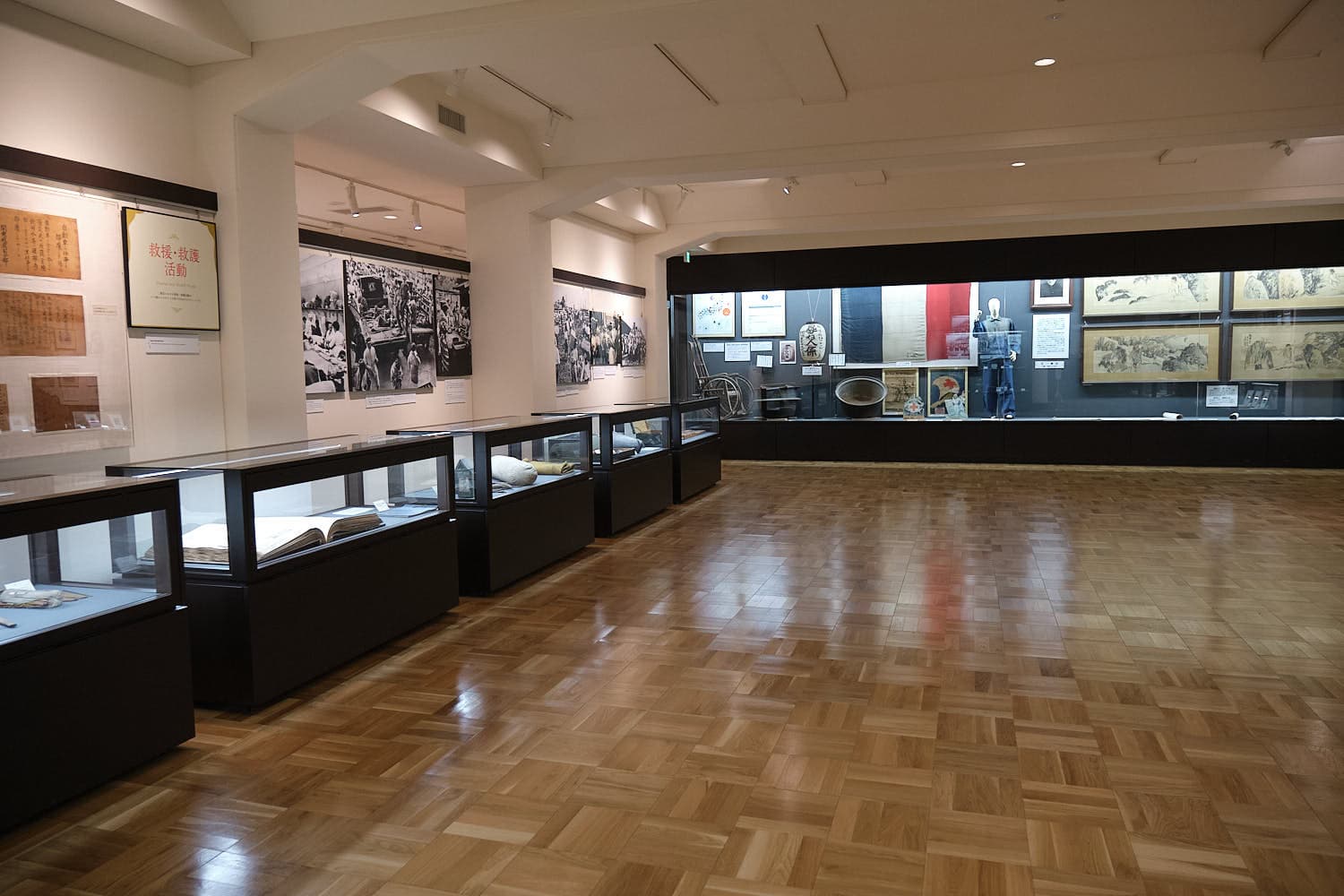
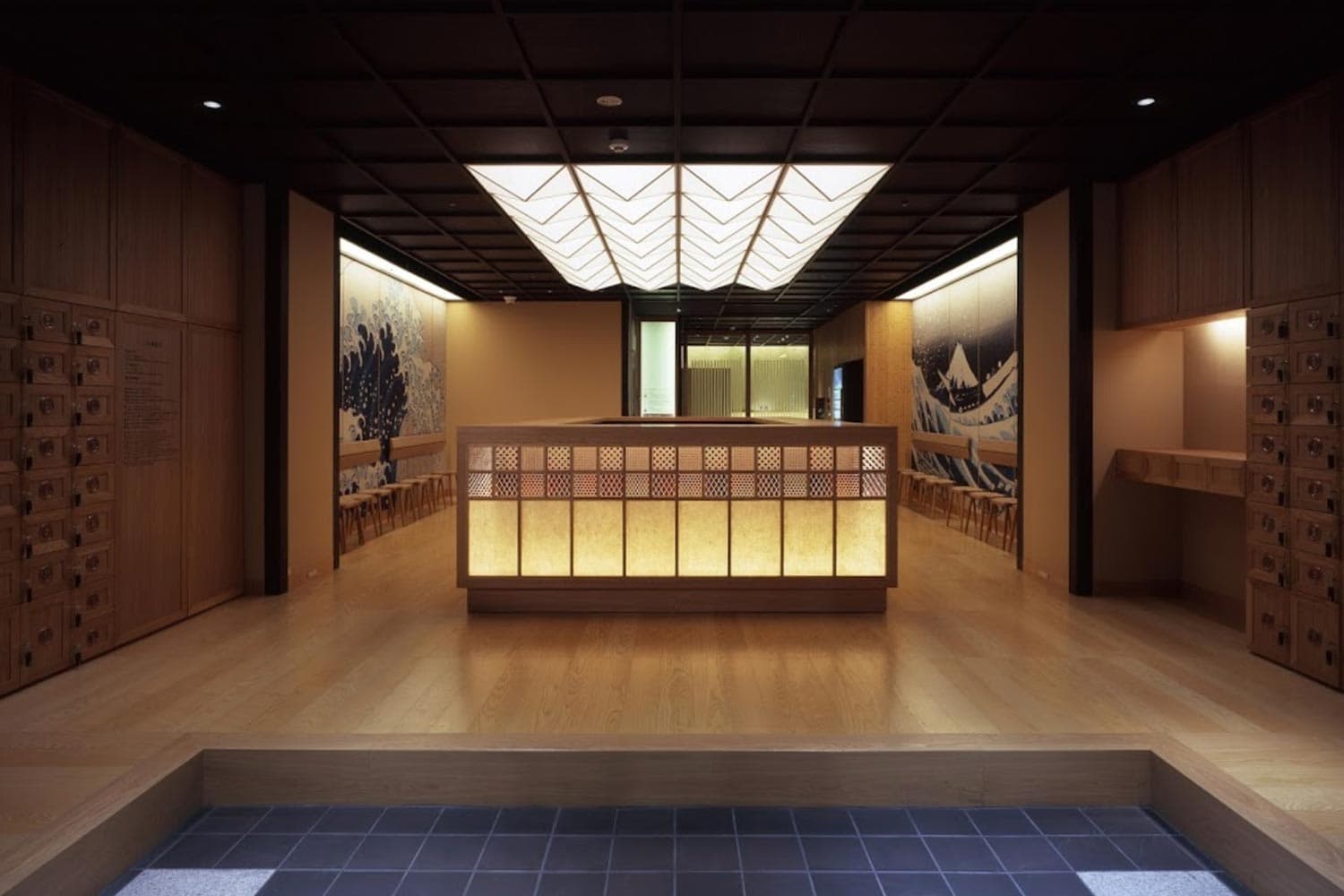
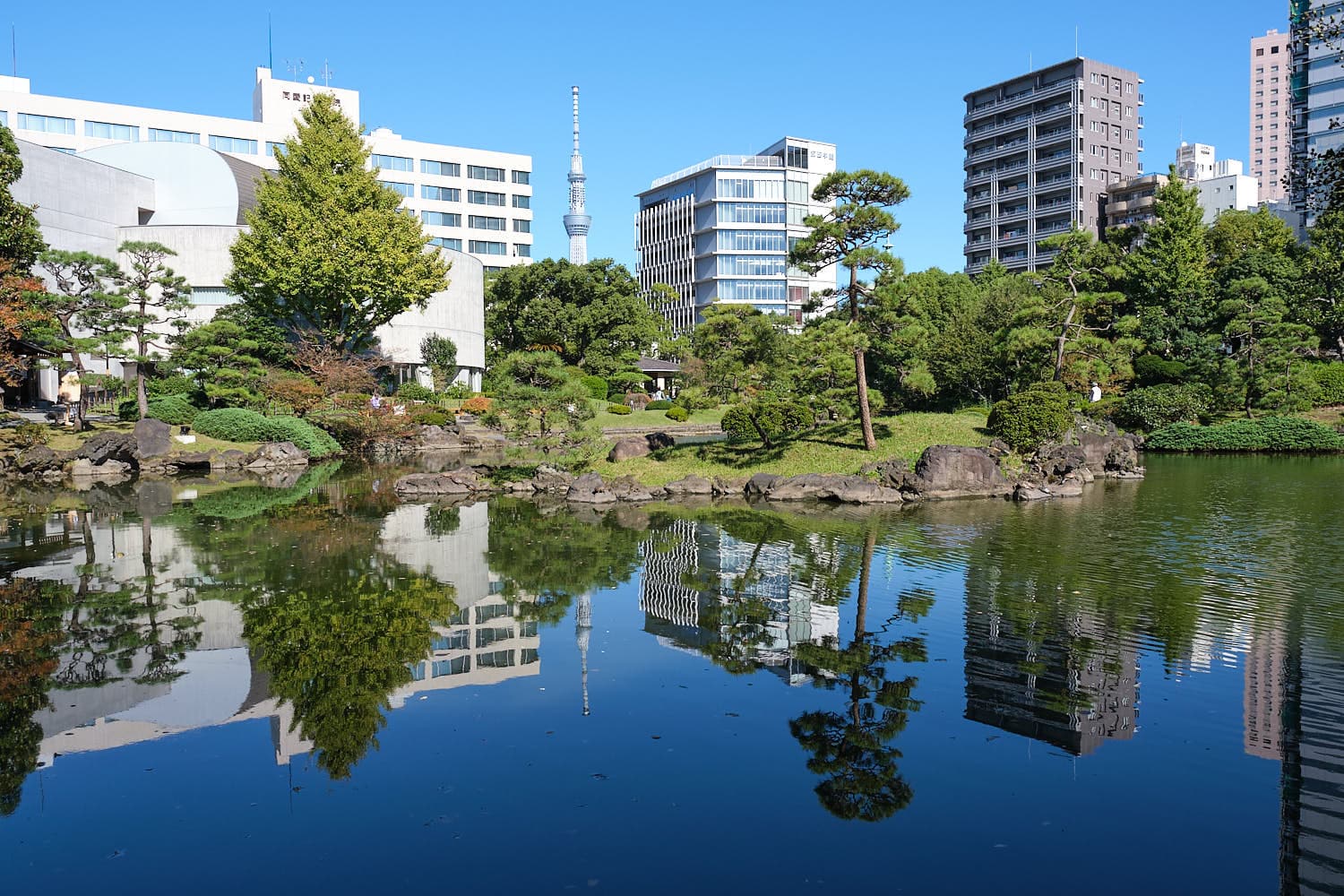
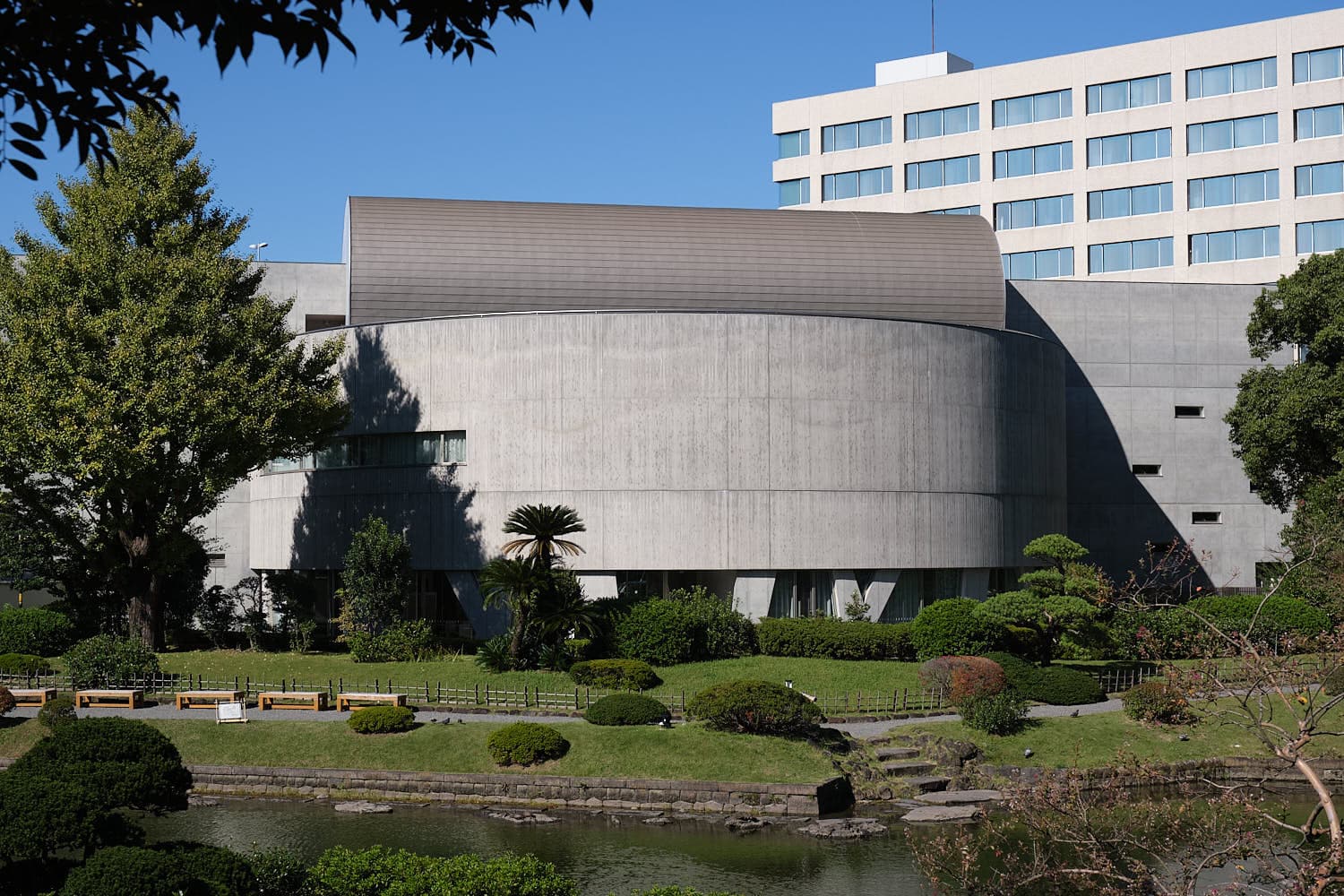
This historical weight is best digested alongside Chanko Nabe, the famous “weight-gain” stew that serves as the staple diet of sumo wrestlers. Made with a rich dashi or chicken broth and packed with protein and seasonal vegetables, this high-value meal is served by many retired wrestlers who have opened their own restaurants in the area. A popular choice is the Ryogoku Edo NOREN complex, located inside the historic 1929 station building, which features a full-sized replica of a sumo ring (dohyo) to maintain the district’s thematic energy. After such a hearty immersion, Ryogoku also offers spaces of profound tranquility and reflection, such as the Kyu-Yasuda Garden with its heart-shaped pond, and Yokoamicho Park, which commemorates the resilience of Tokyo’s citizens through the tragedies of the Great Kanto Earthquake and WWII.
| Station | Line(s) | Best For… |
|---|---|---|
| Ryogoku (JR) | Chuo-Sobu Line | Kokugikan, Edo NOREN, Stables |
| Ryogoku (Subway) | Toei Oedo Line | Edo-Tokyo Museum, Hokusai Museum |
| Sumida River Bus | Tokyo Cruise | Arrival from Asakusa or Odaiba |