Nagasaki
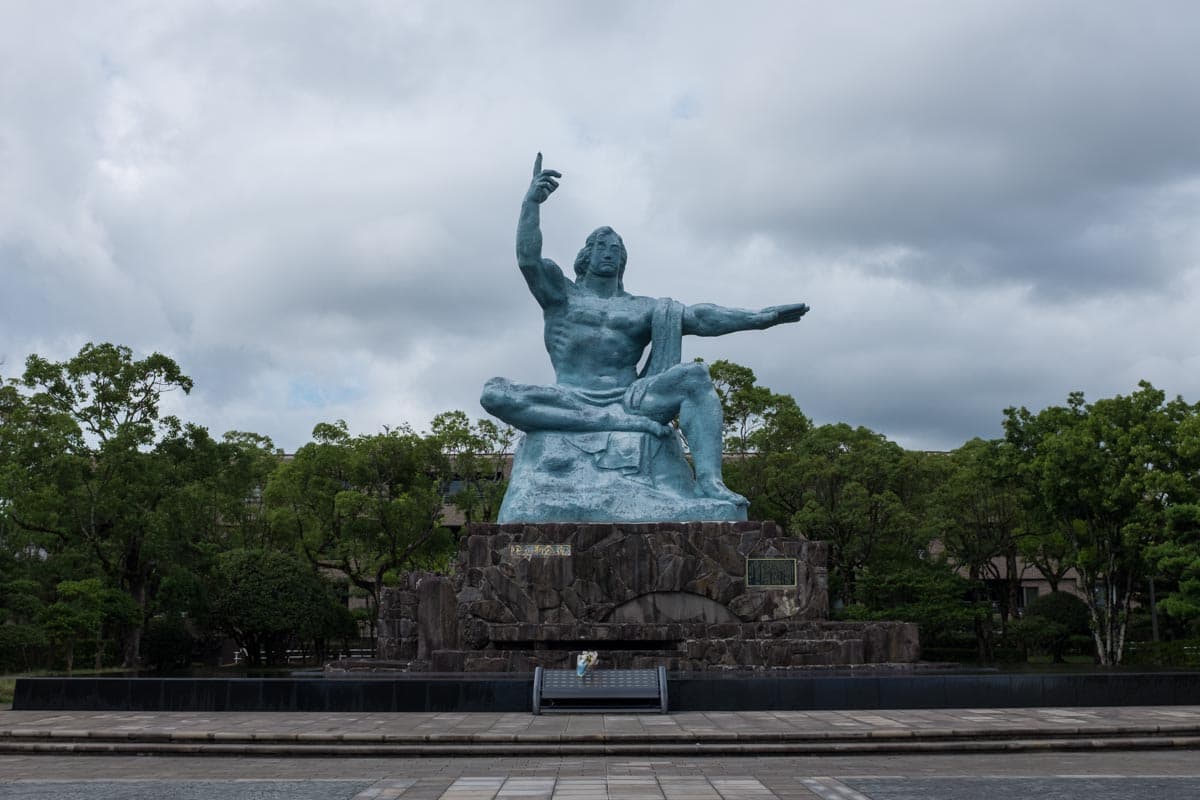
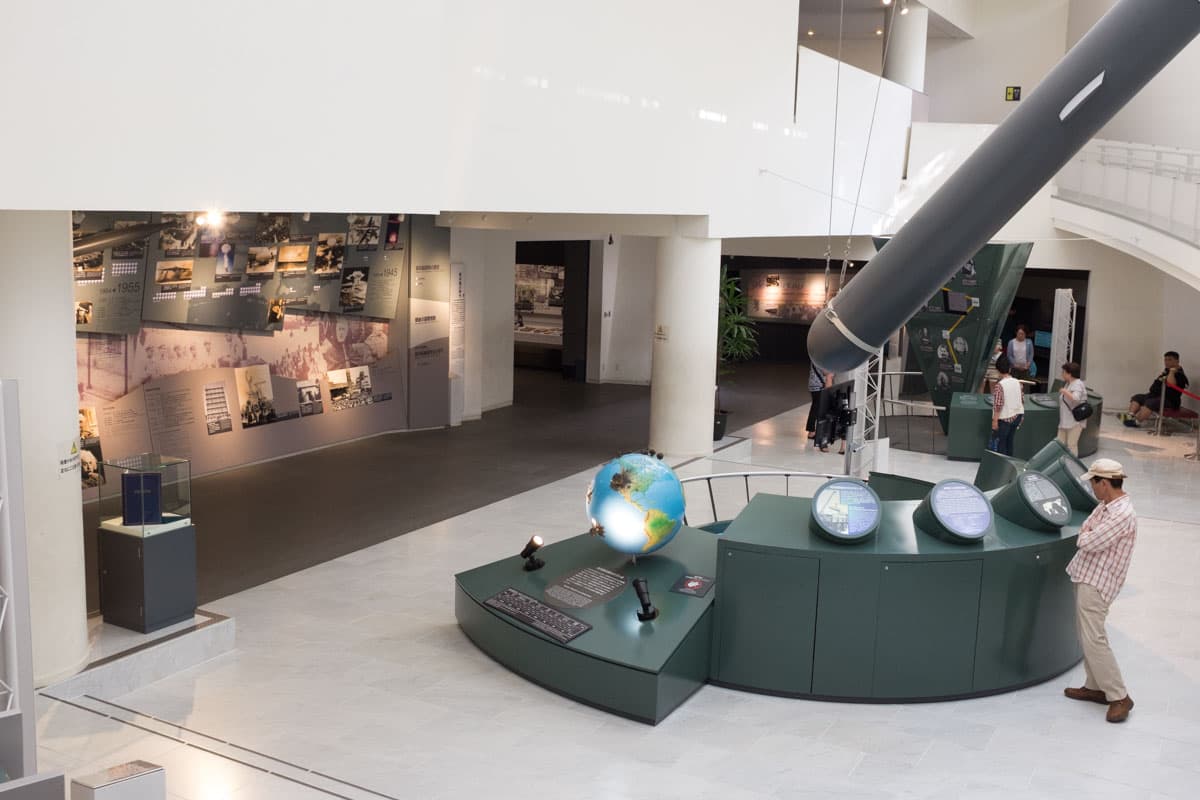
Nagasaki (長崎) is a port city on the western side of Kyushu that has played a hugely important role in many different aspects of Japan’s history. It was the first dedicated port of trade with the West, the place at which Christianity began to take root in the country, and Japan’s only sanctioned port of trade with the Dutch during its 250-year period of isolation. Outside of Japan, however, Nagasaki is perhaps most well known as the city, along with Hiroshima, on which the US dropped an atomic bomb during World War II.
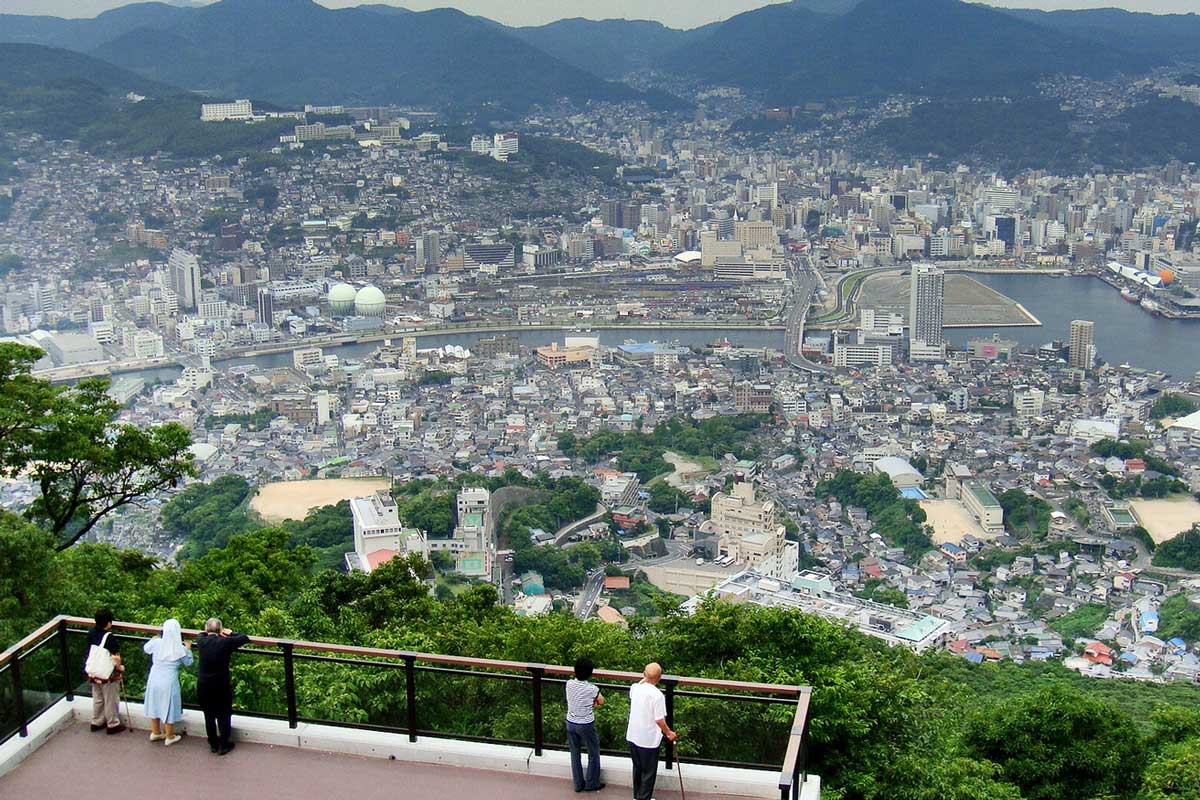
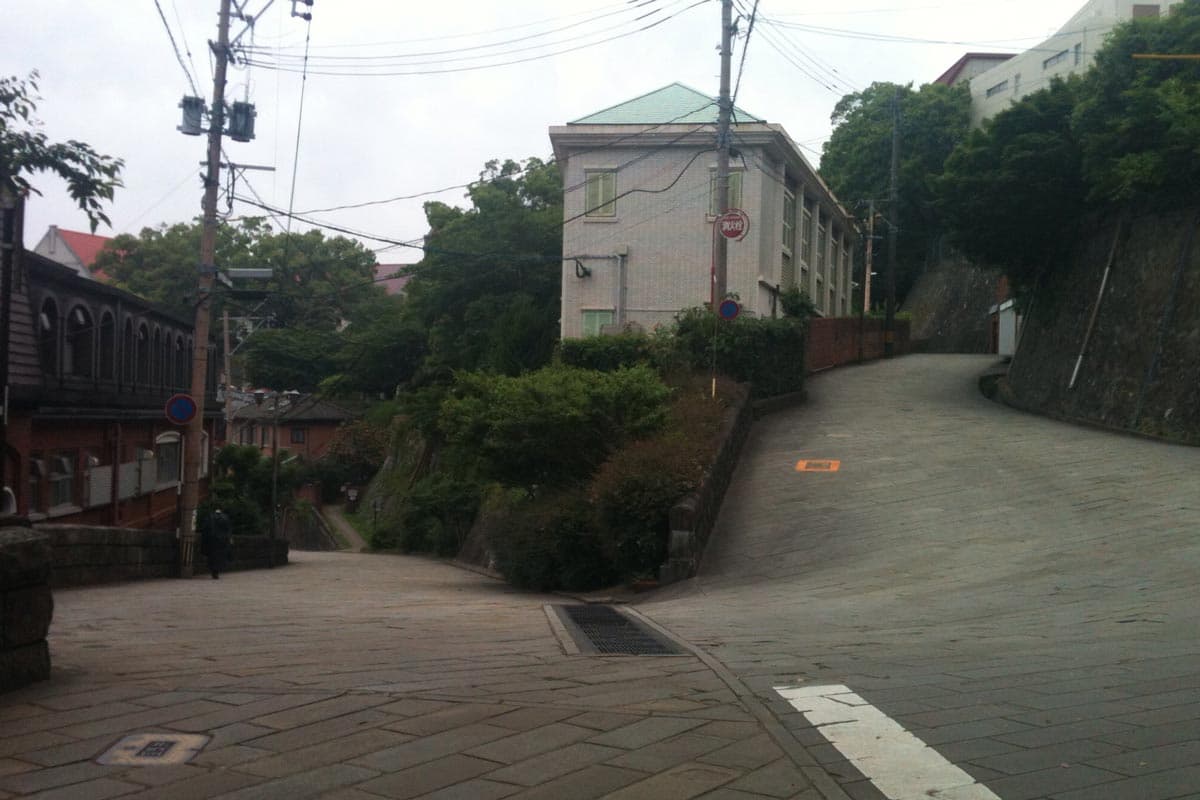
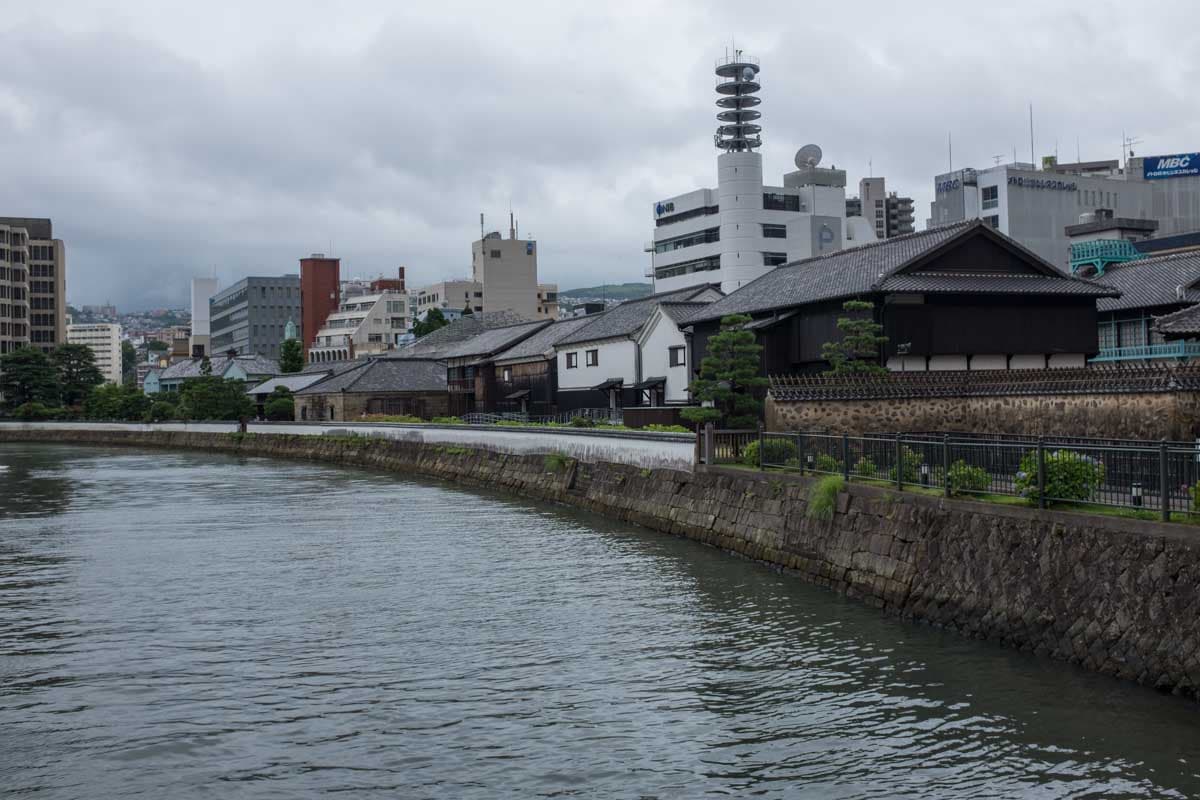
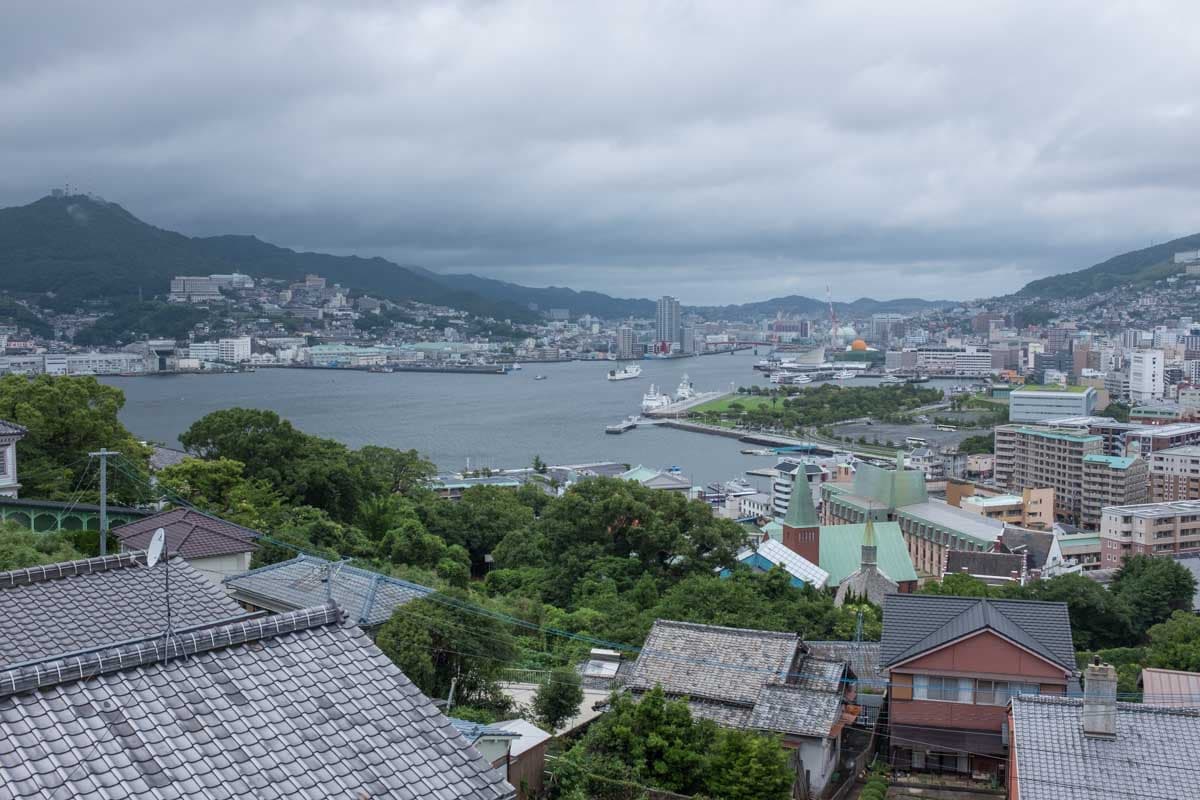
Nagasaki’s geography is its destiny. Built into the steep slopes of a deep-water bay, the city is a vertical labyrinth of narrow stone stairways and terraced neighborhoods. This unique “bowl” topography creates one of the most stunning urban landscapes in Asia, but it also defined the city’s historical seclusion and its eventual tragedy. For centuries, while the rest of the nation remained under a strict policy of sakoku (closed country), Nagasaki served as Japan’s only point of contact with the outside world. This created a culture that is fundamentally different from Tokyo or Kyoto—a “chample” (mixture) of Japanese, Chinese, and European influences that is visible in everything from the architecture to the local dialect and cuisine.
A Gateway of Trade, Faith, and Resilience
The story of Nagasaki’s internationalism begins at Dejima. Originally constructed in 1636 to house Portuguese traders, the man-made, fan-shaped island was later used exclusively by the Dutch East India Company. For over 200 years, the Dutch were the only Westerners permitted to stay in Japan, confined to this small outpost to prevent the spread of Christianity. Despite the restriction, Dejima became a vital conduit for “Rangaku” (Dutch Learning), bringing Western medicine, scientific instruments, and global news into the Shogunate’s hands. Walking through the reconstructed residences today, you can see the fascinating juxtaposition of tatami mats and Western-style furniture, a visual representation of Japan’s cautious first steps toward modernization.
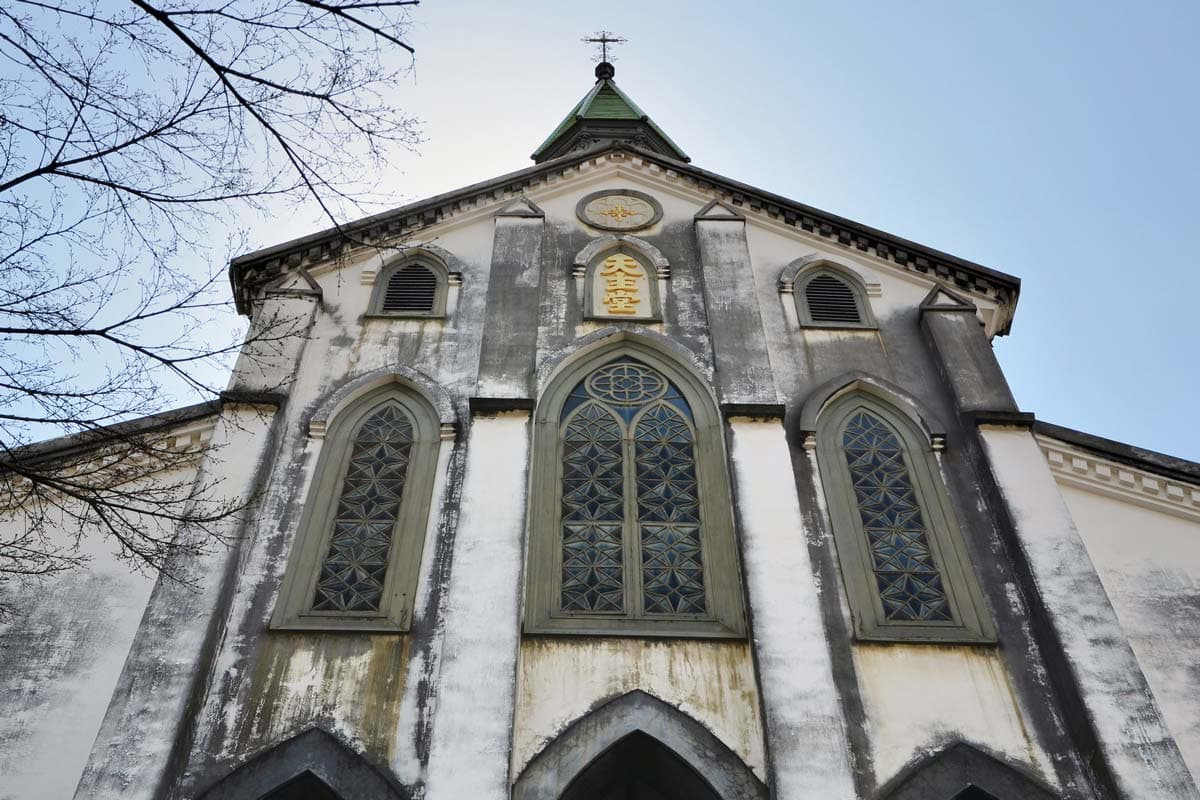
While the Dutch focused on commerce, the earlier Portuguese influence left a deeper, more spiritual mark through the introduction of Christianity. The city became the “Rome of Japan,” but the subsequent ban on the religion led to centuries of persecution. The Twenty-Six Martyrs Museum and Monument on Nishizaka Hill marks the spot where dozens of believers were crucified in 1597, an event that drove the faith underground for over two centuries. These “Hidden Christians” (Kakure Kirishitan) preserved their rituals in secret, often disguising Christian icons as Buddhist statues, until the reopening of Japan in the mid-19th century. The discovery of these believers at Oura Church—Japan’s oldest standing church—remains one of the most miraculous chapters in religious history and a testament to the city’s enduring spirit.
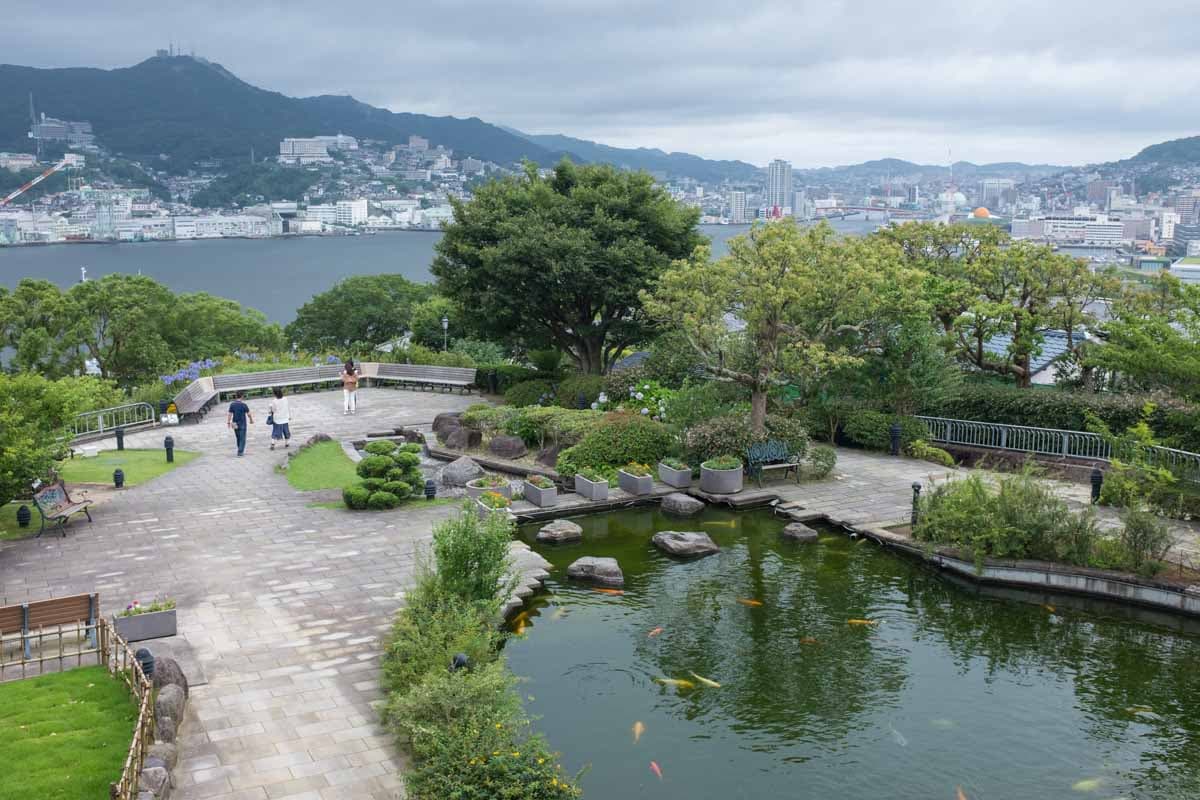
As the Meiji Restoration took hold, Nagasaki transitioned from a quiet trading post into a major industrial powerhouse. This era is best explored at Glover Garden, an open-air museum featuring the former mansions of Western merchants like Thomas Glover, a Scotsman who played a pivotal role in the development of Japan’s shipbuilding and coal mining industries. The site is a romantic collection of Western-style homes with wrap-around verandas and lush gardens overlooking the harbor. Glover’s influence was so pervasive that he is even linked to the founding of Kirin Beer; local legend suggests that the “mustache” on the mythical Kirin creature is a nod to Glover’s own distinctive facial hair. Searching for the hidden heart-shaped stones in the garden’s pavement is a favorite pastime for visitors seeking luck in love.
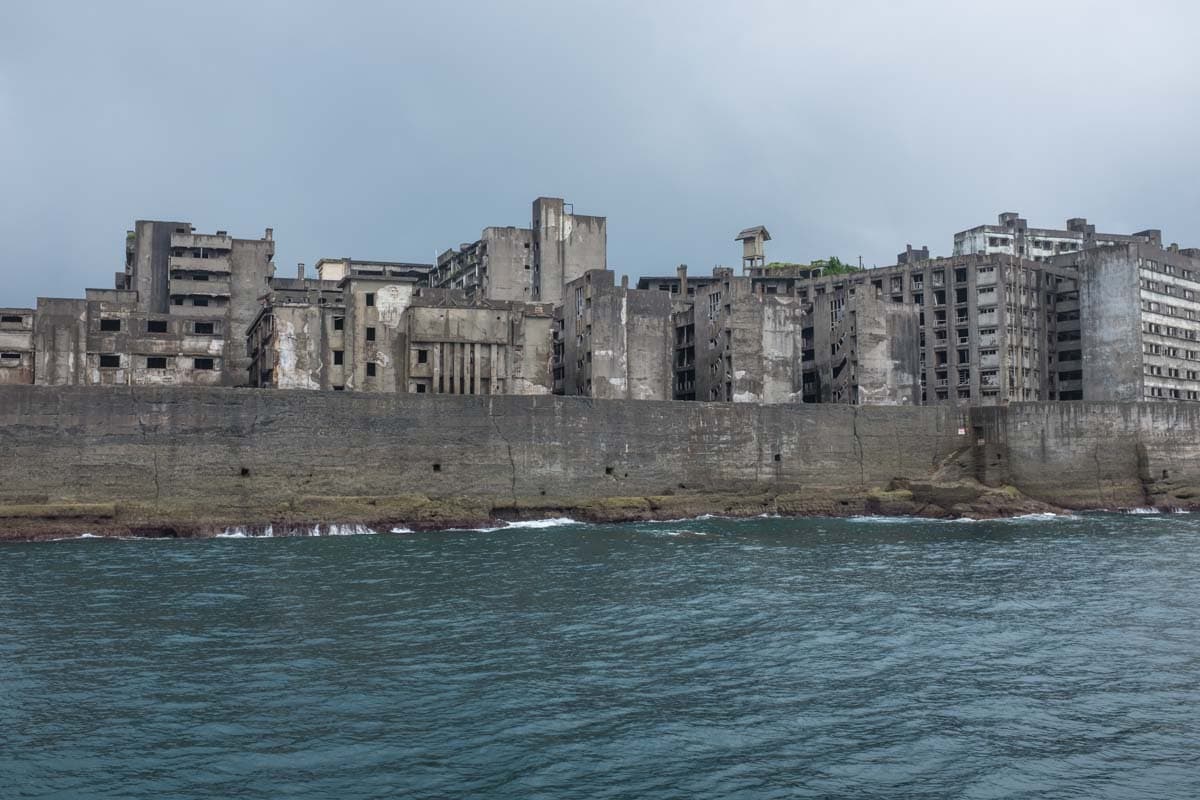
Beyond the mainland, the haunting silhouette of Hashima Island, commonly known as Gunkanjima (Battleship Island), serves as a visceral reminder of Nagasaki’s industrial peak. This abandoned undersea coal mining facility was once the most densely populated place on Earth, a concrete island of high-rise apartment blocks that looks like a warship emerging from the waves. Abandoned in the 1970s, it is now a UNESCO World Heritage site and a starkly beautiful ruin that highlights the environmental and human cost of rapid industrialization. Boat tours allow visitors to witness the decaying structures from a safe distance, offering a perspective on the city’s history that is both eerie and awe-inspiring.
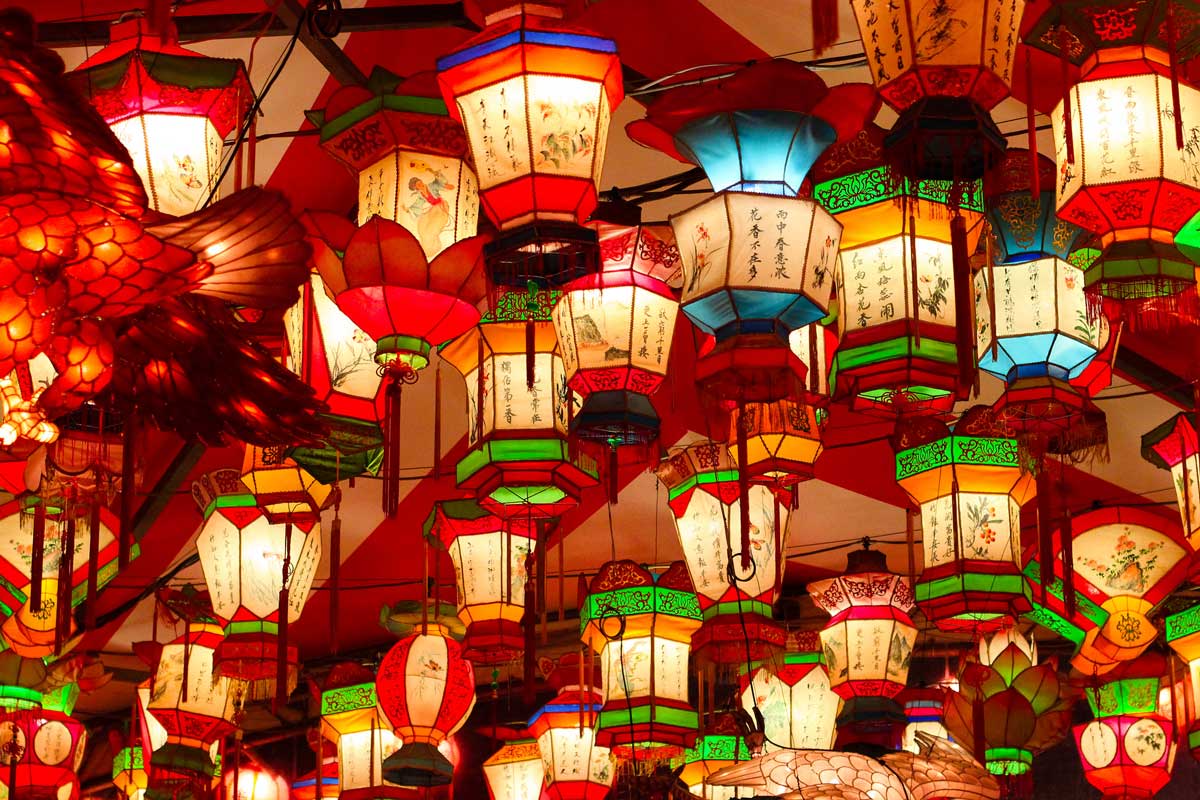
Culturally, Nagasaki is perhaps Japan’s most flavorful city. The Shinchi Chinatown is the oldest of its kind in Japan, and it is here that the city’s signature soul food, Champon, was born. Originally created as a cheap, nutritious meal for Chinese students, this noodle dish features a rich pork-and-seafood broth packed with seasonal vegetables. Then there is Castella, a moist sponge cake introduced by the Portuguese. Unlike typical Japanese sweets, it utilizes sugar and eggs—luxuries at the time—which were brought in through the port. Today, the scent of baking Castella wafts through the streets of the city center, a sweet reminder of Nagasaki’s role as the first place in Japan to taste the world.
No trip to Nagasaki is complete without witnessing its transition into the evening. The city’s night view from Mount Inasa is officially ranked among the top three in the world, alongside Hong Kong and Monaco. As the sun sets, the lights of the city begin to sparkle along the slopes and reflect in the calm waters of the harbor, creating a “Ten Million Dollar View.” This panoramic vista encapsulates the entirety of Nagasaki’s journey: from the dark shadows of its atomic past and the ruins of its industrial age to the vibrant, neon-lit present. It is a city that has suffered more than most, yet it has managed to preserve its eclectic, international identity with a quiet, unmatched resilience.