Kamakura (鎌倉) is often referred to as the “Kyoto of Eastern Japan.” Located just 50 kilometers south of Tokyo, this coastal city is a premier day-trip destination with profound historical significance. It served as the political center of Japan when the first shogun, Minamoto no Yoritomo, established his government here. Consequently, the Kamakura period (1185–1333) is defined by the rise of the samurai class and the flourishing of Zen Buddhism, leaving behind a legacy of world-class cultural treasures.

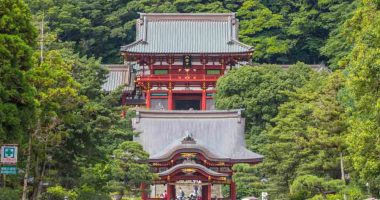
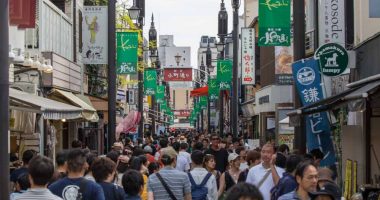
The hallmark of this history is the region’s many temples and shrines, which range from intimate Zen retreats to the grand Tsurugaoka Hachimangu, the city’s most important Shinto shrine. Reaching the shrine involves a walk through Komachi-dori, a bustling pedestrian street famous for its unique street food and traditional souvenirs. Because these sites are spread throughout the valley, visitors should be prepared for significant walking or rely on the local bus and train services. For those seeking a more active route, several hiking trails cut through the surrounding hills, providing superb views over Sagami Bay. Entrance fees to the temples typically range from ¥200 to ¥600.
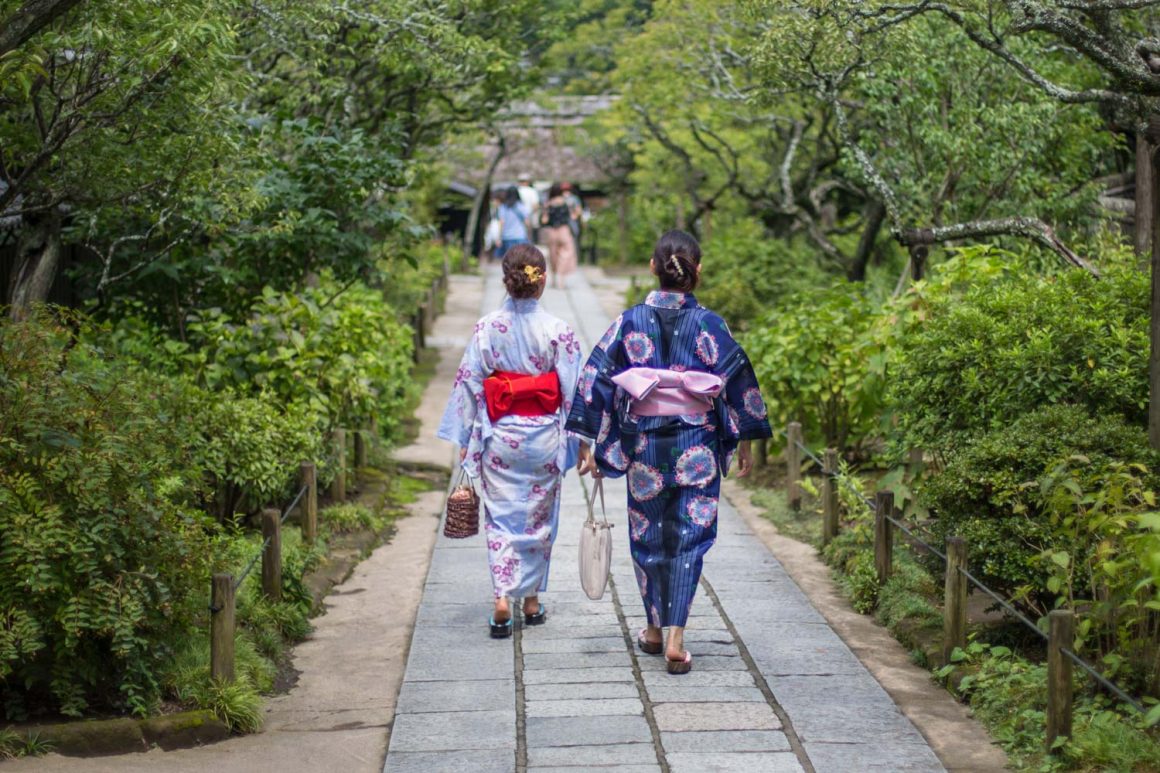
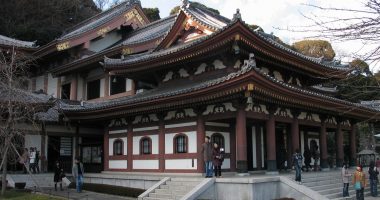
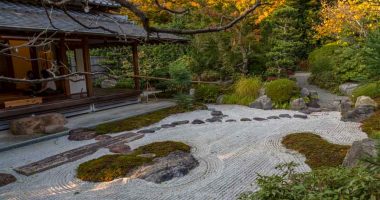
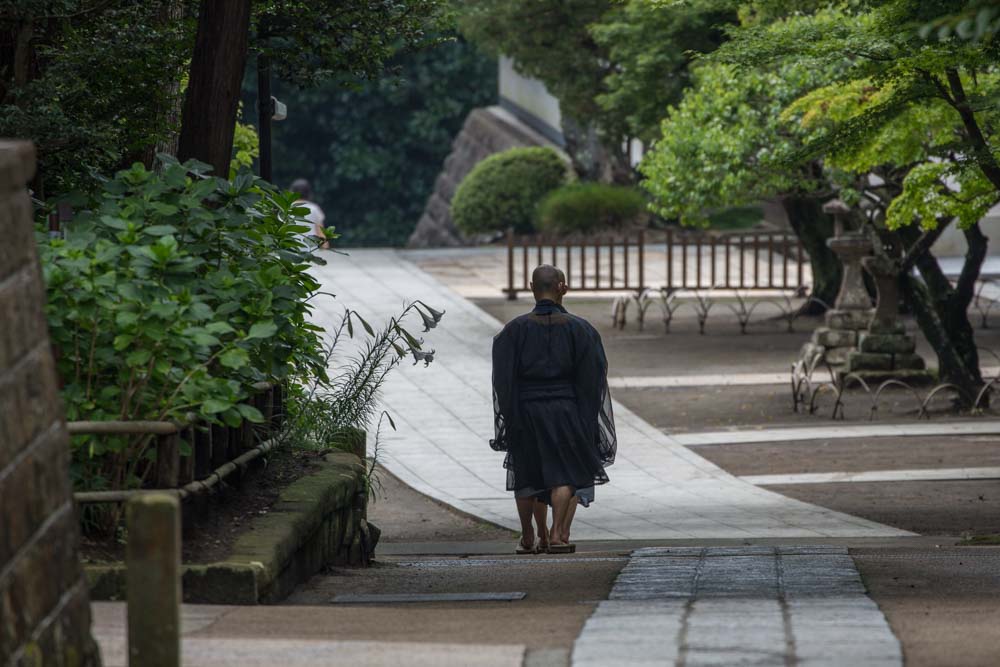
Kamakura Temple Scene

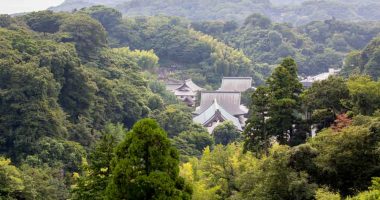
To maximize a day in Kamakura, many choose to alight at Kita-Kamakura Station (one stop north of the main hub). From here, you can walk south toward the city center, visiting the sprawling Zen complexes of Engakuji and Kenchoji. The latter is particularly unmissable; the steep climb to the viewpoint on the hill behind the temple offers one of the most spectacular panoramas of the valley and, on clear days, Mount Fuji in the distance.

Hase and the Coastal Area

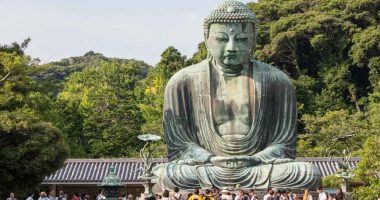
The Hase district is home to two of the city’s most famous landmarks. The Daibutsu (Great Buddha) at Kotoku-in is an enduring symbol of Japan; this massive bronze statue has stood in the open air for centuries. Nearby lies Hasedera Temple, renowned for its beautiful tiered gardens and a terrace that offers panoramic views over the beach. The most charming way to reach this area is via the Enoshima Electric Railway (Enoden), a vintage green train that winds through residential streets and along the coastline, offering iconic views of the sea.

If possible, try to visit on a weekday, as Kamakura is exceptionally popular and can become very crowded on weekends. The region is particularly breathtaking during the autumn foliage season in mid-November, the hydrangea bloom in June, and the cherry blossom season in early spring.
Information
Location
Kamakura, Kanagawa
« Google Maps »
Getting there
From Tokyo or Shinagawa the Yokosuka Line will take you directly to Kamakura Station. From Shinjuku or Shibuya, take the JR Shonan Shinjuku Line, changing at Musashi-Kosugi to the JR Yokosuka Line. It takes about one hour to get to Kamakura Station.
Key Attractions

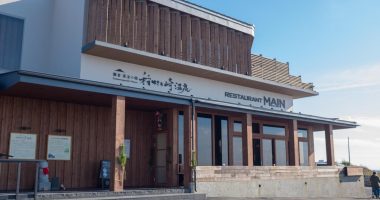
Inamuragasaki Onsen

Natural onsen on the coast near Kamakura that offers views of the waterfront as well as a distant Mount Fuji from the bathtub.
9:00-21:00 (reception closes at 20:00)
¥1,500. Entrance fee does not include a towel. Under 13s are not allowed

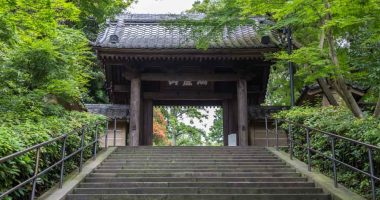
Engakuji Temple

700 year old temple built on the sloping hillsides of Kamakura which is today one of the most important Zen temples in Japan.
8:00-16:30 (until 16:00 between December and February)
Adults ¥300

Hasedera Temple

Buddhist temple with an eleven-headed statue of Kannon single trunk of a camphor tree.
8:00-17:00 March-September; 8:00-16:30 October-February
Adults ¥300

Hokokuji Temple

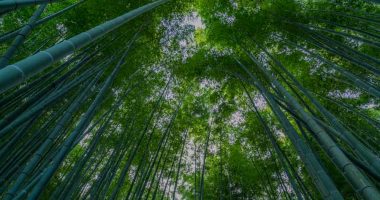
Temple established in 1334 famous for its bamboo forest containing over 2,000 moso trees and Japanese tea house.
9:00-16:00 (matcha served until 15:30)
¥200 (entrance including matcha at the tea house is an extra ¥300)

Kotokuin Temple

Temple is home to a 121-ton stone Buddha (“The Great Buddha”) which has stood since the mid-13th century and is a designated National Treasure. It took 10 years to complete, the cost of construction borne by the priests and members of the community.
8:00-17:30 April-September; 8:00-17:00 October-March
Adults ¥200

Tsurugaoka Hachimangu

Kamakura’s most famous shrine. It enshrines the spirit of Hachiman, the divine protector of Japan, its people, and of the Minamoto clan, which established the country’s first shogunate in Kamakura in 1185.
5:00-20:30 April-September; 6:00-20:30 October to March
Free

Kenchoji Temple

Important Zen Buddhist temple completed in 1273 with a viewpoint that over looks the Kamakura area.
8:30-16:30
¥500

Komachi Dori

250-meter shopping street running northeast from Kamakura Station. Pick up some souvenirs or get a bowl of the region famous shirasu dish.

Tokasan Jomyoji Temple

Quiet temple near Hokokuji with a tea house and Japanese rock garden.
9:00-16:00
Admission. ¥100 (matcha at the tea house is ¥500)
Events & Festivals in the Area

Kamakura Spring Festival

Apr 12Apr 19
The Kamakura Matsuri is a major cultural event held in Kamakura, Kanagawa Prefecture. It centers around Tsurugaoka Hachimangu…

Kamakura Fireworks Festival

Jul 10
A smaller scale event with about 2,500 fireworks set off near Yuigahama Beach. But while it might lack…
You May Also Like

Akihabara

Consumer electronics center of Japan famous for its otaku culture. One of the best places to glimpse into another side of Japanese culture—one which has at least partly developed as a form of escapism from the rigid structure of society.

Ikebukuro

Ikebukuro is located in Toshima Ward about 4km north of Shinjuku. For high-school and university students living in…

Tokyo Dome & Around

Tokyo Dome is the centrepiece of Tokyo Dome City which also includes a shopping complex, upmarket spa, and…

Shin-Okubo

Shin-Okubo (新大久保) is Tokyo’s Koreatown. Many people come here to eat at one of the Korean barbecue restaurants…