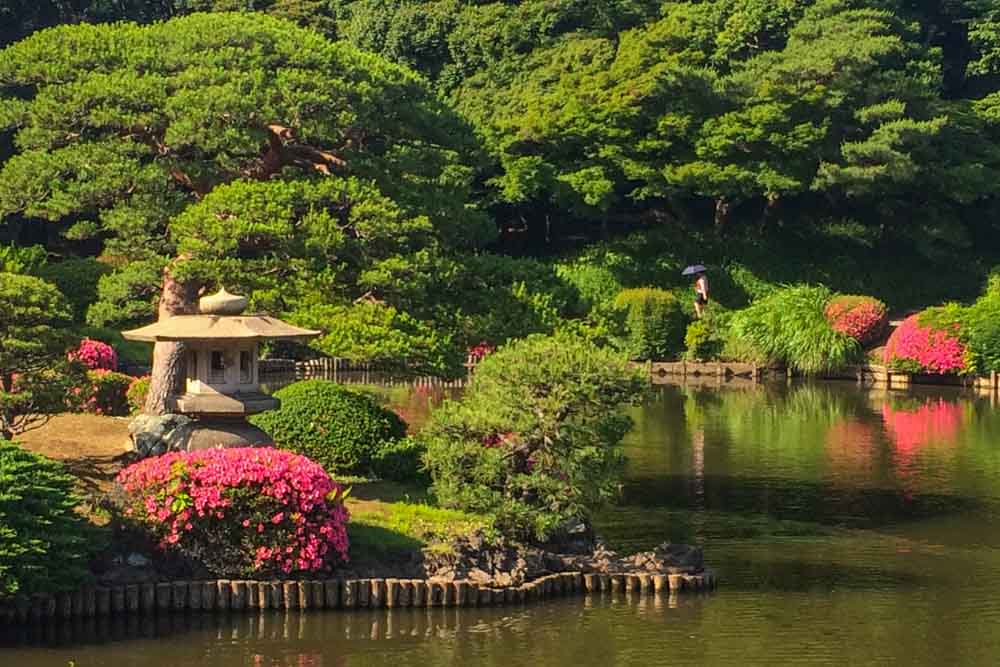
Shinjuku Gyoen National Garden

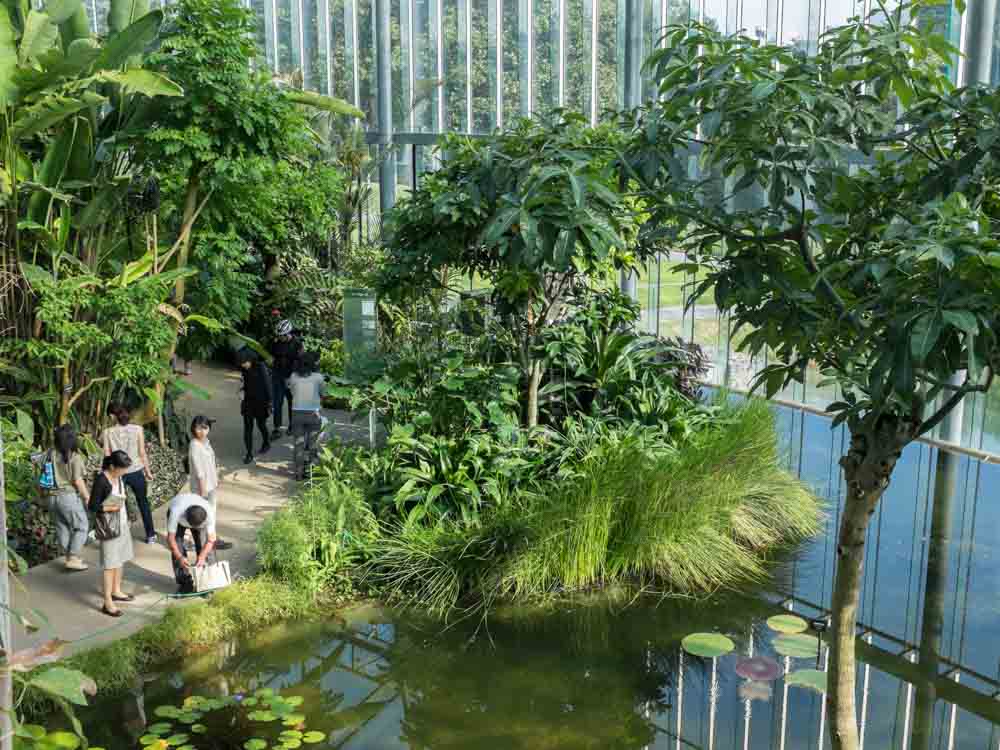
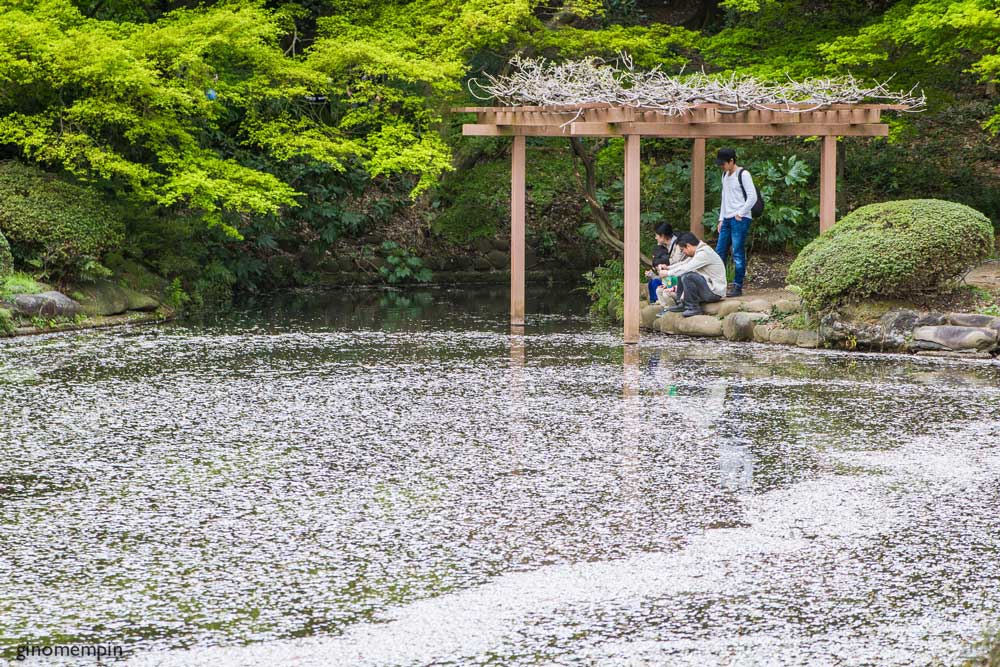
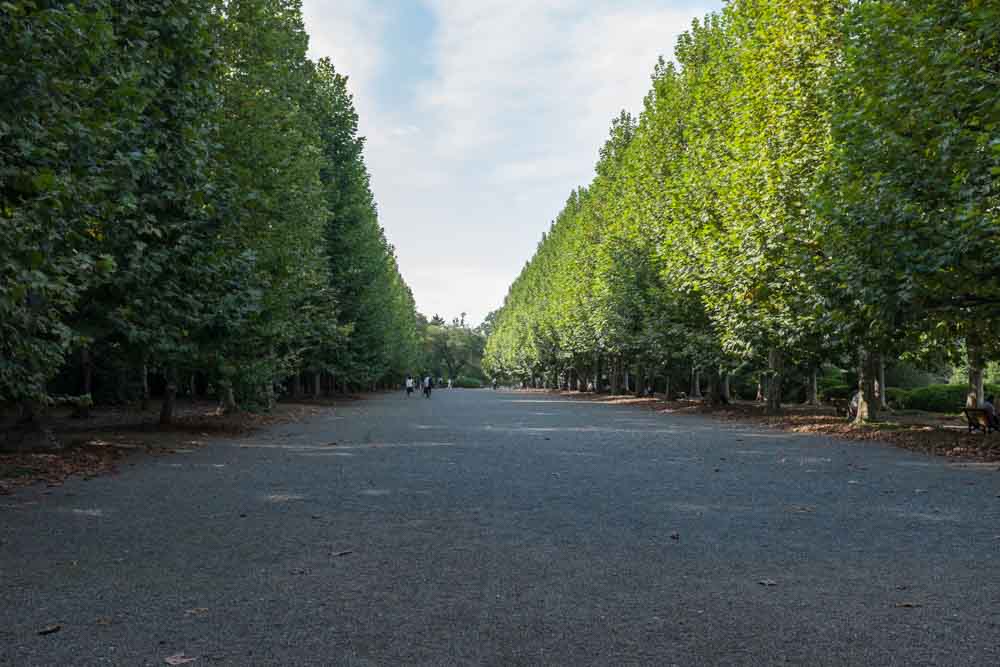
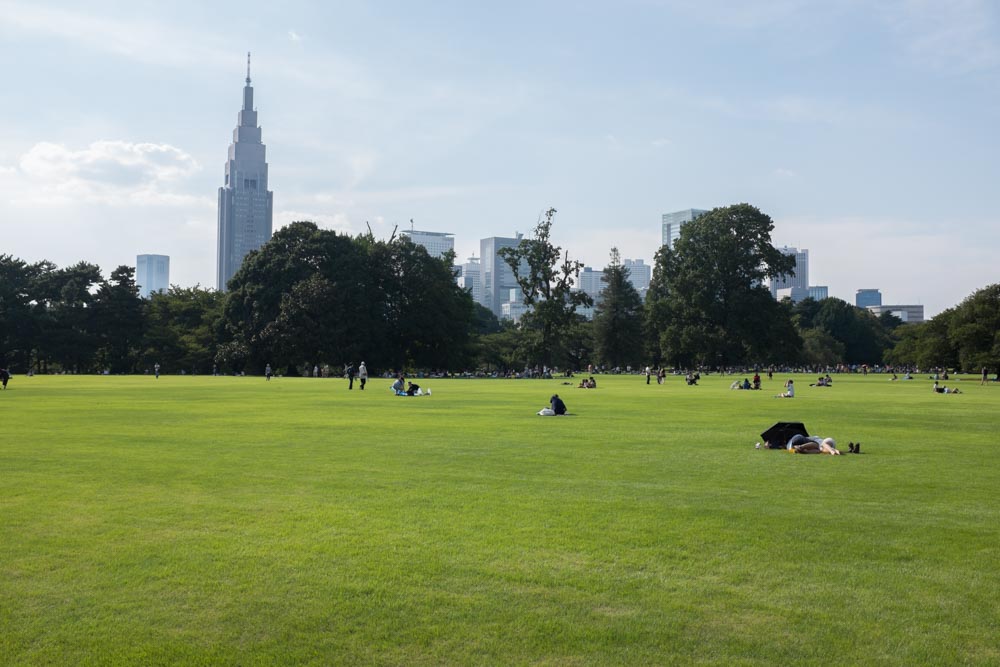
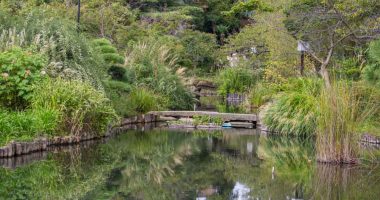
Shinjuku Gyoen National Garden (新宿御苑) was originally the land of a family of feudal lords during the Edo period, but was opened to the public in 1949. Today it is probably Tokyo’s most famous garden and certainly one of the biggest, covering an area of almost 60 hectares. It contains three gardens (a traditional Japanese, a French formal, and an English landscape), as well as a rock-landscaped greenhouse. The sheer size of the gardens means that you could easily spend 2-3 hours wandering the grounds.

Information
Location
Shinjuku Gyoen National Garden, 11 Naitomachi, Shinjuku, Tokyo 160-0014
« Google Maps »
Getting there
The garden has three entrances. The south-east Sendagaya gate is a 15-minute walk from the East Exit of JR Shinjuku Station or a 5-minute walk from Kokuritsu-Kyogijyo on the Toei Oedo Line (take Exit A5). The northwest Shinjuku gate is a 5-minute from either Shinjuku-3-Chome Station on the Toei Shinjuku Line (take Exit C5) or Shinjuku-Gyoen-Mae Station on the Marunouchi Line (take Exit 1). The northeast Okido gate is a 5-minute walk from Shinjuku-Gyoen-Mae Station on the Marunouchi Line (take Exit 2).
Details
9:00-16:30. Closed on Mondays (unless a public holiday).
Adults ÂĄ500, students ÂĄ250, children under 15 free.
You May Also Like

Yokoamicho Park

Small park that commemorates the victims of the 1923 Great Kanto Earthquake and the air raids of World War II.

Rikugien Gardens

300 year old garden designed by Yanagisawa Yoshiyasu and based on the “six tenets of poetry”.

Daiba Park

Daiba Park might not be the most spectacular of green spaces, but it offers one of the best views of Odaiba from its slopes. It is one of the remaining island fortresses, and you can still see the artillery emplacements (the cannons can be found at Yasukuni Shrine).

Hayama Shiosai Park and Museum

A public park that contains a small museum showcasing the extensive marine in the Hayama bay area and includes artifacts collected by the Emperor ShĹŤwa (Hirohito) who spent much time at the Hayama Imperial Villa during his reign.