Yumori no Sato
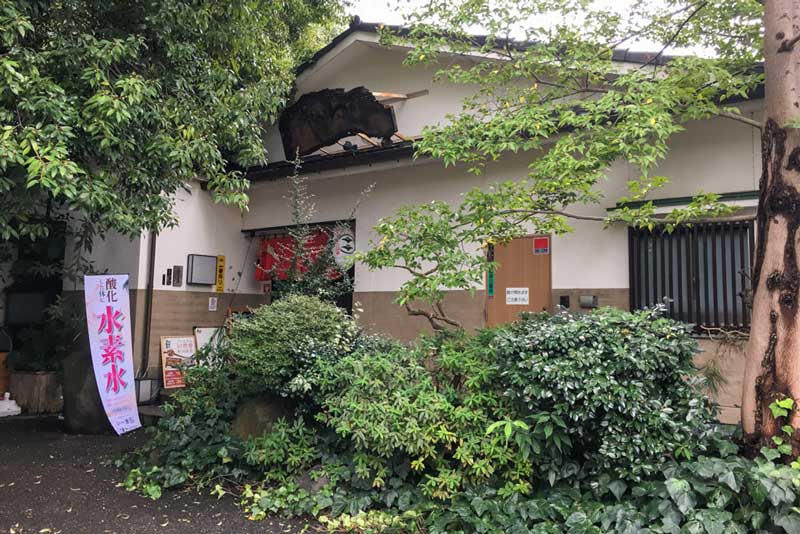
Yumori no Sato (深大寺天然温泉 湯守の里) is a sanctuary of tradition tucked away in the historic Jindaiji Motomachi area. It serves as a definitive reminder that a profound “lull” of authentic hot spring culture can be found without ever crossing the Tokyo city limits. While its exterior might initially resemble a humble backstreet warehouse, the interior tells a completely different story—one of dark timbers, soft amber lighting, and a grounded sense of homeliness that makes visitors feel like they’ve stumbled upon a private rural retreat.
The facility utilizes a convenient, cashless wristband system. Upon entry, you are given a barcoded band to track everything from a session in the bedrock bath to a post-soak massage or a cold beer in the lounge. This small touch removes the distraction of handling loose change, allowing you to remain in a state of total decompression until the final settlement at checkout.
The “Hachimon Tonko” and Kuroyu Water
What truly sets Yumori no Sato apart is its commitment to Hachimon Tonko—an ancient system of Feng Shui. The layout of the baths and the building itself was designed to maximize the flow of natural energy, creating an environment that feels balanced and restorative. The water itself is a highlight: a high-concentration Kuroyu (black water) drawn from 1,500 meters underground. While it appears jet-black in the pool, a palmful of the water reveals a deep coffee-colored hue. This “fossil seawater” is rich in organic minerals and humic acid, providing a silky texture that exfoliates the skin and warms the body deep into the joints.
The bathing area is a labyrinth of discovery, featuring a large indoor hall and three distinct outdoor pools. These include a “Goemon” pot—named after the legendary outlaw boiled alive in one!—and a dedicated low-temperature pool in the corner designed for extended, meditative soaking. Adventure-seekers should look for the “Electric Cave” built into the stone wall of the main outdoor bath; wading inside reveals a pulsating, micro-electrical current that provides a unique frizzling massage to the skin. For heat therapy, the facility features a rare Shiogama (salt hearth) sauna, which uses heated salt to scent the air and provide a cleaner, more aromatic sweat compared to standard dry saunas.
A visit here is best paired with a stroll through the nearby Jindaiji Temple, Tokyo’s second oldest temple complex. After exploring the temple’s forest-like grounds and sampling the area’s famous buckwheat soba, a long soak in the jet-black waters of Yumori no Sato provides the perfect conclusion to a traditional day out.

| Visitor Information | |
|---|---|
| Address | 2-12-2 Jindaiji Motomachi, Chofu-shi, Tokyo 182-0017 (Google Maps) |
| Opening Hours | 10:00 AM – 10:00 PM (Every day) |
| Price | Weekday: ¥1,100 (Adults), ¥600 (Children) Weekend/Holiday: ¥1,200 (Adults), ¥700 (Children) |
| Website | Visit Official Website |
| Access | ||
|---|---|---|
| Station | Line(s) | Access Details |
| Chofu Station | Keio Line | Free shuttle bus from the North Exit (approx. 10 mins). |
| Musashi-Sakai | JR Chuo Line | Free shuttle bus from the South Exit (approx. 15 mins). |
| Bus | Keio/Odakyu Bus | From Chofu or Mitaka Station, get off at “Jindaiji Iriguchi.” |