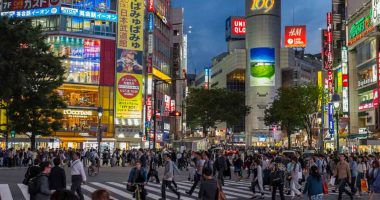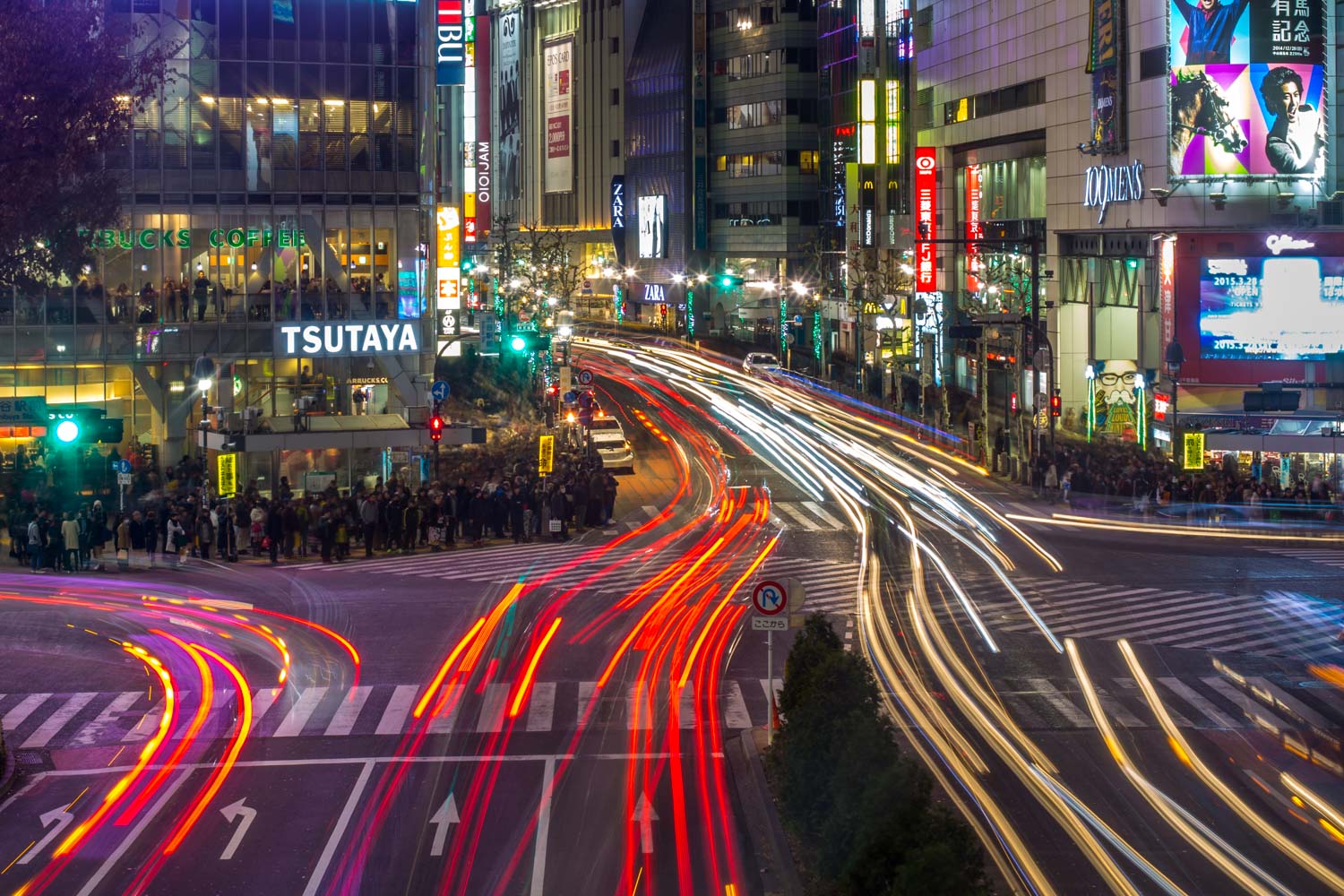

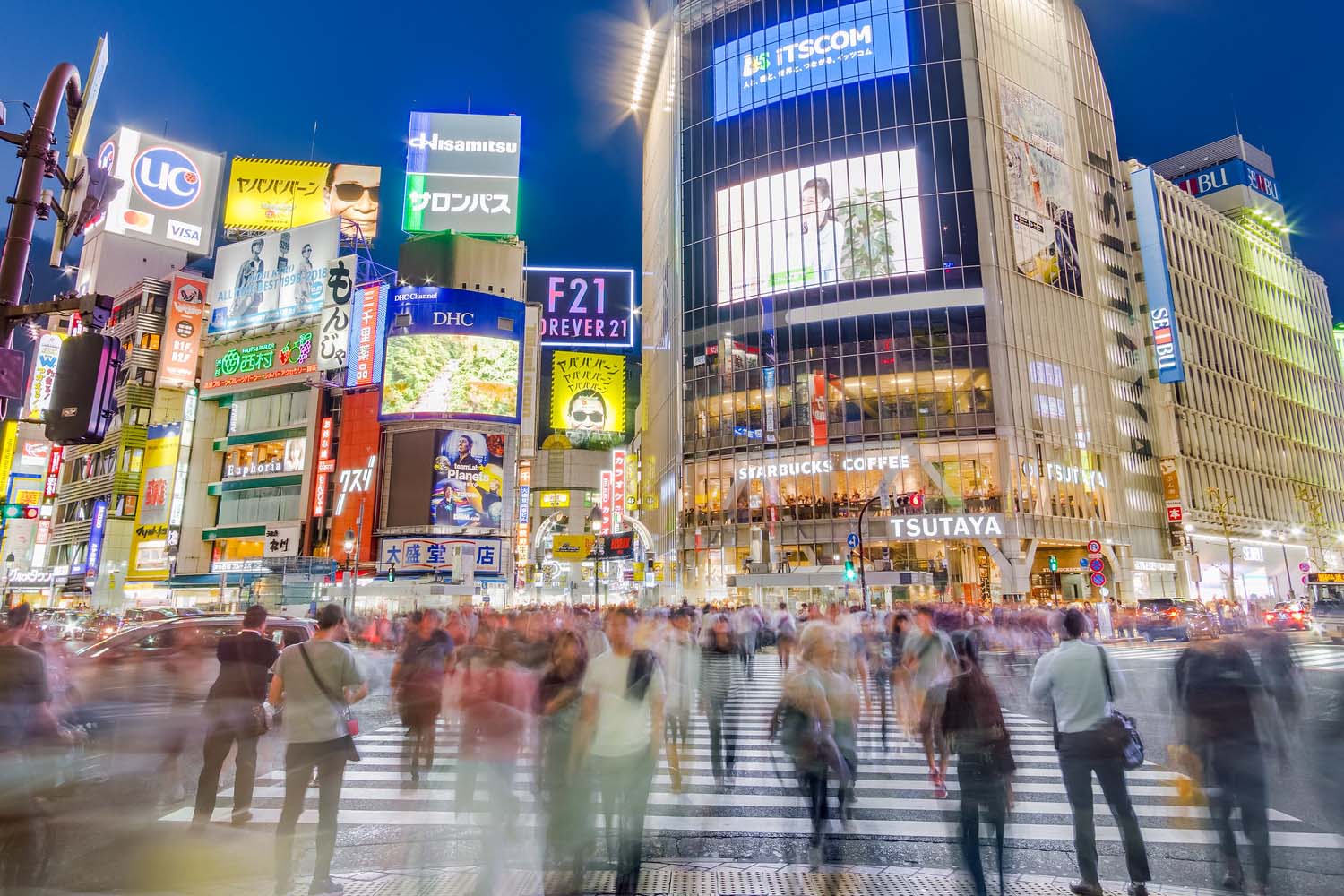
Shibuya (渋谷) is the definitive pulse of modern Tokyo. It is the district that virtually every travel documentary uses to define the city’s energy, characterized by its neon-drenched skyline and the legendary scramble crossing—reputedly the world’s busiest intersection. Stepping out of the station’s Hachiko Exit, you are immediately immersed in a sensory blitz of massive LED screens, layered soundscapes, and the synchronized movement of thousands of people.
While Shibuya is the name of one of Tokyo’s 23 special wards, the term is almost always used to refer specifically to the high-energy commercial district surrounding Shibuya Station.
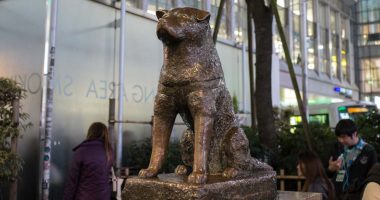
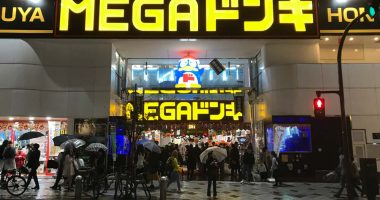
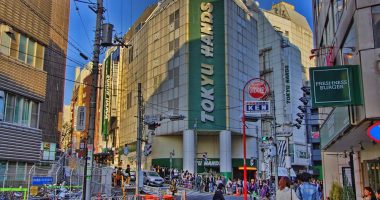
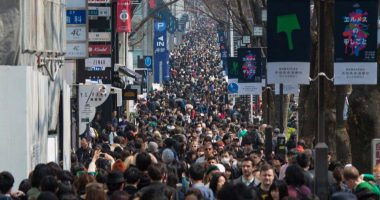
The gateway to the district is guarded by its most beloved icon: the bronze statue of Hachiko. This monument to the world’s most loyal dog remains the city’s undisputed meeting point. Directly across the intersection lies Center Gai, a vibrant pedestrian artery filled with fashion boutiques, themed cafes, and the towering flagship of the lifestyle retailer Hands.
The “Greater Shibuya” Transformation
Shibuya is currently defined by a massive, multi-decade urban transformation that has replaced aging infrastructure with futuristic vertical cities. This “Greater Shibuya” project has shifted the district’s focus from purely youth-centric retail to a sophisticated mix of tech-hub offices and luxury lifestyle spaces.
- Shibuya Scramble Square: The district’s tallest skyscraper. Its crown jewel is Shibuya Sky, an open-air observation deck on the 47th floor. With its “Sky Edge” corner and panoramic views of Mount Fuji and the Scramble, it is arguably the most sought-after photo spot in Japan. Tip: Advance booking of at least two weeks is mandatory for sunset slots.
- Shibuya Sakura Stage: Fully operational as of 2024, this complex has revitalized the once-quiet Sakuragaoka area. It features lush, green “urban oases” and elevated walkways that provide a seamless, 15-minute pedestrian link to the trendy boutiques of Daikanyama.
- Shibuya Axsh: This mixed-use tower bridges the gap between Shibuya and Aoyama. Its vertical garden atrium provides a serene ground-level bypass to the steep “Miyamasuzaka” slopes, housing specialized wellness centers and art galleries.
Miyashita Park: The Rooftop Revolution
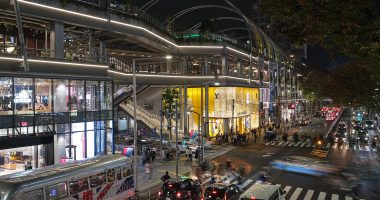
A symbol of the “new” Shibuya is Miyashita Park (Rayard). Once a standard street-level park, it has been reimagined as a three-story commercial complex topped with a sprawling rooftop park. It features a bouldering wall, a skate park, and a sand-filled beach volleyball court, all suspended above high-end luxury brands like Louis Vuitton and Gucci. At the ground level, Shibuya Yokocho offers a modern take on traditional food alleys, with 19 different stalls serving soul food from every prefecture in Japan.
Subcultures: From 109 to “Geek” Heaven
Shibuya’s retail identity is a study in contrasts. Shibuya 109 remains the spiritual home of “Gal” (gyaru) culture, a cylindrical landmark that has dictated Japanese youth trends for decades. However, the 2019 reopening of Shibuya Parco signaled a shift toward high-end “geek” culture. The 6th floor, known as “Cyberspace Shibuya,” houses the first official Nintendo Tokyo store, the Pokémon Center Shibuya (featuring a life-sized Mewtwo in a stasis tank), and the Capcom Store Tokyo. It is a mandatory stop for any fan of Japanese gaming and pop culture.
Oku-Shibuya: The Adult Escape
For those overwhelmed by the neon glare, Oku-Shibuya (Deep Shibuya) offers a sophisticated sanctuary. This area, which stretches from the back of the Bunkamura cultural center toward Yoyogi Park, is the district’s “quiet” side. It is home to independent bookstores like Shibuya Publishing & Booksellers, specialty coffee houses such as the Norwegian-born Fuglen, and minimalist bistros. It provides a village-like atmosphere that feels remarkably disconnected from the scramble just 10 minutes away.
Nightlife and the Neon Alleys
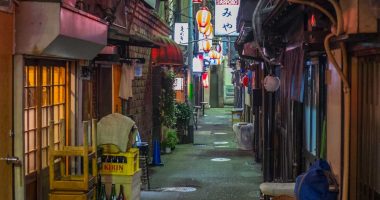
As the sun sets, the district’s focus moves to Dogenzaka (Love Hotel Hill) and the hidden drinking alleys. Nonbei Yokocho (Drunkard’s Alley) is a preserved relic of the post-war era, where tiny bars—some only fitting four people—serve yakitori and highballs under the shadow of the Scramble Square tower. For those seeking the legendary “Shibuya Sound,” the backstreets of Udagawacho remain the world’s highest density of independent record stores, keeping the spirit of analog music alive in a digital age.
The Resurfaced Shibuya River
One of the most ambitious parts of the current redevelopment is the resurfacing of the Shibuya River. For decades, this waterway was funneled underground through concrete pipes. With the completion of Shibuya Stream, a portion of the river has been brought back to the surface, accompanied by a 600-meter-long riverside promenade lined with outdoor cafes and creative workspaces. This area, which houses the Google Japan headquarters, has become the “Silicon Valley” of Tokyo, attracting a new generation of tech-savvy entrepreneurs to the district.
A Brief History of Shibuya
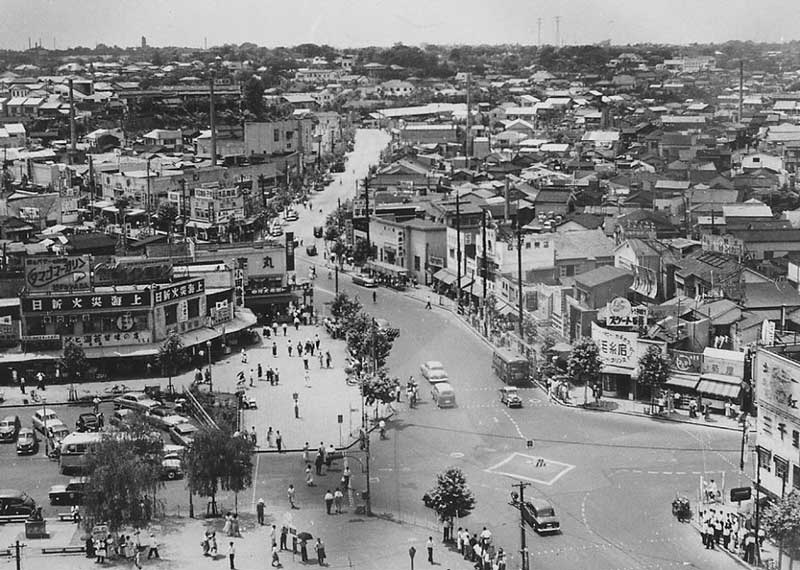
It is difficult to imagine that Shibuya was once a quiet suburban stop surrounded by tea fields and farmland. Its station opened in 1885, but it wasn’t until the post-war era that the area became a catalyst for youth culture. After the air raids of 1945, the ruins became prime territory for black market traders, which eventually evolved into a competitive commercial hub led by rival department stores like Tokyu and Seibu. This rivalry fueled the rapid construction of fashion towers and theaters, solidifying Shibuya as the epicenter of fashion and pop culture—a legacy that continues even as the district reinvents itself for the 21st century.
Logistics and Station Navigation
Shibuya Station is one of the world’s most complex transport nodes. While the redevelopment has simplified many connections, travelers should still allow extra time when transferring between JR and the subway lines. The East Exit is best for access to Scramble Square and Shibuya Hikarie, while the Hachiko Exit remains the primary portal for the Scramble Crossing and Center Gai.
| Station Exit | Line(s) | Best For… |
|---|---|---|
| Hachiko Exit | JR Yamanote, Ginza, Hanzomon | Scramble Crossing, Hachiko, Center Gai, 109 |
| Miyamasuzaka Exit | JR, Fukutoshin Line | Miyashita Park, Shibuya Axsh, Aoyama Access |
| C2 Exit (Stream) | Tokyu Toyoko, Den-en-toshi | Shibuya Stream, River Walk, Sakura Stage |