
The area on which Yoyogi Park (代々木公園) now stands was a military parade ground for the Imperial Army until a housing complex for U.S. military personnel called “Washington Heights” was established in 1946. In fact, the heavy Western ambience of Omotesando Dori and the surrounding streets owes much to this U.S. military presence: shops began to open along the road selling Western goods, the forerunners of what we see today.
U.S. military personnel that remained in Japan were gradually relocated from Washington Heights and the complex was converted into an Olympic Village for the 1964 Tokyo games before being demolished (only one hut remains). The grounds were then renovated and opened to the public as Yoyogi Park in 1967. Unlike the nearby Meiji Jingu, which serves as a site of quiet solemnity, Yoyogi was designed as a “people’s park”—a sprawling, uninhibited space where the city’s various subcultures could find a rare “lull” from the rigid social expectations of the salaryman world.
A Hub of Subcultures and Greenery
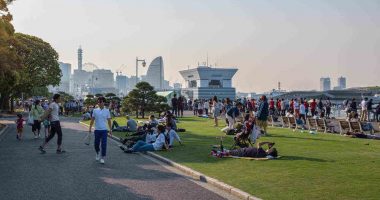
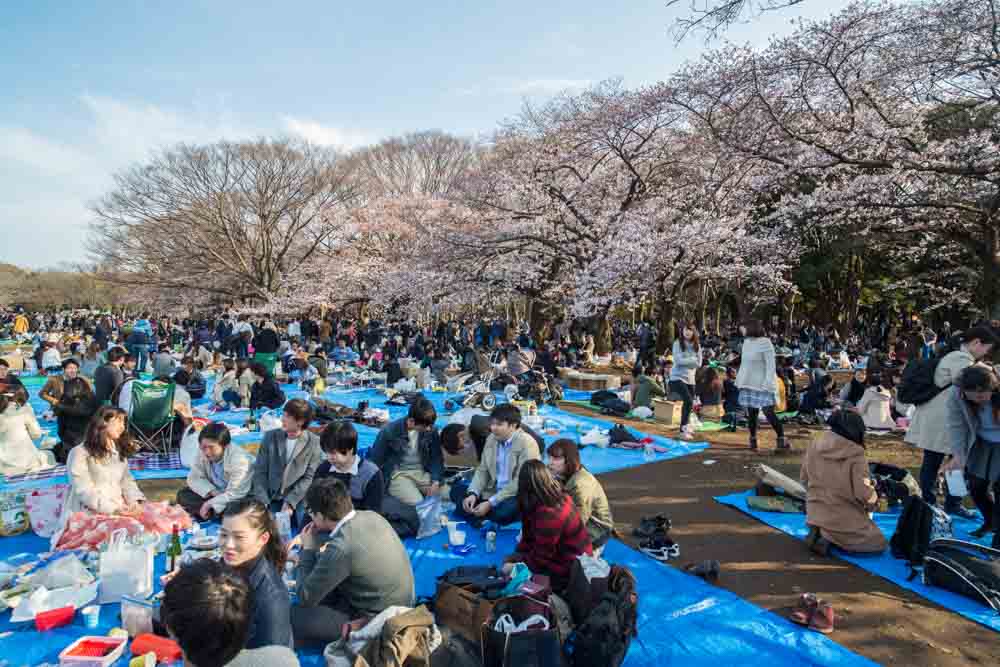
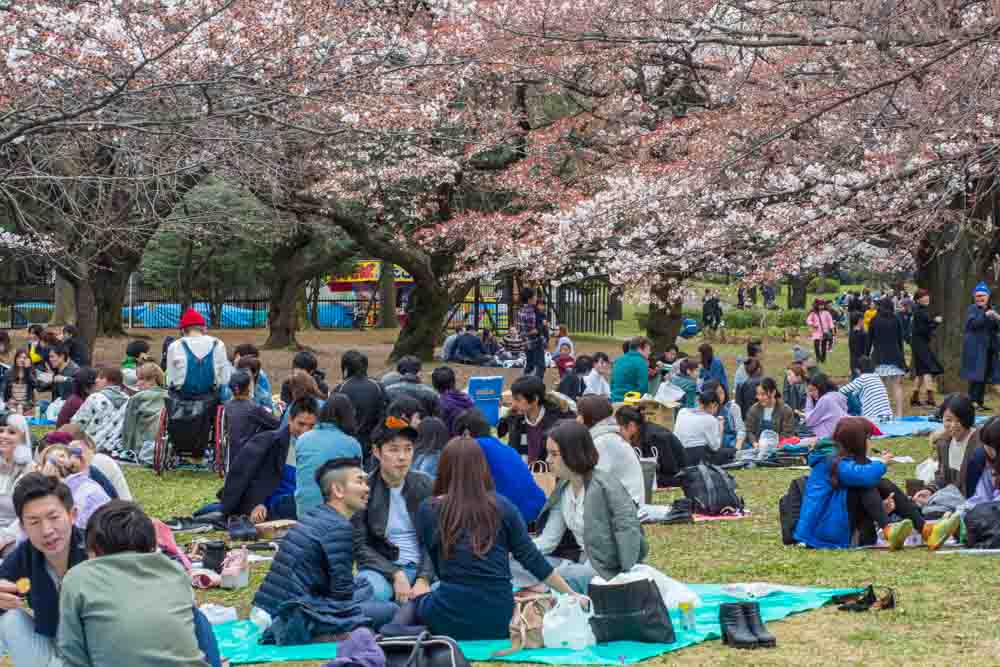
Today, Yoyogi is a vibrant center for community expression. Entrance is free and there is even a dedicated cycle route that weaves through the northern forested section. Stroll through at the weekend and you will see teenage girls practicing dance routines, bands rehearsing, and groups picnicking under the hundreds of cherry and ginkgo trees. The park’s central lawn provides one of the few places in central Tokyo where you can see a wide-open horizon, making it a favorite spot for frisbee, yoga, and large-scale hanami parties during the spring.

If you go on a Sunday, you may see the famous Tokyo Rockabilly Club dancing in the plaza near the Harajuku entrance. Clad in greased-back pompadours and battered leather jackets, these Elvis impersonators have been a fixture of the park for decades. Their presence, combined with the weekend flea markets and food festivals at the adjacent event plaza, ensures that Yoyogi Park remains the beating heart of Harajuku’s street culture. Whether you are there for the history or the people-watching, it is a quintessential Tokyo experience that remains etched in the memory of every visitor.
| Visitor Information | |
|---|---|
| Address | 2-1 Yoyogikamizonocho, Shibuya-ku, Tokyo 151-0052 (Google Maps) |
| Opening Hours | Open 24 hours |
| Price | Free |
| Website | Official Website |
| Access | ||
|---|---|---|
| Station | Line(s) | Details |
| Harajuku Station | JR Yamanote Line | 3-minute walk from the Omotesando Exit. |
| Yoyogi-koen | Tokyo Metro Chiyoda Line | 3-minute walk from Exit 3. |
| Yoyogi-hachiman | Odakyu Line | 6-minute walk. |