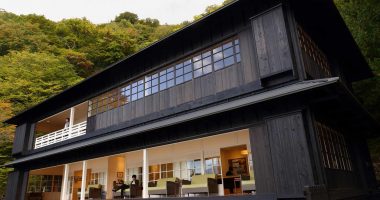
This residence in the backstreets of Shibamata was once the home of Yamamoto Einosuke, a businessman who made his fortune through the manufacture of camera parts and moved to Shibamata after the Great Kanto Earthquake in 1923 destroyed his home. The house draws on elements of both Japanese and Western architecture, and is one of the best examples of sukiya-zukuri—a typical Japanese design for homes with origins in the early Edo period. The thin shoji panels throughout the house, as well as the glass exterior walls through which visitors can view the beautiful Japanese garden, all serve to create a sense of spaciousness and tranquility.
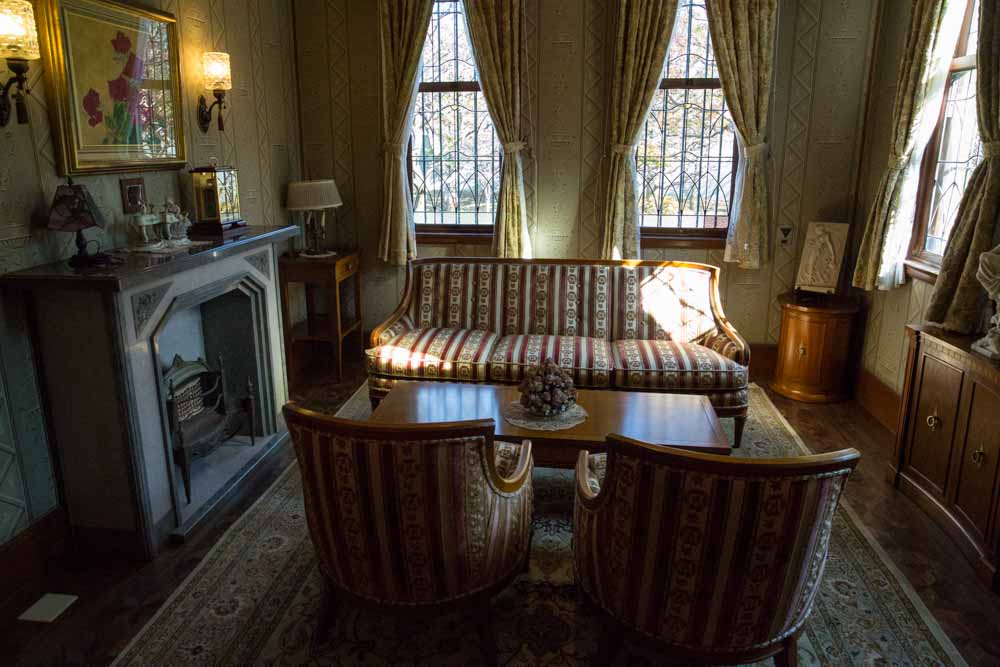
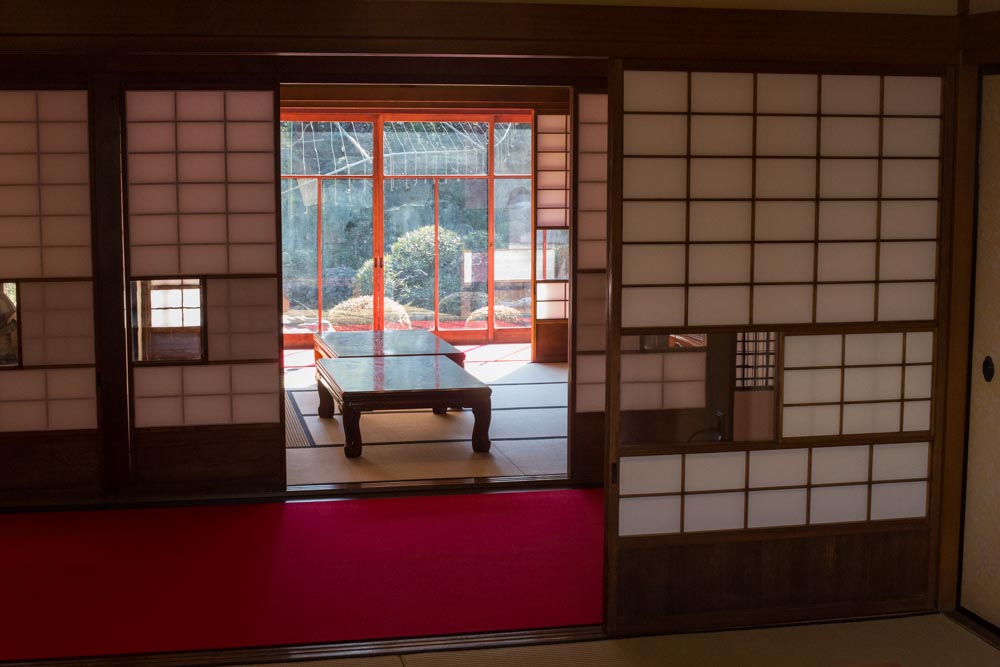
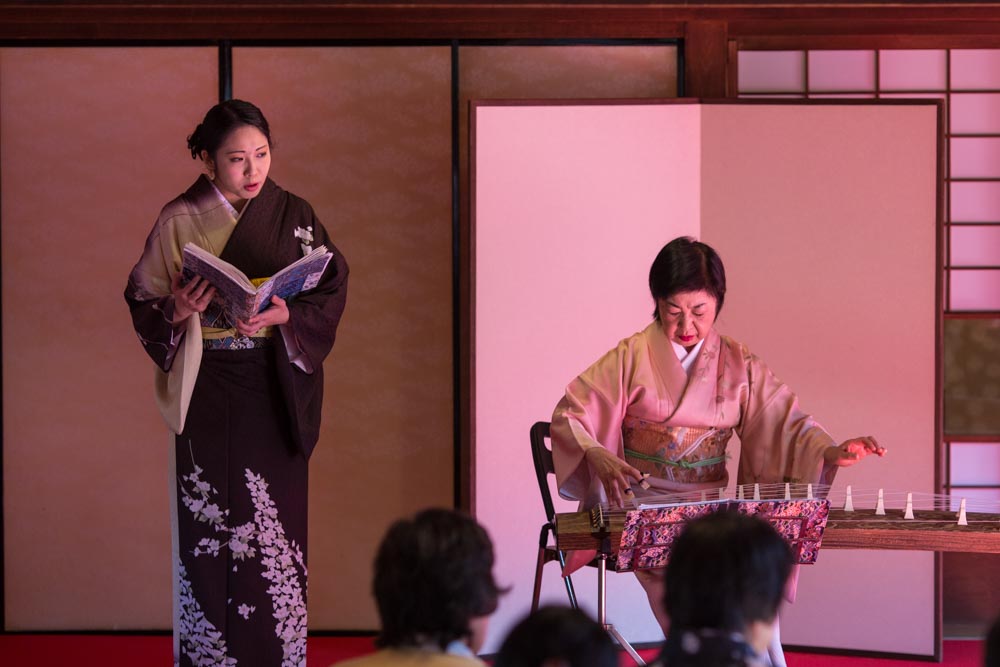
The building was acquired by Katsushika City Ward in 1988 and opened to the public in March 1991. The main living space is used as a tea room where visitors can drink matcha while looking out onto the garden or (on certain days) enjoying a traditional performance.