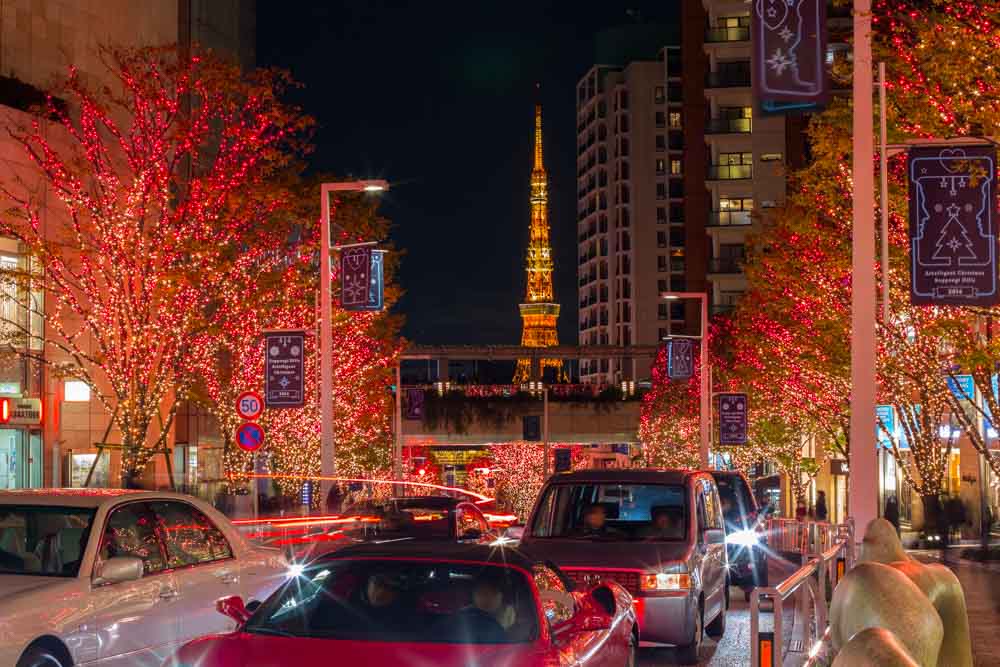
Roppongi (六本木) is a district defined by a striking dual identity. By day, it is one of Tokyo’s premier cultural and design hubs, home to world-class museums and architectural landmarks. By night, it transforms into the city’s most international entertainment district, offering an array of high-end bars, members-only lounges, and high-energy nightclubs that cater to both the local elite and the global expat community.
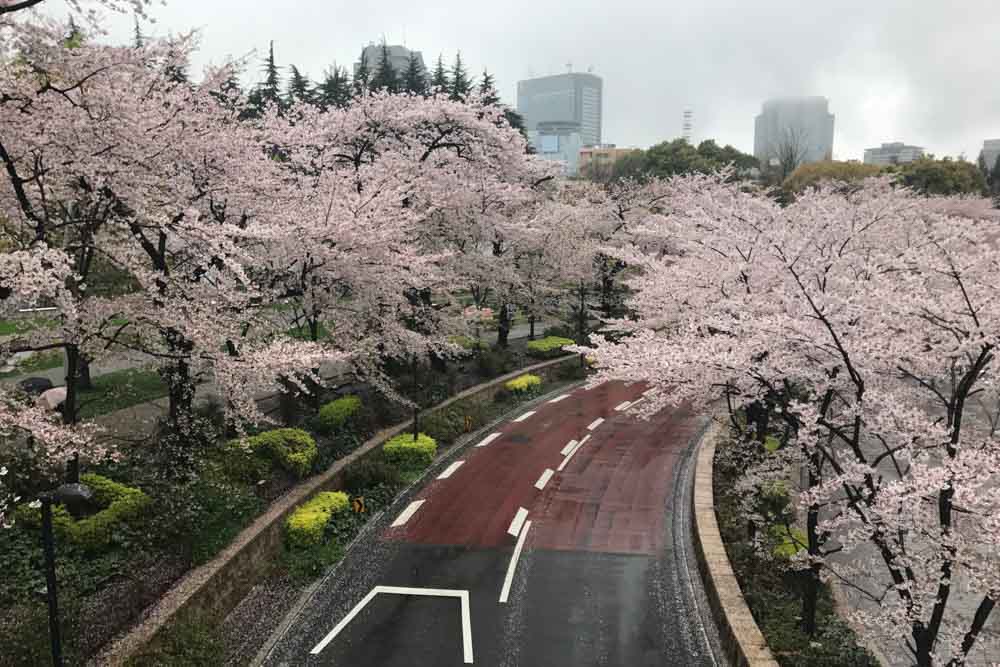
Tokyo Midtown Cherry Blossoms
The lush parklands of Tokyo Midtown are a centerpiece of the district’s modern identity.

The Roppongi Art Triangle

In recent years, Roppongi has successfully reinvented itself as a center for the arts. This transformation is anchored by the Roppongi Art Triangle, a trio of world-class institutions located within a 10-minute walk of one another:

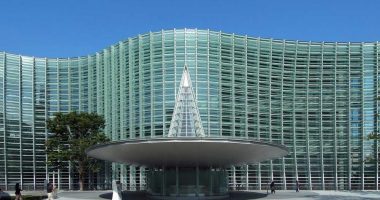
  • The National Art Center, Tokyo: One of Japan’s largest exhibition spaces, housed in a stunning glass-wave building designed by Kisho Kurokawa.
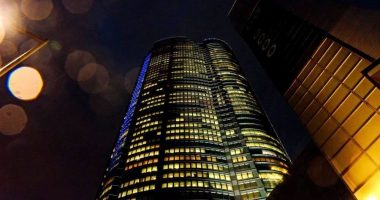
  • Mori Art Museum: Located at the top of the Roppongi Hills Mori Tower, it focuses on contemporary global art and offers spectacular views of the city.
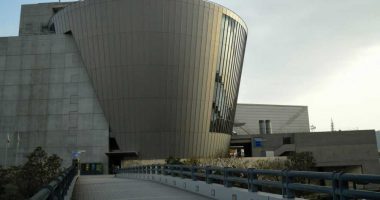
  • Suntory Museum of Art: Found within Tokyo Midtown, this museum focuses on traditional Japanese arts and crafts, bridging the gap between the modern and the classical.

Urban Redevelopment: Hills and Gardens

The district is dominated by massive “city within a city” complexes. Roppongi Hills and Tokyo Midtown are established icons of luxury shopping and dining, but the area has been further expanded by Azabudai Hills. This newest development features Japan’s tallest skyscraper, the Mori JP Tower, and serves as the permanent home for the world-renowned immersive digital art experience, teamLab Borderless. These complexes provide a sophisticated alternative to the district’s grittier nightlife roots, offering lush public gardens and refined residential zones.

Nightlife and Entertainment

While its cultural profile has risen, Roppongi remains Tokyo’s primary nightlife mecca for international visitors. The area surrounding the main intersection is packed with bars and clubs where English is frequently the primary language. For a more “domestic” and refined experience, many visitors head toward the adjacent Azabu-Juban neighborhood, known for its chic bistros and traditional shopping street, or seek out the more discreet, high-end cocktail lounges hidden in the backstreets of the Hills complexes.

History of Roppongi

Roppongi’s development as an entertainment playground is rooted in its military history. Originally home to the Japanese Imperial Army, the area was occupied by U.S. military forces following World War II. The presence of American barracks led to a proliferation of Western-style bars and restaurants. As the occupation ended, these venues remained, drawing in a generation of Japanese youth eager for international culture and “liberating” hedonism. The economic boom of the 1980s solidified its reputation as a high-spending party town, a legacy that evolved into the sophisticated, multi-faceted cultural district seen today.

Information
Location
Roppongi, Minato, Tokyo
« Google Maps »
Key Attractions

21_21 DESIGN SIGHT

Art and design space/venue created by architect Tadao Ando and fashion designer Issey Miyake.
10:00-19:00 (last admission is at 18:30). The museum is closed on Tuesdays and during exhibition changes.
Adults ¥1,100 with discounts for students

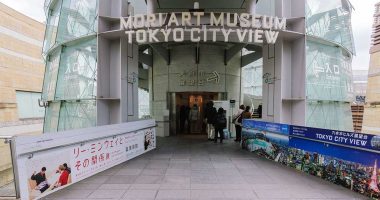
Mori Art Museum

Located on the 53rd floor of Roppongi Hills Mori Tower, the Mori Art Museum showcases anything from contemporary art to photographic documentaries and research projects. There are no permanent exhibitions.
10:00-22:00 (until 17:00 on Tuesdays)
Adults ¥1,800. Discounts available for students and children and advance purchases. The ticket price includes admission to the Tokyo City View observation deck located in the same building.

National Art Center

The National Art Center has no permanent exhibitions; instead its 14,000 square meters of floor space are used for temporary exhibitions ranging from paintings and photography to works by clothing designers.
10:00-18:00 (until 20:00 on Fridays). Closed on Tuesdays.
Prices depend on the exhibition

Roppongi Hills

Roppongi Hills is one of the most famous commercial complexes in Tokyo. It opened in 2003 to much fanfare and is today the centrepiece of the wider Roppongi re-development housing shops, restaurants, a cinema, the Grand Hyatt Tokyo, Mori Art Museum, and the Tokyo City View observation deck.
Shops 11:00-21:00 / Restaurants 11:00-23:00

Suntory Museum of Art

Art museum exhibiting works based on “Lifestyle Art”.
10:00-18:00 (until 20:00 on Fridays and Saturdays)
Prices vary depending on the exhibition. Participation in the tea ceremony is ¥1,000 (50 person limit)

Tokyo City View Observation Deck

Observation deck on the 52nd floor of Roppongi Hills Mori Tower. It also has a “Skydeck” (outside, rooftop observation deck) offering 360° views of the city.
10:00-23:00 (25:00 on Fridays and Saturdays, and the day before a national holiday). The Skydeck is open 11:00-20:00
Adults ¥1,800 with discounts for students and children. Additional ¥500 charge for access to the Skydeck.

Tokyo Midtown

Opened in 2007, the Tokyo Midtown complex contains offices, shops, restaurants, as well as the Suntory Museum of Art.
Shops 11:00-21:00 / Restaurants 11:00-24:00
Events & Festivals in the Area

Roppongi Hills Craft Sake Week

Apr 17Apr 29
Roppongi Hills Craft Sake Week is a premier cultural festival celebrating rice wine and artisanal heritage. Founded by…

Roppongi Hills Bon Odori

Late Aug 2026
The annual Roppongi Hills bon odori brings a vibrant touch of traditional summer culture to one of Tokyo’s…

Roppongi Art Night

Late Oct 〜 Early Nov 2026
Roppongi Art Night is a contemporary art festival that transforms the Roppongi district into an expansive open-air gallery.…

Tokyo International Art Fair

Nov 27Nov 28
The Tokyo International Art Fair features paintings, sculptures, photography, illustration, and multimedia artworks by award-winning and top emerging…

Roppongi Hills Christmas Market

Late Nov 〜 Late Dec 2026
The Roppongi Hills Christmas Market is held annually at Oyane Plaza, the sheltered walkway adjacent to the Roppongi…
You May Also Like

Ebisu

From contemporary izakaya and Spanish wine bars to gourmet burger joints and Michelin-starred French institutions, Ebisu (恵比寿) is…

Sugamo & Jizo-Dori Shopping

Sugamo Jizo-dori (巣鴨地蔵通り) is an 800-meter-long shopping street that offers one of Tokyo’s most endearing cultural snapshots. Affectionately…

Ginza

Ginza (銀座) is to Tokyo what Regent Street is to London or Fifth Avenue is to New York.…

Asahikawa

Asahikawa (旭川) is Hokkaido’s second biggest city after Sapporo. It is not a major tourist destination, although visitors…