Yokoamicho Park
Yokoamicho Park (横網町公園) is one of Tokyo’s most somber and significant spaces of reflection. Tucked away in the Ryogoku district, just a short walk from the Sumo Hall, this green expanse serves as a dual memorial to two of the greatest tragedies in the city’s history: the 1923 Great Kanto Earthquake and the World War II air raids. While many Tokyo parks are designed for recreation, Yokoamicho is a place of profound silence, dedicated to the resilience of a city that has been forced to rebuild itself from the ashes twice in a single century.
The Tragedy of the Army Clothing Depot
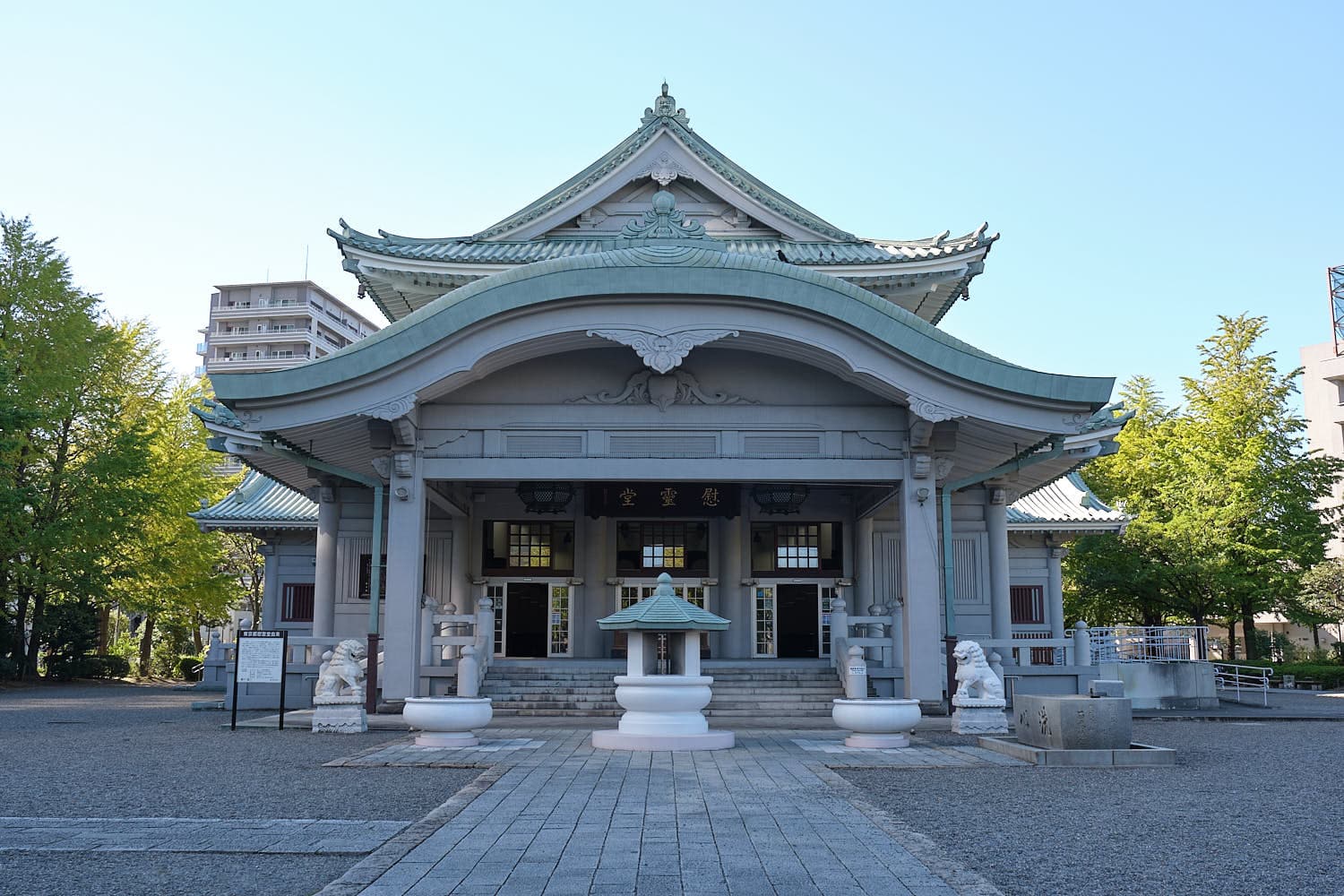
The site’s dark history began on September 1, 1923. At the time, the land was a vacant lot formerly occupied by the Army Clothing Depot. When the Great Kanto Earthquake struck at noon, tens of thousands of local residents fled to this open space, carrying their household belongings and furniture for safety. However, the earthquake sparked massive fires across the wooden city, which converged into a terrifying fire whirl—a tornado of fire—that swept through the park. Approximately 38,000 people perished at this single location in a matter of minutes. Today, the Tokyo Memorial Hall (Irei-do) stands on this exact spot.
Designed by Ito Chuta—the same architect responsible for Meiji Jingu—the hall is a striking fusion of Buddhist and Shinto styles, housing the charred remains of the victims in massive urns beneath its altar. The hall’s mission was expanded after 1945 to include the victims of the Great Tokyo Air Raid of March 10, 1945, where over 100,000 people were killed in a single night of incendiary bombing. The interior is a quiet, cavernous space where the names of hundreds of thousands of victims are preserved. Unlike many other monuments in the city, Yokoamicho does not shy away from the brutality of these events, serving as a blunt reminder of the vulnerability of urban life.
Museum of Reconstruction and Peaceful Reflection
Adjacent to the memorial hall is the Great Kanto Earthquake Memorial Museum (Fukkō Kinenkan). This facility houses a haunting collection of artifacts recovered from the ruins, including melted machinery, scorched household items, and large-scale dioramas that illustrate the extent of the 1923 destruction. The museum also chronicles the massive engineering and urban planning efforts required to modernize Tokyo in the aftermath, providing a fascinating look at how the city’s current layout was largely dictated by the recovery efforts of the 1920s.
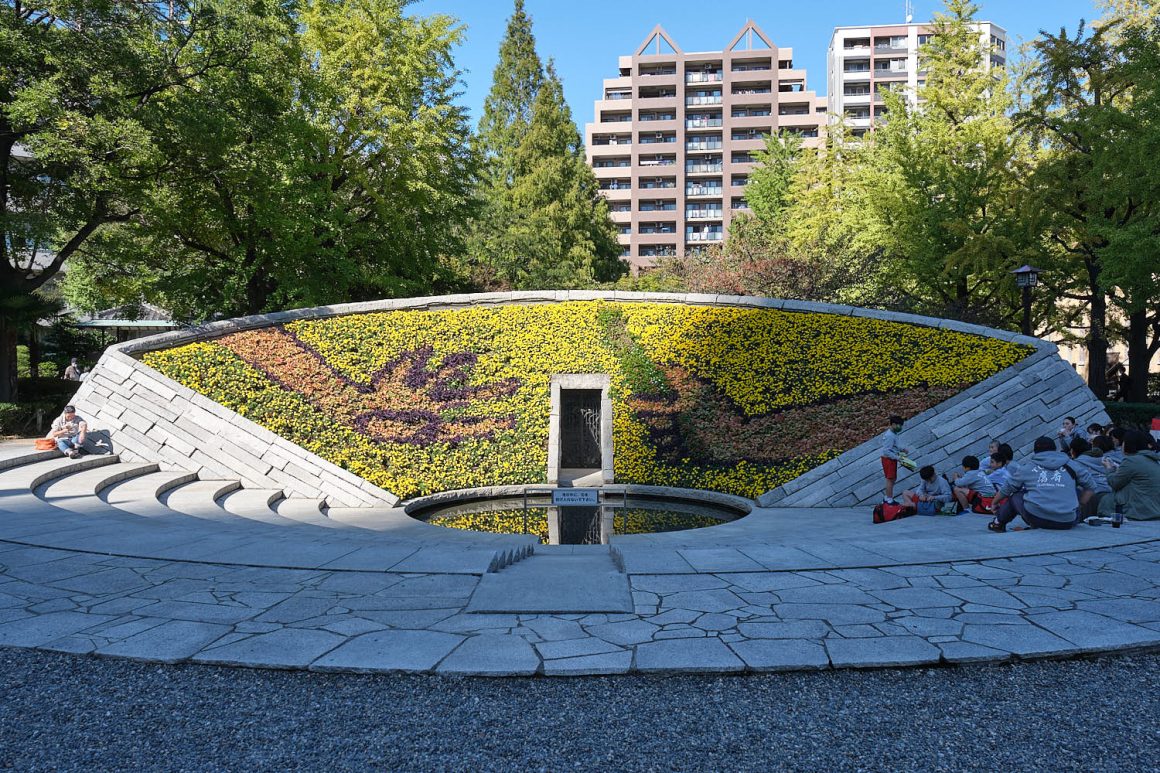
Despite its heavy history, the park itself is a model of tranquility. The Great Air Raid Memorial Monument features a beautiful flower garden that represents the city’s hope for a peaceful future. The park is also home to several smaller monuments donated by international communities and other Japanese prefectures in a show of solidarity during the reconstruction eras. A service is held on March 10 each year—the anniversary of the air raids—and a similar memorial service is held on September 1 to remember those who died in the earthquake. The Tokyo Memorial Hall is free to enter and open from 9:00 to 16:30, offering a necessary space for historical context in the heart of the city.
| Station | Line(s) | Access |
|---|---|---|
| Ryogoku (JR) | Chuo-Sobu Line | East Exit (10-minute walk) |
| Ryogoku (Toei) | Oedo Line | A1 Exit (2-minute walk) |