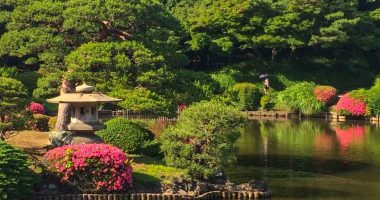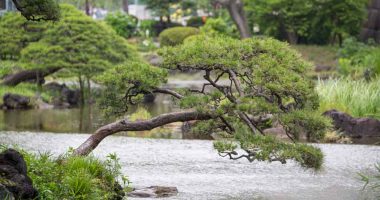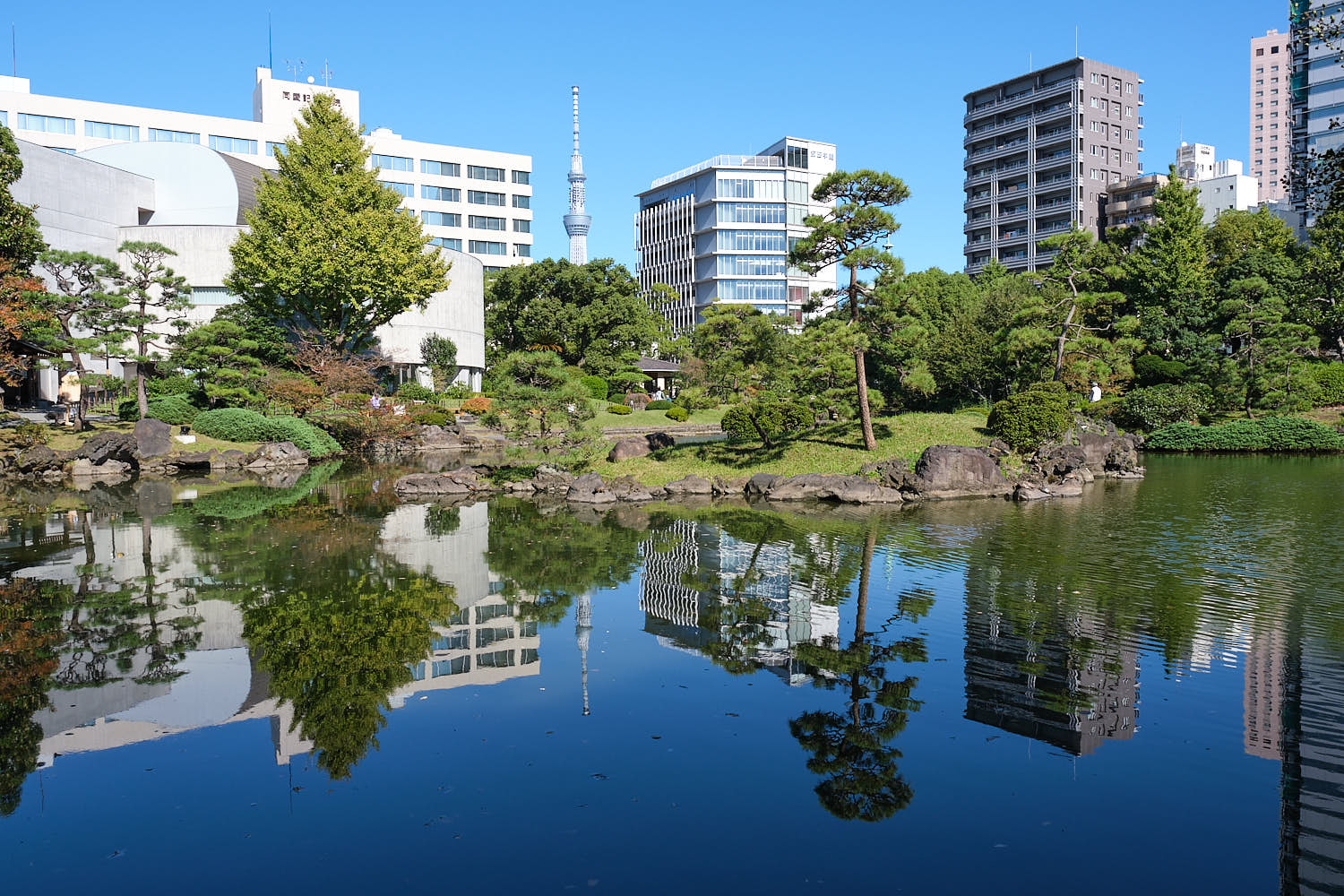
In the late 17th century Honjo Inabanokami Munesuke, a clan leader, received this land from the shogunate to use as a suburban residence. He used the land to construct a garden in a style closely resembling the nearby Kiyosumi Gardens.

The pond at the center of the garden is the shape of a heart and is filled directly with water from the Sumida River, and thus rises and falls with the river’s tide. This garden was re-modeled in 1894 by Zenjiro Yasuda, founder of the now dissolved Yasuda financial group (one of the four zaibatsu of Imperial Japan). In accordance with his dying wish, it was granted to Tokyo City in 1922 and subsequently opened to the public in 1927 under its current name, after a reconstruction process following its destruction in the Great Kanto Earthquake of 1923. It was handed over to Sumida City in 1967 and in 1971 fully restored to its original condition having suffered damage during the war and from the pollution of Sumida River.
Information
Location
Former Yasuda Garden, 1 Chome-12-1 Yokoami, Sumida, Tokyo 130-0015
« Google Maps »
Getting there
5-minute walk from JR Sobu Line Ryogoku Station; 5-minute walk from Subway Oedo Line Ryogoku Station.
Details
9:00-16:30
Free
You May Also Like

Yoyogi Park

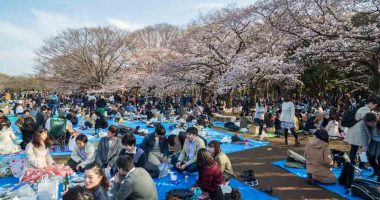
Large park west of Shibuya ward especially popular during the cherry blossoms which also served as an Olympic Village for the 1964 Tokyo games.

Shinjuku Gyoen National Garden

One of the most famous gardens in central Tokyo covering an area of almost 60 hectares. It opened to the public in 1949 and today is home to three gardens (traditional Japanese, French formal, English landscape) and a rock-landscaped greenhouse.

Hibiya Park

Park opened to the public in 1903 which was once the palace grounds of a feudal lord before being converted to military training grounds during the late 19th century. The park contains two open-air concert area, sports facilities, restaurants, and a library.

Yamashita Park

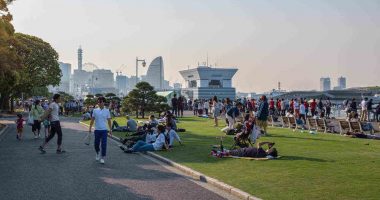
Yamashita Park was built on reclaimed land following the Great Kanto Earthquake of 1923 and today is one of the most relaxing places in the city. From the park you can clearly see the Hikawa Maru ocean liner which was taken out of service in 1960 and now serves as a museum.