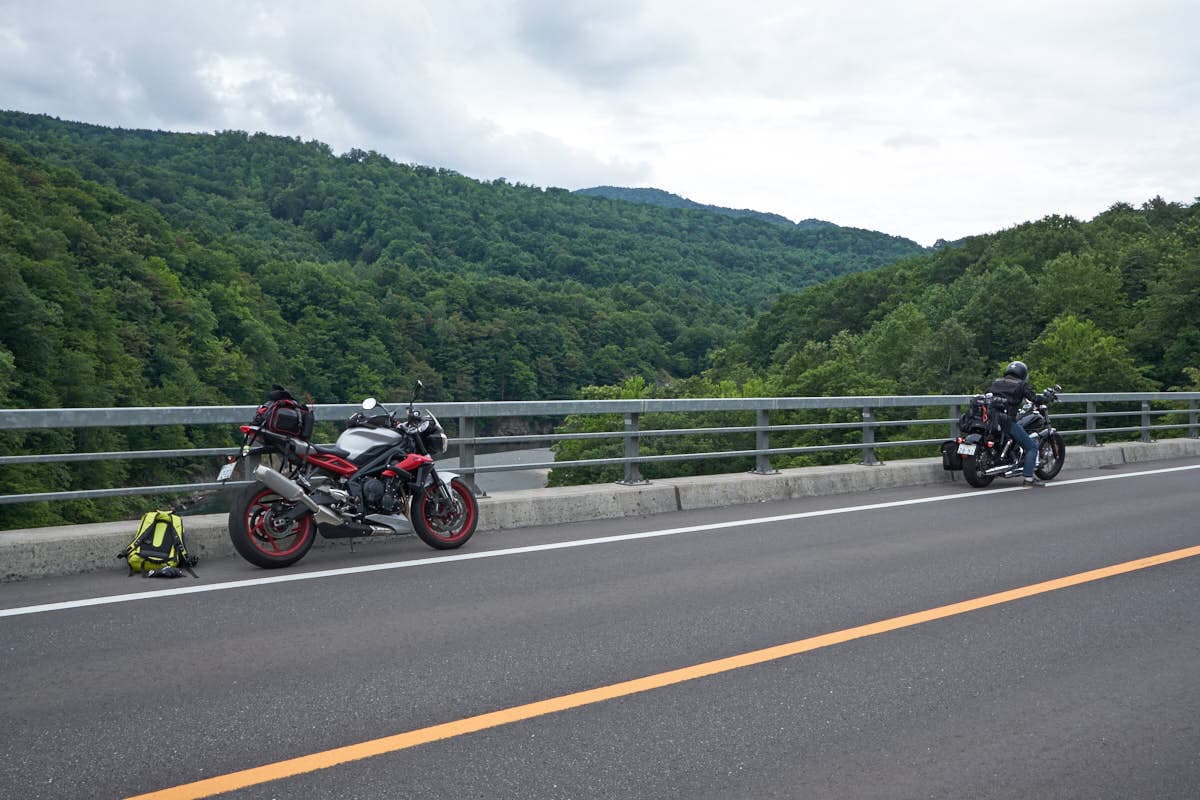
Motorcycling in Japan
Japan is in many ways an ideal country to explore by motorbike. With its high-quality road maintenance, vast mountain ranges, and an abundance of well-managed, affordable campsites, it offers a sense of freedom that even the world-class public transport system cannot match once you move outside the major metropolitan hubs. Whether you are leaning into a hairpin turn on a mountain pass or cruising along a coastal “skyline,” motorcycling in Japan is a transformative experience that rewards preparation and respect for local etiquette.
Iconic Routes and the “Mecca” of Hokkaido
While the image of riding past a lit-up Tokyo Tower on the Shuto Expressway is iconic, motorcycling within central Tokyo is often a high-stress experience. The capital’s road network is defined by heavy traffic, complex multi-level signage, and specific “no-motorcycle” zones—such as certain underground passes and tunnels—that are not always clearly marked for riders. However, within an hour of the city, the green expanses of the Boso Peninsula in Chiba or the scenic coastal routes of Miura provide some of the best day-trip riding in the country.
For those looking for a longer pilgrimage, Hokkaido is widely considered the “Mecca” of Japanese touring. The northern island offers wide-open landscapes and straight-to-the-horizon roads that are a resolute guardian of the traditional touring spirit. Every summer, thousands of riders descend on Hokkaido to experience the “Hokuto” culture, where the cool northern air provides vital relief from the sweltering humidity of the mainland. Key routes like the Patchwork Road in Biei or the Shiretoko Pass offer vistas that feel entirely detached from the rest of the archipelago.
Closer to Tokyo, the Izu Peninsula and the Nagano highlands offer world-class “Skyline” routes. The Izu Skyline provides a ridgeline cruise with views of Mount Fuji on one side and the Pacific Ocean on the other. Meanwhile, the Venus Line in Nagano takes riders through high-altitude marshes and alpine meadows, showcasing the technical ingenuity of Japan’s high-elevation road engineering. These routes are high-value targets for any serious rider, though they require a keen eye for local traffic flow and weather shifts.
Etiquette, “Yaeh,” and Rider Houses
Japanese motorcycling culture is built on a foundation of mutual respect and camaraderie. On rural mountain passes, you will often see riders waving or nodding to one another. This is known locally as “Yaeh” (a deliberate misspelling of “Yeah”). It signals that you are part of the collective “vibe” of the road, acknowledging the shared freedom of the journey.
Accommodation for riders also carries its own unique charm. Beyond standard hotels and campsites, Japan offers “Rider Houses.” These are ultra-budget, often rustic lodges specifically designed for motorcyclists. Usually found in Hokkaido and rural Kyushu, a Rider House might be a converted train car, a warehouse, or a simple shared room above a restaurant. They act as a resolute guardian of the social aspect of touring, where riders gather in the evening to share maps, mechanical tips, and stories. For a few hundred yen, or sometimes just the cost of a meal, they provide a high-value social experience that you won’t find in a sterile city hotel.
Logistics: Gear, Gas, and Insurance
One of the best “pro tips” for touring Japan is utilizing the Ta-Q-Bin (Takkyubin) service, primarily operated by Yamato Transport. For a small fee, you can ship your heavy riding gear or luggage from the airport directly to your rental shop or first hotel. This allows you to navigate the train system in comfort before transitioning into your riding gear once you reach your bike. This level of logistical technical ingenuity is what makes Japan such a high-value destination for international travelers.
Refueling Nuances
Gas stations in Japan come in two varieties: Full Service and Self. In a full-service station, a team of attendants will often bow as you enter, guide you to a pump, and even offer to wipe your visor or mirrors. In contrast, “Self” stations require you to navigate a Japanese-only touch screen. Always carry a bit of cash, as some older rural stations may not accept international credit cards.
The Two Tiers of Insurance
Understanding insurance is critical before hitting the road. Every motorcycle in Japan must have Jibaiseki (Compulsory Automobile Liability Insurance). However, this is design only to cover the other person’s medical bills in an accident; it does not cover property damage or your own injuries. It is essential to ensure your rental or private bike has Nin-i Hoken (Optional Insurance). This secondary tier provides the high-value coverage needed for property damage and personal liability, ensuring that a simple mistake doesn’t end your trip in financial ruin.
Essential Regulations Recap
| Regulation Type | Requirement / Rule | Context |
|---|---|---|
| Licensing | IDP (1949 Geneva) or JAF Translation | Must have “Category A” stamped on IDP. |
| Expressway Access | 126cc Minimum Displacement | 125cc scooters are strictly prohibited. |
| Tolls | ETC 2.0 Card Recommended | Cash lanes are increasingly rare in 2026. |
| Tandem Riding | 20+ years old / 3 years exp. | Restricted on certain Tokyo Shuto sections. |
| Parking | Designated Lots Only | Strict enforcement; sidewalk parking is fined. |
Michi-no-Eki and the “Roadside” Lifestyle
No ride is complete without a stop at a Michi-no-Eki (Roadside Station). These are not merely parking lots; they are architectural lulls that offer regional specialty foods, local crafts, and often Onsen (hot springs). A weirdly mandatory tradition among Japanese riders is eating the regional soft-serve ice cream at these stations, regardless of the temperature. These hubs provide an opportunity to rest, hydrate, before hitting the road again.
Seasonality and Safety Warnings
Timing is everything when planning your ride. The Rainy Season (tsuyu) typically consumes much of June, making long-distance touring a soggy affair. August is the peak of the Typhoon season, where heavy winds can make bridge crossings and coastal riding dangerous. The best window for the mainland is typically May (after Golden Week) or October/November for the autumn colors.
Finally, be aware of winter closures. Many of the best mountain passes in Tohoku, Nagano, and Hokkaido are physically gated and closed from late November through April due to heavy snow. Always check for “Tokei-dome” (winter closures) on your route planning apps. Stay safe, respect the limits, and enjoy the unparalleled freedom of the Japanese open road.