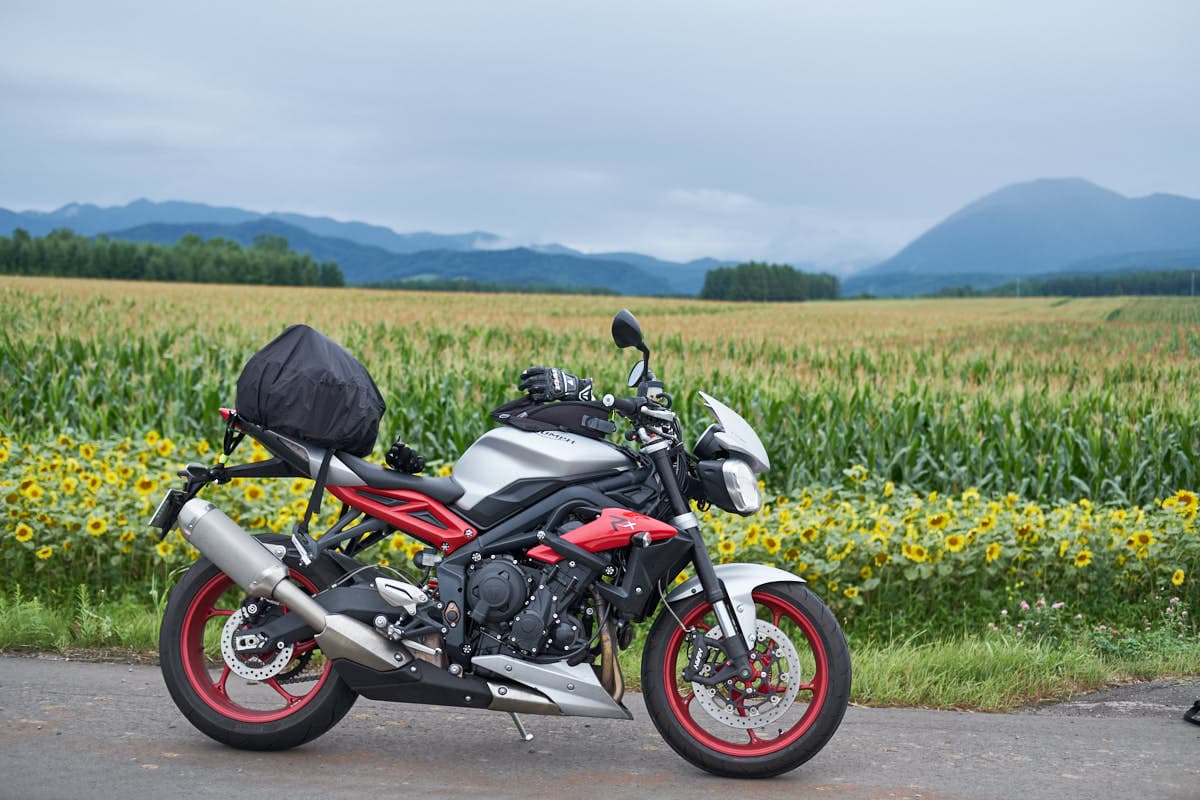
Motorcycling in Hokkaido
Of all the regions for motorcycling in Japan, Hokkaido must come top of the list. It is known as the “Riders’ Holy Ground” for good reason: quiet long straight roads, winding mountain passes, almost no traffic lights, and even fewer police. While the rest of the Japanese archipelago is defined by dense urban clusters and technical, tight mountain hairpins, Hokkaido offers a sense of scale and freedom that bridges the gap between the traditional Japanese experience and the wide-open vistas of the American West.
Getting there
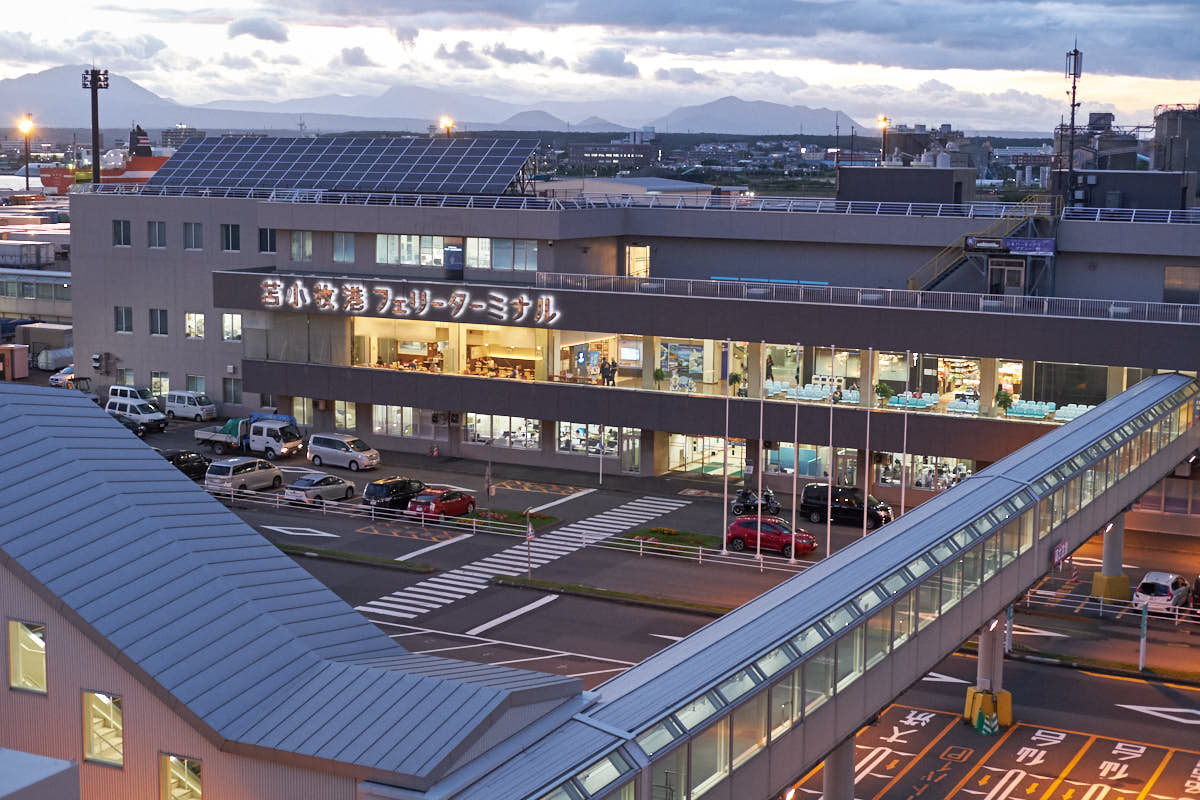
Unless you live in Hokkaido or want to rent a motorcycle locally, you’re going to need to take the ferry. There is no bridge or underground tunnel that connects Hokkaido with the main island for vehicle traffic; the 54-kilometer Seikan Tunnel is reserved strictly for trains. The inter-regional ferries are an experience in themselves: riders gather to drink beer, share route tips, and sleep in communal zako-ne (matted) rooms.
Ferries typically arrive at three major ports: Otaru, Tomakomai, and Muroran. Your arrival point depends on your departure port—popular options include Oarai (Ibaraki), Sendai, or even as far south as Nagoya or Maizuru. For many, the overnight journey is a rite of passage.
When is the touring season?
The peak season is mid-July to mid-August, especially around the Obon holiday. However, the true connoisseurs often prefer June or September. In June, the island is vibrant with wildflowers and the rainy season (tsuyu) that plagues the rest of Japan rarely reaches these northern latitudes. September offers a sophisticated architectural lull in temperature and the start of Japan’s earliest autumn colors in the Daisetsuzan National Park.
Be aware that either side of these months carries a high risk of snow, particularly on mountain passes like the Shiretoko Pass. During winter, the heavy snowfall makes motorbike touring physically impossible.
What are the roads like?
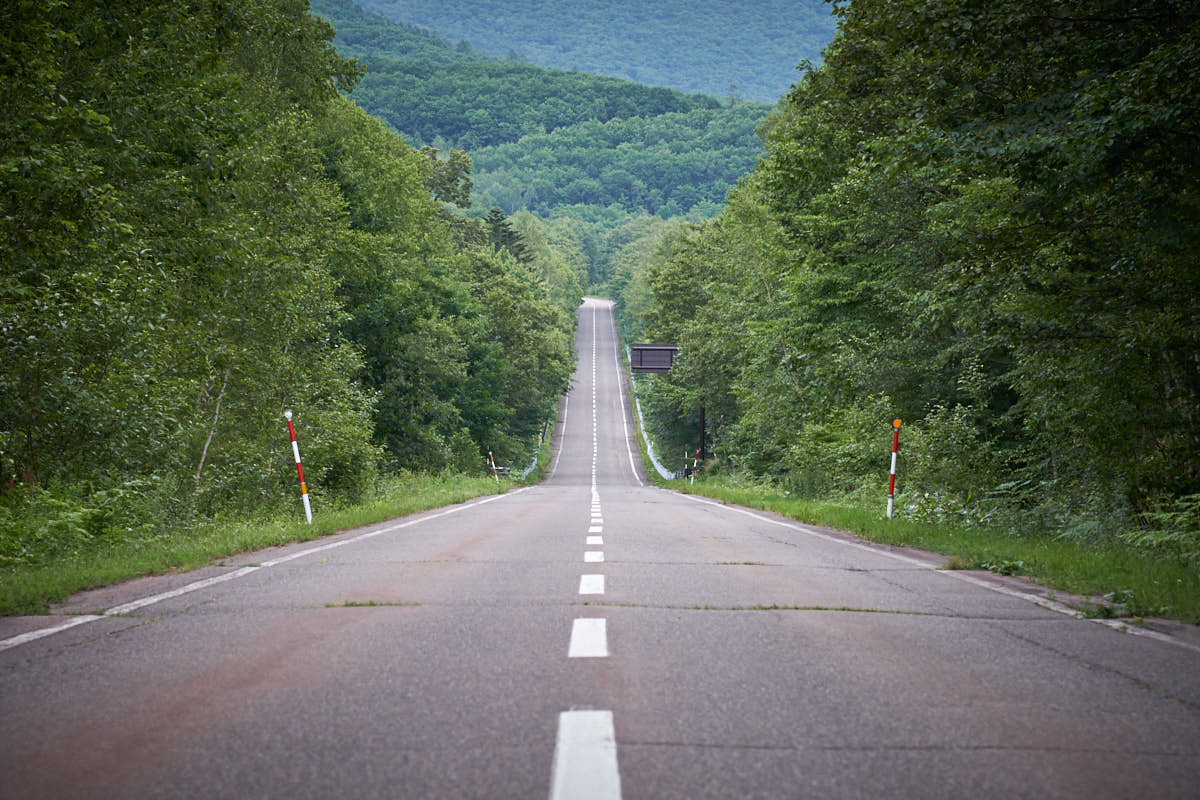
In a word: fantastic. It’s the reason why so many bikers are attracted to Hokkaido in the first place. On some routes, such as the Esashi Highway or the Soya Scenic Road, you can ride for miles before meeting oncoming traffic or encountering a traffic light.
However, the island’s vastness means the terrain is varied. While the main arteries are smooth and well-maintained, some minor roads are dirt tracks better suited for adventure bikes. This has led to a surge in popularity for “dual-sport” machines that give riders the freedom to head just about anywhere, from the volcanic peaks to the hidden coastal shrines.
Hokkaido-Specific Challenges
Hokkaido is a vast expanse of farmland and mountain regions, and much of the east and north side of the island is sparsely populated. This means gasoline stations can be few and far between. It is a resolute rule of the road here: never pass a gas station if your tank is half empty. Furthermore, many rural stations close early or remain shuttered on Sundays, so a bit of forward planning is essential to avoid a logistical nightmare in the wilderness.
Wildlife is another high-stakes factor. The Ezo Sika Deer are numerous and remarkably bold, often jumping onto the road at dusk. Meeting one at speed is a genuine danger. You will also likely encounter the Kita-kitsune (Northern Fox); while they look photogenic, they are often carriers of Echinococcus parasites and should never be fed or touched.
The “Yaeh” Culture and Rider Houses
There’s a dedicated riding cult in Hokkaido. There is an unwritten custom of waving to oncoming bikers—often referred to as “Yaeh” (a playful misspelling of “Yeah”). This isn’t a casual nod; in Hokkaido, it is often a frantic, celebratory punch of the air.
Whether you are chasing the sunset at Cape Soya or navigating the fog of Lake Mashu, Hokkaido remains the undisputed champion of the Japanese open road.
| Region | Route Highlight | Vibe / Feature |
|---|---|---|
| Biei / Furano | Patchwork Road | Rolling hills and lavender fields. |
| Shiretoko | Shiretoko Pass | Technical hairpins with views of Kunashiri Island. |
| Wakkanai | White Path (Soya) | Road made of crushed scallop shells at the northern tip. |
| Kushiro | Marshland Road | Wide-open wetlands and crane sightings. |