Nikko
Nikko (日光, Nikkō) is a serene mountain town in Tochigi Prefecture that serves as the gateway to the vast Nikko National Park. While often visited as a day trip from Tokyo, the region’s immense cultural and natural diversity warrants a much deeper exploration. The name Nikko literally translates to “sunlight,” a fitting moniker for a place that has been a center of Shinto and Buddhist worship for over 1,200 years. Today, the term “Nikko” generally encompasses two distinct areas: the lower town, which houses some of Japan’s most opulent religious architecture, and Okunikko, the higher-altitude wilderness to the west characterized by volcanic lakes, thunderous waterfalls, and high-moor marshlands.
The region is world-renowned for its connection to the Tokugawa Shogunate, particularly as the resting place of Tokugawa Ieyasu, the founder of the dynasty that ruled Japan for two and a half centuries. However, its spiritual roots go even deeper, reaching back to the 8th century when the Buddhist monk Shodo Shonin established the first mountain oratory. This blend of ancient mountain worship and Edo-period political power created a cultural landscape so significant that it was registered as a UNESCO World Heritage site in 1999. Beyond the history, Nikko is arguably Japan’s premier destination for autumn foliage. The seasonal transformation begins in late September in the high elevations of the mountains and gradually descends toward the town by early November, painting the landscape in vivid crimsons and golds.
The Sacred Heart: Shrines and Temples of the Town
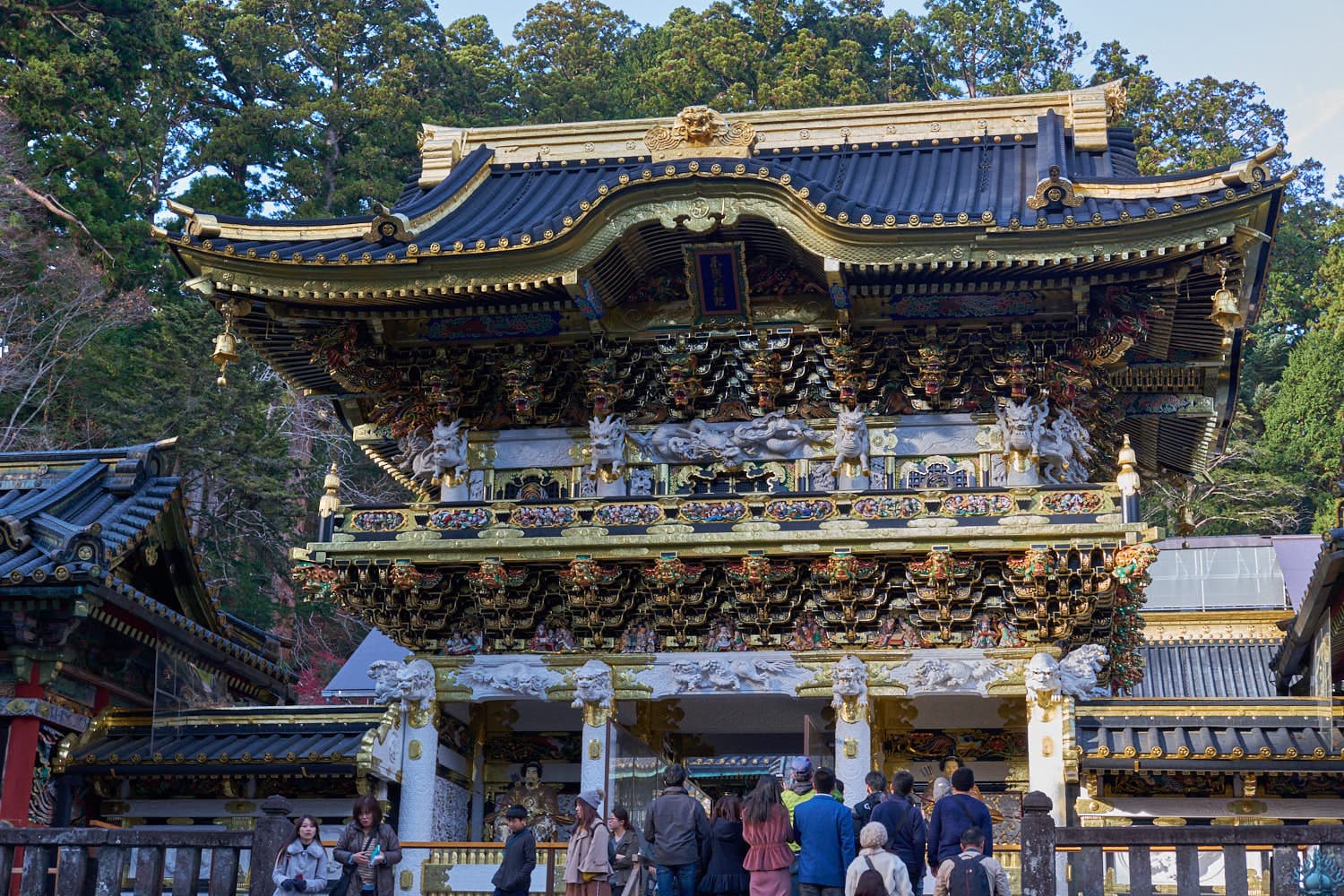
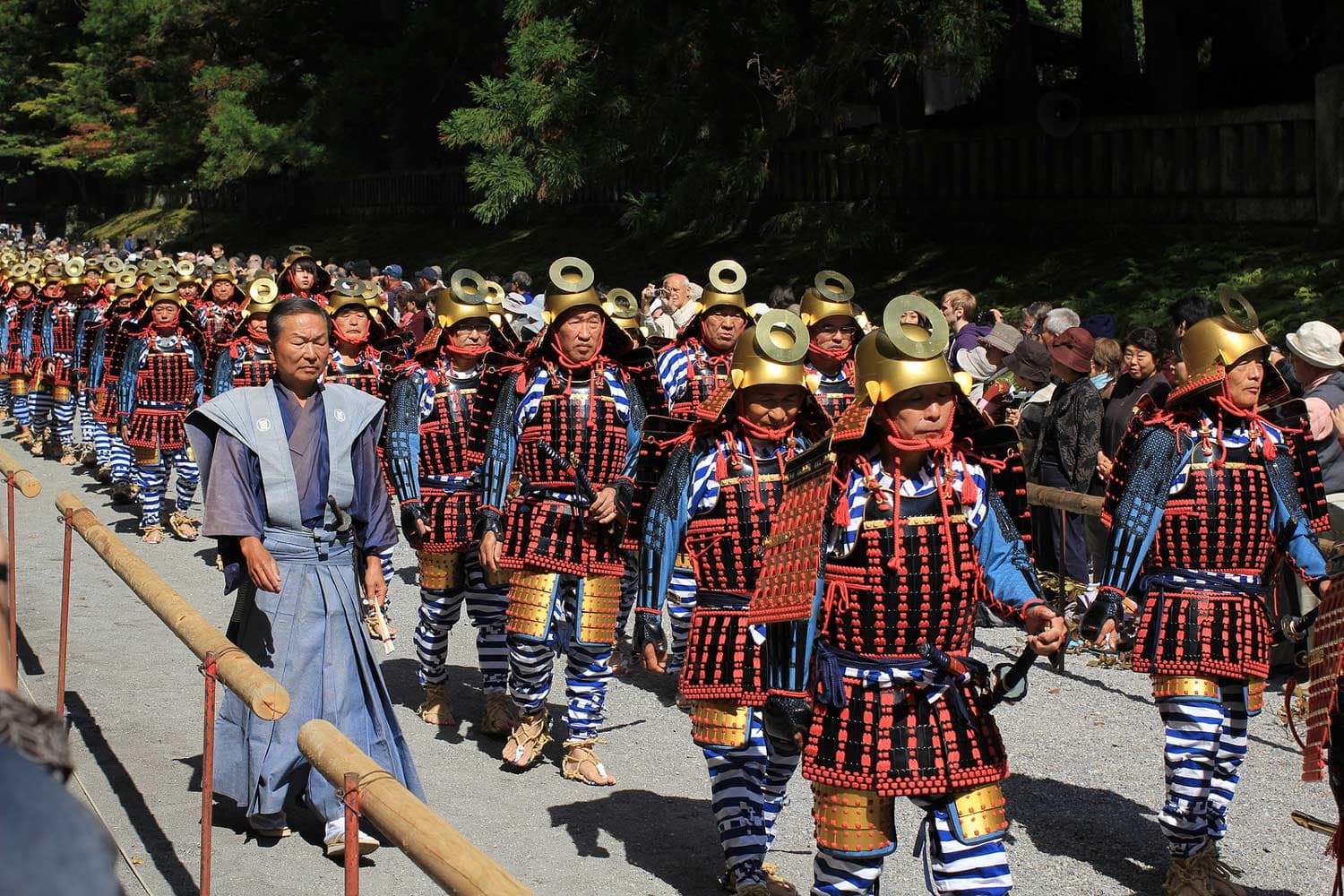
The cultural epicenter of the region is the Toshogu Shrine complex. Unlike the minimalist aesthetic found in many Japanese religious sites, Toshogu is an explosion of color, gold leaf, and intricate wood carvings. The architecture follows the Gongen-zukuri style, where the main hall and the worship hall are connected under a single roof. Every surface is adorned with symbolic imagery, the most famous being the Three Wise Monkeys—representing the “see no evil, hear no evil, speak no evil” maxim—and the Nemurineko (Sleeping Cat), a tiny carving that symbolizes the peace of the newly unified Edo Japan. The forest surrounding the shrine consists of thousands of towering cryptomeria (Japanese cedar) trees, many of which were planted centuries ago as a tribute to the deified Ieyasu.
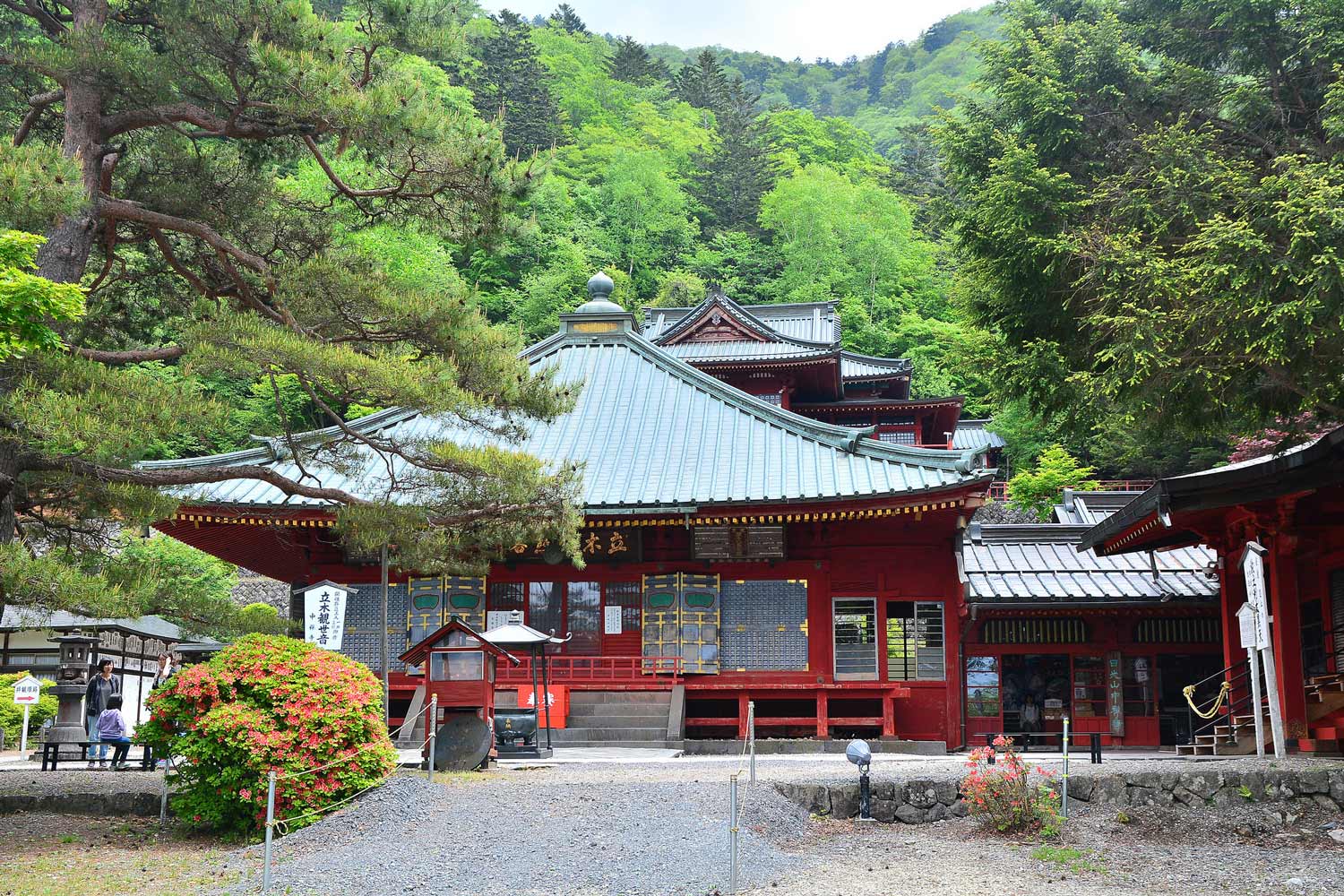
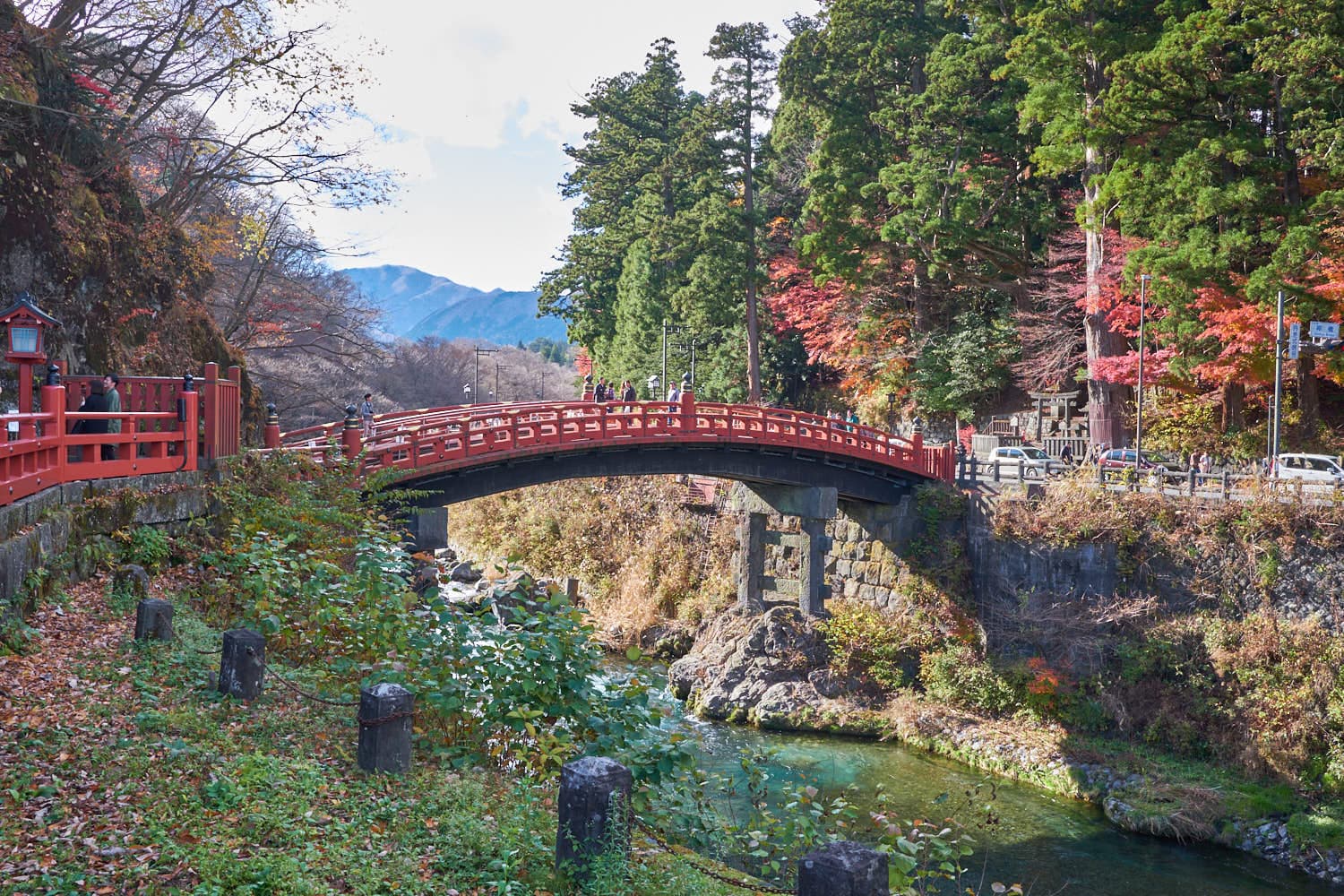
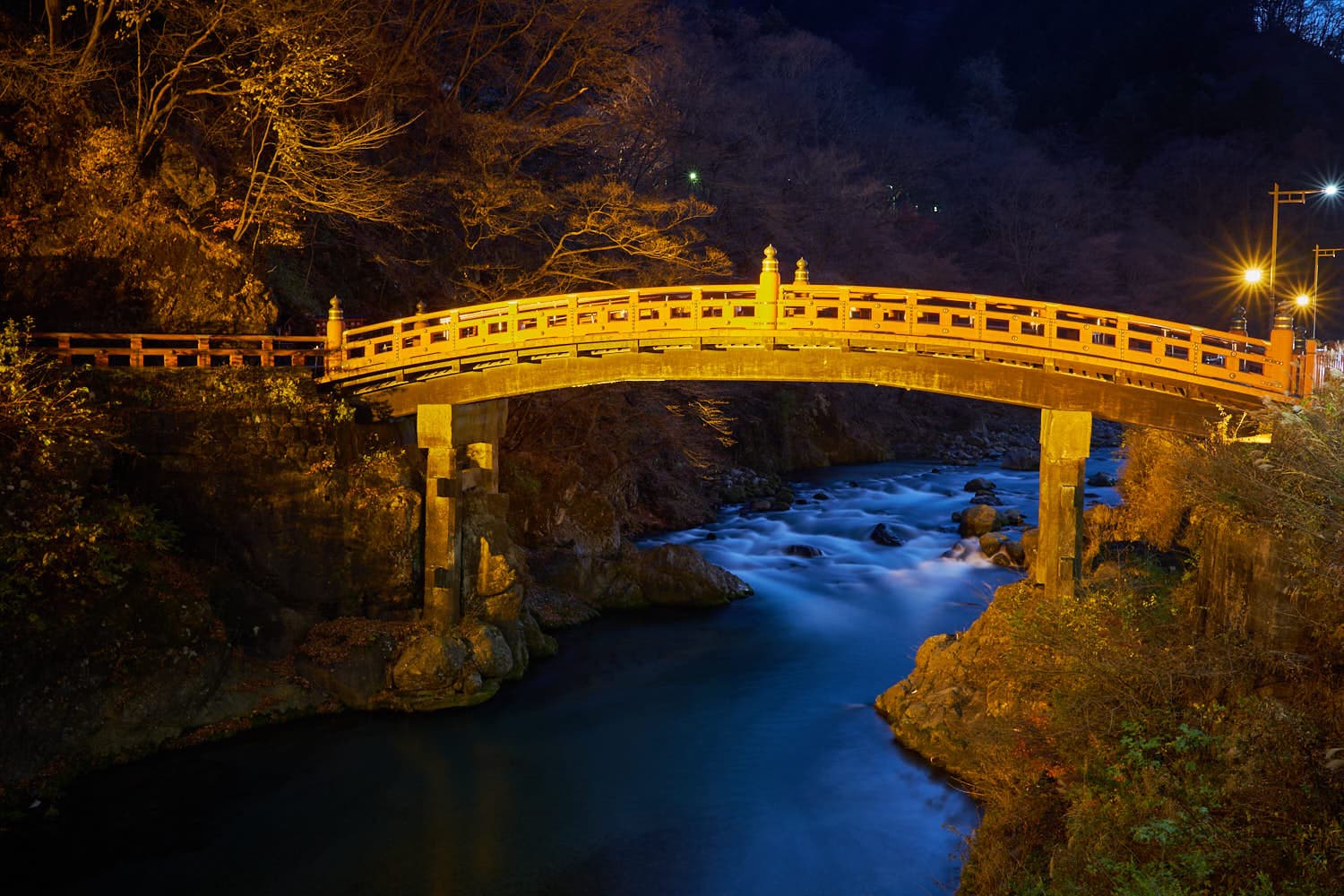
A short walk from Toshogu brings visitors to Rinno-ji, Nikko’s most important Buddhist temple. The temple’s Sanbutsudo (Three Buddha Hall) houses three massive, gold-lacquered statues representing the manifestations of the three mountain deities of Nikko. Nearby, Futarasan Shrine stands as a testament to the region’s enduring mountain worship, dedicated to the spirits of Mount Nantai, Mount Nyōhō, and Mount Taro. Connecting the sacred area to the town is the Shinkyo Bridge, a vermilion-lacquered structure that arcs gracefully over the Daiya River. For those seeking a quieter experience, the Kanmangafuchi Abyss offers a riverside path lined with dozens of “Bake Jizo” statues—stone figures of the protector of travelers, which legend says change in number every time they are counted.
Okunikko: The Alpine Wilderness
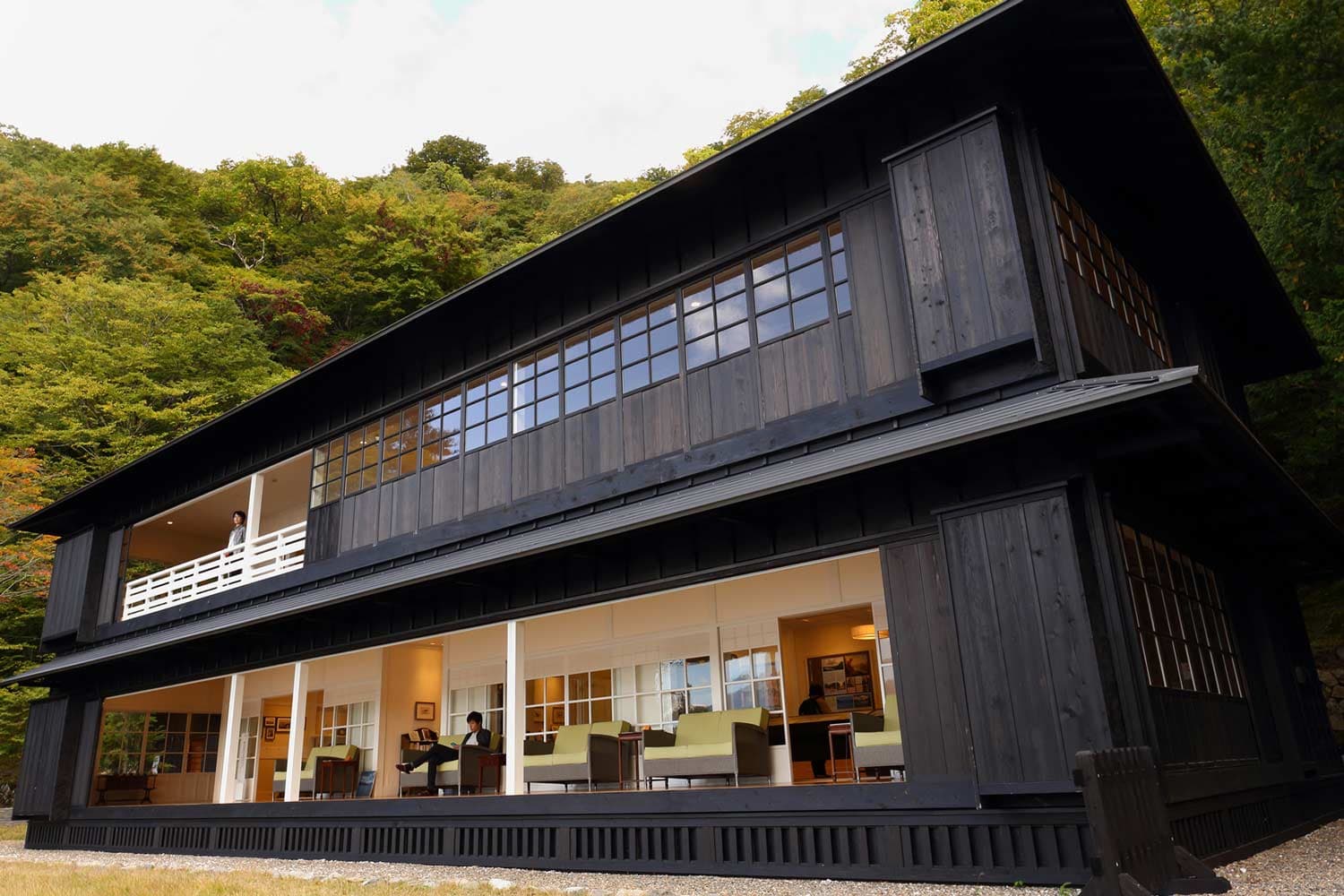
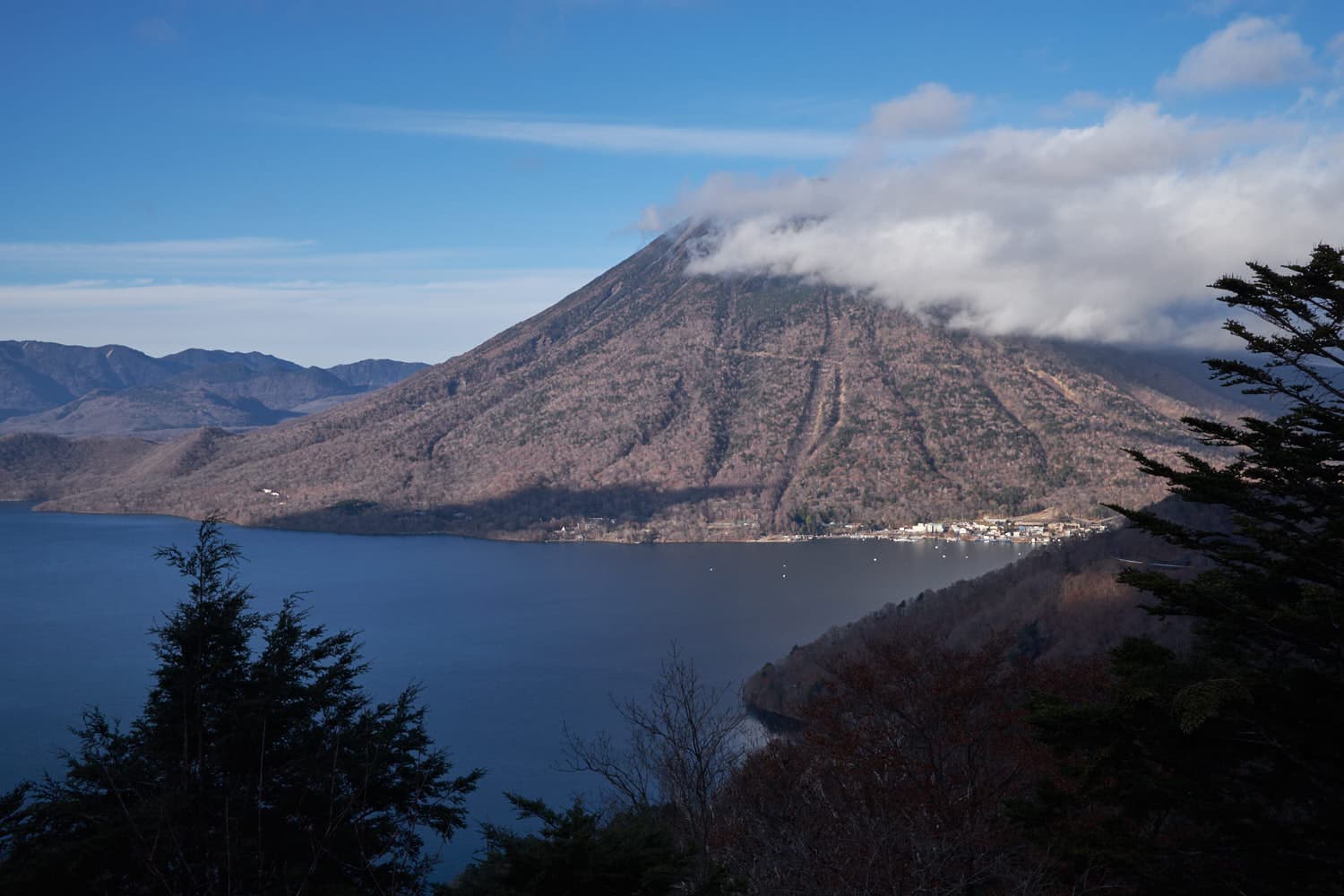
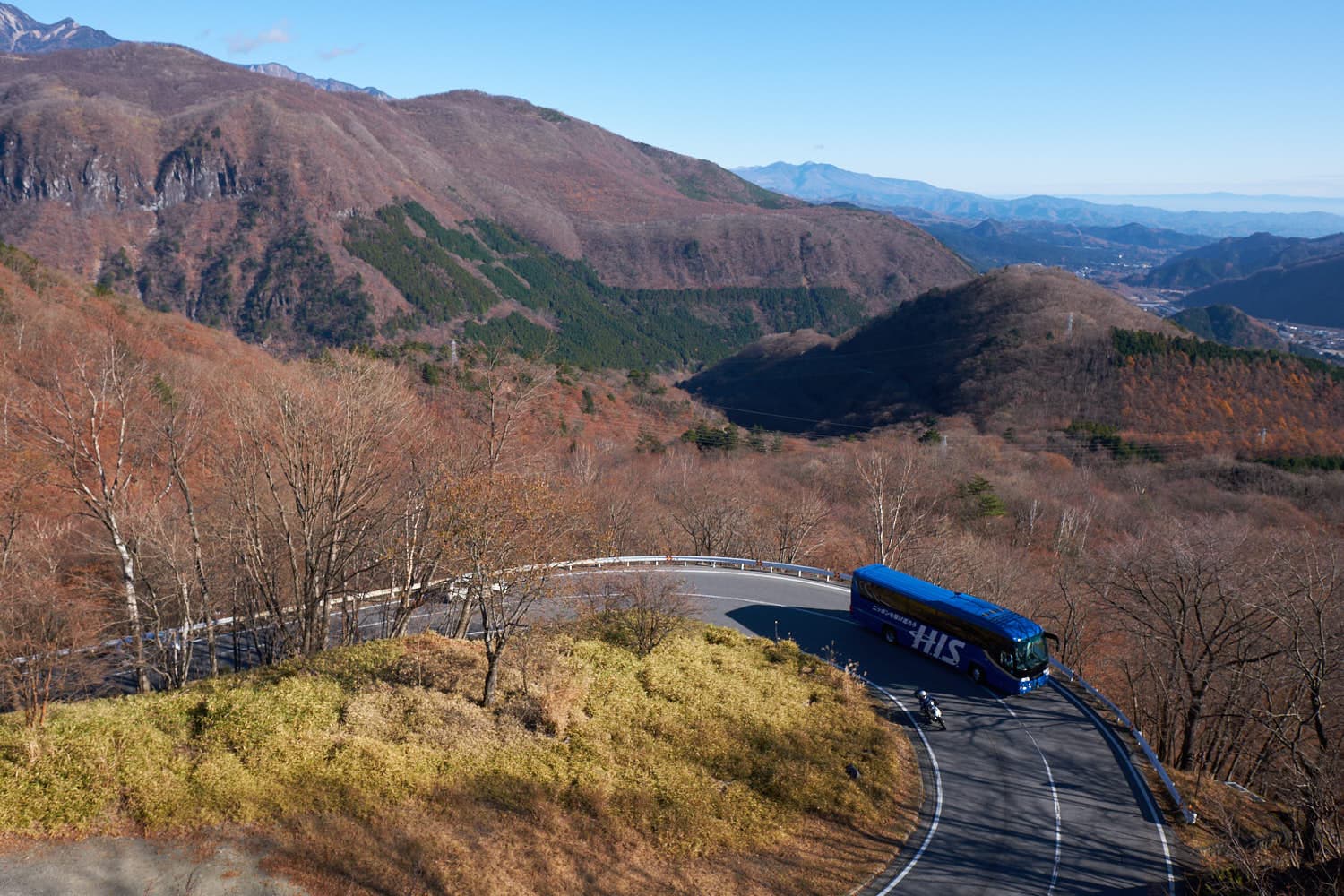
Ascending from the town toward the higher elevations involves navigating the Irohazaka Winding Road, a pair of one-way roads with 48 hairpin turns that offer breathtaking views of the surrounding valleys. Upon reaching the top, the landscape opens into the Okunikko region, centered around the picturesque Lake Chuzenji. This lake, formed 20,000 years ago by an eruption of the sacred Mount Nantai, sits at over 1,200 meters above sea level. Its cool climate made it a popular summer retreat for international diplomats during the Meiji era, leading to the construction of several historic embassy villas that are now open to the public.
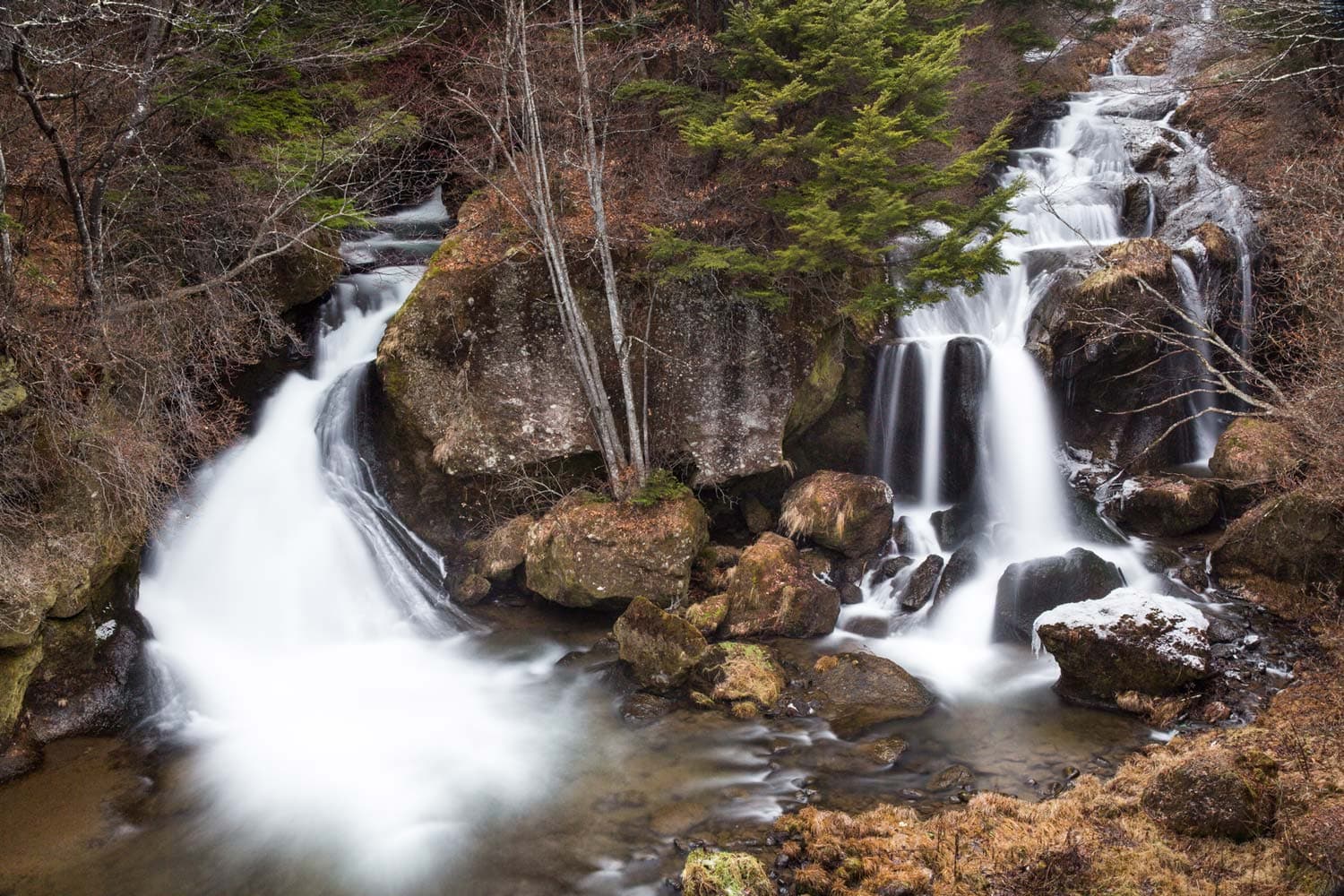
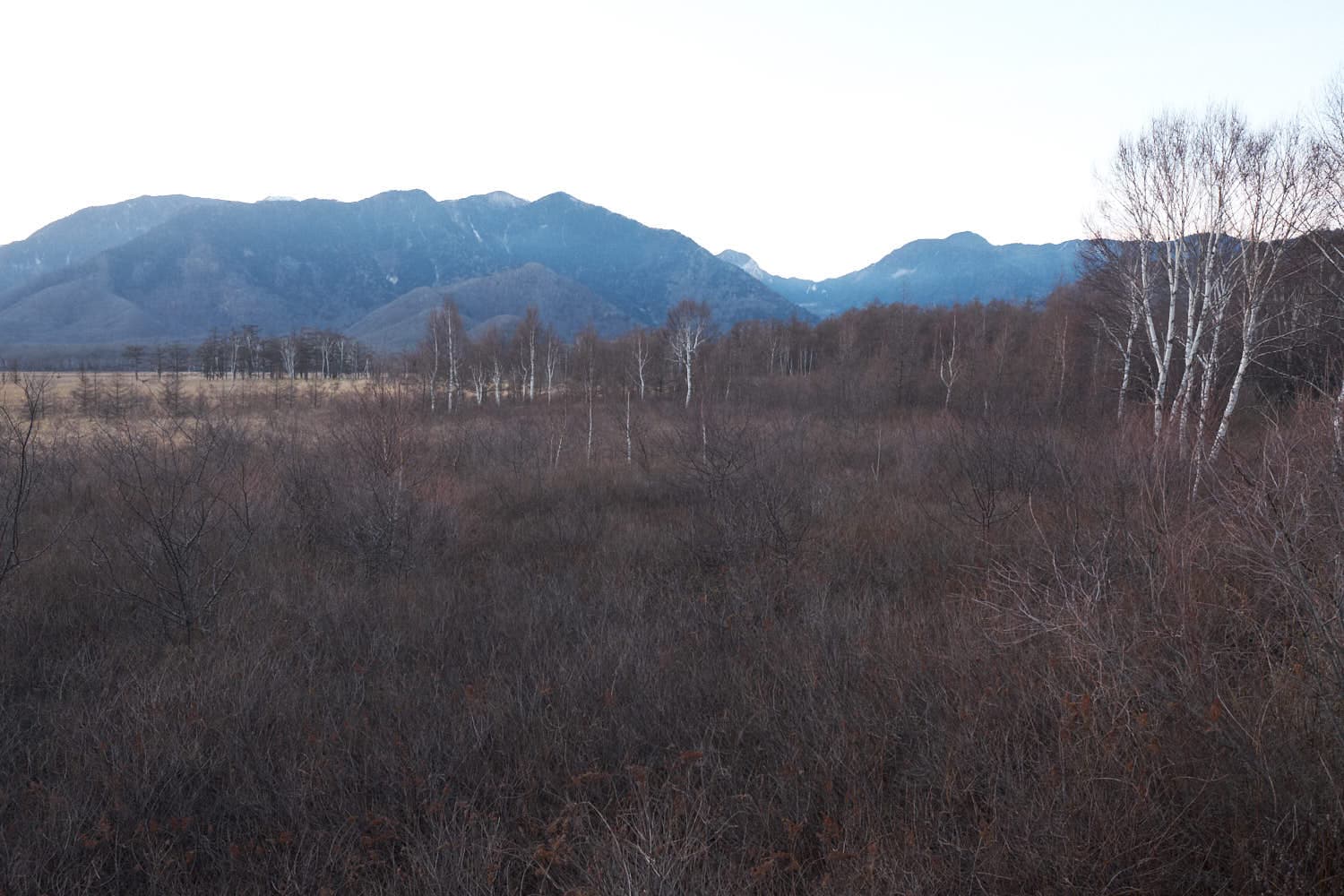
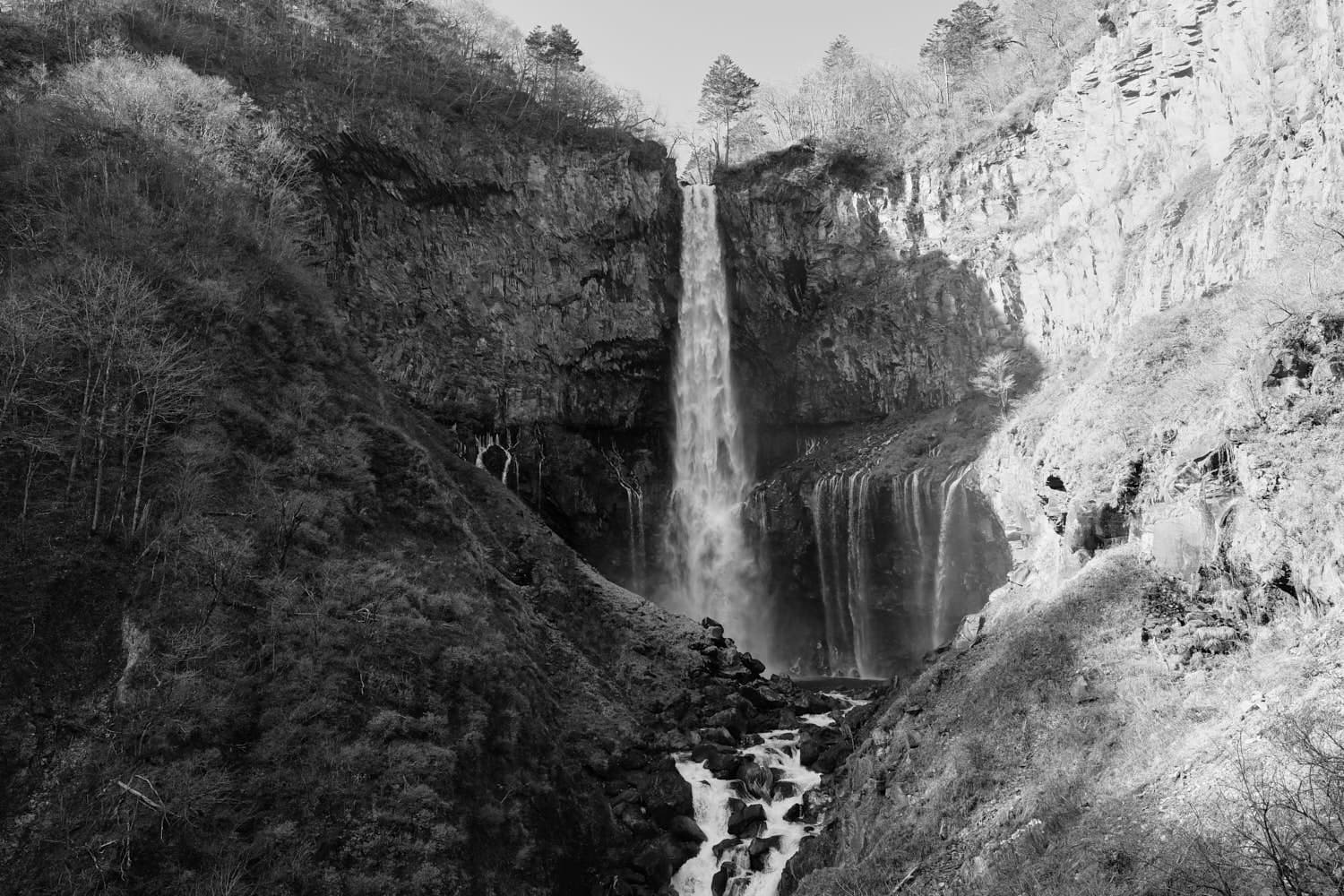
The waters of Lake Chuzenji feed into the spectacular Kegon Falls, where a massive plume of water plunges 97 meters into a forested gorge. Further into the park lies the Senjogahara Marshland, a highland plateau offering flat, wooden boardwalks that cut through a unique wetland ecosystem. This area is a haven for birdwatchers and hikers, particularly in early autumn when the marsh grasses turn a shimmering gold. At the northernmost point of the park is Yumoto Onsen, a small hot spring town where the air is thick with the scent of sulfur. Here, visitors can witness the source of the hot springs at the Yunodaira Marsh or relax by the tranquil shores of Lake Yunoko, completing a journey that transitions from the height of Japanese artistic achievement to the raw, unbridled power of nature.
Navigating the Nikko region requires a degree of planning, as the attractions are spread across a wide range of elevations. While central Nikko town is walkable, reaching the natural wonders of Okunikko necessitates using the regional bus system or a rental car. The local transport network is designed specifically for visitors, with routes connecting the main train stations to all major shrine areas and waterfalls. Traveling by bus allows visitors to enjoy the scenery of the Irohazaka climb without the stress of navigating the sharp turns themselves. Regardless of the season, Nikko remains a place where the spiritual and the natural are inextricably linked, offering a profound sense of the “magnificent” that has drawn travelers for over a millennium.