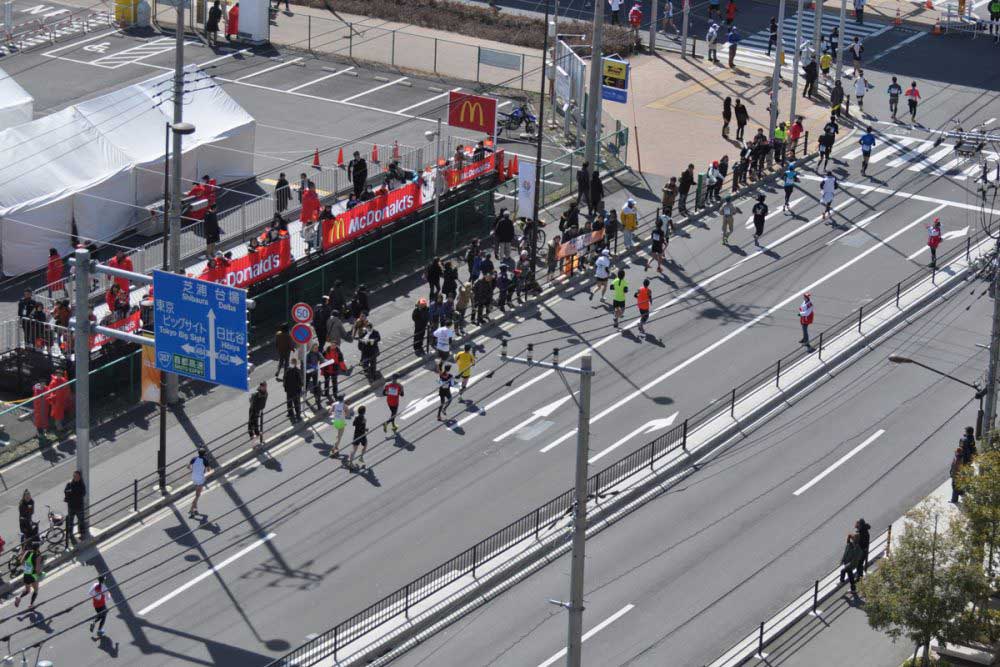
Tokyo Marathon
The Tokyo Marathon is a premier global athletic event and one of the six World Marathon Majors, alongside Boston, London, Berlin, Chicago, and New York City. Since joining the major series in 2013, the race has expanded its capacity to approximately 38,000 runners. The 42.195-kilometer course begins at the Tokyo Metropolitan Government Building in Shinjuku, traverses historical districts such as Nihombashi and Asakusa, passes the landmark Tokyo Tower, and concludes at Tokyo Station. The field is notably diverse, with international entrants making up nearly 25% of the total participants, while gender demographics typically reflect a split of 75% male and 25% female runners. The official route is designed to showcase the city’s transition from modern skyscrapers to traditional cultural sites.
Prospective runners must apply through the official website during the designated window. Because the event is oversubscribed by more than tenfold, general entry is determined by a lottery with an estimated selection probability of 8% to 10%. Participants must be at least 19 years old and capable of completing the course within the 6-hour and 40-minute time limit. For those seeking guaranteed entry, 4,000 slots are reserved for charity participants who donate ¥100,000 or more. This track operates on a first-come, first-served basis and is highly competitive, often filling shortly after applications open.
For spectators, the most efficient way to follow the race is by utilizing the Tokyo subway system to “hop” between major viewing points like Asakusa and Ginza. These areas offer high-energy atmospheres but also experience the densest crowds. A key tip for supporters is to download the official “Runner Update” tracking app, which allows users to monitor specific participants’ progress via their bib numbers in real-time. To view the final stretch, spectators should arrive at the Tokyo Station finish area well in advance, as barriers are established early to manage the large volume of onlookers. Utilizing the underground passages can also help navigate the congested areas near the finish line without competing with street-level foot traffic.
AddressTokyo Metropolitan Government Building, 2 Chome Nishishinjuku, Shinjuku, Tokyo, 160-0023, Japan (Google Maps)
CategorySports
TagsMarathon
Official URLOfficial websiteLink