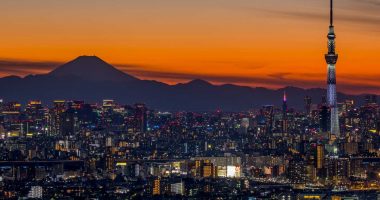

Japan drives on the left like the UK, New Zealand, and Australia. Almost 99% of all cars sold are automatics and approximately 35% are kei-jidosha (Kei cars)—smaller, highly fuel-efficient vehicles identifiable by their yellow license plates. These vehicles represent a pinnacle of technical ingenuity, designed specifically to navigate the narrow, labyrinthine backstreets of major cities where a standard sedan would struggle. The general speed limit in Japan is 60 kmph (37 mph), while highway limits typically sit at 100 kmph and urban areas are restricted to 40 kmph. Driving in Japan is exceptionally safe; accident rates are low, and the roads are a resolute guardian of quality, remaining meticulously well-maintained even in remote prefectures.
Road Signs and the Shuto Complexity
Signs follow international standards and are almost universally provided in both Japanese and English. However, the Shuto Expressway in Tokyo remains an architectural lull of complexity; its multi-layered, curving interchanges can be confusing even for local residents. Fortunately, almost all rental cars come equipped with advanced GPS systems. North American drivers should remain vigilant: turning left on a red light is strictly prohibited unless a specific green arrow signal indicates otherwise. Furthermore, Japan enforces a “Zero Tolerance” policy regarding drink-driving. This isn’t just a suggestion; it is a resolute legal mandate where even passengers in a vehicle driven by an intoxicated person can be held criminally liable.
Can I Drive in Japan?
Visitors from a country which issues driver licenses in accordance with the 1949 Geneva Convention can drive in Japan on an International Driver’s License. This document must be applied for in your home country prior to arrival and is valid for exactly one year from your date of entry. It cannot be renewed or extended. If you intend to stay longer than one year, you must convert your license to a Japanese one, a process that varies in difficulty depending on your country of origin.
Agreements have been made with Switzerland, Germany, France, Belgium, Slovenia, Monaco, and Taiwan to allow their citizens to drive in Japan so long as they have an official Japanese translation of their domestic licence. Translations need to be done by the local Japanese embassy or the Japan Automobile Federation (JAF), branches of which are found throughout the country. This translation is valid for one year from the date of entry into Japan.
Highways and the ETC System
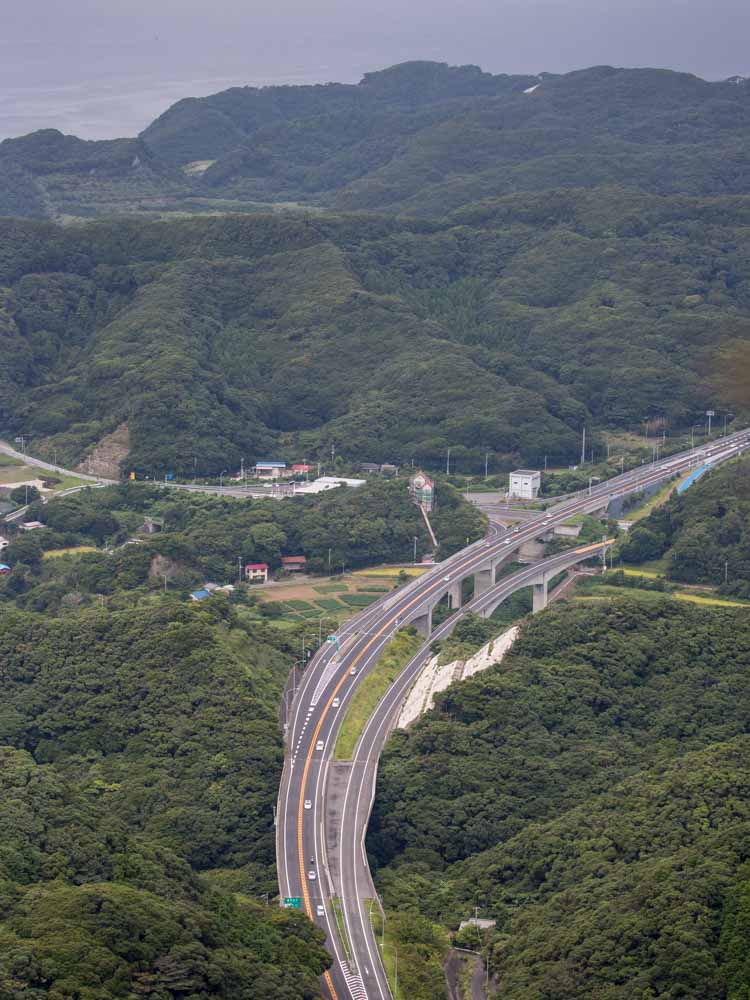
Japan’s highway network is an impressive feat of engineering, cutting through mountainous terrain with vast tunnels and bridges. However, these are almost exclusively toll roads. In 2026, the use of ETC (Electronic Toll Collection) cards is nearly mandatory for a smooth “vibe” on the road; without one, you will be forced into the manual cash lanes, which are increasingly rare. Tolls are expensive—often matching the price of a Shinkansen ticket for the same distance.
| Road Type | Typical Speed Limit | Vibe / Context |
|---|---|---|
| Expressways | 100 kmph (62 mph) | High-speed, high-toll links between cities. |
| National Routes | 50–60 kmph (31-37 mph) | Primary non-toll arteries. |
| Urban Streets | 30–40 kmph (18-25 mph) | Narrow, pedestrian-heavy residential zones. |
Parking and Roadside Stations
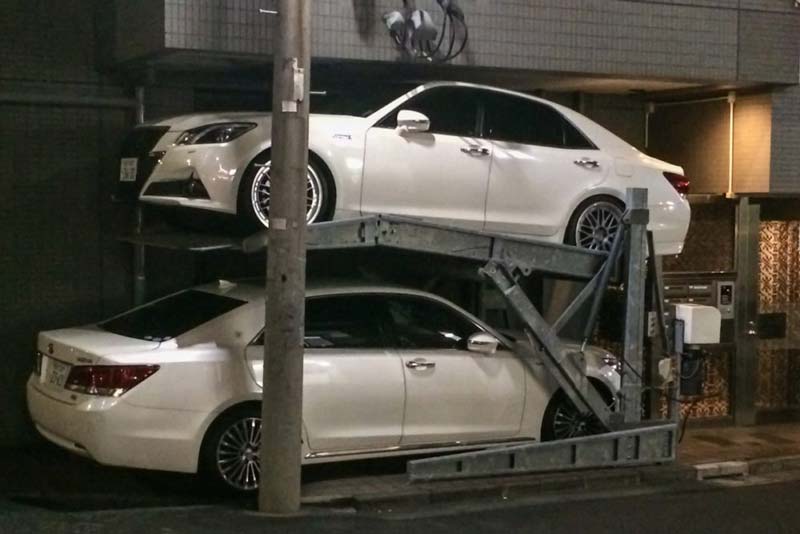
Space is the ultimate premium in Japanese cities. In central Tokyo, residential parking can cost upwards of ¥30,000 per month. For travelers, “coin parking” is the standard—small automated lots squeezed into gaps between buildings that charge by the 20-minute increment. Never park on the side of the road in a city; Japan’s parking wardens are incredibly efficient, and your vehicle will likely be towed or heavily fined within minutes.
When traveling long distances, look for Michi-no-Eki. These are modern roadside stations that provide a high-value “lull” for drivers. Far more than just a gas station, they often feature local farmers’ markets, clean restrooms, and regional specialty restaurants, acting as a gateway to the local culture of the area you are passing through.