At the larger onsen, when you first walk out of the changing rooms and into the bathing area, you can be faced with an overwhelming choice of baths in all different shapes and sizes. For first-time visitors, this can be quite daunting, as labels and signs in English are few and far between. Here are the baths and features you might find at the hot springs, ranging from ancient stone pots to modern carbonated technology.
Kake-yu【掛け湯】
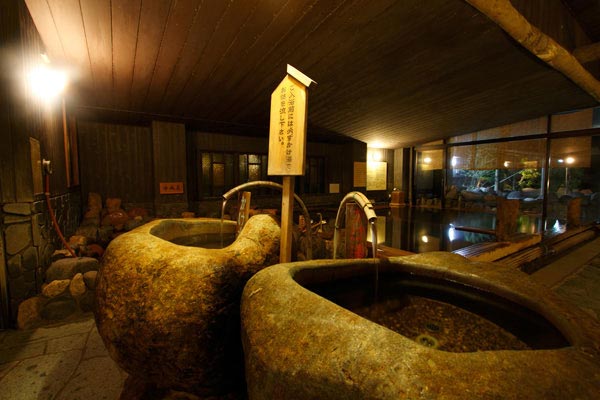
Usually the first thing you’ll see when you enter the bathing area. Yu (湯) means hot water and kake (かけ) means to pour or throw—so this is the water that you douse your body with before you enter the baths. Beyond hygiene, this serves to acclimate your body to the water temperature, preventing “heat shock.” While many opt to wash in the showers first, you should always perform a quick kake-yu rinse before entering any communal tub.
Shower Area
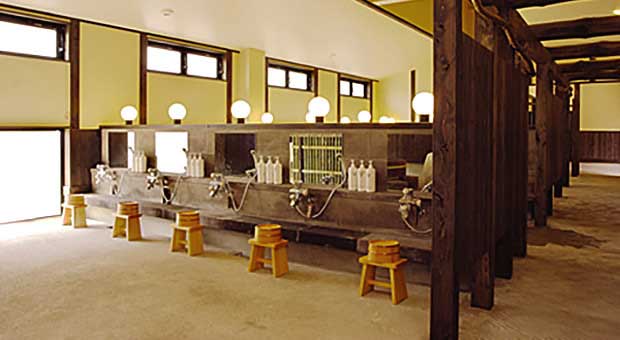
The bathtubs at the onsen and sento are for soaking, not scrubbing. You must cleanse yourself thoroughly in the shower area before entering the water. You will typically find a line of low-seated showers equipped with a stool and a small basin. It is standard etiquette to wash while seated, ensuring that soap and water do not splash onto your neighbors. Most facilities provide high-quality body wash, shampoo, and conditioner, though many locals bring their own preferred sets.
Rotenburo【露天風呂】
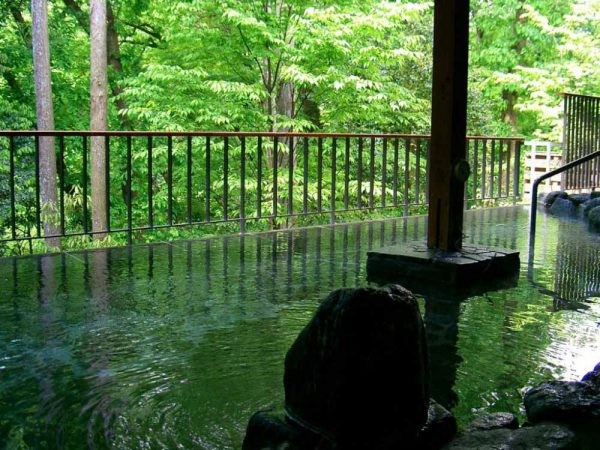
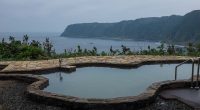
Literally meaning “open-air bath,” the rotenburo is often the highlight of the onsen experience. There is a unique “lull” found in soaking in steaming volcanic water while feeling the cool mountain air or watching falling snow. Some offer specific architectural wonders, while others like Hottarakashi Onsen in Yamanashi provide a panoramic view of Mount Fuji that makes it nearly impossible to leave the water.
Utase-yu【打たせ湯】
Often found in a corner of the main hall or outside, these are “waterfall” baths where a heavy stream of hot water falls from a height. You are meant to stand or sit under the stream, letting the weight of the water act as a powerful massage for your neck, shoulders, and back. It’s an effective way to work out stubborn muscle knots, though the noise of the splashing water can be quite loud.
Jet Bath & Silk Bath
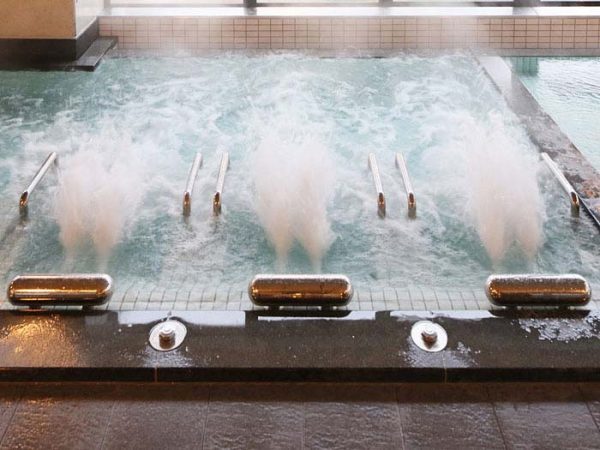
Jet baths use high-pressure nozzles to fire bubbles at specific muscle groups, functioning much like a Western Jacuzzi. A modern variation is the Silk Bath, which uses micro-bubbles so fine that they turn the water a milky white. These bubbles are small enough to penetrate and deep-cleanse your pores, leaving your skin feeling remarkably smooth—hence the name.
Carbonated Bath【二酸化炭素泉】
Ever wanted to bathe in warm sparkling water? These “soda” baths are infused with carbon dioxide, which creates a gentle tingling sensation as thousands of tiny bubbles attach to your skin. Scientifically, the CO2 is absorbed into the skin, expanding blood vessels and significantly improving circulation, which is why these tubs are often crowded with people looking to lower their blood pressure or soothe nerve pain.
Nekorobi【寝ころび】
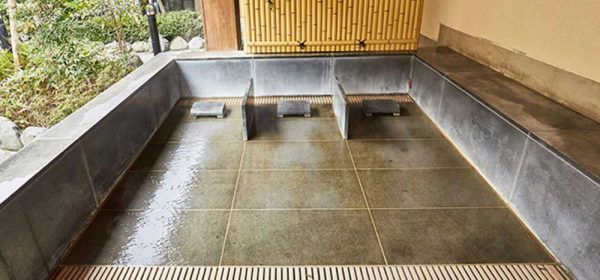
Nekorobi are shallow “sleeping” areas where warm water trickles over stone slabs. You lie supine, often with a raised stone as a pillow, and watch the sky or the steam swirl around you. The constant stream of water prevents you from catching a chill, making it the perfect spot for a post-soak nap.
Hinoki Bath【檜】
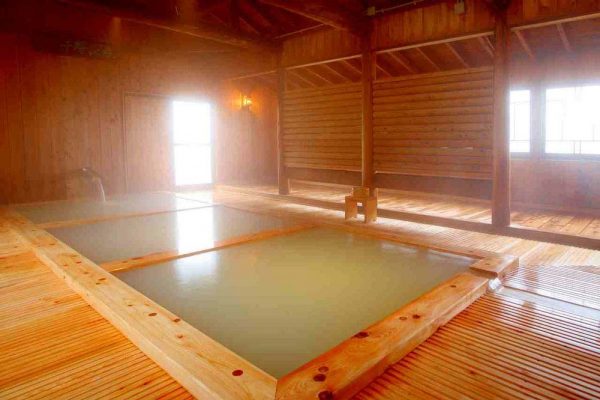
Hinoki (Japanese cypress) is highly prized for its rot-resistance and its natural, lemon-like scent. Bathing in a hinoki tub is a multi-sensory experience; the soft texture of the wood and the aromatic steam create a deeply grounding environment that many consider the pinnacle of traditional luxury.
Denki-buro【電気風呂】
A “electric bath” is a tub that pulsates with a low-voltage electrical current. While the idea of water and electricity might sound alarming, the denki-buro produces a safe, intermittent frizzling sensation intended to stimulate muscles and help with myalgia. If you want to try it, Yumori no Sato features a unique electric cave in its outdoor area.
Tsubo-yu & Goemon Pot
Tsubo-yu are personal-sized “pot” baths, usually made of ceramic. They allow for a solitary soak where the water constantly overflows as you enter. A similar variant is the Goemon-buro, named after the legendary outlaw Ishikawa Goemon, who was famously boiled in an iron pot. These are typically large iron or wooden tubs heated from below (though modern ones are heated via pipes) and offer a rustic, old-world feel.
Kusuri-yu【薬湯】
These are medicinal baths where the water is infused with natural herbs like mugwort, ginger, or dokudami. The water is often a deep brown or green and carries a strong herbal aroma. These baths are highly valued for their ability to treat skin conditions, stiff joints, and general fatigue.
Sauna & Löyly Ceremony
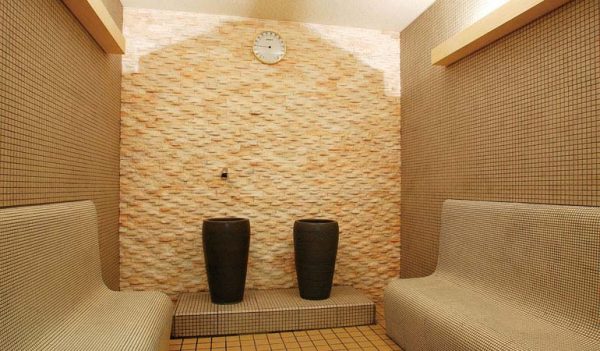
Standard dry saunas (80-100°C) are common, often featuring televisions. Recently, the Finnish Löyly ritual has become a major trend in Japan. This involves an attendant pouring scented water over hot stones to create a blast of steam, which they then fan toward the guests with a towel for a momentary, intense “heat wave.” For a gentler experience, look for the Mist Sauna (approx. 40°C), which uses 100% humidity to open pores without the harsh dry heat.
Mizuburo【水風呂】
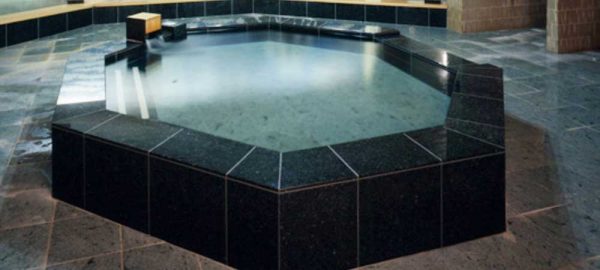
The “cold water tub” (usually 17-20°C) is the essential counterpart to the sauna. Alternating between extreme heat and the cold plunge is a ritual known as “sauna-ing,” which tightens the skin and provides a massive endorphin rush. Always rinse your sweat off before plunging in!
Ganbanyoku【岩盤欲】
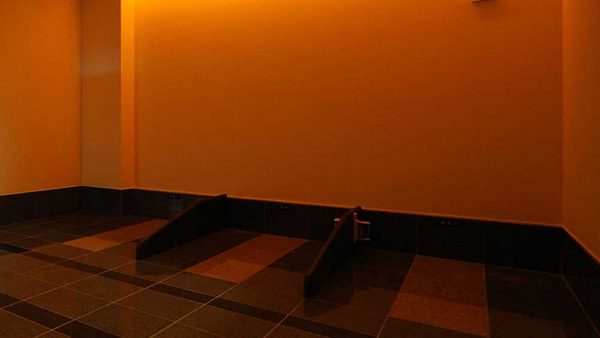
Ganbanyoku is a dry “hot stone bath” where you lie on heated magma slabs (42-44°C) in a humid room. No water is used; instead, you wear a yukata and let the far-infrared rays from the stones boost your metabolism. Many facilities, like Heiwajima Onsen, offer these as a premium service for a total detox experience.
| Bath Type | What to Expect | Best For… |
|---|---|---|
| Rotenburo | Outdoor air, nature views | Relaxing and scenery |
| Silk Bath | Milky, micro-bubble water | Deep pore cleansing |
| Denki-buro | Light electrical pulses | Stiff muscles and aches |
| Tsubo-yu | Private ceramic pot | Privacy and overflow fun |
| Mizuburo | Very cold water plunge | Post-sauna recovery |