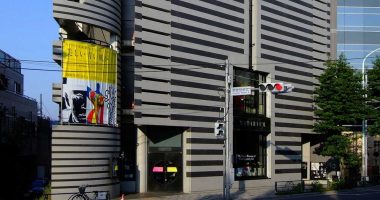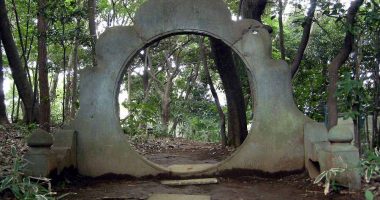

Ghibli is Japan’s Disney and known to every Japanese child. The museum itself was designed by Studio Ghibli’s director, Hayao Miyazaki, and based on the storyboards used to create the films, the most famous of which (outside of Japan, at least) is Spirited Away (2001). The museum includes a cafe, children’s play area, and gift shop. Unlike a traditional theme park, the museum acts as a resolute guardian of the studio’s creative “vibe,” offering a series of immersive rooms that showcase the technical ingenuity behind hand-drawn animation. It is a high-value destination that provides a rare “lull” from the commercial polish of typical tourist spots, encouraging visitors to “get lost together” within its whimsical corridors.
A Journey into the Imagination
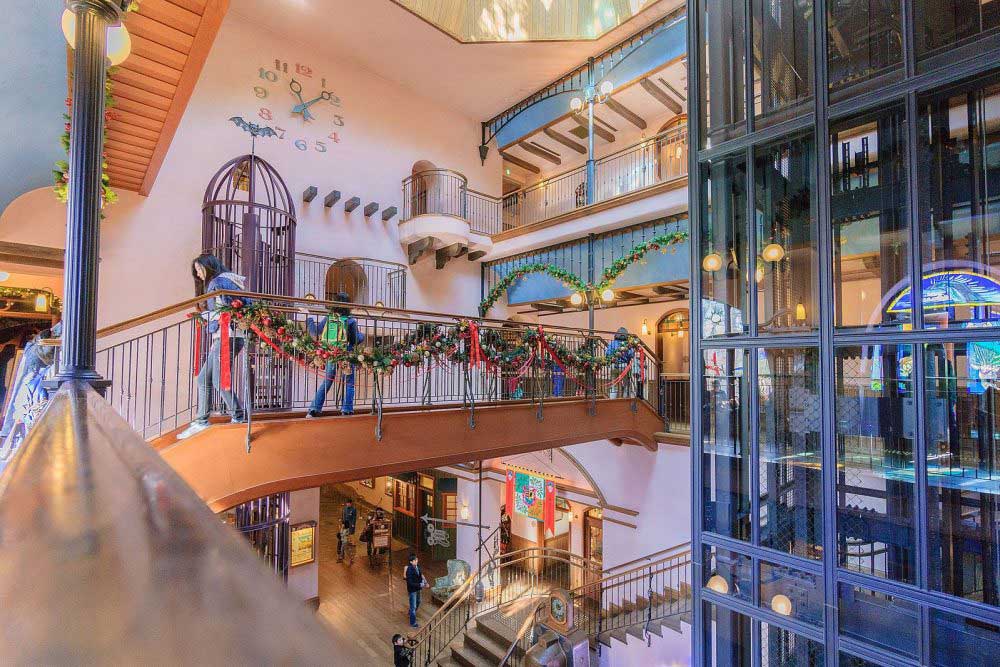
Inside, the museum is a labyrinth of spiral staircases, hidden hatches, and sun-drenched bridges. One of the most sought-after features is the “Tri-Hawks” cinema, which screens exclusive Ghibli short films that cannot be seen anywhere else in the world. Each visitor is given a ticket made from a genuine strip of 35mm film, which is used to enter the theater. For younger travelers, the plush “Catbus” play area provides a tactile connection to the world of Totoro, while the rooftop garden features a life-sized Robot Soldier from Castle in the Sky. This massive bronze figure stands as a silent sentinel over the park, offering one of the few places where photography is permitted.
The permanent exhibitions are a masterclass in detail, featuring recreations of a lead animator’s workshop—complete with overflowing ashtrays, jars of half-used paints, and sketches pinned to every surface. This provides a visceral look at the labor-intensive process of “vibe coding” a fictional world into existence. The museum purposefully avoids a set path, inviting guests to explore the space organically. Whether you are peering through tiny windows at mechanical dioramas or browsing the “Mamma Aiuto” gift shop for exclusive merchandise, the experience bridges the gap between the screen and reality in a way that feels deeply personal and authentic.
Booking Strategy and Tips
Note that tickets can only be purchased in advance via authorized travel agents and the LAWSON convenience store chain. See the official website for more details. While past policies allowed for longer lead times, tickets are currently released for entrance on the 10th of each month at 10:00 AM (JST) for the following month. This means if you plan to visit in July, you must be online on June 10th. Tickets sell out almost instantly, often within the first 15 to 30 minutes of release, so synchronization with the Japanese timezone is essential.
For international visitors, the most reliable method is using the Lawson Ticket English website. Ensure you have your passport details ready, as tickets are non-transferable and the name on the ticket must match your ID at the gate. If you are already in Japan, you can attempt to use the Loppi machines inside Lawson stores, though availability is rarely better than the online portal. A final tip: aim for the earliest morning slot (10:00 AM) to maximize your time in the museum and the Straw Hat Cafe, as once you are inside, there is no time limit on your stay until the museum closes for the evening.
| Visitor Information | |
|---|---|
| Address | 1-1-83 Shimorenjaku, Mitaka-shi, Tokyo 181-0013 (Google Maps) |
| Opening Hours | 10:00 AM – 6:00 PM (Closed Tuesdays and periodic maintenance weeks) |
| Price | ¥1,000 (Adults) (approx.) |
| Website | Official Website |
| Access | ||
|---|---|---|
| Station | Line(s) | Details |
| Mitaka Station | JR Chuo Line | 15-minute walk through Inokashira Park or take the Ghibli shuttle bus from the South Exit. |
| Kichijoji Station | JR Chuo / Keio Inokashira | 15-minute walk through Inokashira Park. |