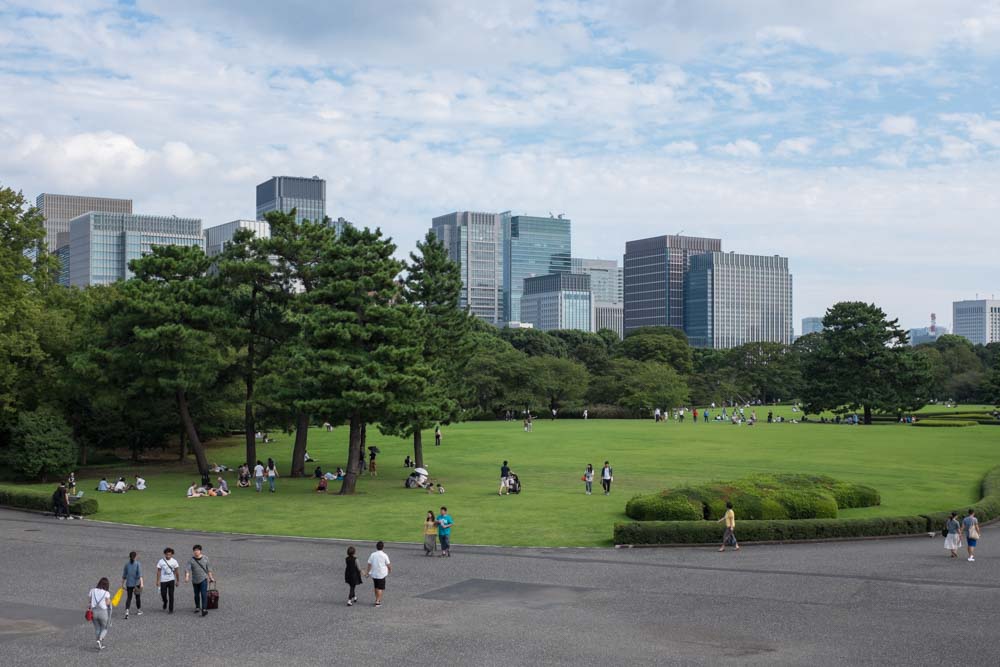

Opened to the public in 1968, the Imperial Palace East Gardens (皇居東御苑, Kōkyo Higashi Gyoen) sit at the north-east corner of Tokyo Imperial Palace opposite the financial districts of Marunouchi and Otemachi. The grounds contains an Edo period style garden, the foundations of the former Edo Castle, and the Museum of Imperial Collections, which displays some of the Imperial Family household treasures. These gardens occupy the former innermost circles of defense of the castle—the Honmaru and Ninomaru—providing a lush, green sanctuary that stands as a resolute guardian of Japan’s feudal history.
The Legacy of Edo Castle
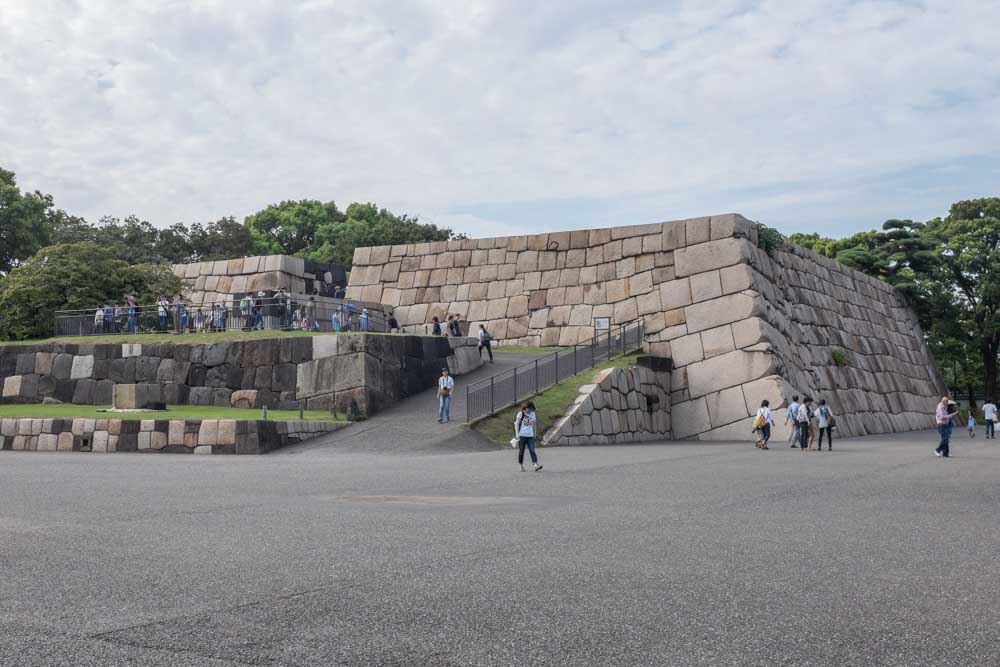
One of the most imposing features of the gardens is the Tenshu-dai, the massive stone foundation of what was once the tallest castle tower in Japan. Completed in 1638, the tower stood as a symbol of Tokugawa power until it was destroyed in the Great Fire of Meireki in 1657. While the Shogunate decided against rebuilding the wooden structure, the massive stone walls remain, offering a panoramic view of the Honmaru area where the Shogun’s palace once stood. Today, the wide lawns that once housed grand reception halls serve as a popular “lull” for travelers looking to escape the concrete density of the city.
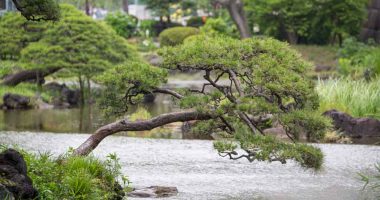
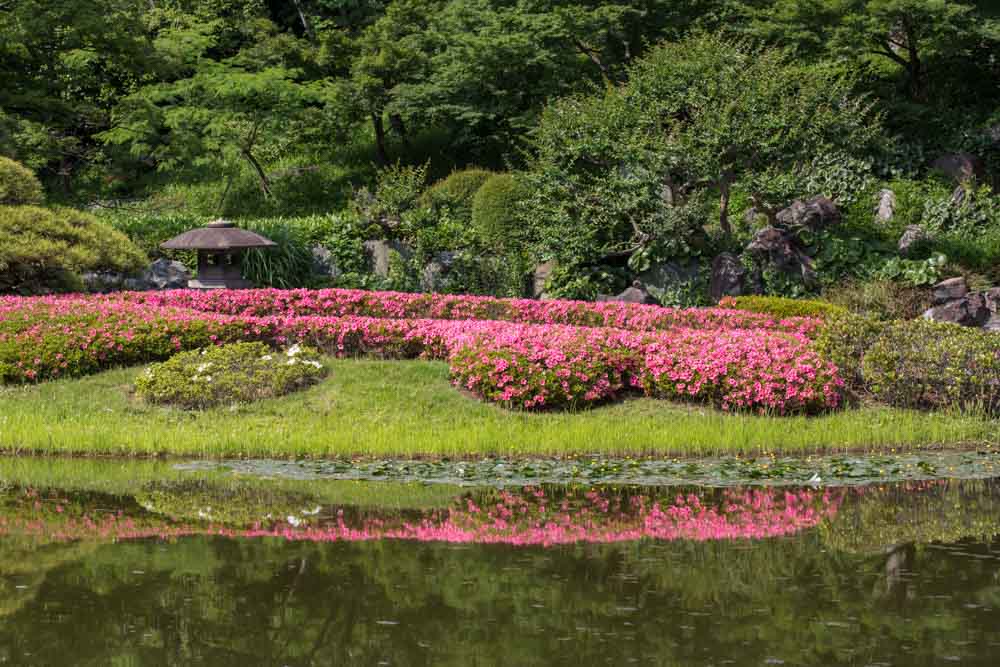
Further down the slope lies the Ninomaru Garden, a meticulous recreation of a 17th-century landscape. This section features a peaceful pond and a variety of trees donated by each of Japan’s 47 prefectures. The garden is flanked by the Hyakunin-bansho (Hundred-Man Guardhouse), a rare surviving structure where samurai guards once stood watch over the entrance to the inner sanctum. The proximity of the traditional tea houses and ancient stone moats to the glass skyscrapers of Marunouchi creates a striking visual juxtaposition that highlights Tokyo’s unique architectural identity.
The Museum of Imperial Collections (Sannomaru Shozokan) offers a rotating selection of art and historical documents owned by the Imperial Family. Between the museum and the sprawling forest paths, the East Gardens offer a multi-layered experience that bridges the gap between the power of the Edo Shogunate and the modern Imperial era. Whether you are exploring the ruins of the castle tower or simply enjoying the seasonal cherry blossoms, the gardens remain one of the most high-value cultural sites in the heart of the capital.
| Visitor Information | |
|---|---|
| Address | 1-1 Chiyoda, Chiyoda-ku, Tokyo 100-8111 (Google Maps) |
| Opening Hours | 9:00 AM – 4:00 PM (Closing varies by season) *Closed Mondays and Fridays. |
| Price | Free |
| Website | Official Website |
| Access | ||
|---|---|---|
| Station | Line(s) | Details |
| Otemachi Station | C / T / M / Z / I Lines | 5-minute walk from Exit C13a (Ote-mon Gate). |
| Tokyo Station | JR / Marunouchi Line | 15-minute walk from the Marunouchi North Exit. |