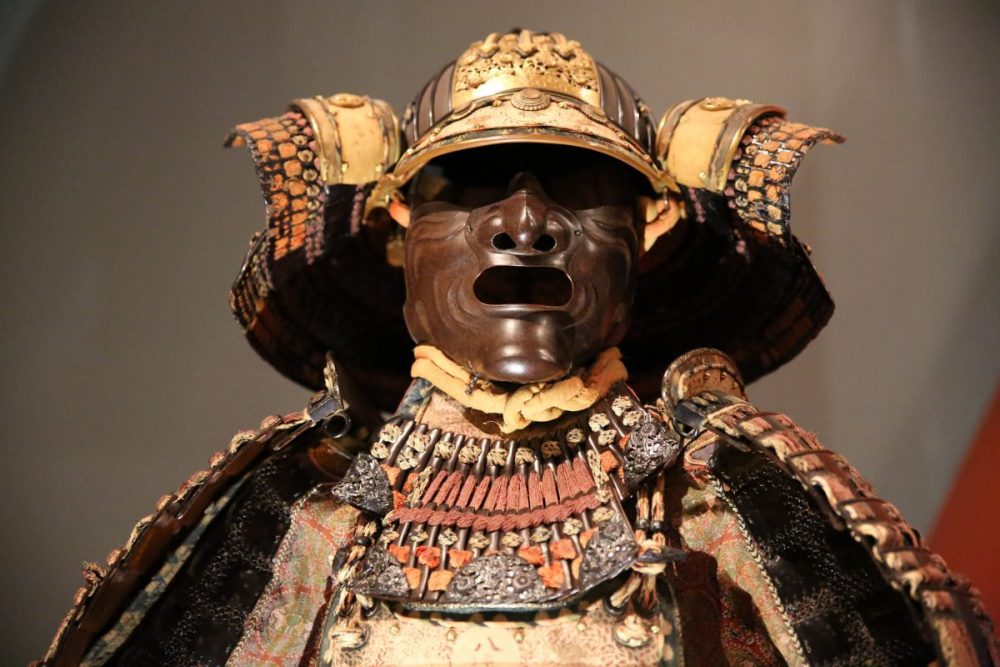
The samurai class rose to prominence during the Kamakura era and would rule Japan for most of the 2nd millennium until the Meiji Restoration in 1868 put power back in the hands of the emperor. The museum displays the swords, matchlock guns, and armor used by the samurai over the different periods of Japanese history. There is also a makeover section where you can dress in samurai attire and have your photograph taken. The museum caters well for foreign tourists with information in Japanese, English, Chinese, and Korean.
Information
Location
Samurai Museum, Eiwa Building No. 6, 2-25-6 Kabukicho, Shinjuku-ku, Tokyo 160-0021
« Google Maps »
Getting there
8 minutes from the East Exit of JR Shinjuku Station
Details
10:30-21:00
Adults ÂĄ1,900, U12s ÂĄ800, children under 3 are free
You May Also Like

Edo-Tokyo Museum

Cultural facility tracing the history of the capital over the past 400 years. Original artifacts and replicas are on display with English descriptions.

Mori Art Museum

Located on the 53rd floor of Roppongi Hills Mori Tower, the Mori Art Museum showcases anything from contemporary art to photographic documentaries and research projects. There are no permanent exhibitions.

Museum of Contemporary Art Tokyo

Museum opened in 1995 to display a collection of post-1945 modern and contemporary art from Japan and abroad. The museum has three floors of galleries devoted to temporary exhibitions and two floors for the “MOT Collection”—the museum’s permanent display of over 5,000 exhibits and works of art.

Old Shimbashi Station Museum

Museum that is a reconstruction of the Shimbashi-Teishajo Station that was the terminus between Shimbashi and Yokohama. Constructed in 1872, this was Japan’s first railway line and a key milestone in the country’s road to modernization.