Shimokitazawa
Just one stop on the express train from Shibuya, Shimokitazawa (下北沢)—or simply “Shimokita”—functions as the bohemian heart of Tokyo. This neighborhood is a dense labyrinth of narrow alleys, second-hand clothing stores, and independent theaters that manages to preserve its “shitamachi” soul despite a significant structural modernization. This post-track renaissance is most visible along the reclaimed land where the Odakyu Line once ran; following the move of the railway underground, the district has introduced sophisticated urban developments like Mikan Shimokita and the modular reload complex. These low-rise hubs bridge the gap between contemporary design and the area’s quirky roots, offering shared workspaces and specialty roasters that provide a necessary architectural lull within the bustling city center.
The Undisputed Capital of Vintage Fashion and Indie Culture
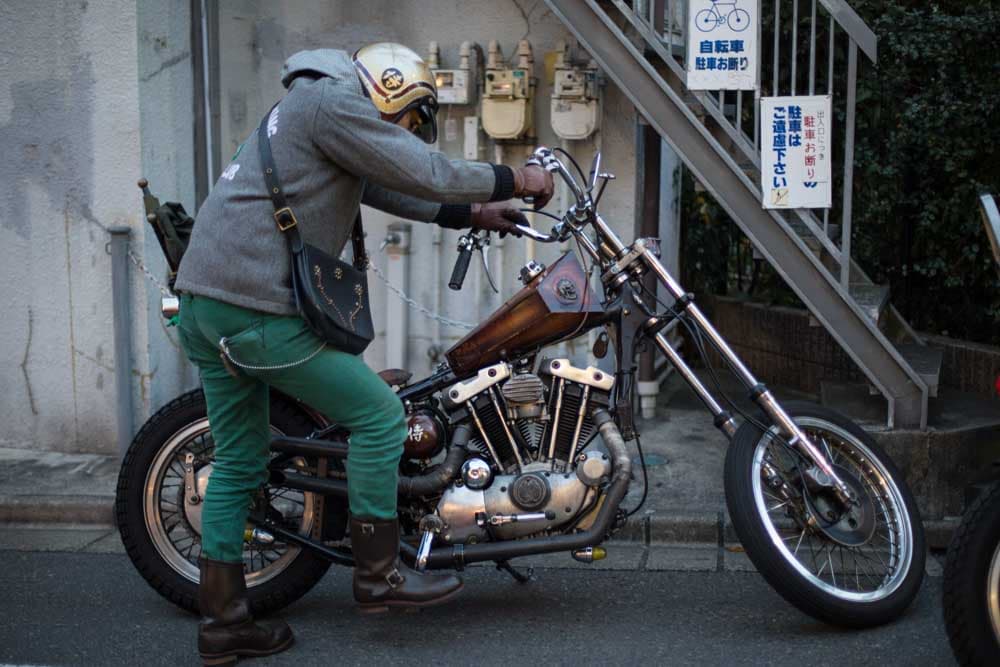
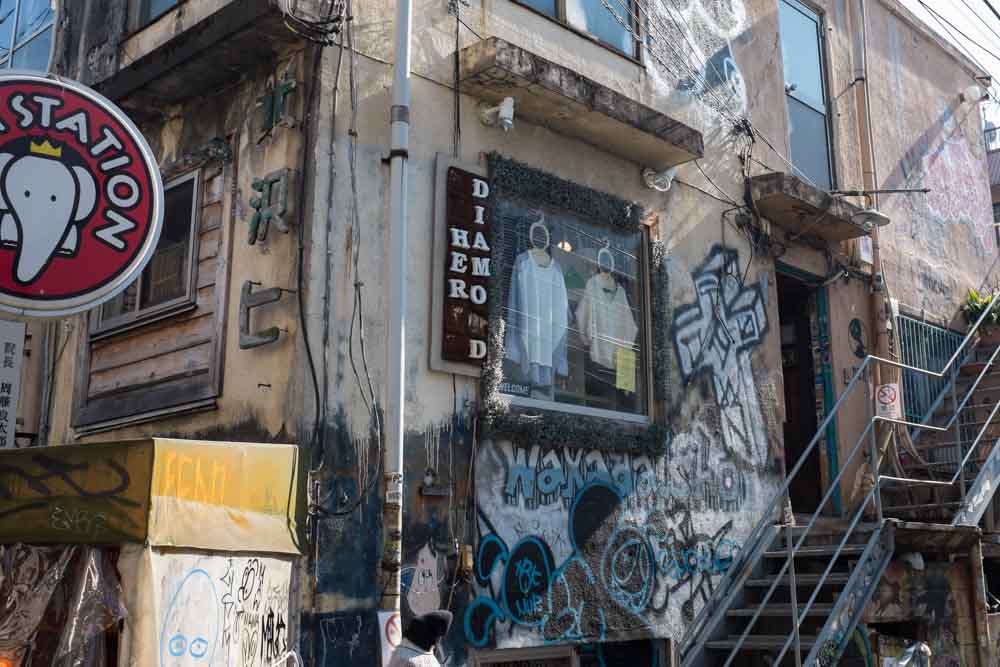
Shimokitazawa is the resolute guardian of Tokyo’s vintage fashion scene, serving as a high-fidelity treasure trove for those who shun mass-market trends. The north side of the station acts as an open-air gallery of second-hand boutiques, including New York Joe Exchange—housed in a repurposed traditional bathhouse—and the expansive Desert Snow. This creative energy extends to the local culinary identity, where the neighborhood has successfully branded itself as the city’s Curry Mecca. Famous for its vegetable-packed Hokkaido-style Soup Curry, the area hosts the massive Shimokitazawa Curry Festival every October. Long before its fashion fame, however, Shimokita was a theater town; the Honda Theater remains the spiritual home of independent Japanese drama, while legendary live houses like Shimokitazawa Shelter continue to launch the next generation of indie rock bands from their atmospheric basements.
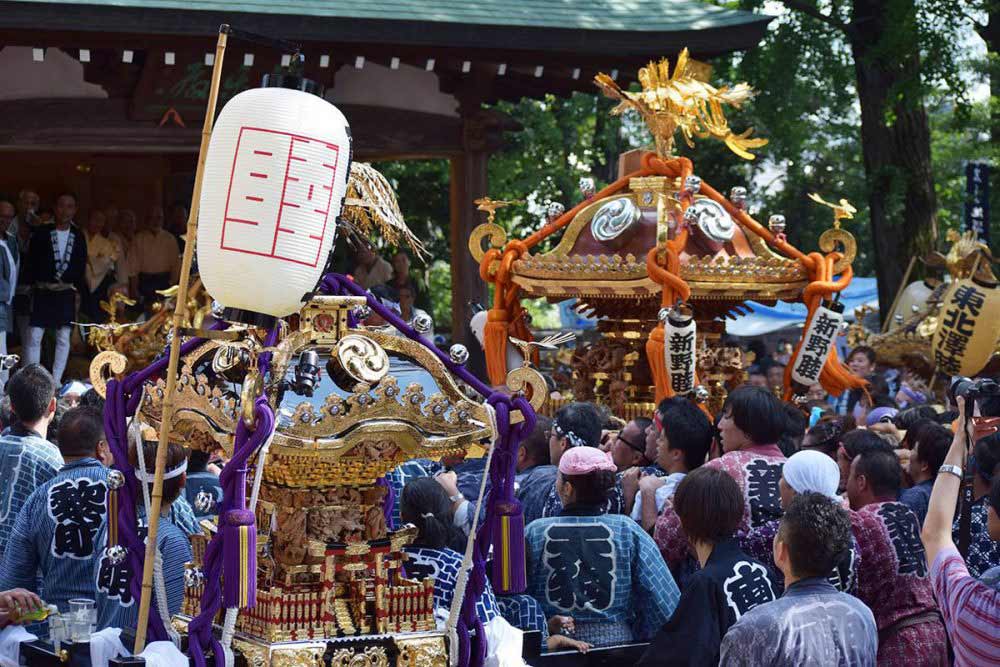
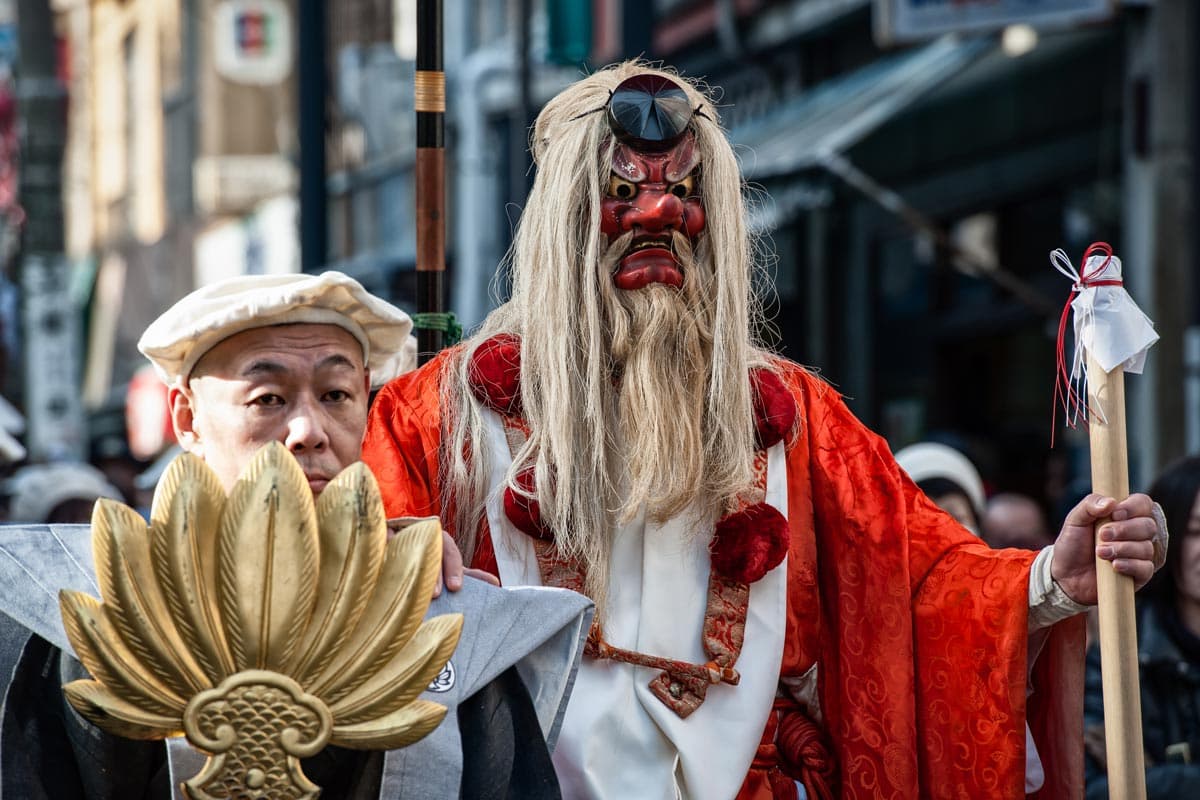
The district’s unique identity is further layered by traditional sanctuaries like the Kitazawa Hachiman Shrine, where ancient Shinto rituals collide with modern youth culture during the vibrant autumn festival. For those seeking further exploration, the famous beckoning cats of Gotokuji Temple are only a short distance away. Because the area is almost entirely pedestrianized, it acts as a high-functioning pedestrian sanctuary that is best explored without a fixed map. Arriving via the Odakyu or Keio Inokashira lines, visitors can spend an afternoon digging through vinyl at Flash Disc Ranch or lingering in the vegan-friendly cafes of the North Side. It is a neighborhood that rewards the creatively inclined and those who appreciate the technical ingenuity of a community that has reinvented itself while staying true to its indie soul.
| Station | Line(s) | Best For… |
|---|---|---|
| Shimokitazawa | Odakyu, Keio Inokashira | Central access to all sub-districts |
| Setagaya-daita | Odakyu Line | A short, scenic walk to “Bonus Track” |
| Shibuya | Express Train | Direct 4-minute connection |