Yanaka
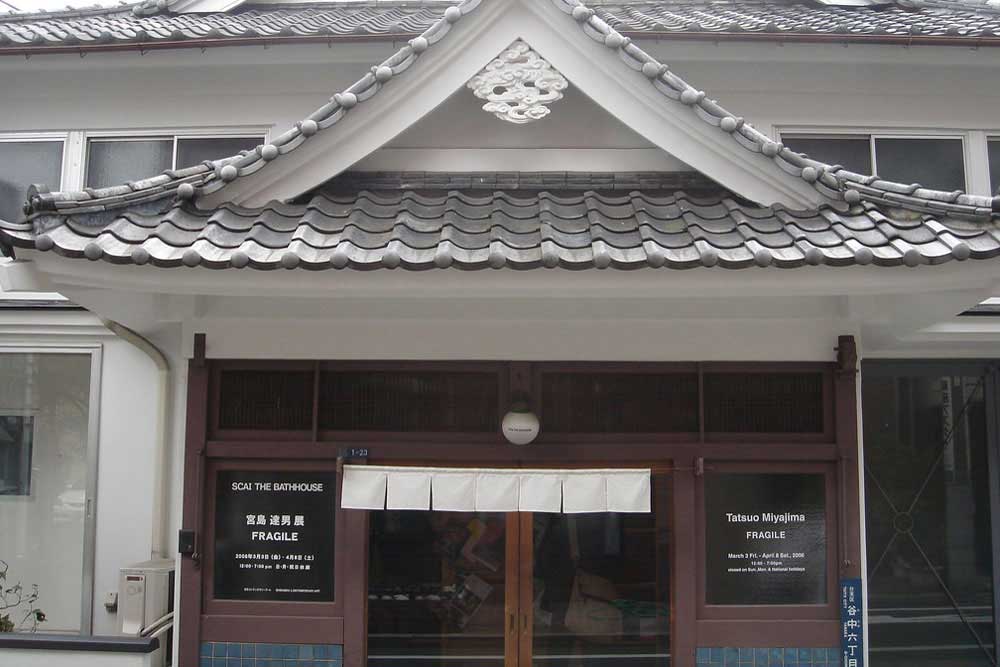
Yanesen (谷根千) is the collective name for three of Tokyo’s most storied neighborhoods: Yanaka, Nezu, and Sendagi. Located in the northern reaches of the city, this cluster of districts serves as an immersive sanctuary of shitamachi (old downtown) culture. While much of the capital was transformed by the 1923 Great Kanto Earthquake and the air raids of World War II, the Yanesen area miraculously escaped major devastation. This preservation has left an intricate landscape of wooden storefronts, hidden temples, and winding alleys that allow visitors to experience the architectural and social rhythm of Tokyo as it existed decades ago.
The Districts: Yanaka, Nezu, and Sendagi
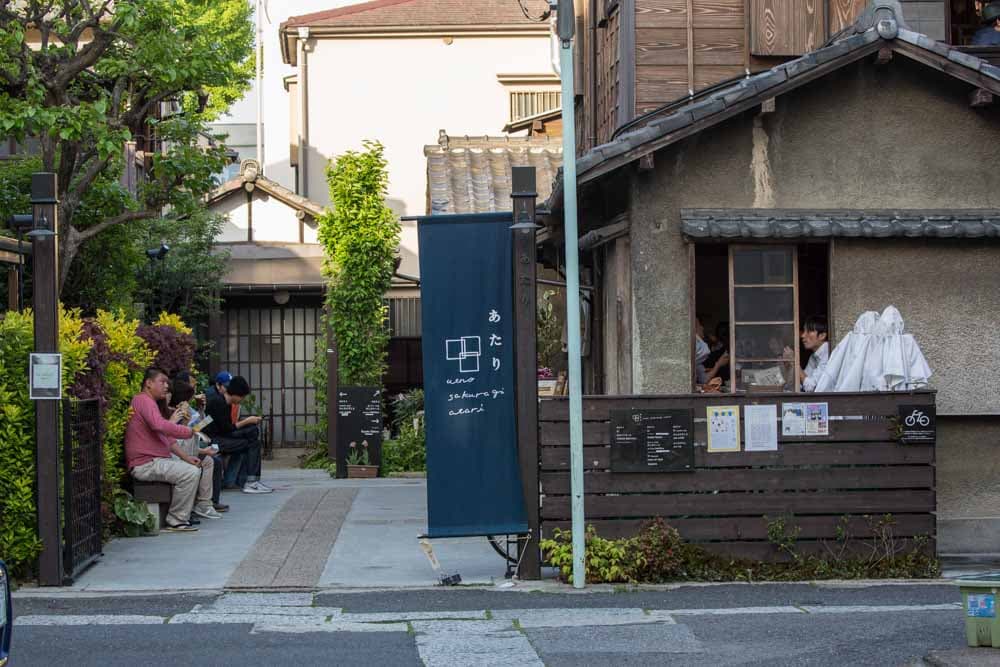
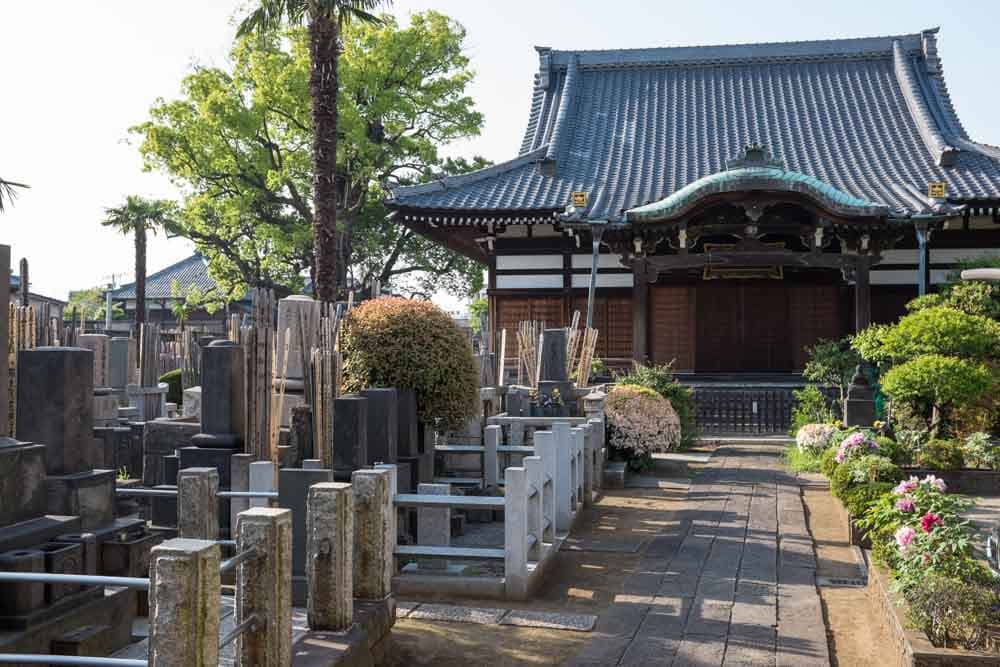
The journey often begins at Yanaka, the “Ya” of the trilogy, which is famously known as a temple town. During the Edo period, the shogunate relocated dozens of temples here to fortify the city’s spiritual defenses. Today, the district is centered around the sprawling Yanaka Cemetery, a park-like expanse where locals wander beneath ancient cherry trees. The neighborhood’s commercial heart is Yanaka Ginza, a vibrant market street reached via the Yuyake Dandan (Sunset Steps). Here, the atmosphere is defined by local food stalls, traditional bamboo crafts, and a celebrated stray cat population that has become the unofficial mascot of the district’s relaxed pace.
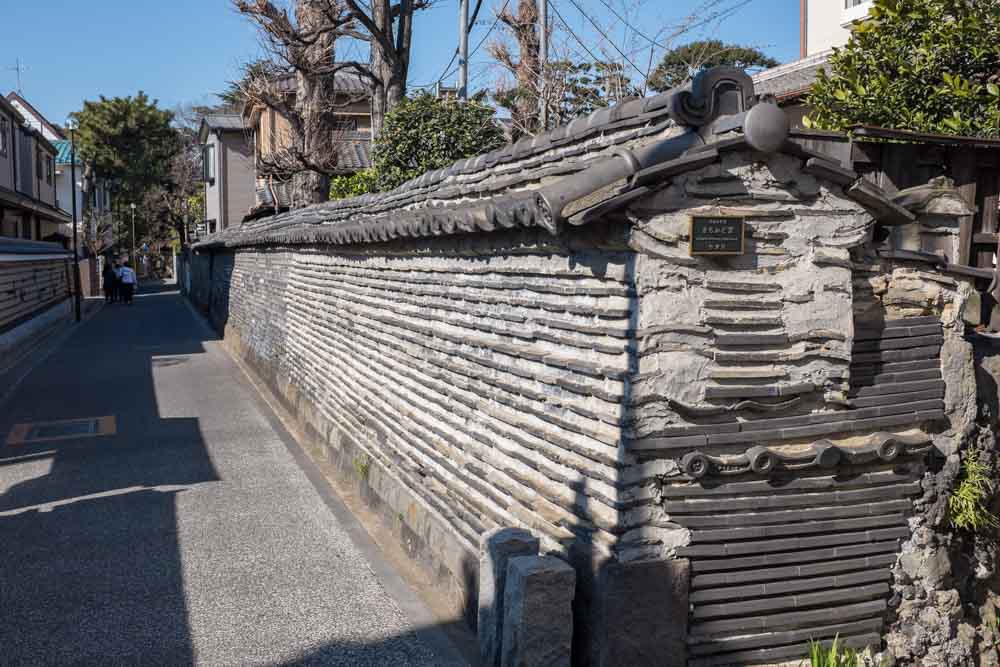
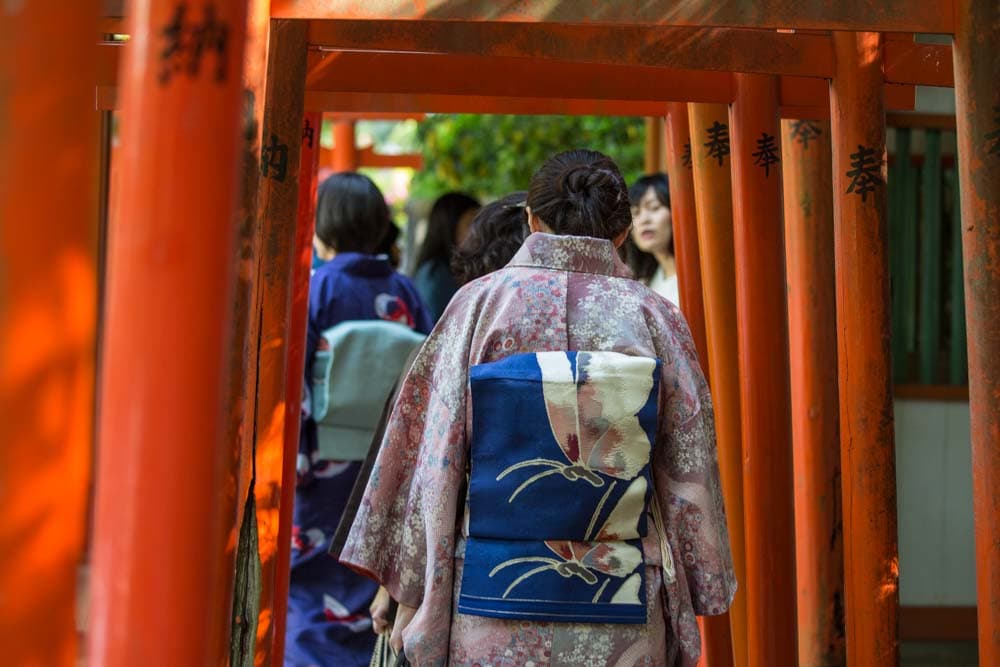
Moving southwest, the “Ne” of Yanesen leads to Nezu, an area anchored by the magnificent Nezu Shrine. Established over 1,900 years ago according to legend, the current structures date back to 1706 and are rare survivors of the Edo period’s architectural grandeur. The shrine is most famous for its Senbon Torii—a tunnel of small vermillion gates that snakes through the hillside—and its vast azalea garden, which hosts the Bunkyo Azalea Festival every spring. The streets surrounding the shrine are lined with 100-year-old nagaya (row houses) that have been converted into sophisticated galleries, coffee roasters, and traditional candy shops, blending historical preservation with a quiet, modern refinement.
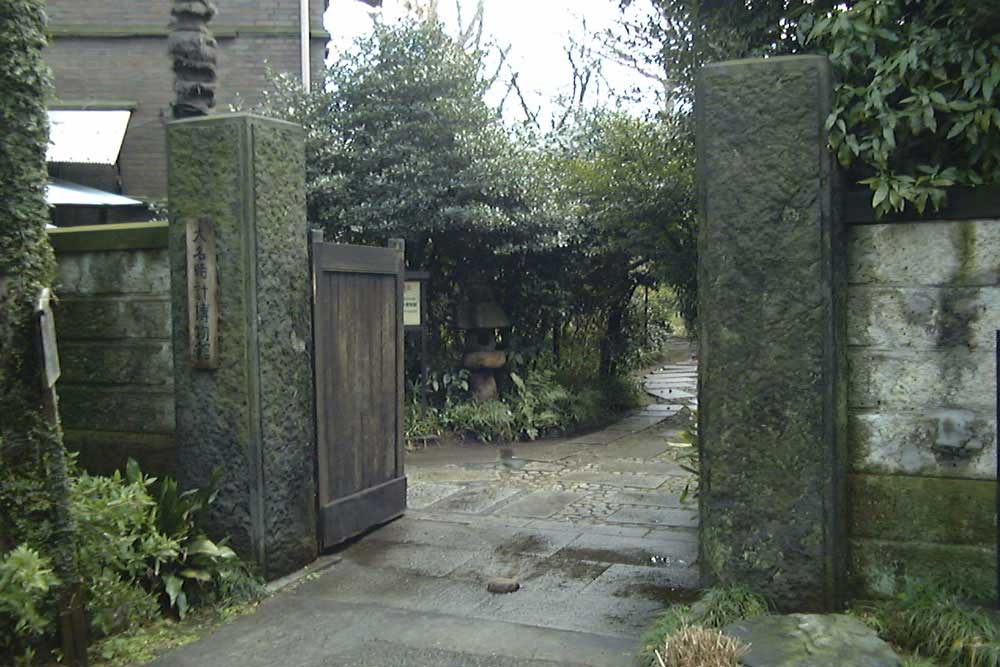
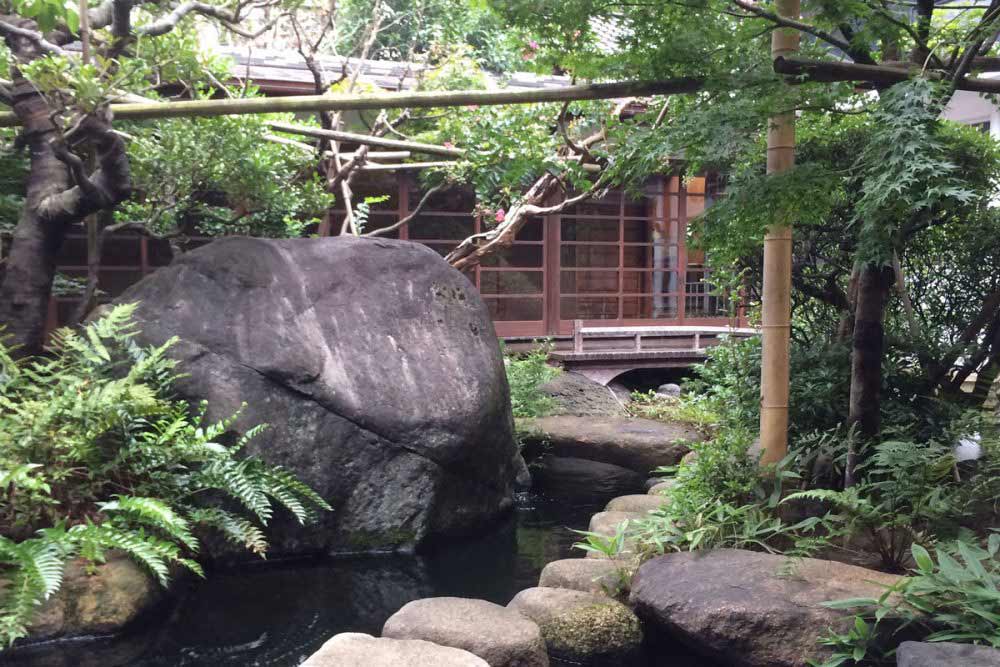
Completing the triangle is Sendagi, the “Sen” of the group, which has long been a haven for Japanese literati. During the Meiji and Taisho eras, famous writers such as Natsume Soseki and Mori Ogai made this district their home, drawn by its quiet elevation and scholarly atmosphere. Sendagi feels slightly more residential and intellectual, characterized by steep staircases and high-walled estates. A highlight is the Asakura Museum of Sculpture, the former residence and studio of master sculptor Fumio Asakura, which features a stunning water garden enclosed by traditional architecture. The district’s charm lies in its “lull”—a distinct lack of commercial noise that invites a slower, more meditative style of urban exploration.
Navigating the Yanesen Heritage Walk
The best way to experience Yanesen is to abandon a rigid itinerary and meander through the interconnected alleys. A popular route starts at Nippori Station, descends through the Yanaka markets, winds through the temple walls toward the lush grounds of Nezu Shrine, and eventually climbs the slopes of Sendagi toward Ueno Park. This walk represents one of the most rewarding cultural experiences in Tokyo, offering a glimpse into a capital that is both an international metropolis and a collection of intimate, enduring villages.