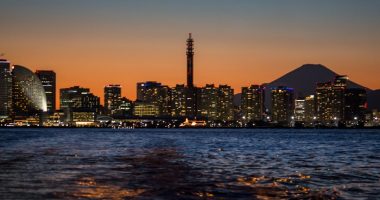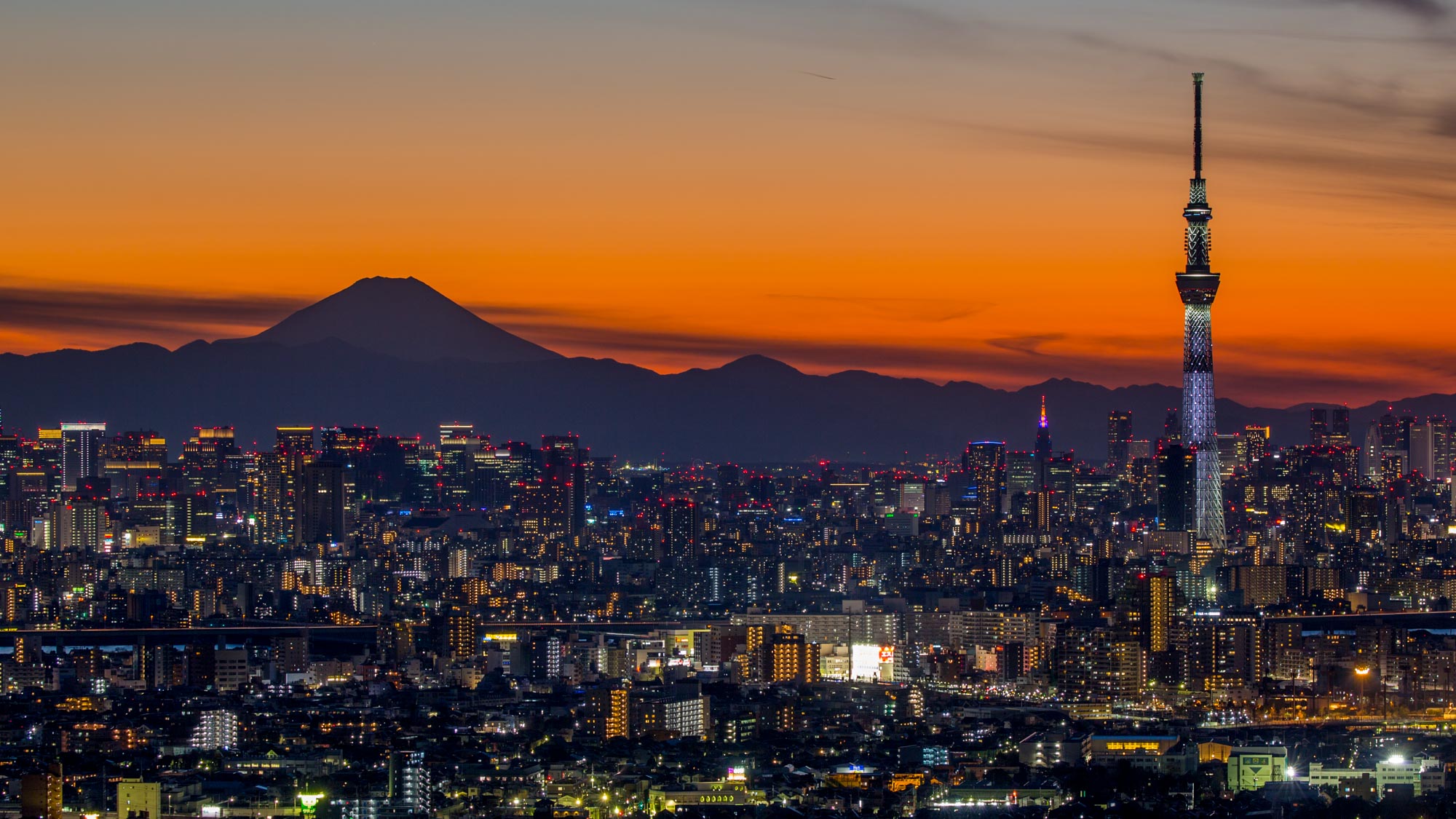
Strictly speaking, Tokyo refers to Tokyo Metropolis, the capital and one of Japan’s 47 prefectures. It is a vast urban sprawl that is today home to over 14 million people—a constellation of cities that have, over the course of time, merged into a single, high-functioning mega-region.
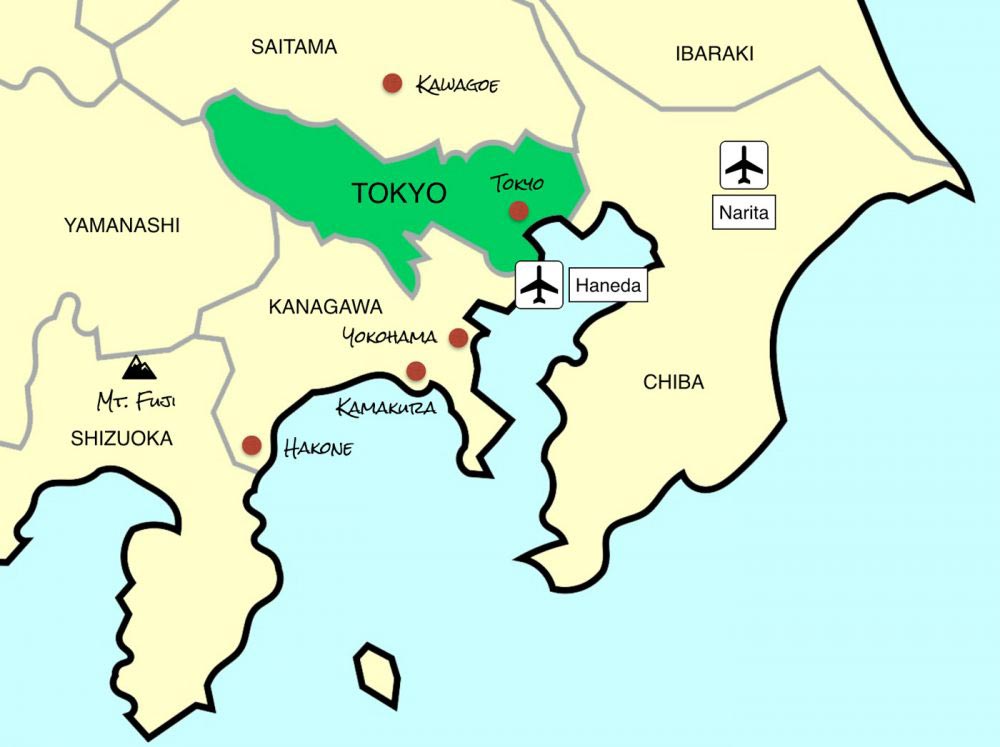
Approximately three-quarters of the population of the Metropolis live in the eastern section in what are referred to as the “23 special wards,” with the remainder living in outer Tokyo, which accounts for approximately two-thirds of the prefecture’s land area.
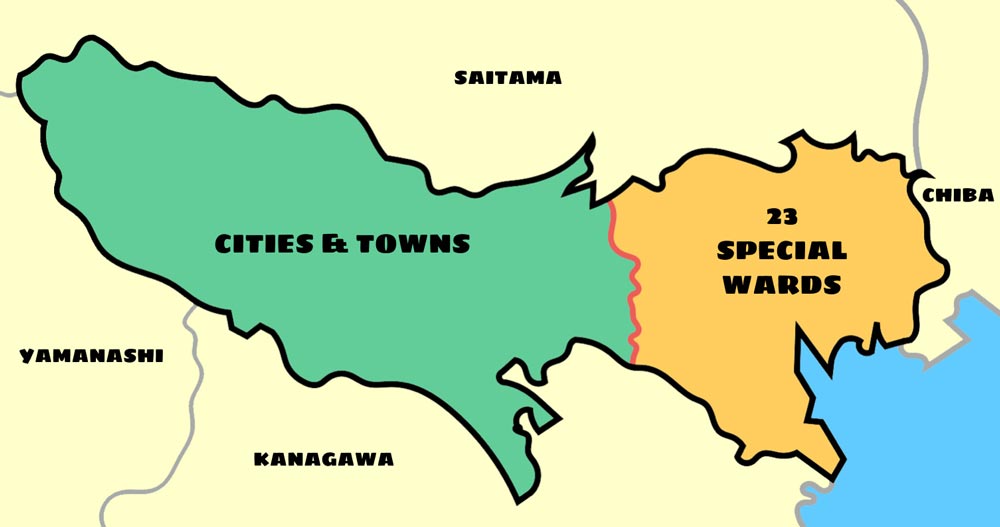
The 23 special wards, which rather confusingly refer to themselves as “cities” in English, are what most people really mean when they speak of “Tokyo.” These wards are historically divided by social geography. The area northeast of Edo Castle (now the Tokyo Imperial Palace) was historically referred to as shitamachi (literally, “low town”). This was the densely packed home of merchants and artisans during the Edo period. Conversely, the western yama-no-te (“foothills”) was where the shogun’s high-ranking vassals resided. Today, this distinction remains reflected in the city’s character: the east retains a traditional, nostalgic atmosphere, while the west serves as the gleaming heart of modern central Tokyo.
From Edo to Tokyo: A Brief History
The story of Tokyo begins not as a grand capital, but as a small fishing village named Edo. In 1457, the samurai Ota Dokan built the first castle on the site, but the city’s true transformation began in 1603 when Tokugawa Ieyasu established his shogunate there. For over 250 years of the Edo period, the city enjoyed unprecedented peace and isolation, growing into one of the largest cities in the world with a population exceeding one million by the early 1700s.
In 1868, the Shogunate collapsed during the Meiji Restoration. The teenage Emperor Meiji moved the imperial seat from the ancient capital of Kyoto to Edo, which was promptly renamed Tokyo—meaning “Eastern Capital.” This era marked a rapid shift toward Westernization, with the introduction of railways, brick architecture, and industrialization.
Tokyo’s physical appearance is a testament to its resilience. The city was almost entirely leveled twice in the 20th century: first by the Great Kanto Earthquake of 1923 and later by the devastating firebombing air raids of World War II in 1945. Consequently, Tokyo is architecturally young. Iconic structures like the Nihombashi Bridge, Meiji Shrine, and the Imperial Palace are largely 20th-century reconstructions.
However, Tokyo’s rich history lies in its culture and customs, which have weathered the rapid changes of the past 150 years. Most visitors spend the majority of their time in the 23 wards because the “must-see” landmarks are clustered there, but the outlying regions to the west are essential for those wanting to experience the mountainous and natural charms of the capital. It is this constant clash of the ultra-modern and the deeply historic that makes Tokyo such a captivating city in 2026.