
Staying connected in Tokyo has evolved significantly over the last decade, transitioning from a complicated process of physical contracts to near-instant digital activation. While the city’s infrastructure is world-class, the sheer density of the metropolis means that relying solely on public hotspots can lead to frustrating “lulls” in service when you need it most—specifically when navigating the labyrinthine subway exits or translating menus in real-time. Whether you are a solo traveler needing high-speed data for maps or a group requiring a shared connection for multiple devices, there is now a solution tailored to every itinerary.
The Modern Standard: eSIMs
The eSIM (embedded SIM) has quickly become the gold standard for international travelers. If you have a relatively modern smartphone, you can bypass airport kiosks entirely by downloading a data plan before you even depart. The primary advantage is convenience; there is no physical chip to lose, and you can maintain your home phone number for SMS and emergency calls while using the eSIM for all data. Popular global providers like Airalo and Ubigi offer competitive Japan-specific packages, often allowing for instant top-ups via their respective apps. For those requiring a local Japanese phone number (rarely needed for tourists but occasionally required for specific restaurant reservations), providers like Mobal or Sakura Mobile offer specialized plans that include voice minutes.
Reliable Group Data: Pocket WiFi Routers
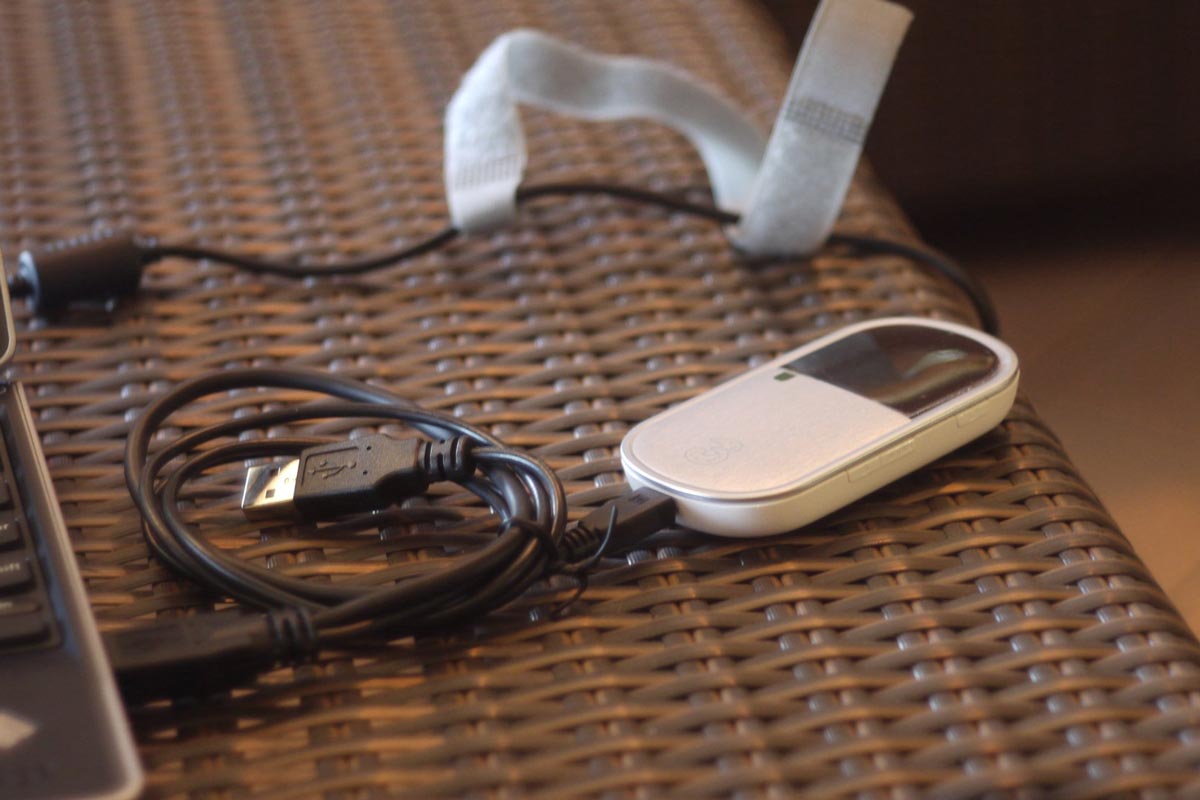
Despite the rise of digital SIMs, Pocket WiFi routers remain the superior choice for families or travelers working remotely. These small, portable devices act as a private hotspot, allowing multiple laptops, tablets, and phones to connect simultaneously. This is the most cost-effective method for heavy data users who want to avoid the battery drain associated with phone-based tethering. Most providers offer high-speed 5G plans, though “Fair Usage” throttling may apply after several gigabytes of daily use. You can pre-book these online and collect them at Haneda or Narita airports, or have them delivered directly to your hotel concierge. Just remember that you will need to carry a small power bank to ensure the router lasts through a full day of sightseeing.
Public Hotspots and Physical SIMs
For those on a strict budget, Public WiFi has become increasingly ubiquitous. Major convenience stores like 7-Eleven, cafes like Starbucks and Tully’s, and almost all JR and subway stations offer free access. To simplify the login process across these various networks, the Japan Connected-free Wi-Fi app remains a useful tool, aggregating thousands of hotspots into a single interface. However, if your phone does not support eSIMs and you prefer a dedicated connection, physical Pre-paid SIM cards are still widely available. These can be purchased at airport vending machines or major electronics retailers like Bic Camera and Yodobashi Camera. Just ensure your device is “unlocked” before attempting to use a local Japanese SIM.