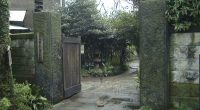
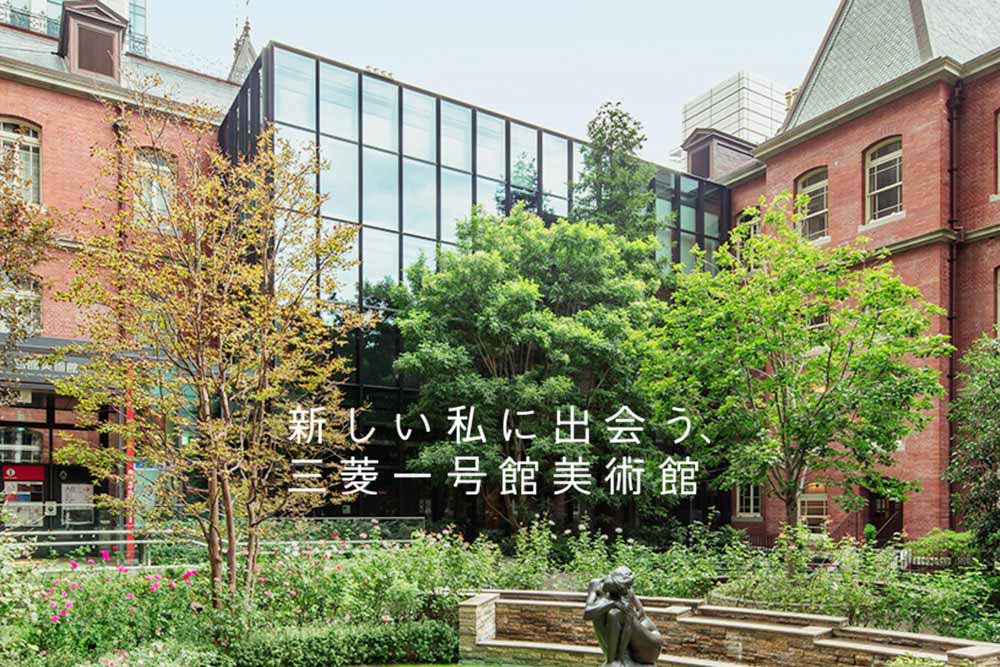
Mitsubishi Ichigokan was designed in 1894 by the English architect Josiah Conder and was the first Western-style building in the Marunouchi district. The original structure suffered considerable wear over the years and was torn down in 1968 and reconstructed in line with Conder’s original plans. The museum focuses primarily on late 19th century Western art work—notably including 250 works of graphic art originally owned by Henri de Toulouse-Lautrec (1864-1901).
Information
Location
Mitsubishi Ichigokan Museum, 2 Chome-6-2 Marunouchi, Chiyoda, Tokyo 100-0005
« Google Maps »
Getting there
5 mins from the Marunouchi South Exit of JR Tokyo Station. 6 mins from the Tokyo International Forum Exit of JR Yurakucho Station. 3 mins from Exit 1 of Nijubashimae Station on the Chiyoda Line of the Tokyo Metro. 6 mins from Exit D3 or D5 of Yurakucho Station on the Yurakucho Line of the Tokyo Metro. 3 mins from Exit B7 of Hibiya Station on the Mita Line of the Tokyo Metro. 6 mins from Exit of Tokyo Station on the Marunouchi Line of Tokyo Metro (Connected to underground passageways).
Details
10:00-18:00. Fridays: 10:00-21:00 (unless a public holiday). The museum is closed on Monday (unless that day is a national holiday).
Admission fee varies by exhibition
You May Also Like

Nippon Maru Sail Training Ship

Sail training ship built in 1930 and now permanently docked in Yokohama harbor as a museum ship with educational programs.

Nezu Museum

Museum displaying Japanese and East Asian antique art from the collection of its founder, Nezu Kaichiro. One of the main attractions is the Japanese garden with its stone-paved paths and tea house.

Old Shimbashi Station Museum

Museum that is a reconstruction of the Shimbashi-Teishajo Station that was the terminus between Shimbashi and Yokohama. Constructed in 1872, this was Japan’s first railway line and a key milestone in the country’s road to modernization.

Ghibli Museum

Museum designed by Studio Ghibli’s director, Hayao Miyazaki, and based on the storyboards used to create the films, the most famous of which (outside of Japan, at least) is Spirited Away (2001).