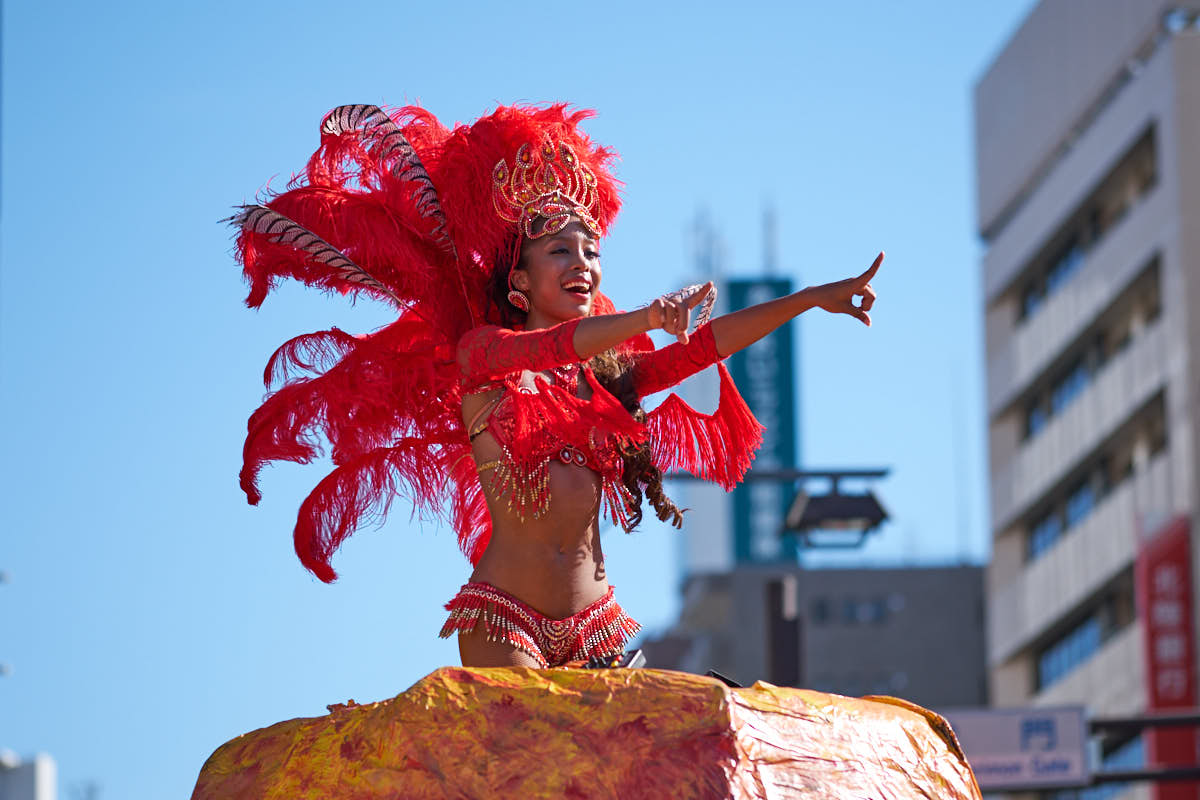
Held annually since 1981, the Asakusa Samba Carnival is one of the most vibrant and largest events on the Tokyo summer calendar, routinely attracting about half a million enthusiastic spectators each year. While the deeply historic district of Asakusa and the energetic streets of Brazil might not seem like an obvious cultural match at first glance, the connection actually runs quite deep. With a 300,000-strong Japanese-Brazilian community in São Paulo—the largest Japanese diaspora anywhere in the world—one doesn’t have to reach too far back into history to understand the powerful, celebratory ties between these two nations.
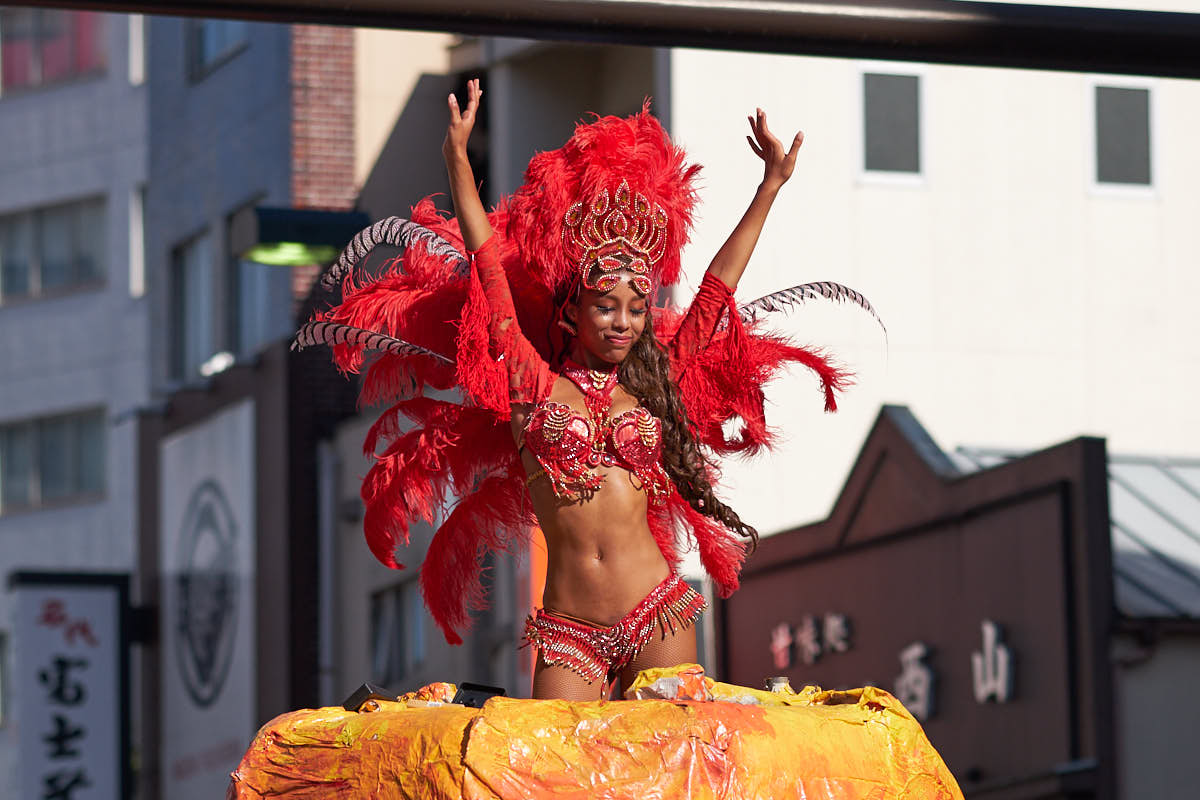
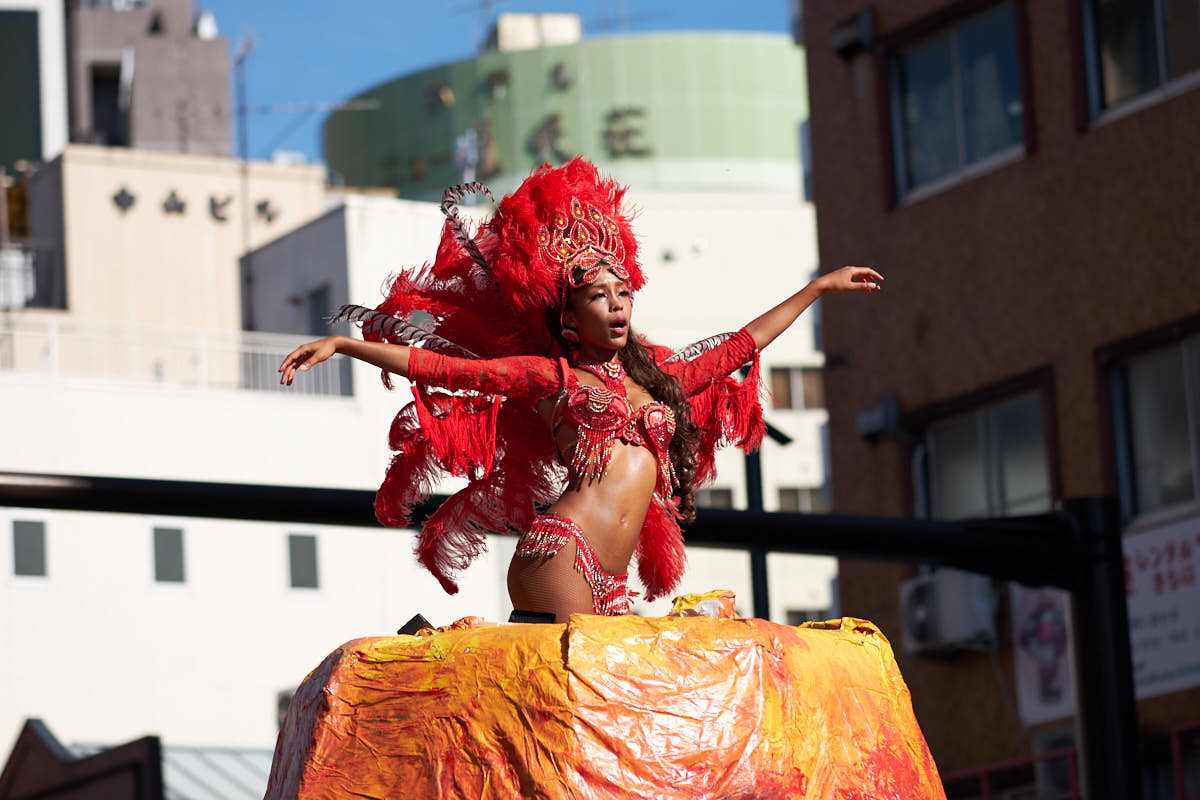
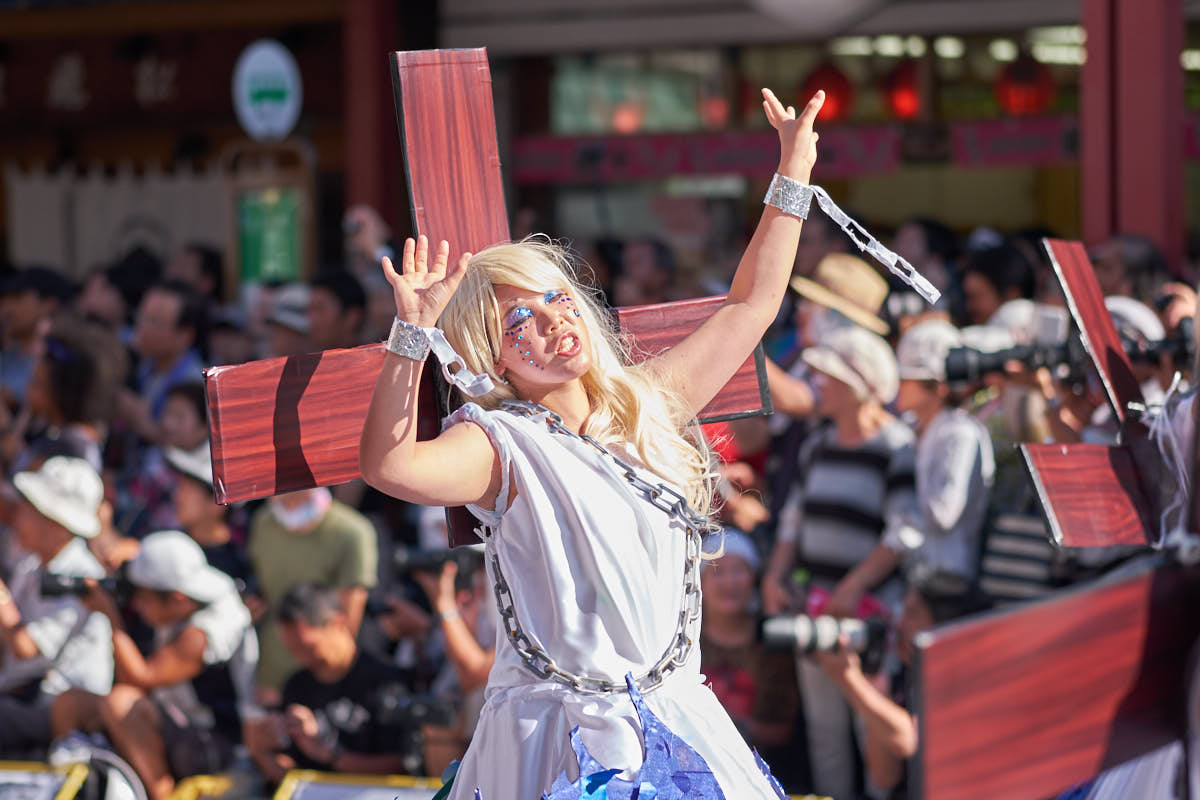
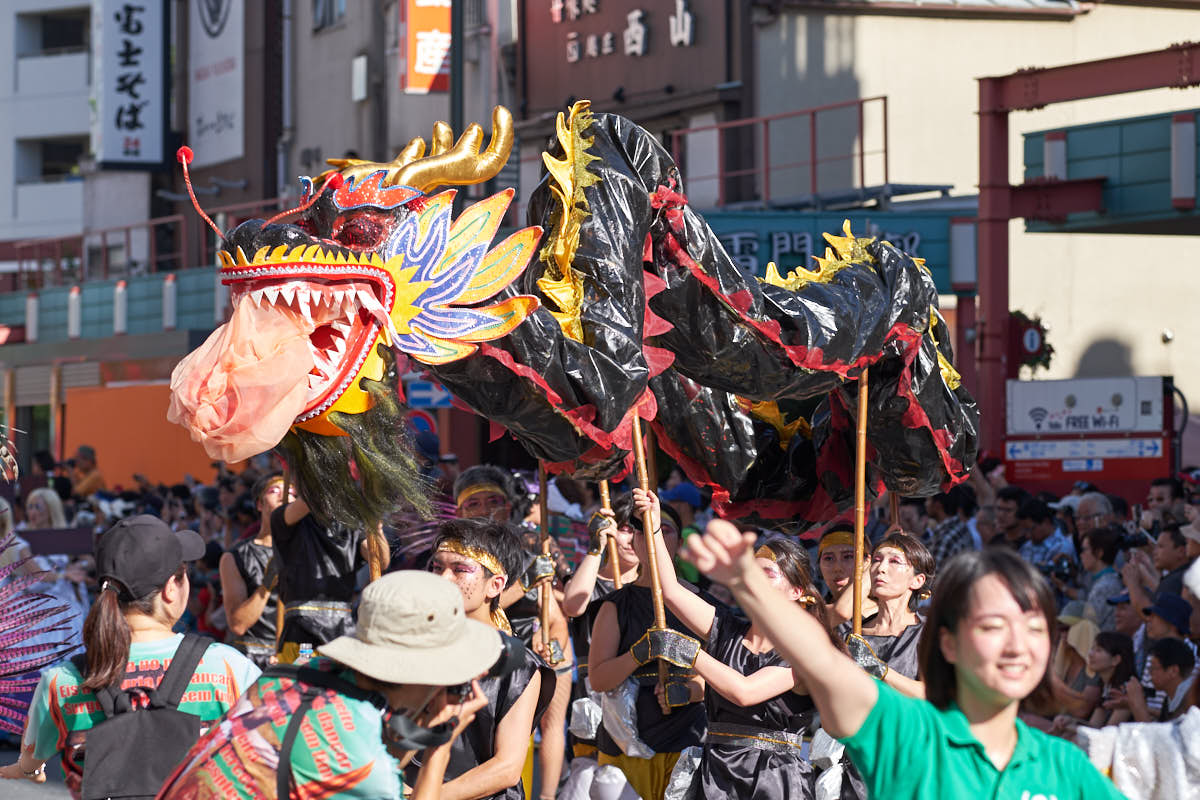
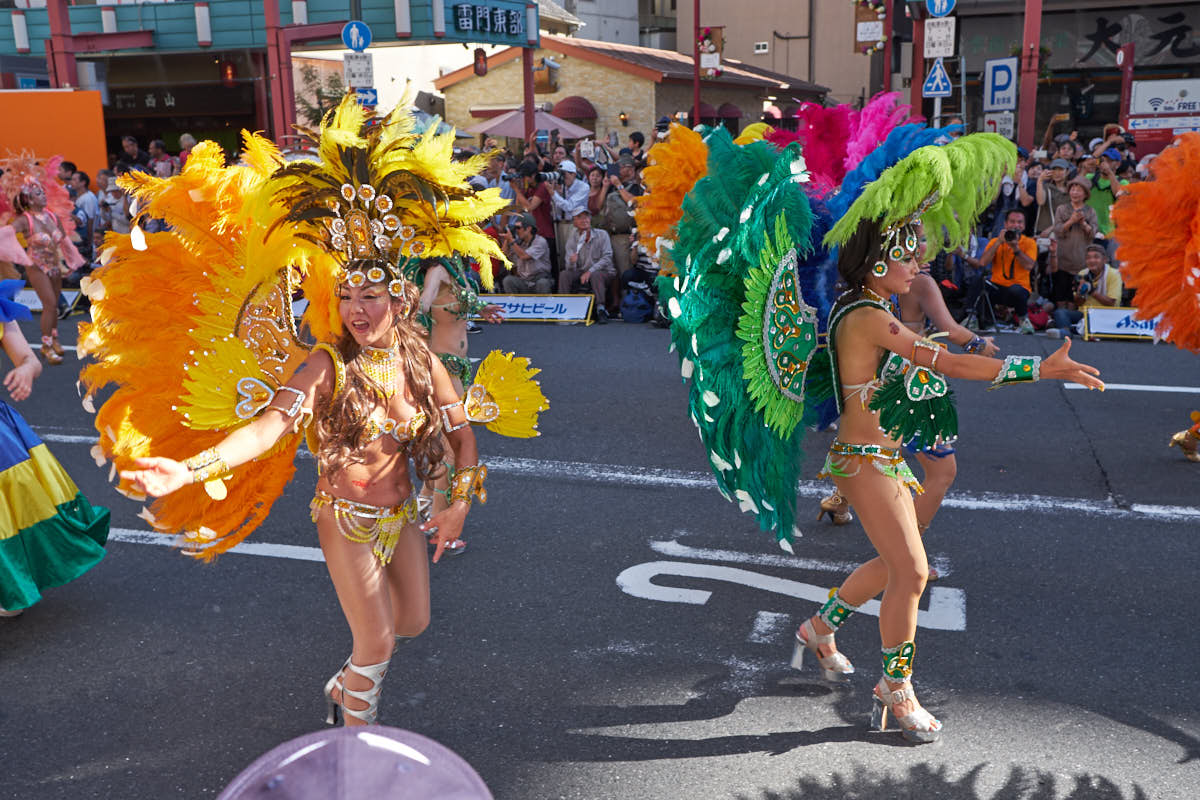
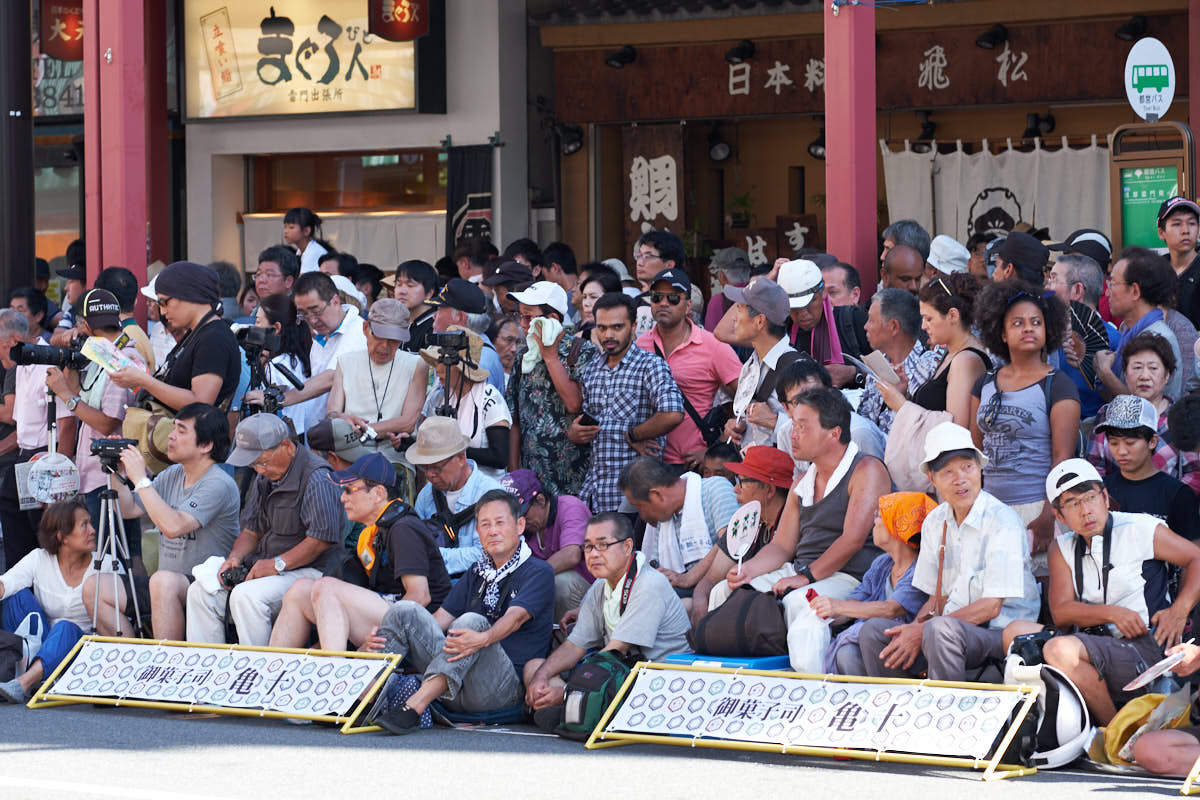
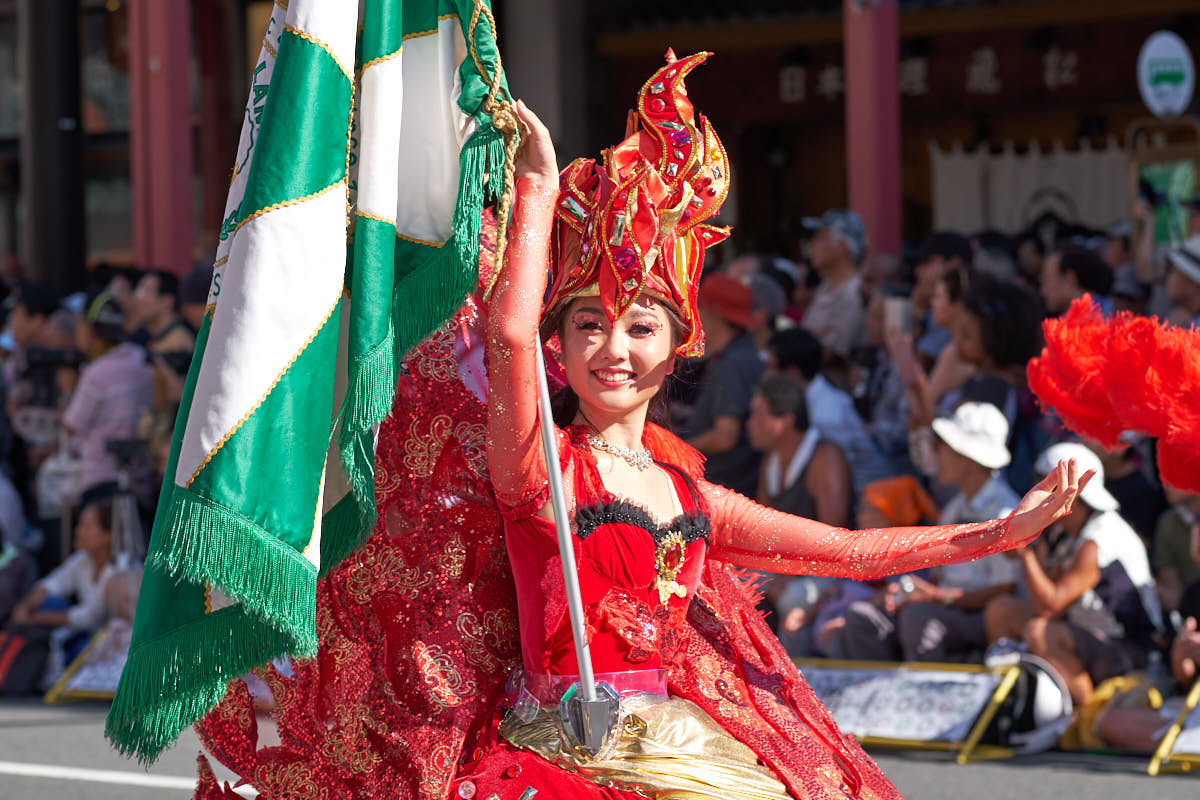
The carnival itself is actually a fierce but joyful contest between roughly 20 competing dance and music teams from across Japan, many of which practice year-round specifically for this single afternoon. The atmosphere is completely electric, fueled by the booming, infectious rhythms of massive bateria drum lines and enormous, elaborately decorated mobile floats.
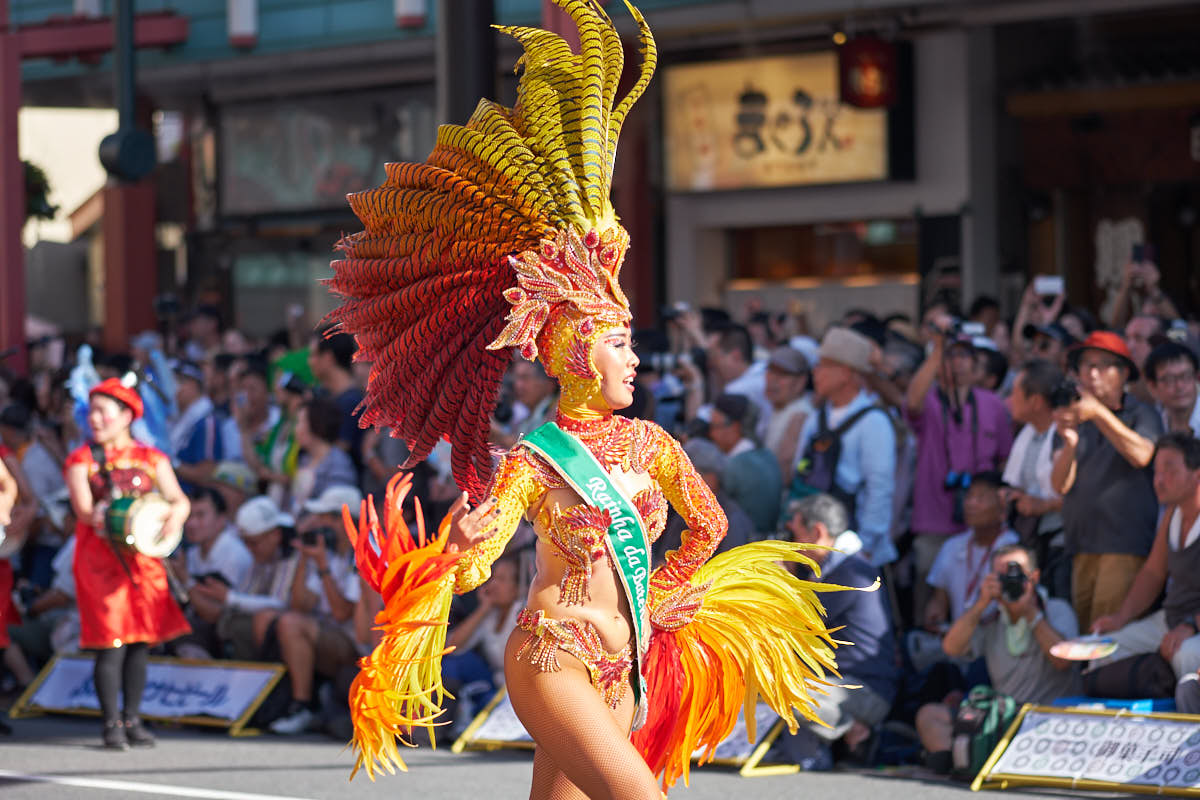
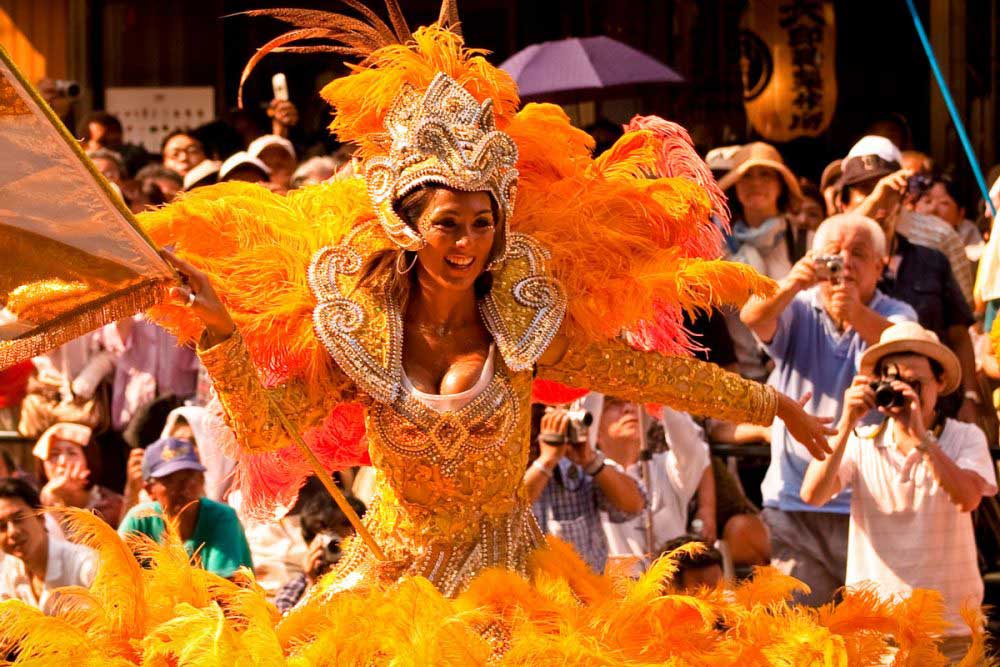
At the heart of the procession is the Rainha de Bateria (Queen of the Drums)—easily identifiable by her dazzling, colorful peacock-like feather sash and intricate rhinestone costumes. She proudly leads her respective team’s parade on a dynamic route down Umamichi-dori and Kaminarimon-dori, directly east and south of the iconic Sensoji Temple. The stark visual contrast of vibrant, sequined samba dancers parading past traditional Edo-era architecture is truly a spectacular sight. Securing a prime viewing spot at the front of the packed spectator area requires some planning, so arriving a few hours early is highly recommended.


