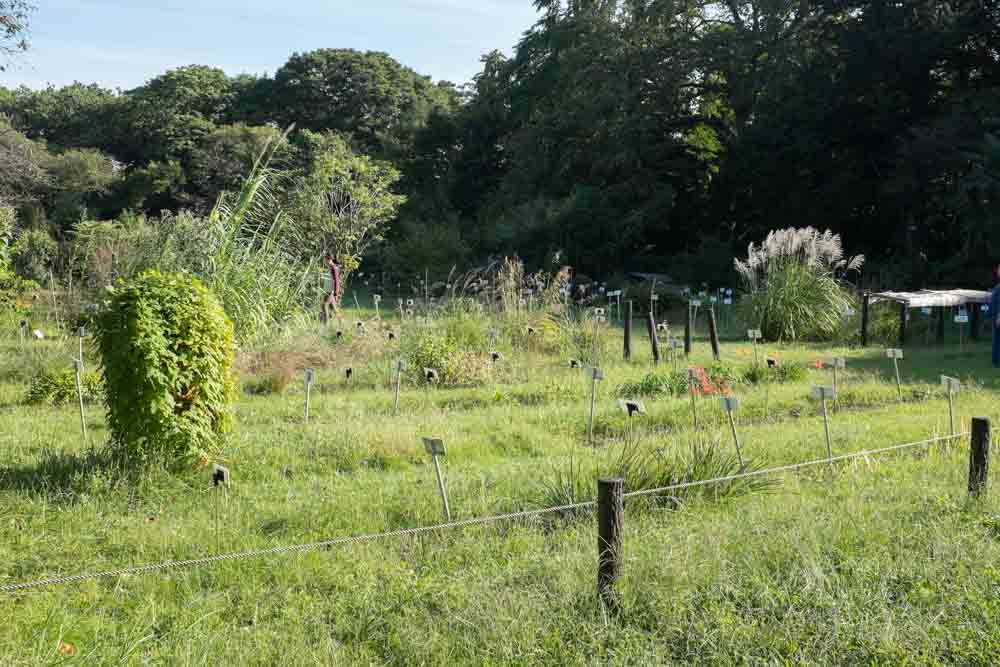
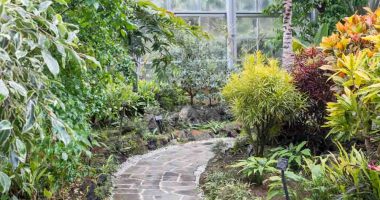
Operated by Tokyo University, Koishikawa Botanical Gardens are really for the avid horticulturalist: over 4,000 species of plant from all over the world, especially Eastern Asia. The gardens date back to 1684 when a medicinal herb garden was established on the land and are still kept in order to further research in plant sciences.

With the exception of the landscaped Japanese garden at the far end, Koishikawa Botantical Gardens is not the most picturesque of Tokyo’s gardens, nor the most accessible; however, it doesn’t get as crowded as some other parks and gardens and is therefore popular when the cherry blossoms or the autumn colours arrive.

Not to be confused with the similar sounding Koishikawa Korakuen which is situated a few kilometres away near Tokyo Dome.
Information
Getting there
A 10-15 minute walk from Myogadani Station on the Marunouchi line
Details
9:00-16:30 (last admission at 16:00). Closed on Mondays
ÂĄ400
You May Also Like

Yoyogi Park

Large park west of Shibuya ward especially popular during the cherry blossoms which also served as an Olympic Village for the 1964 Tokyo games.

Hayama Shiosai Park and Museum

A public park that contains a small museum showcasing the extensive marine in the Hayama bay area and includes artifacts collected by the Emperor ShĹŤwa (Hirohito) who spent much time at the Hayama Imperial Villa during his reign.

Wadakura Fountain Park

A small park to the east of the Imperial Palace opened in 1961 to commemorate the wedding of the Emperor and Empress, and refurbished in 1995 to celebrate the wedding of the Crown Prince and Princess.

Shinjuku Gyoen National Garden

One of the most famous gardens in central Tokyo covering an area of almost 60 hectares. It opened to the public in 1949 and today is home to three gardens (traditional Japanese, French formal, English landscape) and a rock-landscaped greenhouse.