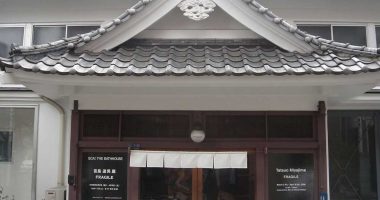
The Asakura Museum of Sculpture (台東区立朝倉彫塑館) is a profound “lull” in the historic Yanaka district, preserving the former residence and studio of Fumio Asakura (1883–1964). Often hailed as the “Rodin of Japan,” Asakura moved to Tokyo from Oita at 19 and became the father of modern Japanese sculpture. The building itself, designed by Asakura and completed in 1935, is an architectural marvel that seamlessly blends a Western-style ferroconcrete studio—complete with soaring 8.5-meter ceilings and skylights—with a traditional Japanese residence crafted from fine cedar and bamboo.
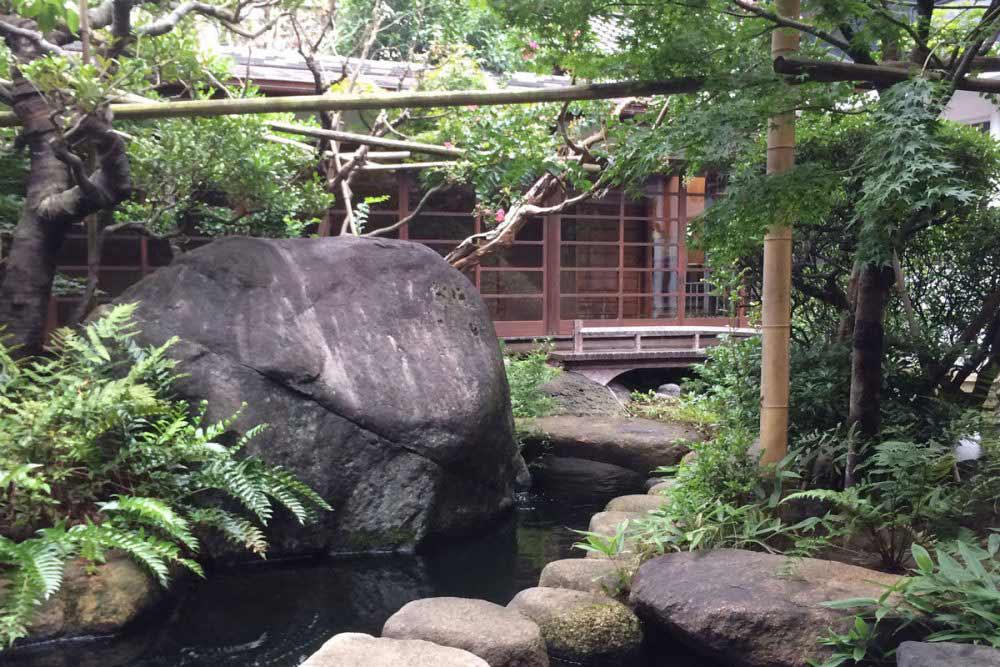
Asakura utilized the space not just as a home, but as the Asakura School of Plastic Arts. His unique teaching philosophy is best reflected in the rooftop garden, arguably the oldest of its kind in Tokyo. He required his students to grow vegetables like radishes and tomatoes here, believing that the act of horticulture was essential for sharpening the five senses and developing the “sculptor’s intuition.” Today, visitors can still enjoy the panoramic views of Yanaka from this green oasis, which contrasts beautifully with the central Godaishui-no-niwa (Five Water Courtyard Garden) located on the ground floor.
The interior is equally captivating, housing masterpieces such as “The Grave Keeper” and an entire gallery on the third floor—the Orchid Room—dedicated to his favorite subject: cats. These lithe, bronze felines are captured in a variety of naturalistic poses, showcasing Asakura’s mastery of realism. Because the museum is a former residence, visitors must remove their shoes at the entrance and must wear socks to walk on the delicate tatami and polished wood floors; those in sandals will be asked to purchase a pair at the reception. Note that while photography is generally prohibited inside, special designated spots in the Orchid Room and Sunrise Room offer a chance to capture the building’s serene aesthetic.
| Visitor Information | |
|---|---|
| Address | 7-18-10 Yanaka, Taito-ku, Tokyo 110-0001 (Google Maps) |
| Opening Hours | 9:30 AM – 4:30 PM (Entry until 4:00 PM) Closed: Mondays and Thursdays (Open if holiday, closed next day) |
| Price | ¥500 (Adults), ¥250 (Children/Students) |
| Website | Visit Website |
| Access | ||
|---|---|---|
| Station | Line(s) | Access Details |
| Nippori Station | JR Yamanote / Keisei Line | 5-minute walk from the West Exit |
| Nishi-Nippori Station | Chiyoda / Nippori-Toneri | 10-minute walk |