Great Kanto Earthquake Memorial Museum
Just before midday on September 1, 1923, an earthquake with a magnitude of 7.9 struck the Kanto region and wreaked havoc on Tokyo. The ensuing fires raged through the city for two days, tearing through the densely packed wooden neighborhoods and claiming the lives of over 100,000 people across the region. The Great Kanto Earthquake Memorial Museum—known locally as the Fukko Kinenkan—was established to ensure the scale of this catastrophe and the subsequent recovery would never be forgotten.
Disaster, Recovery, and the Shift to 1945
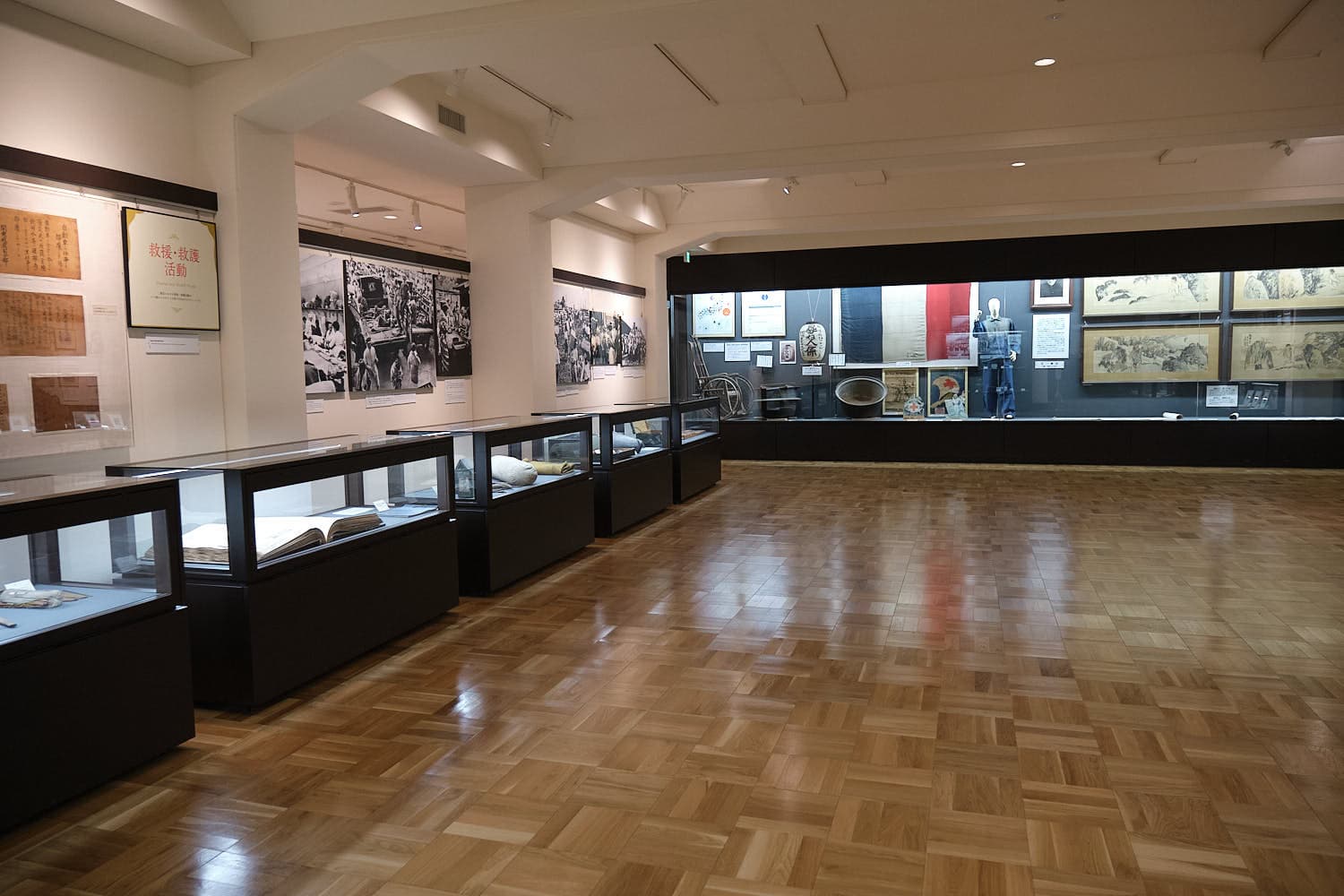
The museum houses a haunting collection of photographs and physical artifacts that serve as a testament to the heat and violence of the 1923 fires. Among the most striking exhibits are piles of melted iron nails, fused glass bottles, and charred remains of household machinery that were twisted into unrecognizable shapes by the fire whirls. Detailed maps and dioramas illustrate how the city was virtually erased, with explanations in English provided for many of the major photographic records. However, the museum is not merely a record of loss; it also serves to memorialize the massive reconstruction projects that followed. The second floor is dedicated to the urban planning of the 1920s, showcasing how the city transitioned from fire-prone wooden structures to modern, earthquake-resistant concrete and wide boulevards.
Following the devastation of the World War II air raids, the mission of the museum was expanded. Since 1945, the facility has also served to remember those who died during the incendiary bombings of the city, most notably the raid on March 10, 1945. By housing artifacts from both the 1923 earthquake and the 1945 bombings, the museum provides a profound look at the two defining moments of destruction and rebirth in Tokyo history. Located within the quiet grounds of Yokoamicho Park in Ryogoku, it remains an essential stop for those seeking to understand the architectural and social foundations of the modern capital. The building itself, completed in 1930, is an architectural landmark of the early Showa period, reflecting the sober and resilient spirit of the era.
| Visitor Information | |
|---|---|
| Address | 2-3-25 Yokoami, Sumida-ku, Tokyo 130-0015 (Google Maps) |
| Opening Hours | 9:00 AM – 5:00 PM (Last admission 4:30 PM) Closed: Mondays (Tuesday if Monday is a holiday), Year-end/New Year (December 29 – January 3) |
| Price | Free |
| Website | Visit Website |
| Access | ||
|---|---|---|
| Station | Line(s) | Access Details |
| Ryogoku Station | Toei Oedo Line | Exit A1 (2-minute walk) |
| Ryogoku Station | JR Sobu Line | West Exit (10-minute walk) |