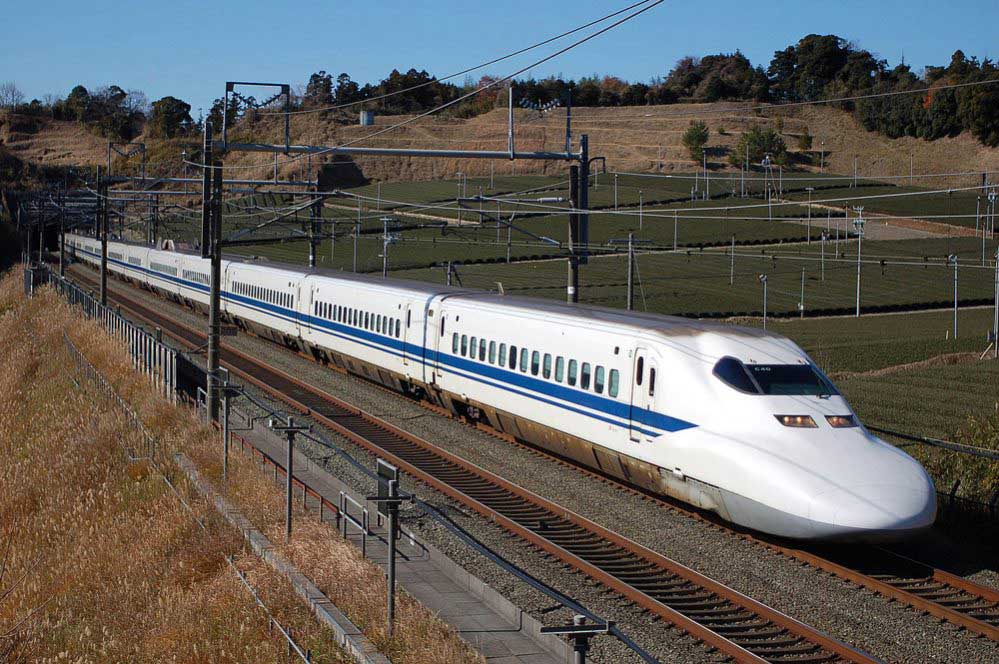

For many years, the Japan Rail Pass (JR Pass) was an automatic purchase for any tourist visiting Japan. However, following a massive price increase in late 2023, it has transitioned from a “must-buy” to a premium product that only makes sense for those planning extremely high-intensity travel across the country. The pass is available to non-Japanese visiting on a “Temporary Visitor” visa and offers unlimited travel on most trains operated by the Japan Rail Group.
Japan Rail Pass Pricing
The pass is sold in 7-, 14-, and 21-day increments for both the Ordinary Car and the more spacious Green Car (First Class). Unlike in the past, prices are now standardized regardless of whether you buy online or via a travel agent.
| Duration | Ordinary Car (Adult) | Green Car (Adult) |
|---|---|---|
| 7-Day | ¥50,000 | ¥70,000 |
| 14-Day | ¥80,000 | ¥111,000 |
| 21-Day | ¥100,000 | ¥140,000 |
Is it worth it? The New Math
To determine if the pass is cost-effective, you must calculate your total planned Shinkansen fares. For context, a Tokyo-Kyoto return journey costs approximately ¥28,000. This means a 7-day pass (¥50,000) is no longer worth it for a simple round trip between the two cities. To break even on a 7-day pass, you would generally need to travel from Tokyo to Hiroshima and back within that week. If your itinerary is just Tokyo, Kyoto, and Osaka, purchasing individual tickets is now significantly cheaper.
Where can I buy a Japan Rail Pass?
There are two primary ways to purchase the pass before you enter Japan:
- The Official Website (JAPAN RAIL PASS Reservation): This is highly recommended. Buying here allows you to reserve Shinkansen seats online for free before you even leave your home country.
- Authorized Travel Agents: You can still buy from agents abroad. You will receive an Exchange Order (voucher) in the mail, which you must bring to a JR Exchange Office in Japan to receive your actual pass.

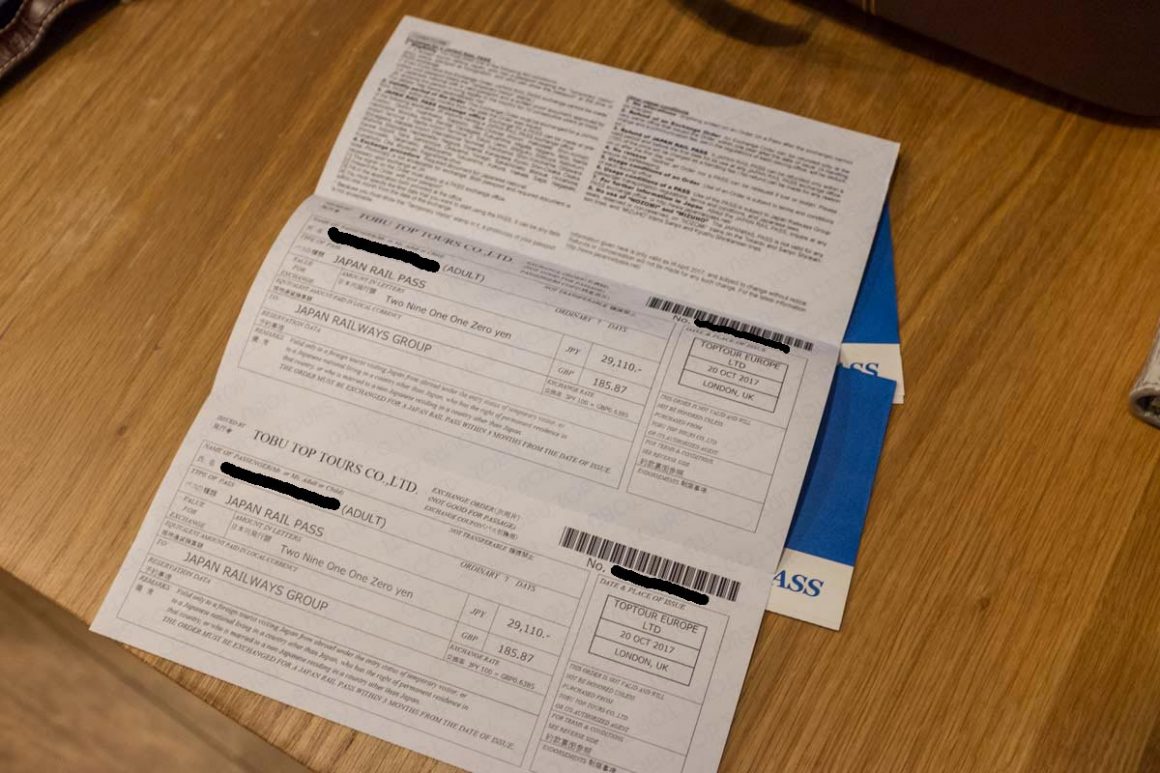
Important: You must exchange your voucher or pick up your pass within three months of the purchase date. When you collect the pass, you can specify a start date up to 30 days in the future. Once set, this start date cannot be changed.
Using the Pass: Essential Rules
Automated Gates: Outdated guides often state you must show your pass to staff at the window. This is no longer true. The modern JR Pass is a magnetic ticket that you insert into the automatic ticket gates just like a standard ticket.
The “Nozomi” and “Mizuho” Supplement: In the past, the fastest Shinkansen were completely off-limits. Now, pass holders can ride the Nozomi and Mizuho trains if they purchase a special supplemental ticket (approximately ¥5,000 for Tokyo to Kyoto). Without this supplement, you are restricted to the Hikari, Sakura, and Kodama services.
Oversized Baggage: If you are traveling with a suitcase where the total dimensions exceed 160cm, you must reserve a seat with an oversized baggage area. This reservation is free for pass holders but must be made at a ticket machine or counter before boarding to avoid a penalty fee.
Is it worth upgrading to the Green Car?
The Green Car offers a 2-2 seating configuration (versus 3-2 in Ordinary), providing more shoulder room, integrated footrests, and a generally quieter atmosphere. While Ordinary cars are perfectly comfortable, the Green Car upgrade is worth considering during peak seasons—such as Golden Week (late April/early May), Obon (mid-August), or New Year—when the Ordinary carriages are often packed and luggage space is at a premium.