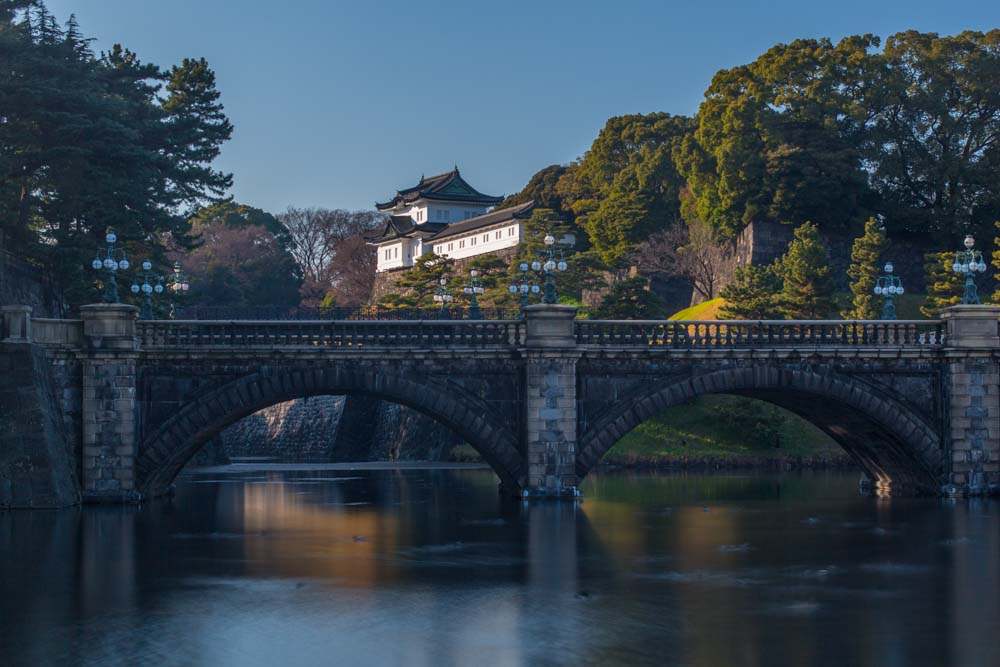

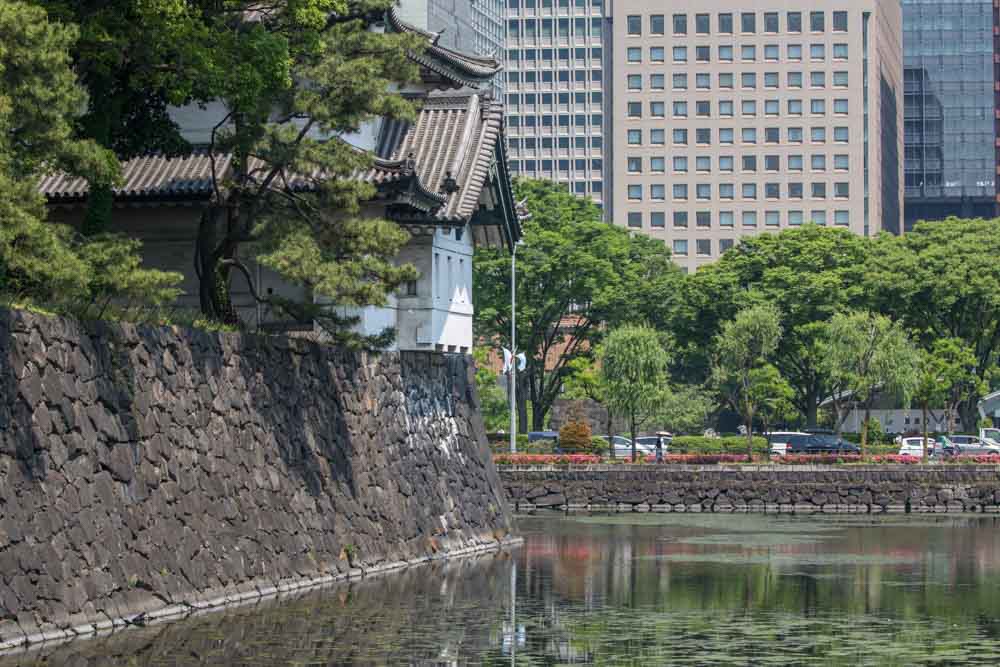
The Tokyo Imperial Palace (皇居, Kōkyo) is the spiritual and historical heart of the capital. Located on the former site of Edo Castle—once the largest fortress in the world—it has served as the official residence of the Imperial Family since the Meiji Restoration in 1868. Occupying a vast green lung in the center of the city, the palace grounds are a masterclass in Japanese landscape design, featuring massive stone walls, deep moats, and meticulously manicured gardens that provide a stark contrast to the surrounding skyscrapers of Marunouchi.
Navigating the Palace Zones
The Imperial Palace is not a single destination but a collection of four distinct areas, each with its own character and access rules. Understanding these zones is essential for a successful visit.
1. The East Gardens (Honmaru & Ninomaru)
The Imperial Palace East Gardens occupy the former innermost circles of Edo Castle. This is the most popular area for visitors and is generally open to the public without a tour. Key highlights include the Tenshudai (the massive stone foundation of the former castle keep) and the Ninomaru Garden, a beautiful representation of an Edo-period strolling garden. The gardens also house the Museum of the Imperial Collections (Sannomaru Shozokan).
2. Kokyo Gaien (The Outer Garden)
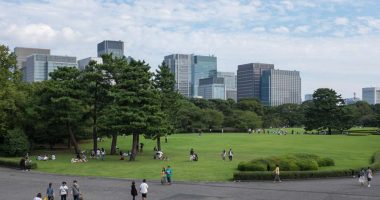
This is the large, open plaza located directly in front of Tokyo Station. It is famous for its thousands of black pine trees and the iconic view of the Nijubashi (Double Bridge). This is a public space open 24/7 and is the best place for classic “postcard” photography of the palace gates.
3. Kitanomaru Park
Located to the north, Kitanomaru Park is a forested area that houses major cultural institutions, including the Nippon Budokan (a premier venue for martial arts and concerts), the Science Museum, and the National Museum of Modern Art, Tokyo. The Chidorigafuchi moat walk along the park’s edge is one of the city’s most famous spots for cherry blossom viewing.
4. The Inner Grounds (Kyuden)
The Inner Grounds contain the actual Imperial Palace buildings. Traditionally, these were almost impossible to enter, but accessibility has improved significantly. There are now two ways to see the inner grounds:
- Public Greetings: The public can enter the inner plaza on January 2nd (New Year’s Greeting) and February 23rd (The Emperor’s Birthday) to see the Imperial Family on the balcony.
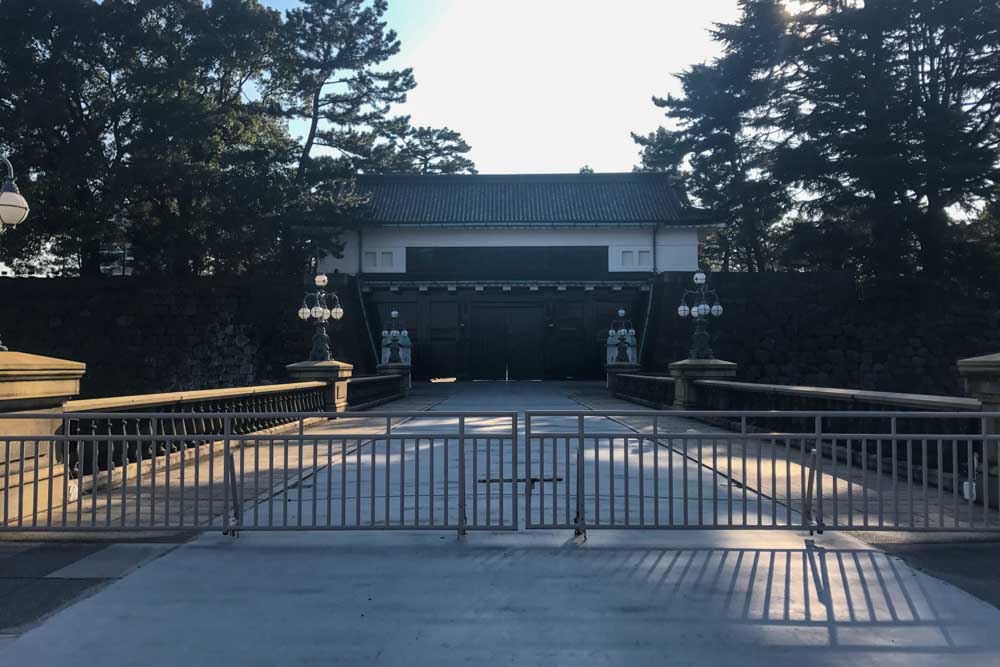
- Guided Tours: Free guided tours are conducted twice daily (except on Sundays, Mondays, and holidays). You can apply in advance via the Imperial Household Agency website or attempt a same-day registration by arriving at the Kikyomon Gate early in the morning to secure one of the limited numbered tickets.
Practical Visiting Information
When planning your visit, keep in mind that the Imperial Palace East Gardens are closed every Monday and Friday (or the following day if a holiday falls on those days). There is no admission fee for the gardens or the outer plaza.
| Gate/Area | Nearest Station | Primary Attraction |
|---|---|---|
| Otemon Gate | Otemachi Station (C10) | Entrance to East Gardens |
| Kikyomon Gate | Tokyo Station (Marunouchi Exit) | Registration for Inner Tours |
| Tayasumon Gate | Kudanshita Station (T07) | Entrance to Kitanomaru Park |
| Nijubashi Bridge | Nijubashimae Station (C11) | Photography and Outer Garden |
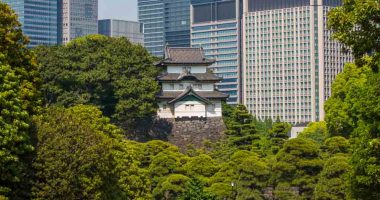
For those interested in the architecture and the finer details of the tour route—including the historic Fujimi-yagura (Mt. Fuji-viewing turret)—be sure to read our detailed guide to the palace tour here.