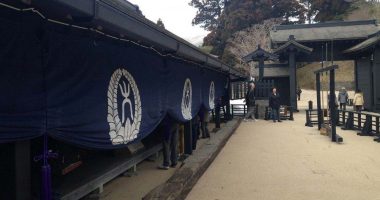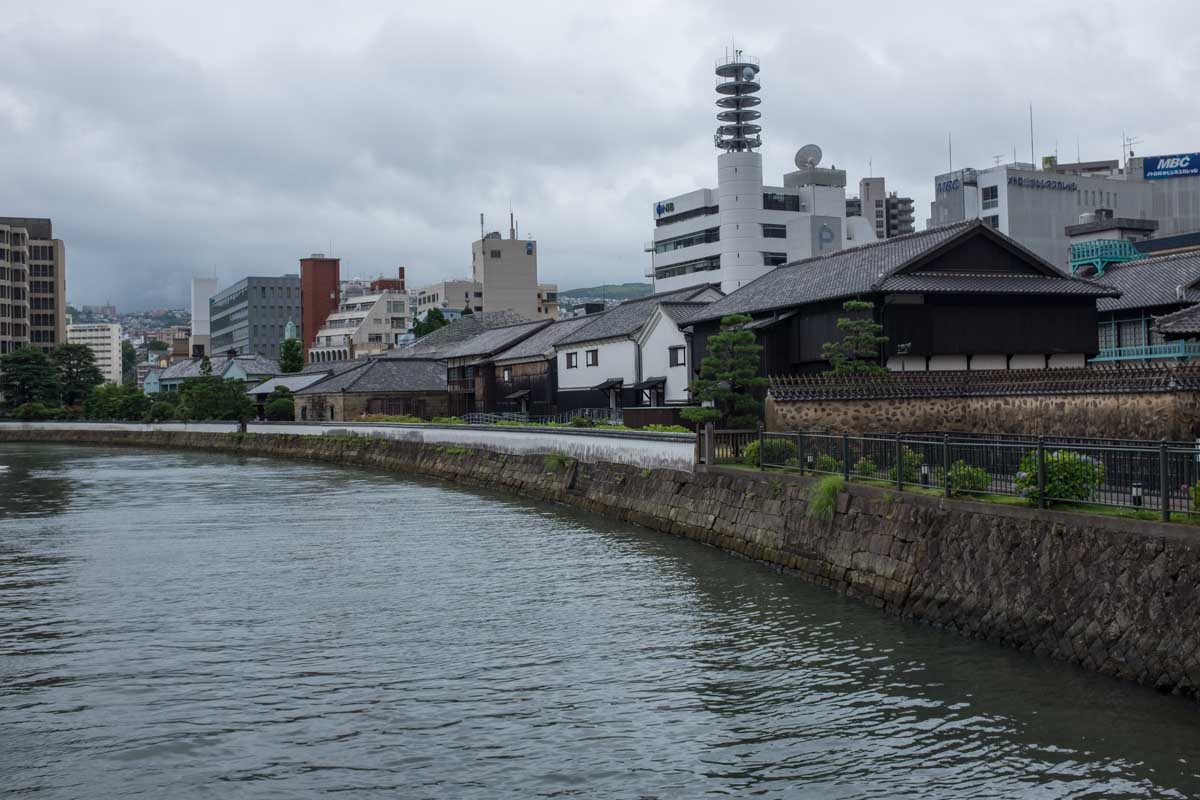
Dejima (出島, “Exit Island”) is a small, fan-shaped artificial island in the port of Nagasaki that served as the primary Dutch trading post between 1641 and 1854. For over two centuries, it remained the only official point of contact and trade between Japan and the Western world during the Tokugawa shogunate’s period of national isolation (sakoku). Today, the site is a designated Japanese national historic site, meticulously restored to allow visitors to step back into an era when this tiny patch of land was the sole gateway for European medicine, science, and culture to enter the Japanese archipelago.
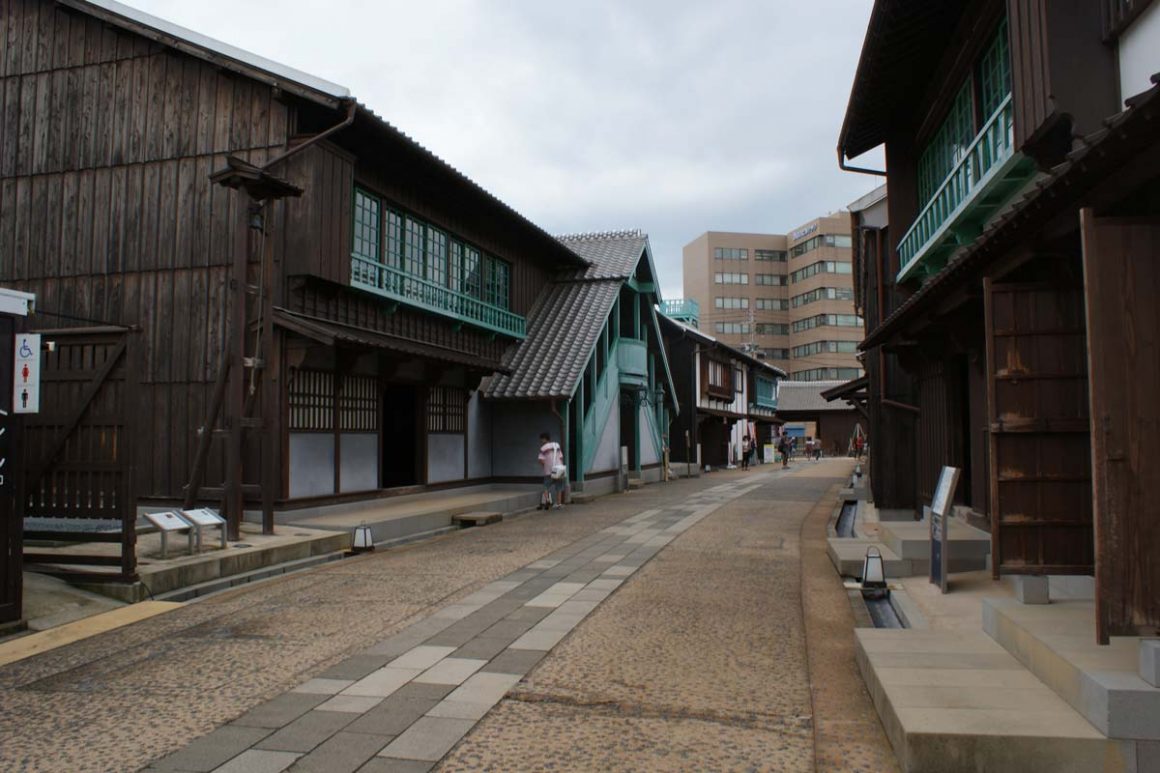
The History of Dejima and the Dutch Monopoly
The history of European contact in Japan began in 1543 when Portuguese merchants were blown off course to the island of Tanegashima. This initial contact introduced the matchlock gun to Japan, fundamentally altering the nature of samurai warfare. However, the Portuguese also brought Jesuit missionaries, and the rapid spread of Christianity began to unsettle the shogunate. By 1634, the third shogun, Tokugawa Iemitsu, ordered the construction of Dejima to confine Portuguese traders and prevent the further proselytization of the local population.
Following the Shimabara Rebellion in 1637—a localized uprising involving Christian converts—the shogunate expelled the Portuguese entirely. The Dutch East India Company (VOC), which had wisely assisted the shogunate during the conflict by providing artillery, was granted a monopoly on European trade. In 1641, they were ordered to move their factory from Hirado to the more restricted confines of Dejima. For the next 200 years, the Dutch residents lived under strict surveillance, forbidden from leaving the island without official escort and largely restricted to the 15,000 square meters of the man-made fan.
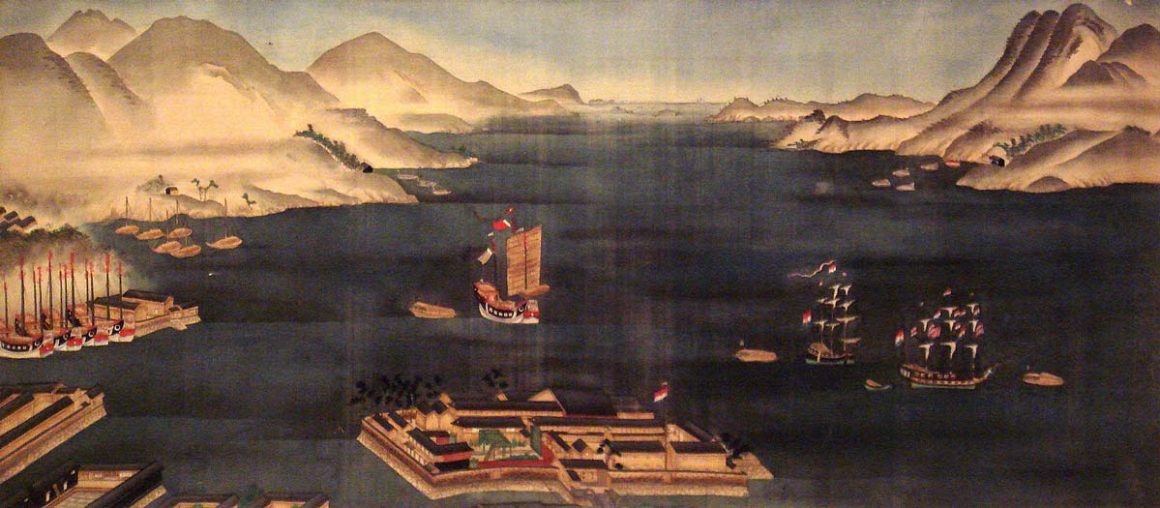
Rangaku: The Window of Dutch Studies
While the primary purpose of Dejima was the exchange of silk, sugar, and copper, its most enduring legacy was the exchange of knowledge. Through the island, Japan received Western texts on anatomy, botany, and geography—a field of study that became known as Rangaku (Dutch Studies). Physicians such as Caspar Schamberger and later Philipp Franz von Siebold stayed on the island, teaching Western surgical techniques and collecting Japanese plant specimens. These exchanges laid the intellectual groundwork for Japan’s rapid modernization during the later Meiji period, as Japanese scholars utilized Dutch translations to understand the industrial and scientific advancements occurring in Europe.
Life Inside the Settlement
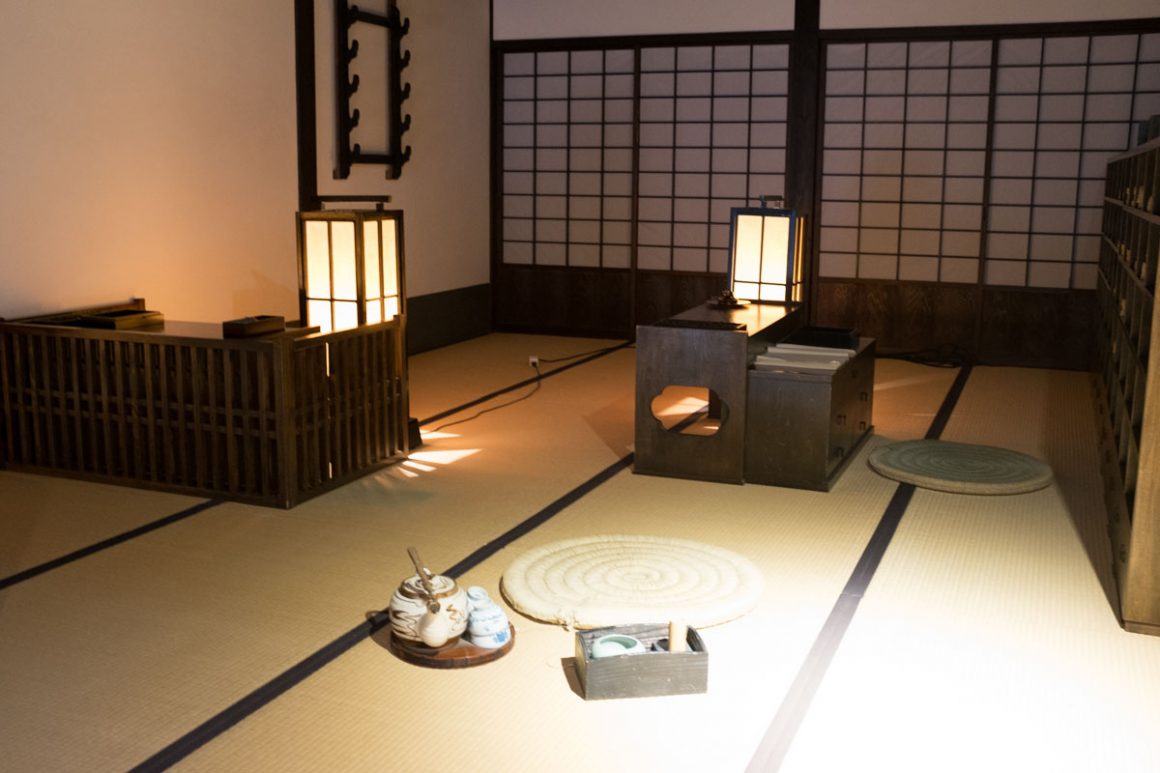
Life on Dejima was a curious blend of Japanese architecture and European lifestyle. The island functioned as a self-contained town with its own residences, warehouses, and even a small botanical garden. The Capitan’s House (Chief Factor’s Residence) served as the administrative heart, where the head of the VOC factory would host Japanese officials. The interiors of these buildings featured a unique hybrid style: traditional tatami mats and sliding paper doors (fusuma) paired with Western furniture, wallpaper, and dining tables. Today, visitors can walk through the First Warehouse and the Chief Factor’s Residence, which have been painstakingly furnished with period-accurate artifacts to recreate this specific cultural collision.
Modern Restoration and the Dejima Bridge
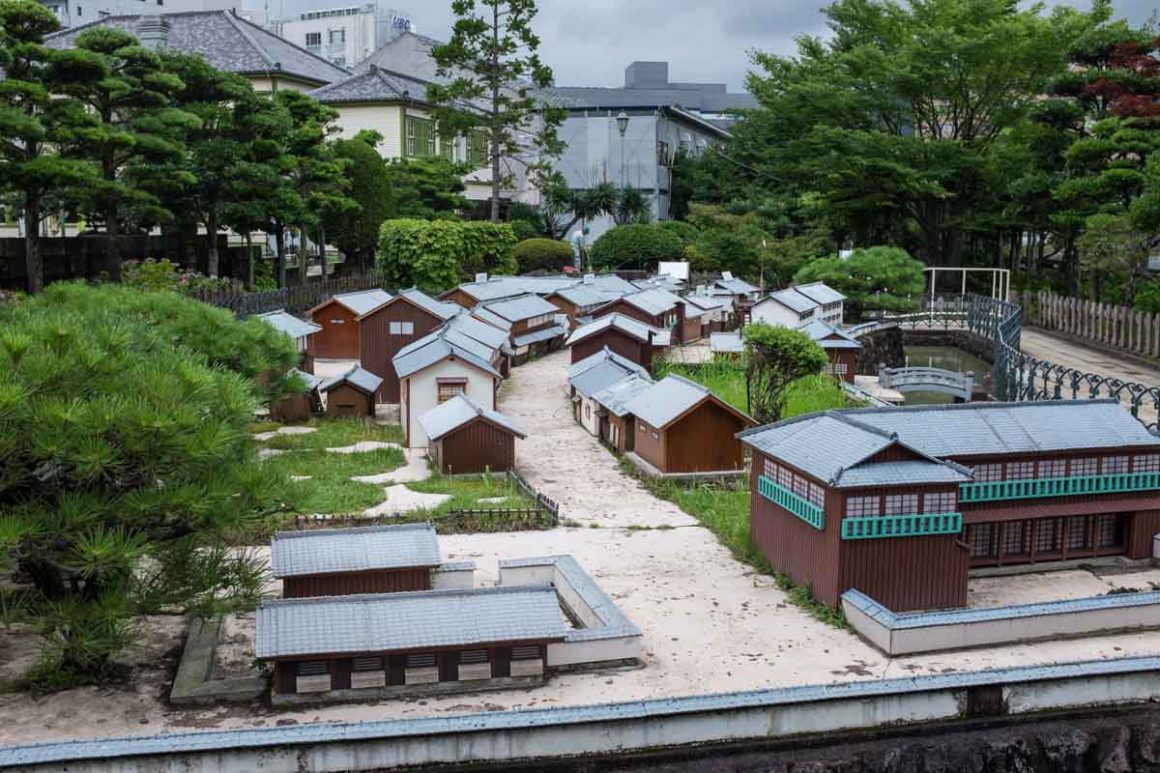
As Japan opened its borders in the 1850s, the restrictive role of Dejima ended. Land reclamation projects eventually surrounded the island with urban development, and its distinctive fan shape was nearly lost to the modern city. However, a multi-decade restoration project initiated by Nagasaki City has seen the return of over 20 Edo-period structures based on archaeological excavations and historical drawings. A landmark moment in this project occurred in late 2017 with the completion of the Dejima Omotemon Bridge, which once again allows visitors to enter the site via its original mainland entrance for the first time in over 130 years.
| Visitor Information | |
|---|---|
| Address | 6-1 Dejimamachi, Nagasaki, 850-0862 (Google Maps) |
| Opening Hours | 8:00 AM – 9:00 PM (Last entry 8:40 PM) Closed: Open daily |
| Price | Adults: ¥520 / High School Students: ¥200 / Children: ¥100 |
| Website | Visit Website |
| Access | ||
|---|---|---|
| Station / Stop | Line | Access Details |
| Dejima Stop | Nagasaki Tram Line 1 | 1-minute walk to the main entrance |
| Nagasaki Station | JR Kyushu | 5-minute tram ride or 15-minute walk |
| Shinchi Chinatown Stop | Nagasaki Tram Lines 1 & 5 | 4-minute walk to the east entrance |