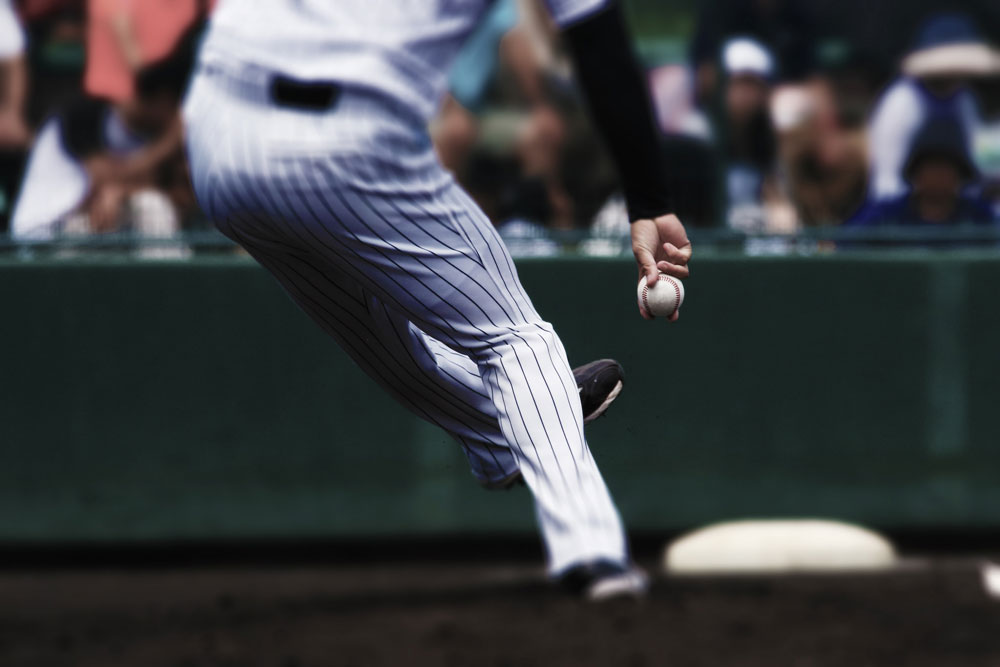
Baseball is so well-rooted in Japan that it’s hard to believe the game’s origins lie abroad. Annual spectator figures are well over 20 million, dwarfing Japan’s second most popular spectator sport, football, which draws in about 5 million. Nor is the following limited to the professional leagues: the All-Japan University Baseball Championship Series and the Tokyo Big6 Baseball League are also key events on the baseball calendar. Perhaps most iconic is the Koshien high school tournament, which acts as a resolute guardian of the sport’s spiritual heart, capturing the nation’s attention every summer with a high-energy display of technical ingenuity and youthful ambition.
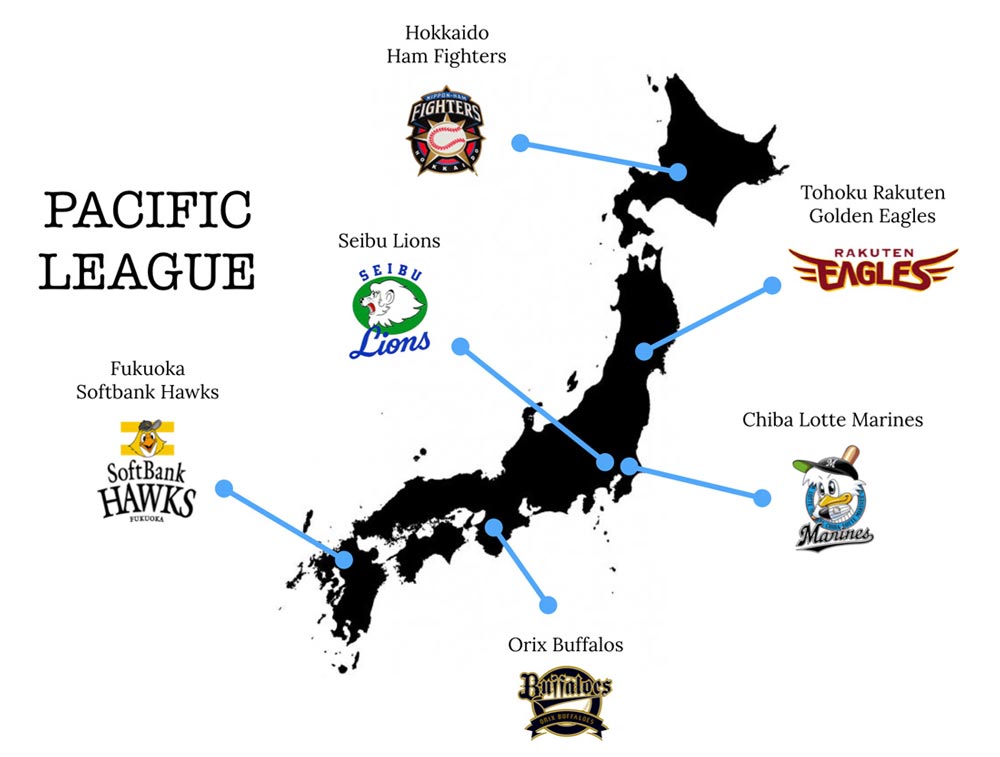
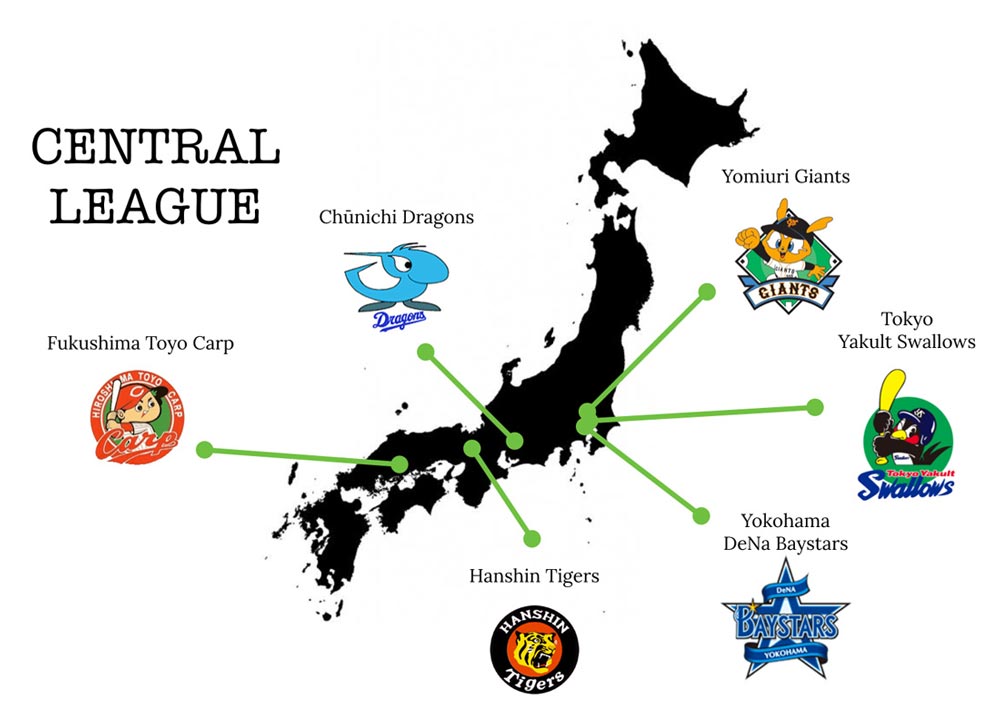
Horace Wilson, an English professor who worked at Kaisei School (now Tokyo University), is widely considered to have introduced baseball to the country when he taught a small group of students the game in the early 1870s. The first professional league was founded in 1936 and this gave rise to Nippon Professional Baseball (NPB) in 1949, today the largest competitive league in Japan. NPB consists of two circuits: the Pacific League and the Central League, each of which contain six teams who play each other in a 144-game season that runs from early April to October. At the end of the season the top three teams from each circuit enter the Climax Series, eventually leading to the Japan Championship Series held in November—a best-of-seven competition that decides the grand champion.
The Spectator Experience: Beyond the Game
What sets Japanese baseball apart is the unique “vibe” of the stadium. Unlike the often-sedentary atmosphere of American ballparks, Japanese games are a non-stop rhythmic lull of choreographed chanting and music. Each player has their own personalized ouen-ka (cheering song), performed by a dedicated ouendan (cheer squad) equipped with trumpets and drums. Between innings, “beer girls” (urikō) navigate the stands with heavy kegs strapped to their backs, providing a masterclass in efficiency and service. This cultural bridge between sport and synchronized performance makes every game a high-value experience, even for those who aren’t dedicated fans of the box score.
How can I watch a baseball game?
With five professional baseball teams in and around the Tokyo area and each team typically playing 5-6 games per week, getting tickets is relatively easy. Tokyo Dome (home to the Yomiuri Giants) and Meiji Jingu Stadium (Tokyo Yakult Swallows) are the two major stadiums in the city. Tickets can be purchased directly from each team’s official website or at 24-hour convenience stores like Lawson and 7-Eleven. For a coastal “vibe,” Yokohama Stadium (Yokohama DeNA Baystars) is a fantastic alternative, located just 45 minutes by train from central Tokyo.
Ticket prices in 2026 typically range from ¥2,000 to ¥10,000 depending on the seat and the opponent. While “unreserved” outfield bleacher seats offer the best value and the most intense cheering atmosphere, the “S” and “A” reserved seats behind the plate provide a more comfortable architectural lull for those who want to focus on the game’s technical nuances. While tickets can often be purchased on the day for weekday games, weekend matches and “Giants vs. Tigers” rivalries sell out quickly, so it is always best to book at least two weeks ahead.
| Major Tokyo-Area Teams | ||
|---|---|---|
| Team | Stadium | League |
| Yomiuri Giants | Tokyo Dome | Central |
| Tokyo Yakult Swallows | Meiji Jingu Stadium | Central |
| Yokohama DeNA Baystars | Yokohama Stadium | Central |
| Chiba Lotte Marines | ZOZO Marine Stadium | Pacific |
| Saitama Seibu Lions | Belluna Dome | Pacific |