A Guide to the Shrines & Temples of Tokyo
Tokyo’s spiritual landscape is a complex blend of Shinto shrines and Buddhist temples, which often sit side-by-side amidst the city’s modern infrastructure. While shrines are dedicated to indigenous Shinto deities and are marked by distinctive “torii” gates, temples are Buddhist sites of worship characterized by large incense burners and ornate pagodas. These sites serve as essential cultural anchors, providing a sense of historical continuity within the fast-paced metropolis.
The most iconic of these landmarks is Senso-ji in Asakusa, which is the city’s oldest temple. Entering through the massive Kaminarimon (Thunder Gate), visitors walk down the Nakamise-dori shopping street before reaching the main hall. Here, the scent of burning incense and the vibrant red architecture create an atmosphere that has drawn pilgrims for centuries. It remains a central hub for traditional festivals and a primary destination for those seeking to experience Tokyo’s “shitamachi” roots.
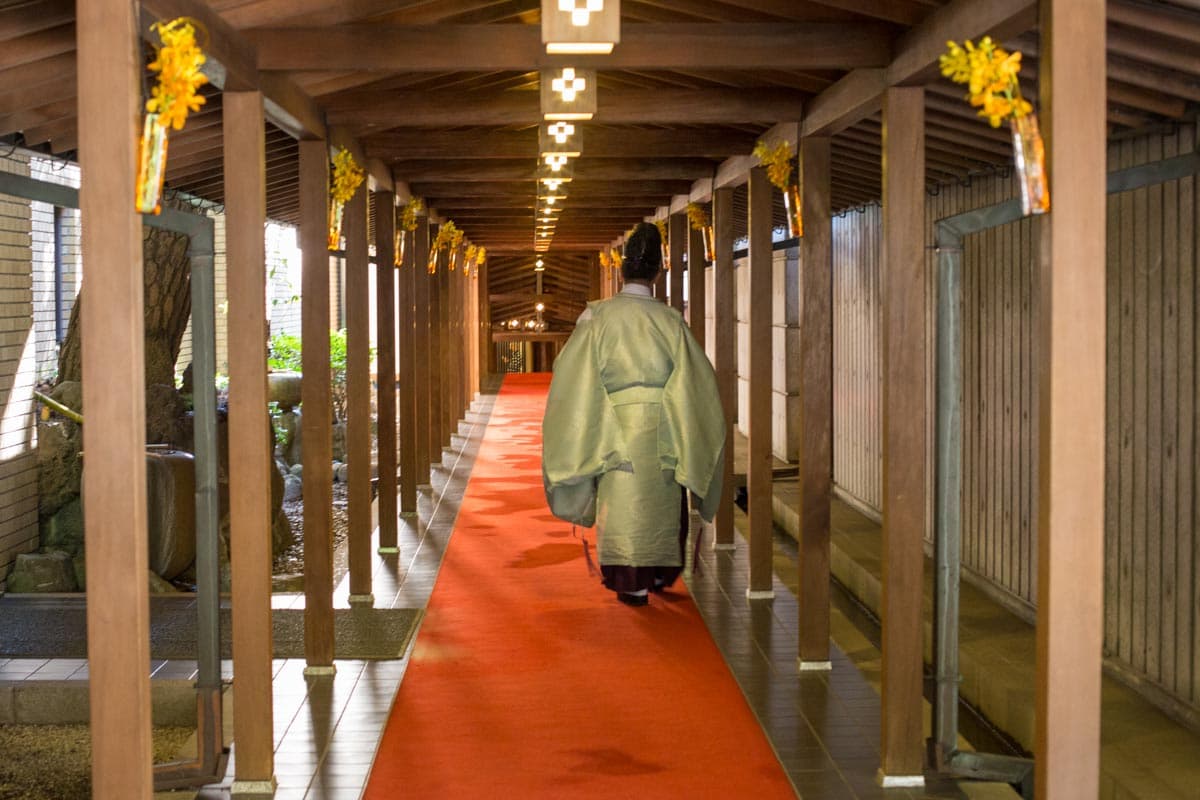
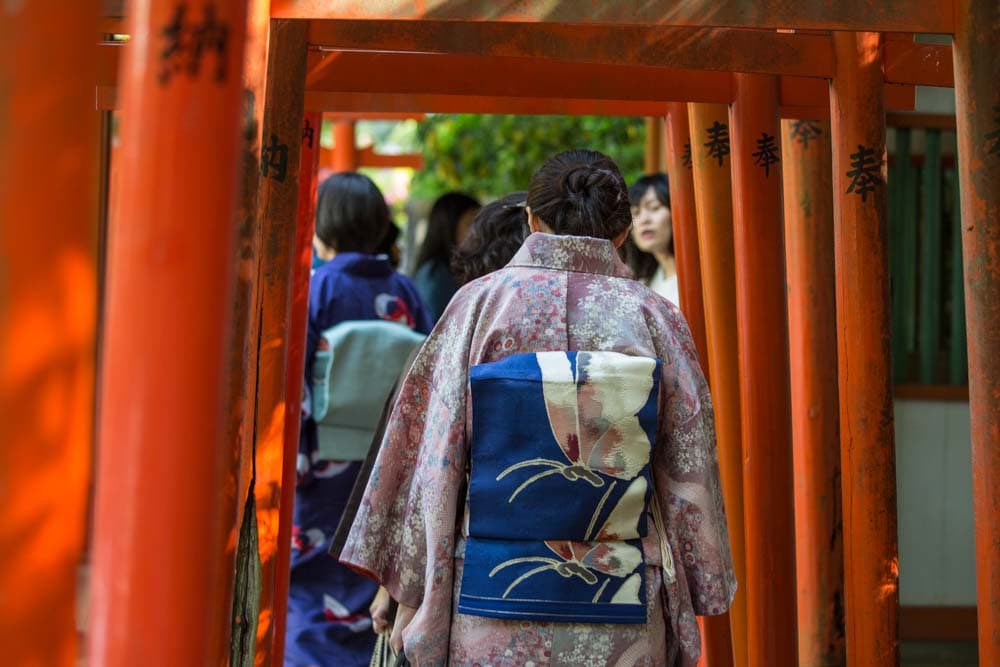
In contrast to the bustling energy of Asakusa, Meiji Jingu provides a serene retreat within a massive man-made forest in the heart of the city. Dedicated to Emperor Meiji and Empress Shoken, the shrine is accessed via towering wooden torii gates that lead away from the noise of Harajuku into a space of quiet reflection. It is a prime example of Shinto architecture, characterized by its use of unpainted cypress and copper-plated roofs, often serving as a venue for traditional wedding processions.
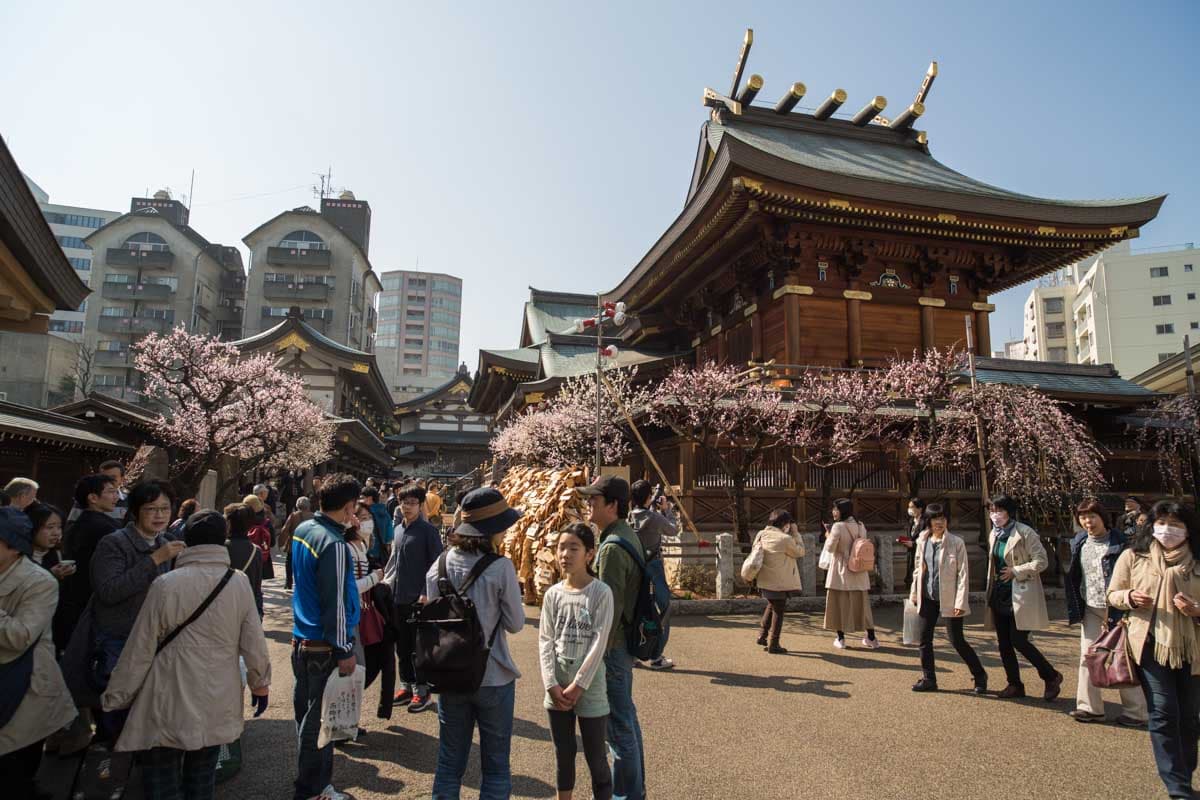
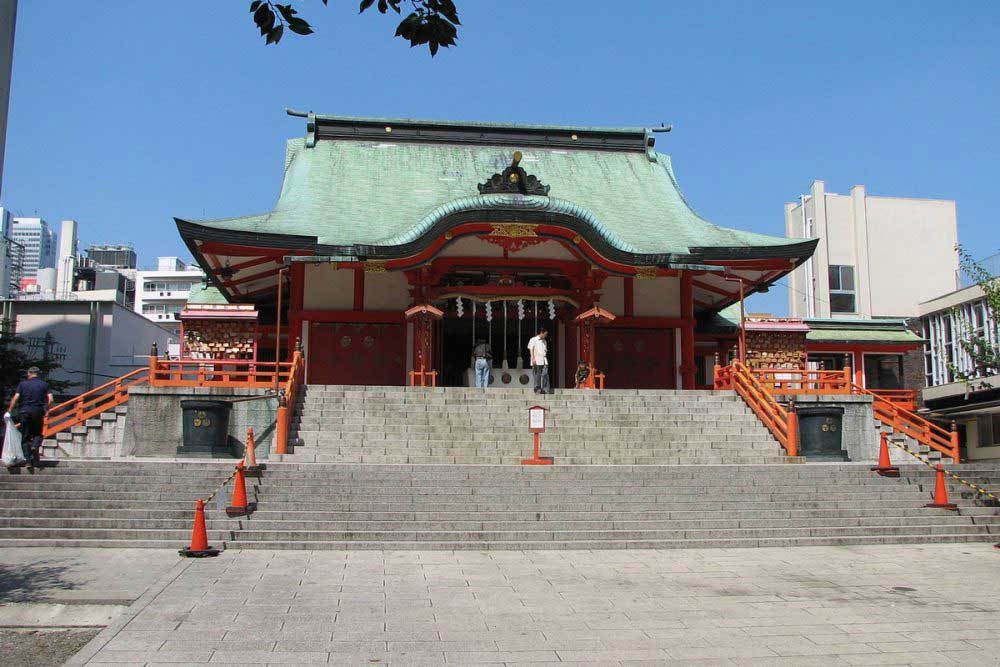
For a look at how tradition adapts to the modern era, Kanda Myojin is another significant stop. Located near Akihabara, this shrine is renowned for its history and its unique “tech” blessings, where visitors can purchase charms specifically for electronic devices. Whether you are seeking a moment of peace or a deeper look into Japan’s cultural history, these spiritual landmarks remain the steady heart of the capital.