Omiya Bonsai Village
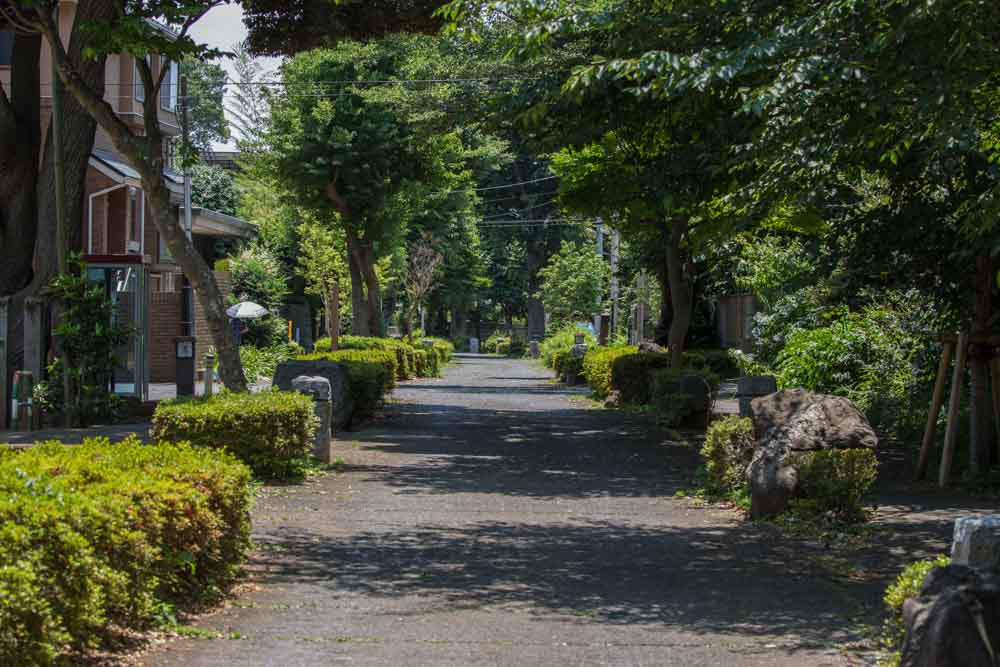
Omiya Bonsai Village (大宮盆栽村, Ōmiya Bonsaimura) is a small bonsai nursery precinct in Bonsaicho in Saitama started by a group of professional bonsai gardeners in Tokyo during the 1920s. Spurred on by the destruction wrought on the capital by the 1923 Great Kanto Earthquake, they clubbed together and established the village in 1925 as a self-governed community, and set four rules by which anyone wishing to open a garden in the village must abide.
- Possession of 10 or more bonsai
- Gardens must be open to the public
- No two-story houses
- The use of hedges as fencing
The village gained international prominence as a global hub for the art form, eventually leading to the creation of the World Bonsai Convention. Often called the “Olympics of the bonsai world,” this event is held every four years with a different country hosting each time, drawing enthusiasts and masters from dozens of countries to celebrate the craft.
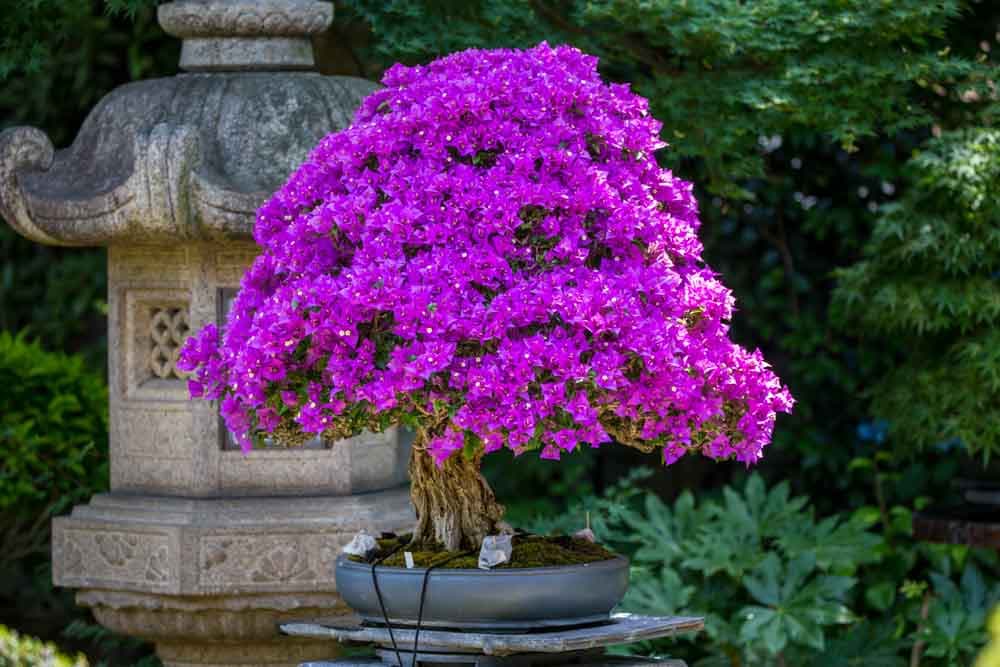
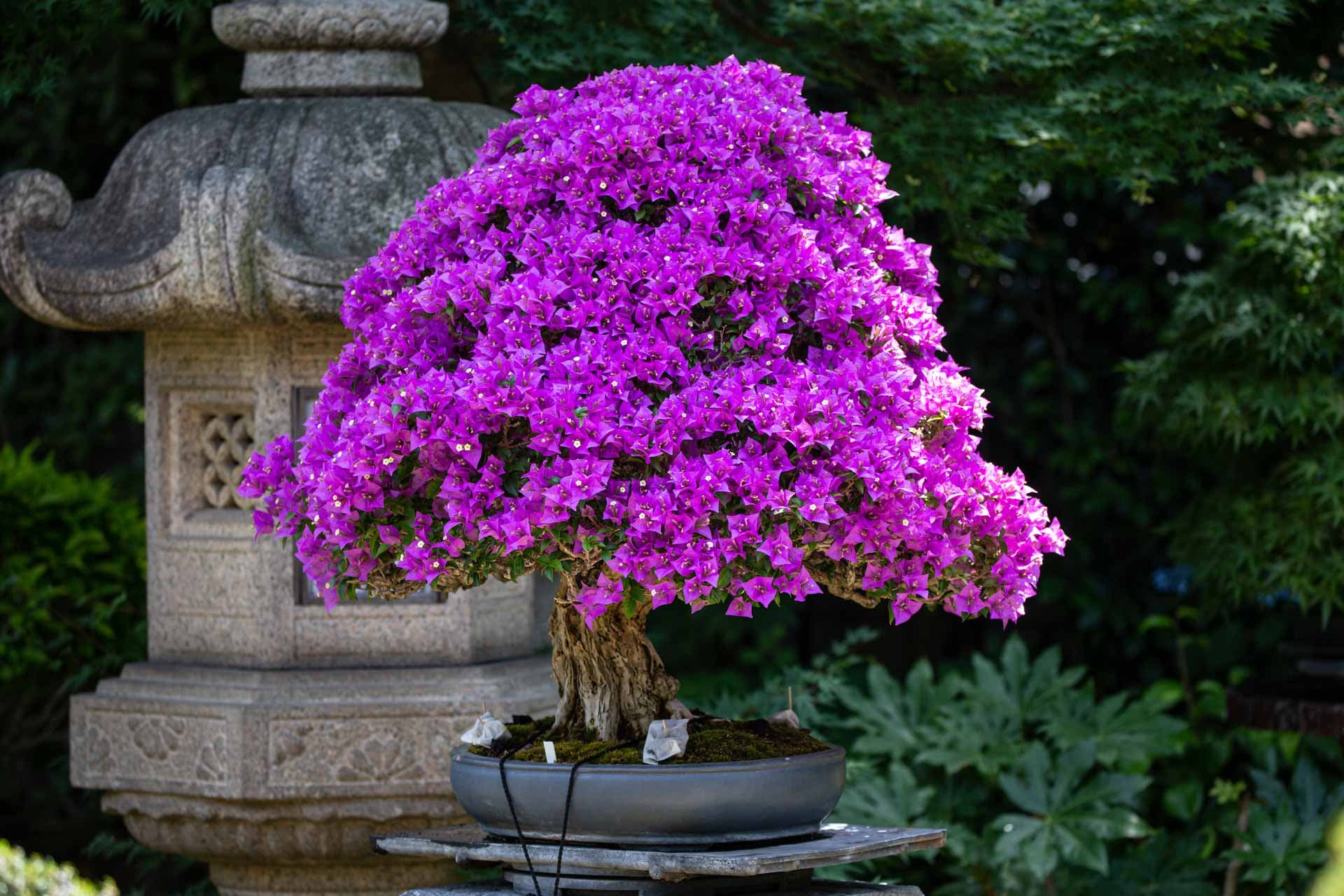
During its heyday, the village was home to around thirty private bonsai gardens. While that number has since dwindled to six active nurseries, the quality remains unparalleled. With each garden containing hundreds of specimens and the opening of the Omiya Bonsai Art Museum, there is more than enough to please even the most avid enthusiast.
Visiting the Nurseries
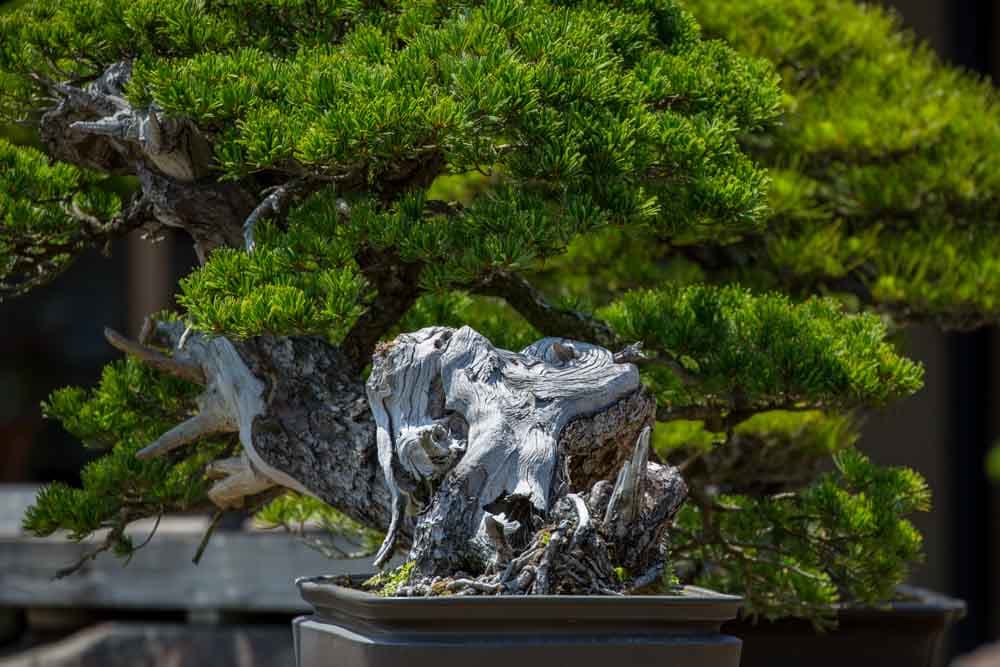
In keeping with the founding rules, the gardens are open to the public. Bonsai of all different shapes, sizes, and styles are laid out in rows on wooden tables. It is important to remember that these are private businesses and working nurseries rather than public parks. While entry is generally free, visitors should be mindful of the strict no-photography policy inside most private gardens, which is enforced to protect the privacy of the owners and the value of the trees.
International visitors should also note that while many smaller “mame” bonsai are for sale, exporting live plants from Japan is a complex process. Most countries have strict phytosanitary regulations that prohibit bringing soil or live plants across borders without extensive certification and quarantine procedures. If you are looking for a souvenir, consider bonsai-related tools or pottery instead.
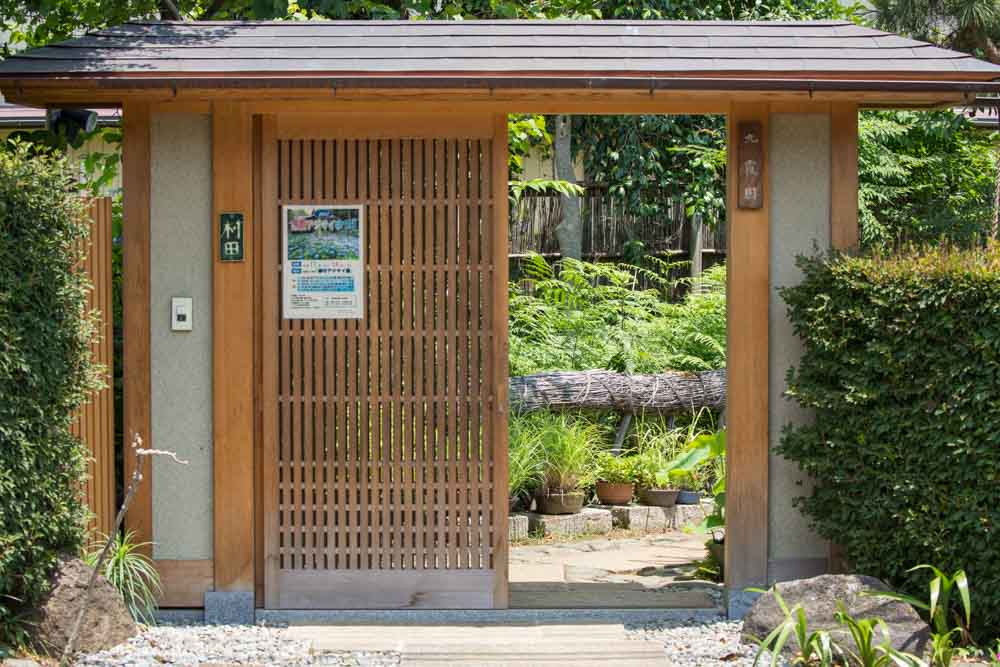
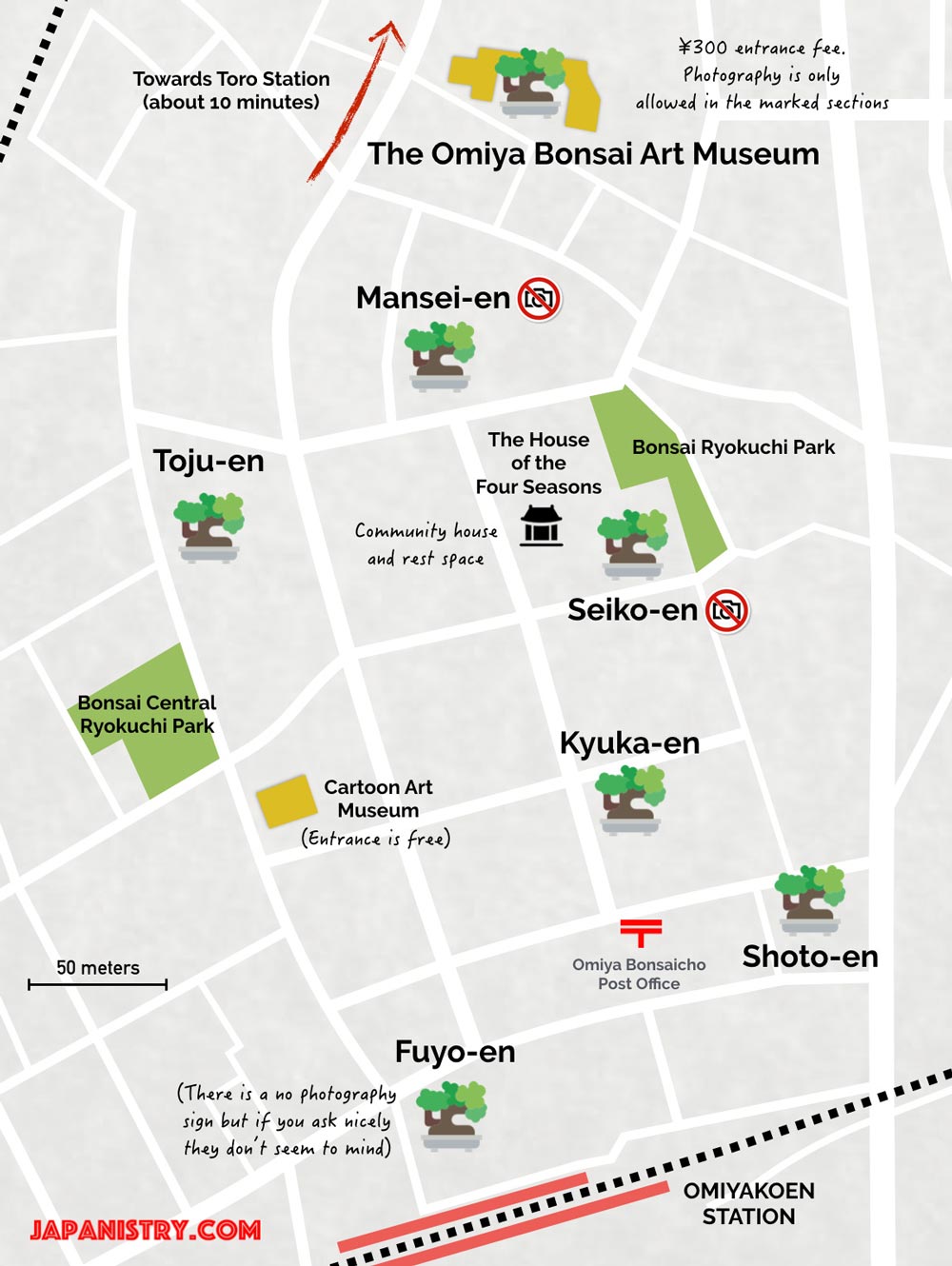
Each garden has a distinct atmosphere—from the back-garden feel of Kyuka-en to the homeliness of Fuyo-en. Because the nurseries are clustered together, you can easily walk between them in a few minutes. You will often see professionals quietly at work, meticulously shaping and trimming the trees with a level of focus that is a spectacle in itself.
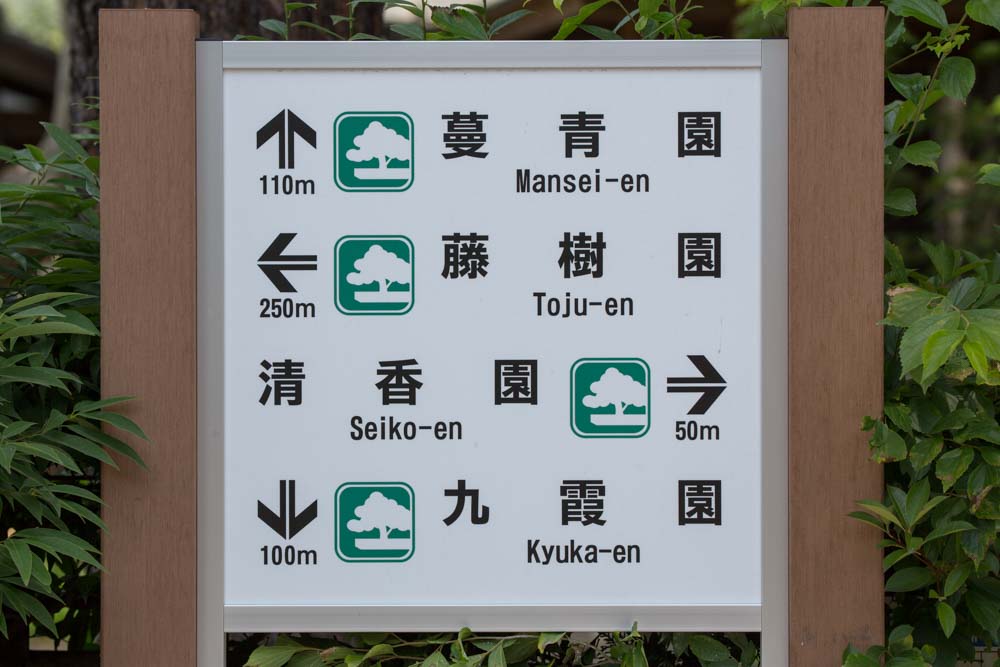
The Omiya Bonsai Art Museum
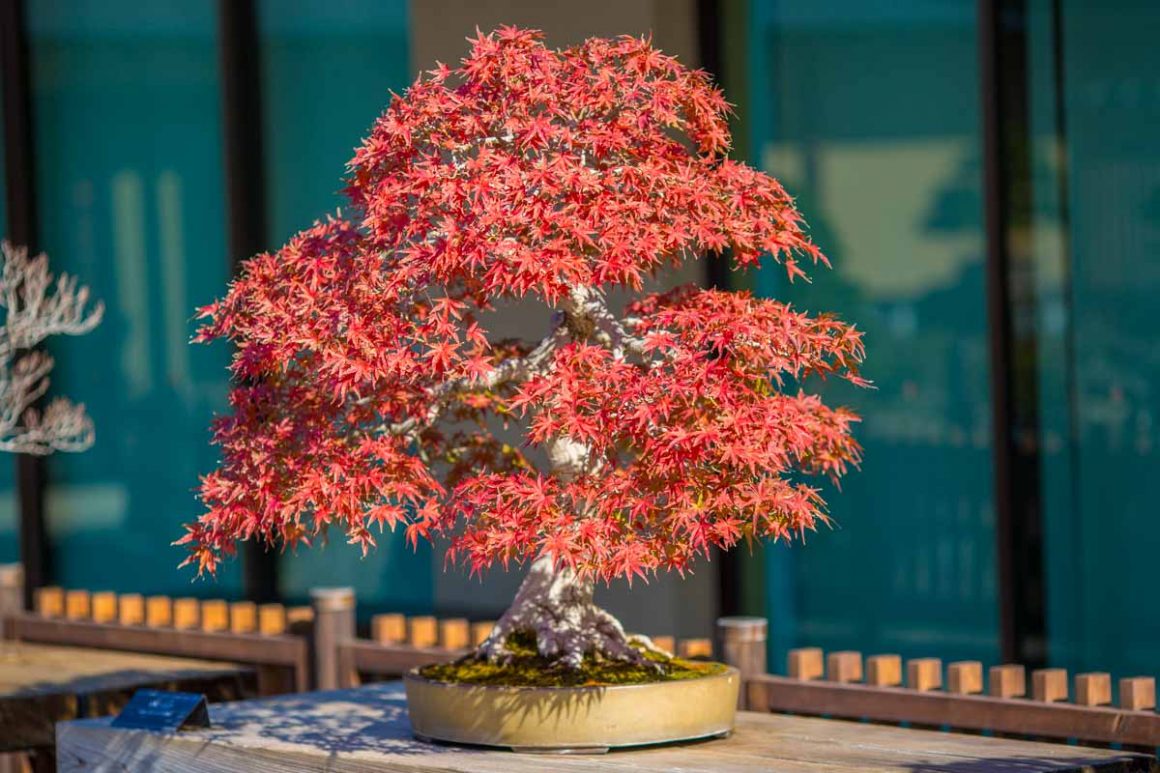
The village is located between Toro Station and Omiyakoen Station. While Omiyakoen is closer to some gardens, getting off at Toro Station (Shonan-Shinjuku Line) allows you to visit the Omiya Bonsai Art Museum first. This is highly recommended as the museum provides superb explanations in both Japanese and English, teaching you the basics of bonsai styles and how to appreciate their beauty before you see the private collections. While photography is prohibited in the main gallery, there is a designated outdoor area where you can freely photograph several masterpieces.
Planning Your Visit
Omiya Bonsai Village is roughly 45 minutes from central Tokyo, making it an ideal day trip. If you happen to be in Japan in early May, do not miss the Great Bonsai Festival (Omiya Bonsai Matsuri), held annually from May 3 to May 5. During this time, the streets are lined with vendors and the village comes alive with enthusiasts. Note that the museum and most gardens are closed on Thursdays.
Nearby, you can also visit the Saitama Municipal Cartoon Art Museum (Japan’s first manga museum) and the House of the Four Seasons, a traditional building that serves as a community rest house.