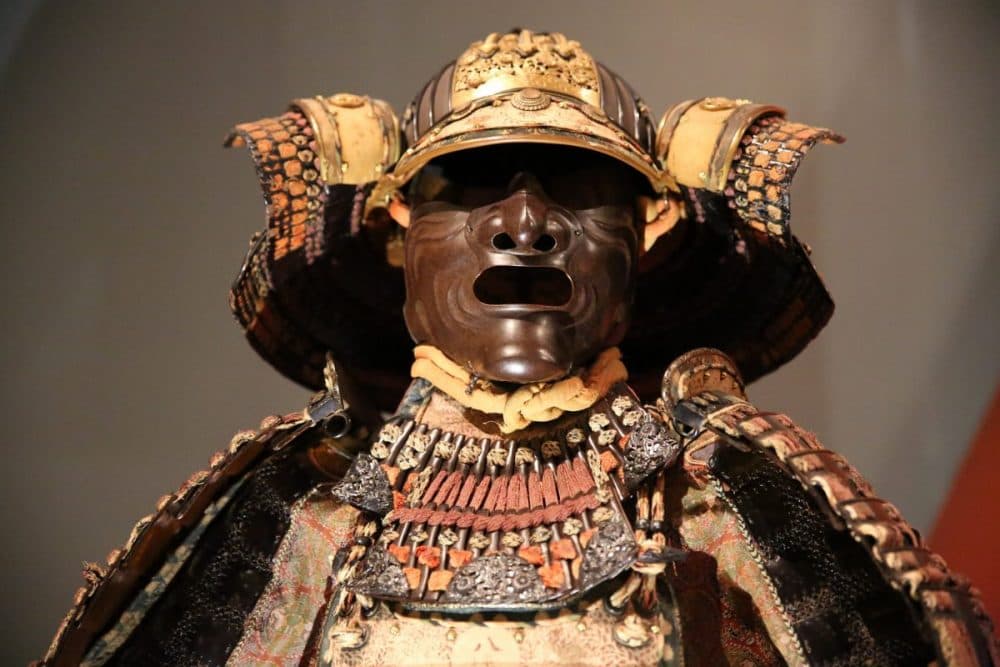
A historic festival in Tokyo, the Kachiya Festival on May 5 commemorates a military victory. It features a samurai parade and an arrow dedication ritual at Kameido Katori Shrine.
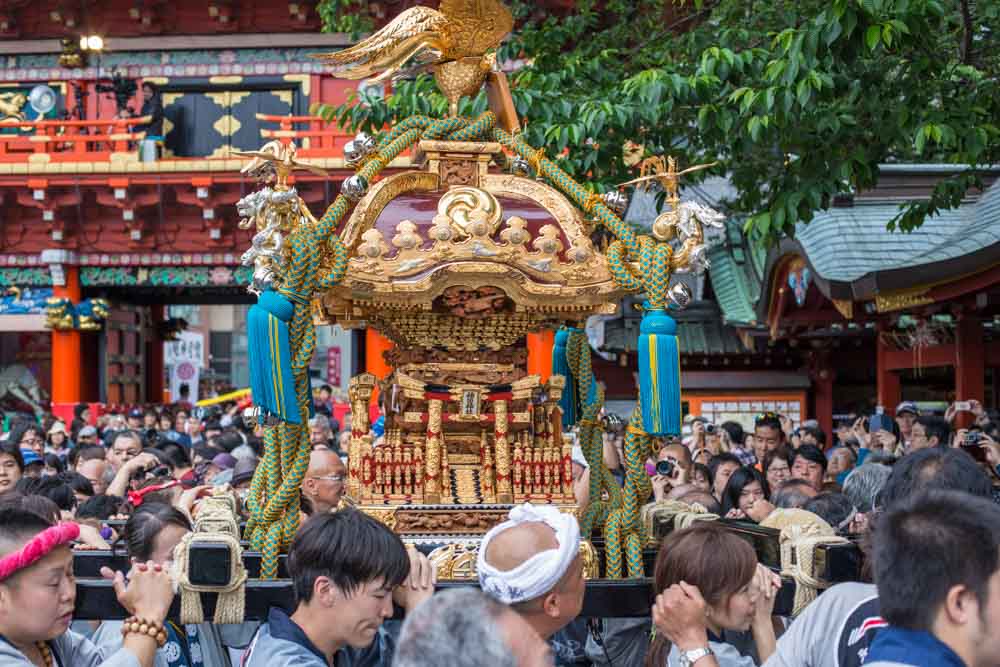
A Shinto festival in Tokyo, the Kanda Matsuri is held in mid-May. The main celebration occurs in odd-numbered years and includes a large procession and portable shrines visiting the shrine.
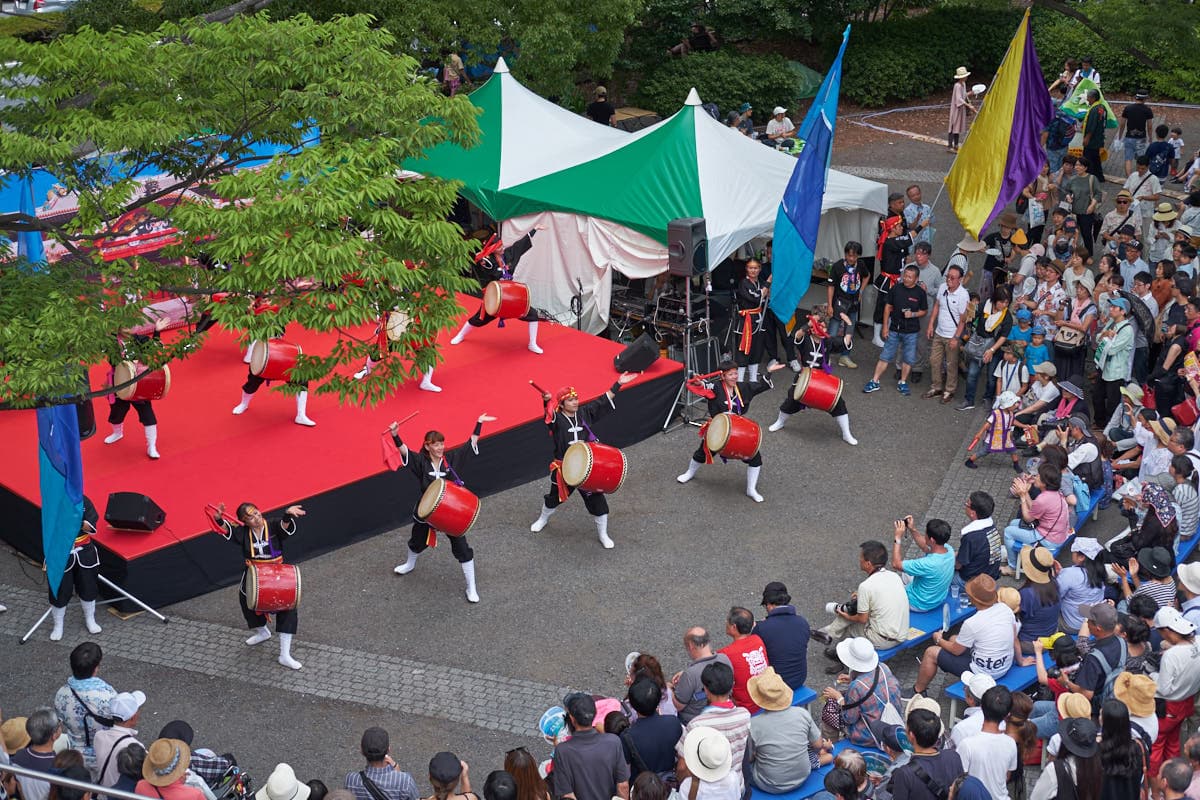
A cultural festival in Tokyo, the Thai Festival features authentic cuisine, handicrafts, and stage performances. The large annual event showcases a broad spectrum of Thai culture.
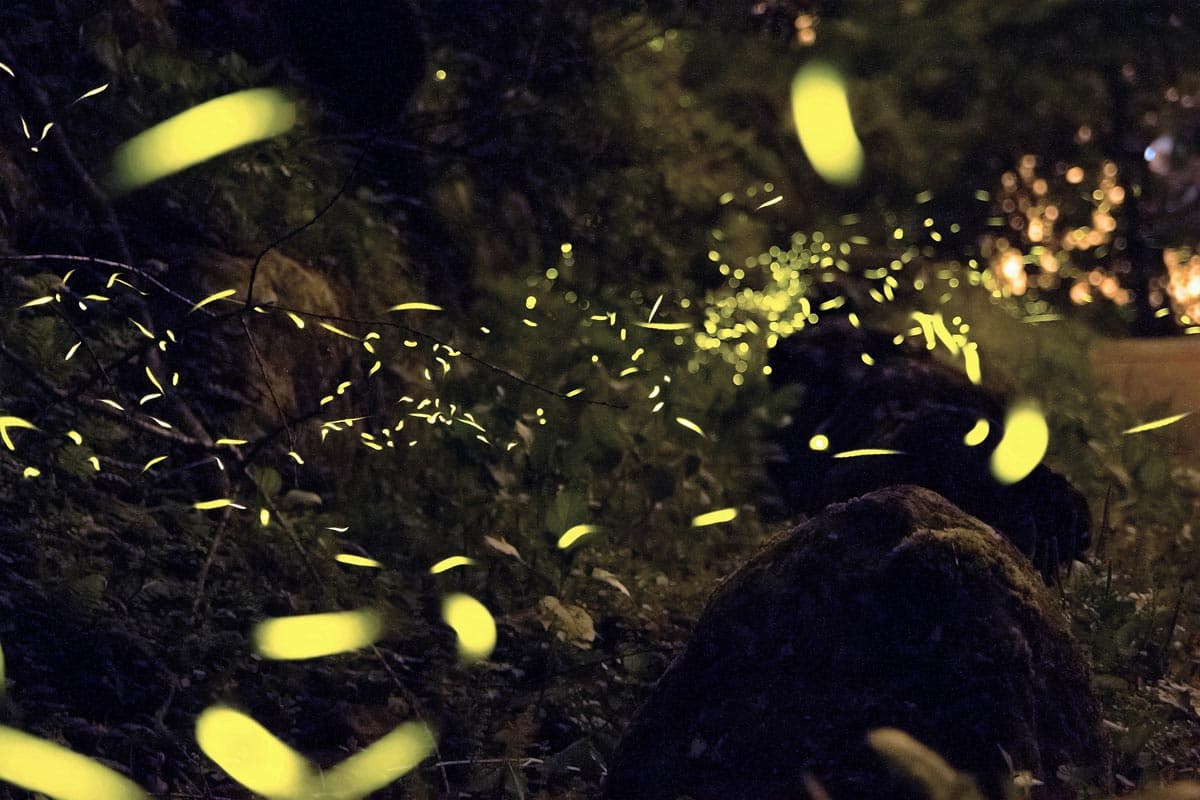
A firefly viewing event in Yokohama. In early June, Sankeien Garden extends its hours, allowing visitors to see fireflies on a specific path near its streams.
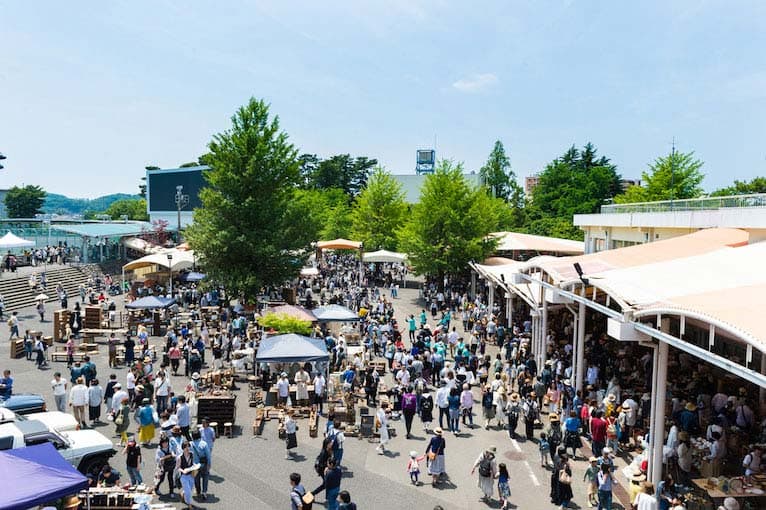
An antiques and lifestyle festival in Tokyo, this event features over 200 vendors selling curated goods. The market also includes live music, workshops, and food stalls.
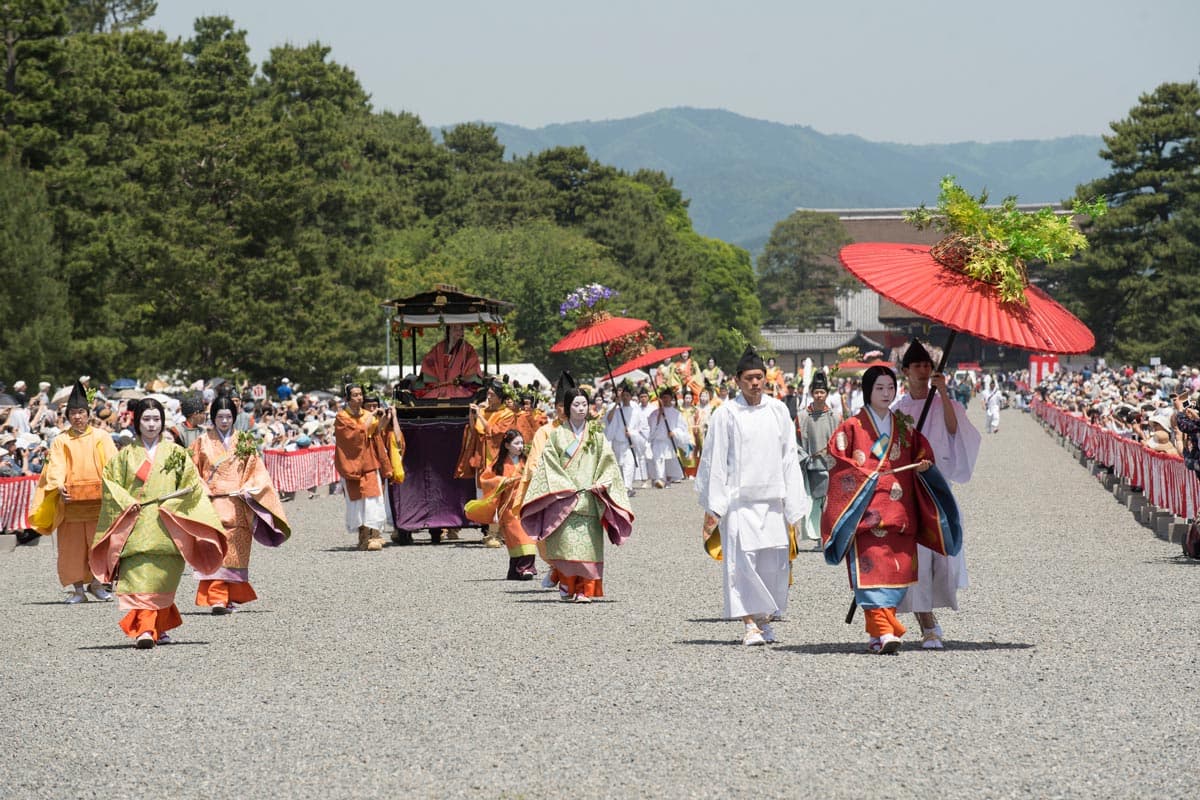
This annual Kyoto festival, held on May 15, features a procession of over 500 people in Heian Period costumes traveling from the Imperial Palace to the Kamo Shrines.
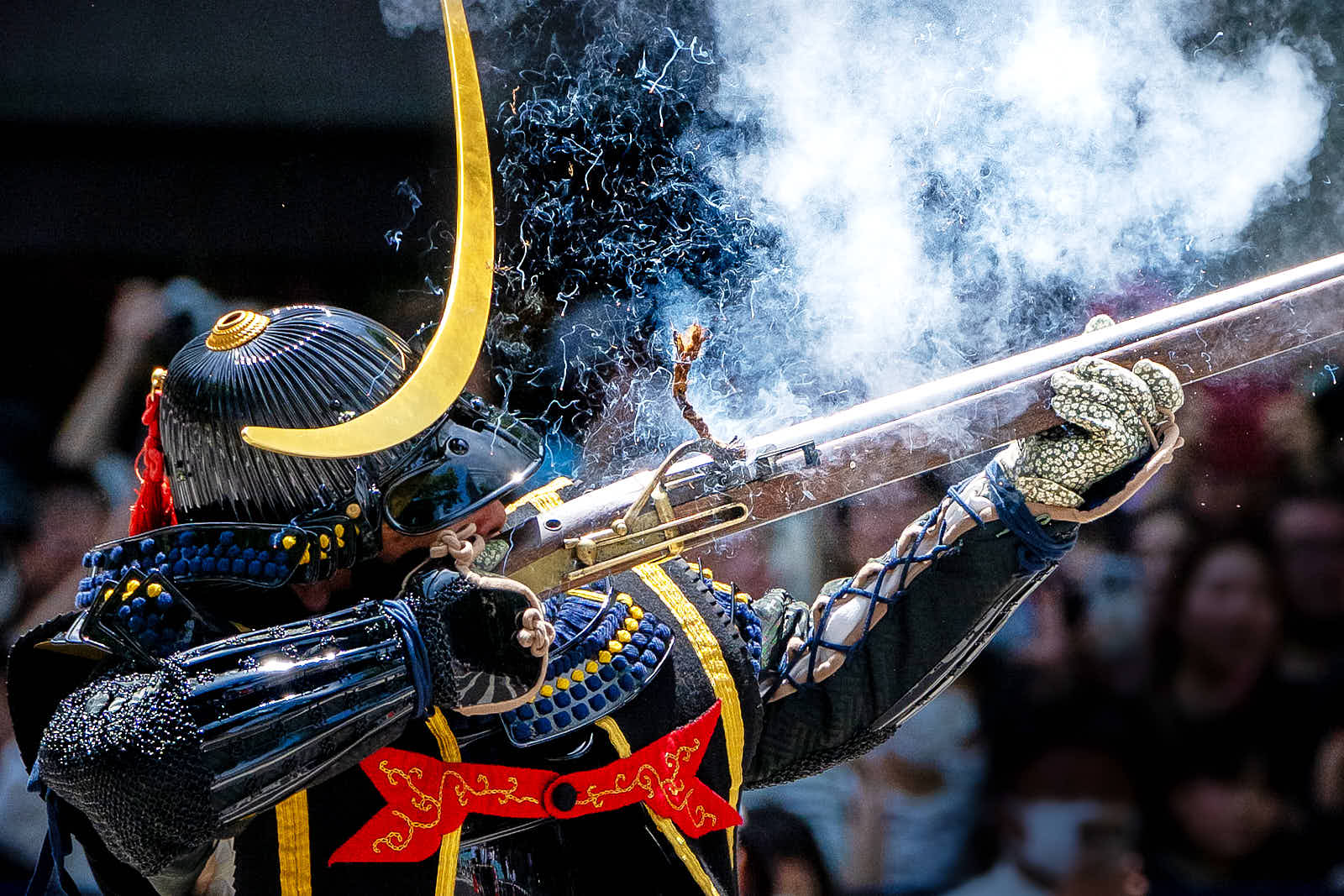
A spring festival celebrating Sendai’s feudal history with thousands performing the fan-wielding sparrow dance alongside a grand procession of yamahoko floats and armored samurai.
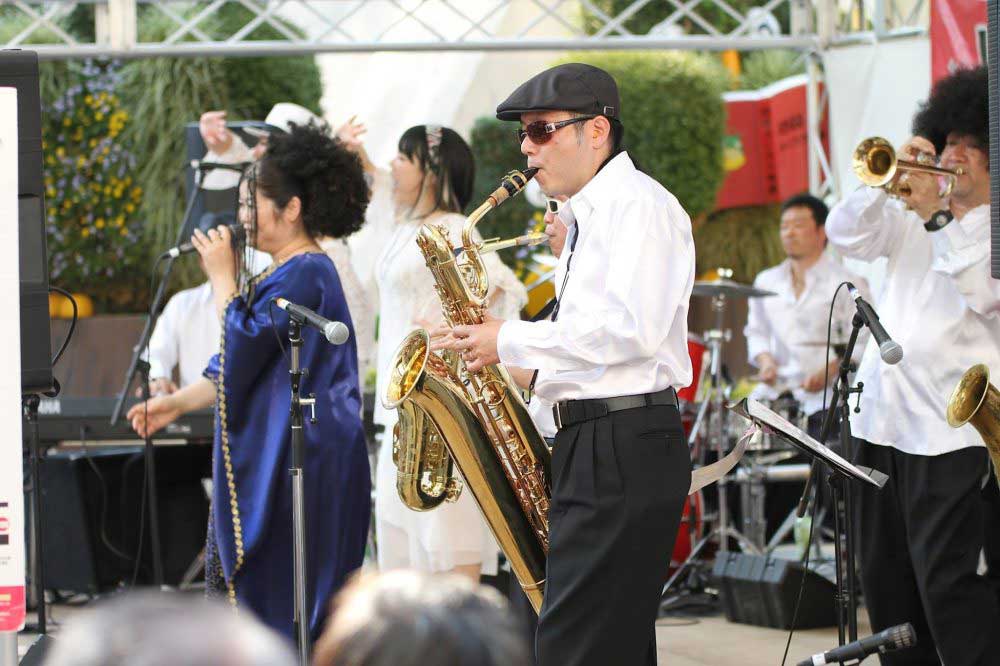
A jazz festival in Ikebukuro is held each May. The event features hundreds of bands playing jazz, funk, and blues on outdoor stages throughout the district.
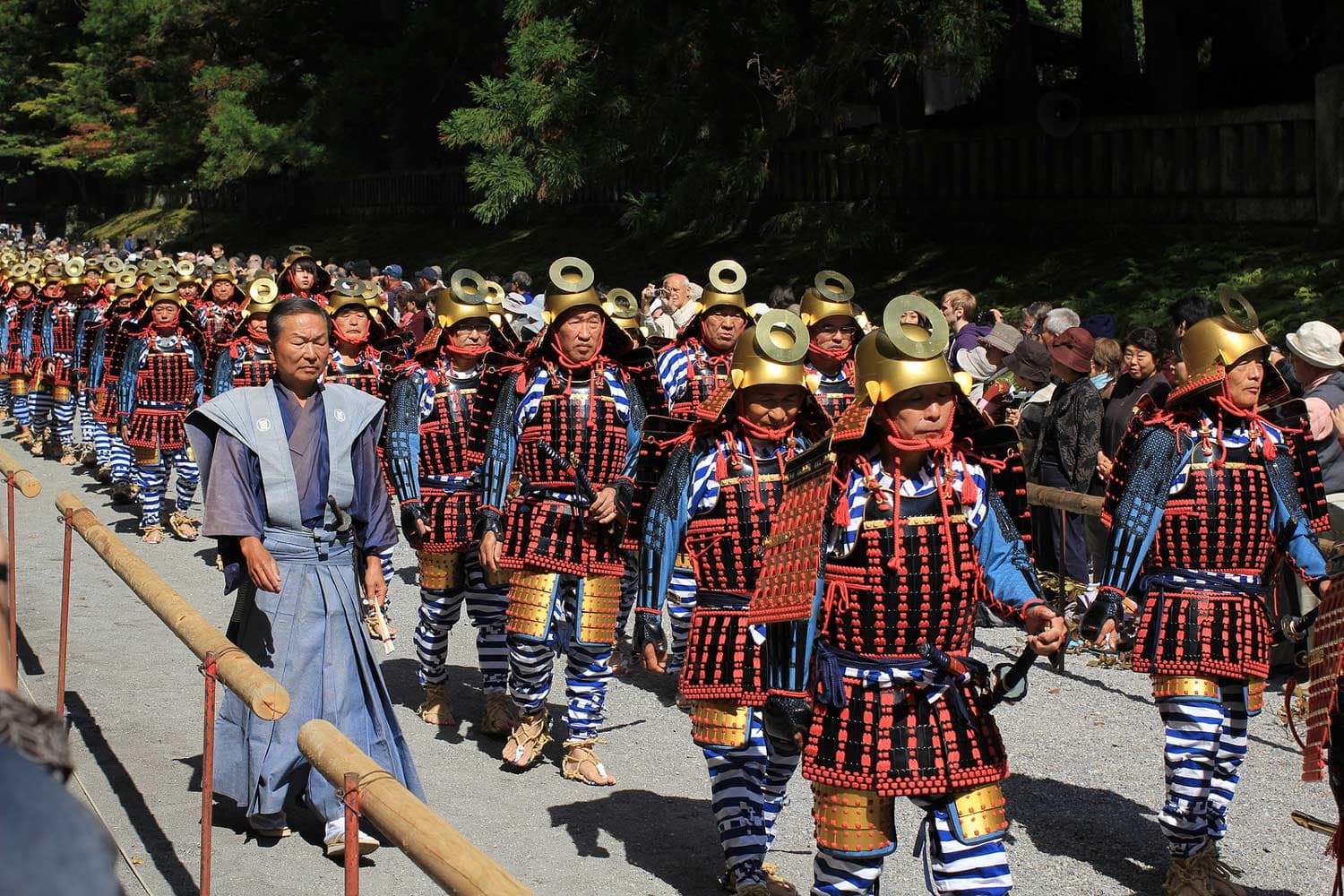
The Spring Grand Festival in Nikko is a two-day event. It features horseback archery and a large procession of participants in historical samurai armor re-enacting a funeral procession.
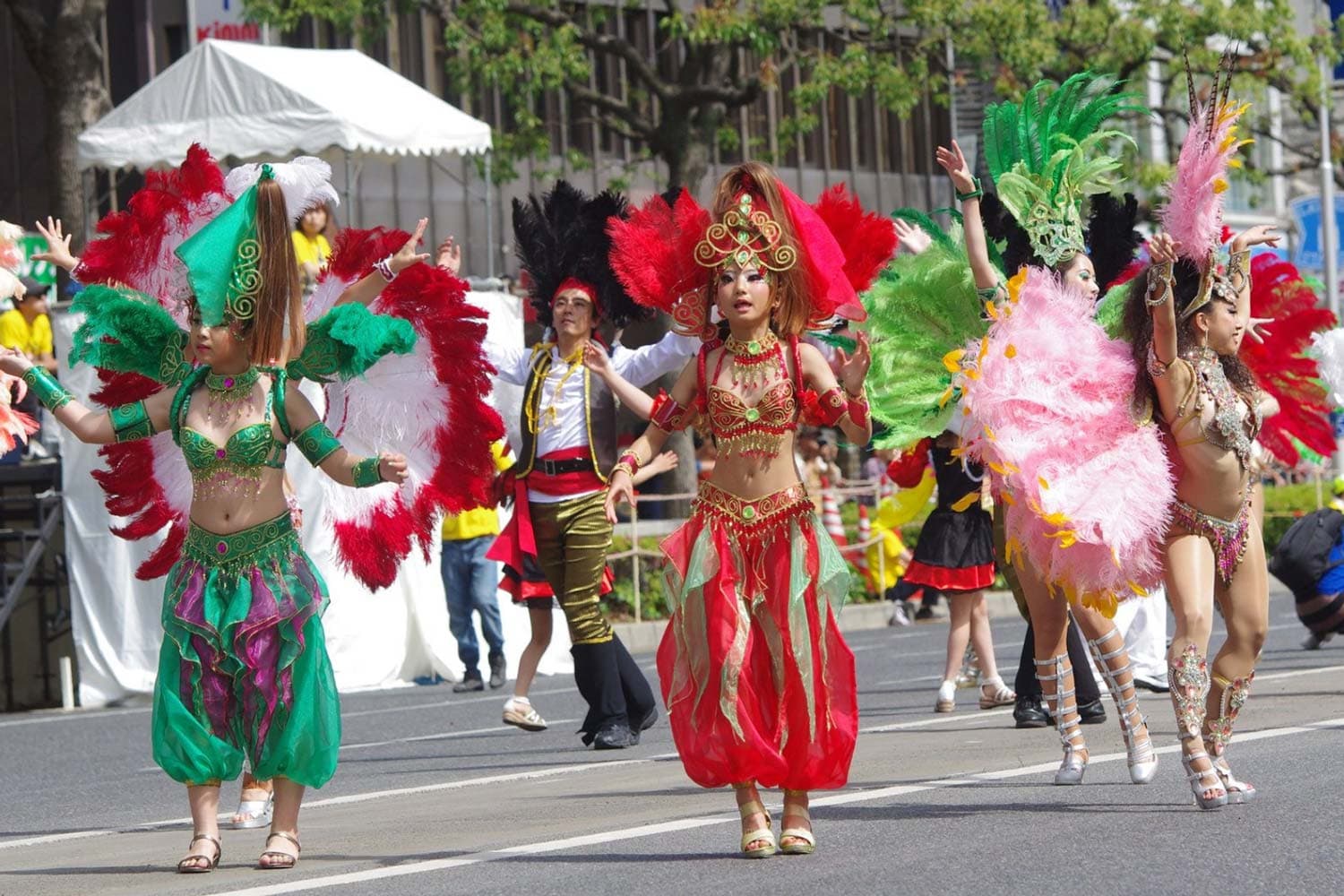
An annual festival in Kobe held in May, the Kobe Matsuri features a large main parade with samba teams, along with markets and live stage performances.