Kanda & Jimbocho
The Kanda and Jimbocho districts represent the intellectual and traditional soul of central Tokyo. Located just north of the Imperial Palace, these neighborhoods offer a refreshing contrast to the glass towers of nearby Marunouchi. While Kanda is defined by its deep shitamachi (old town) roots and specialized merchant streets, Jimbocho is a global literary landmark, housing the world’s largest concentration of second-hand bookstores and a legendary culinary scene fueled by a massive student population. As a high-fidelity paradise for bibliophiles, Jimbocho features over 160 bookstores packed into a few square blocks—a resolute guardian of the city’s literary heart since the late 1800s. Interestingly, most of the bookstores along the main thoroughfare face north; this was a deliberate architectural choice by early shopkeepers to protect their precious stock from the fading effects of direct sunlight.
While many shops specialize in rare Japanese manuscripts and woodblock prints, there are several dedicated English-language outposts, such as Kitazawa Bookstore, which has been a staple of the area for over a century. The district truly comes alive during the Kanda Bookstore Festival in late October, when sidewalks are transformed into a sea of outdoor book stalls. This scholarly vibe transitions naturally into the local culinary identity, where it is often said that Jimbocho is the place to go if you want to eat curry with one hand and hold a book in the other. Because the dish is easy to eat while reading, it became a staple for the thousands of students attending nearby Meiji, Nihon, and Hosei Universities. Today, the area hosts the annual Kanda Curry Grand Prix and features legendary shops like Bondy and Kyoeido where lines often stretch down the street, creating a high-energy atmosphere for food lovers.
Merchant Roots, Musical Heritage, and the Kissaten Refuge
A short walk east leads into Kanda, an area that has retained much of its Edo-period character as a merchant district defined by its specialized shopping sub-districts. In Ogawamachi, enthusiasts find Japan’s premier destination for winter sports and outdoor equipment, while the “Guitar Street” of Ochanomizu features dozens of shops overflowing with vintage and modern musical instruments. The area is also a resolute guardian of historical architecture, housing 100-year-old timber-framed buildings that survived the air raids of World War II. These structures now host traditional soba restaurants and artisanal workshops that have remained in the same families for generations, offering a high-value architectural lull amidst the modern city. Design enthusiasts should also visit mAAch ecute Kanda Manseibashi, a sophisticated shopping complex built inside the red-brick arches of the former 1912 Manseibashi Station.
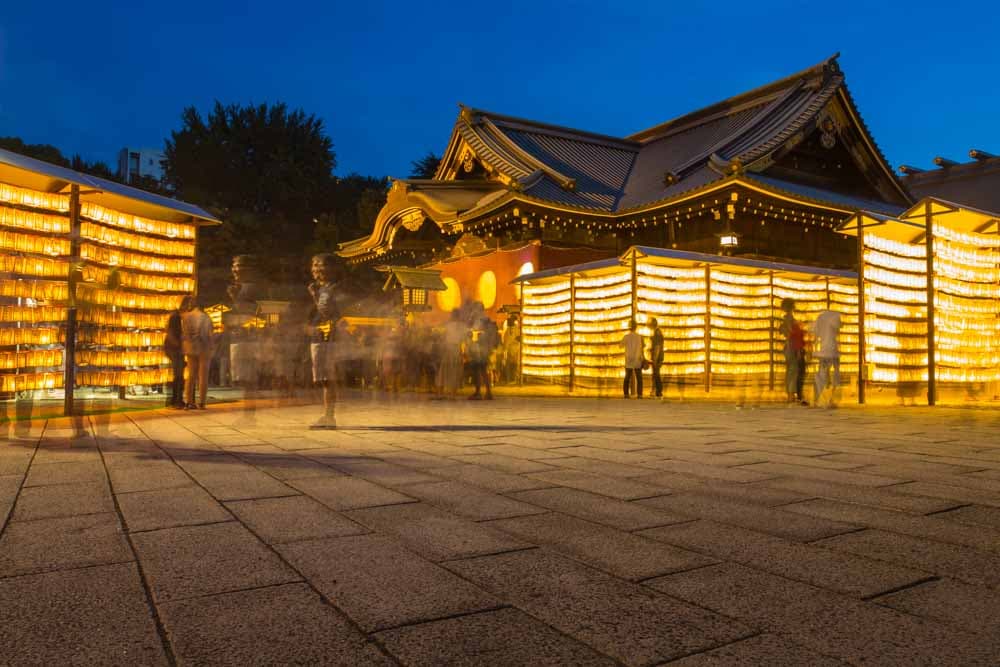
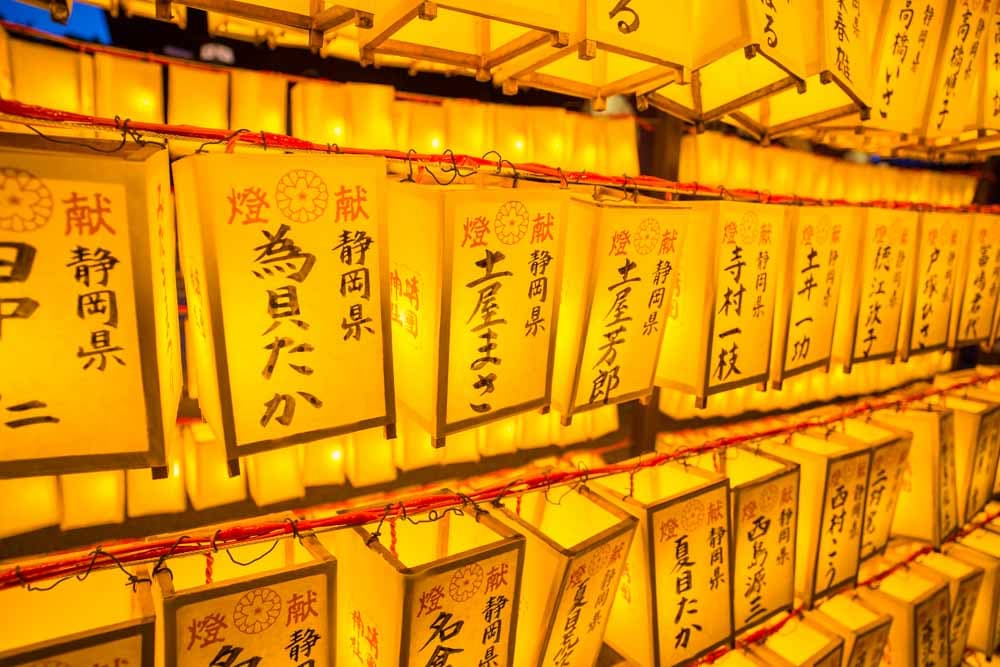
On the western edge of the district lies Yasukuni Shrine, a site of immense historical complexity that serves as a beautiful landmark during cherry blossom season. The shrine is home to Tokyo’s official “representative” cherry tree, used to announce the start of the season. Adjacent to the grounds is the Yushukan Museum, which provides a detailed history of Japan’s military engagements. This journey through history is best concluded in one of the area’s many Kissaten—traditional Japanese jazz and coffee houses like Milonga Nueva and Ladrio. These cafes offer a quiet refuge where time seems to have reached a permanent lull in the mid-20th century, providing a high-fidelity link to the bohemian atmosphere that has defined Kanda and Jimbocho for decades.
| Station | Line(s) | Best For… |
|---|---|---|
| Jimbocho | Hanzomon, Mita, Shinjuku Lines | Bookstores, Curry Shops, Kissaten |
| Kanda | JR Yamanote, Ginza Line | Shitamachi Alleys, Soba Restaurants |
| Ochanomizu | JR Chuo-Sobu, Marunouchi Line | Musical Instrument Street, Manseibashi |
| Kudanshita | Hanzomon, Tozai, Shinjuku Lines | Yasukuni Shrine, Nippon Budokan |