Akasaka
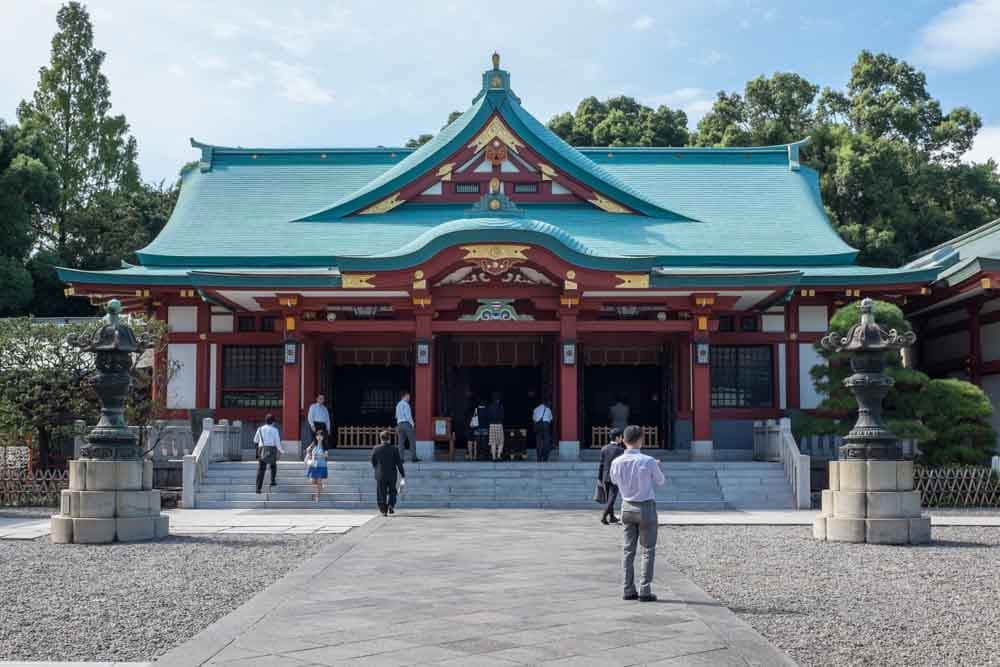
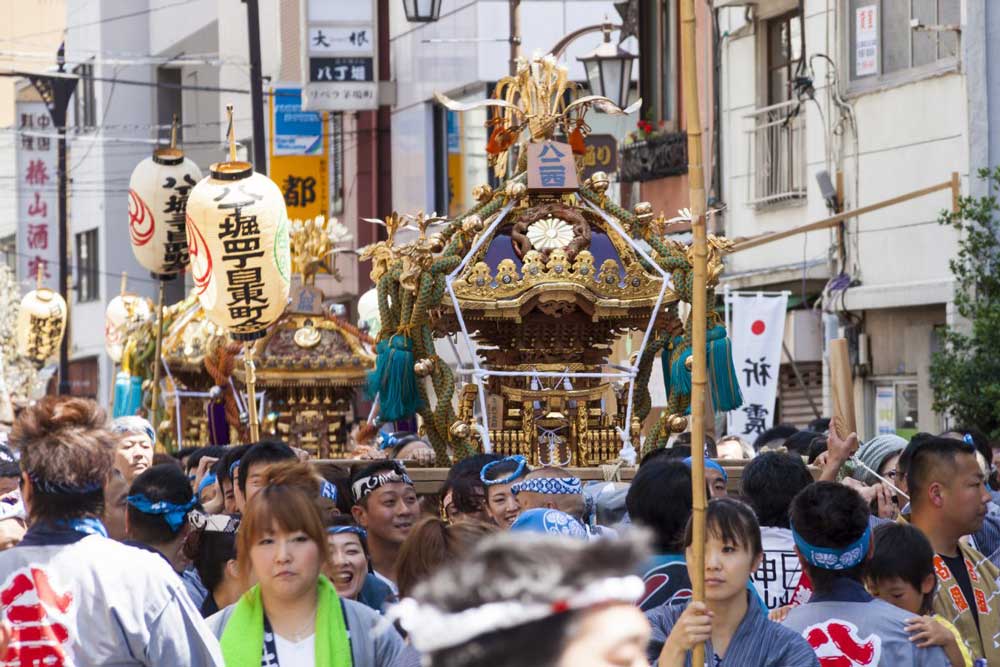
Akasaka (赤坂) serves as Tokyo’s sophisticated “biz-night” district—a high-functioning neighborhood where global business intersects with Japanese political power. Located just north of the high-energy pulse of Roppongi, Akasaka trades rowdy clubs for refined wine bars and Michelin-starred institutions, creating a cosmopolitan atmosphere that remains a resolute guardian of its history as a sanctuary for the Edo-period elite. The modern face of the district is defined by Akasaka Sacas, a “city within a city” housing the TBS broadcasting headquarters and the ACT Theater. This technical ingenuity provides a high-fidelity stage for seasonal events, while the nearby Hie Shrine offers an essential architectural lull. Historically the protector of Edo Castle, the shrine features a striking tunnel of 90 bright red torii gates and unique monkey guardians, bridging the gap between the glass skyscrapers and ancient spiritual traditions.
Imperial Grandeur and the Labyrinth of Geisha Heritage
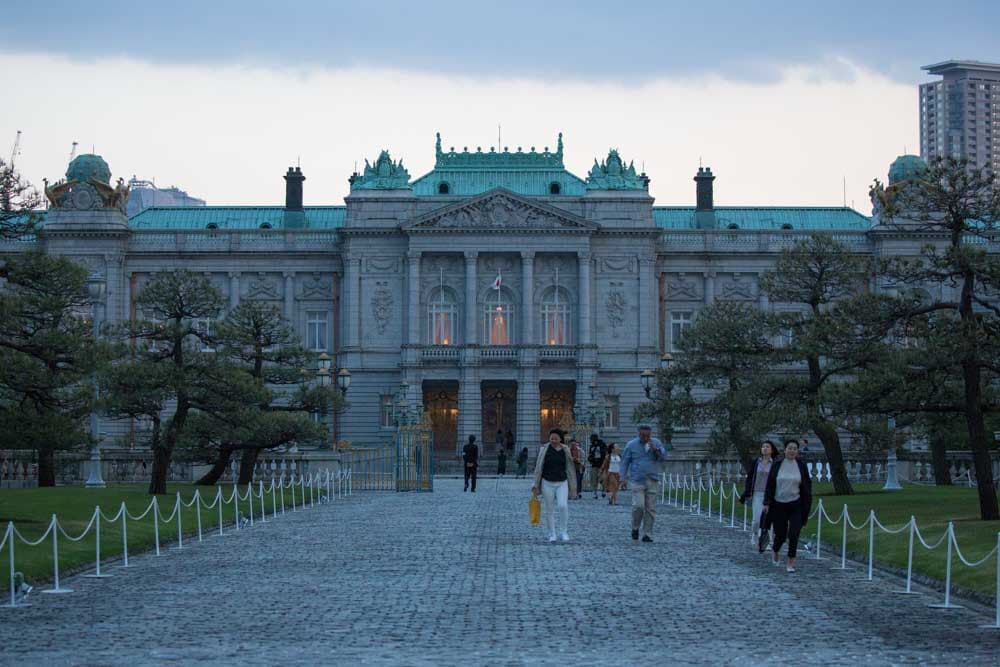
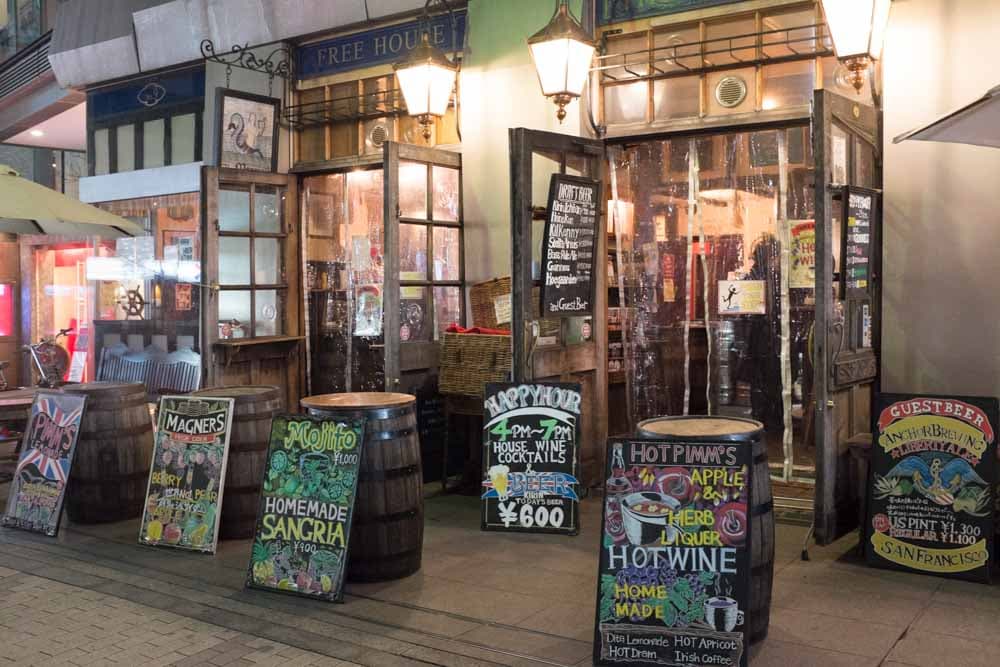
On the western edge of the district, the State Guest House, Akasaka Palace stands as a Neo-Baroque masterpiece. Built in 1909 and modeled after the Palace of Versailles, it represents the pinnacle of Meiji-era technical ingenuity and remains the official residence for visiting heads of state. Nearby, Nogi Shrine provides a tranquil, wooded sanctuary that acts as a high-value “pilgrimage” site for fans of modern pop culture and history alike. This proximity to the administrative heart of the capital ensured Akasaka’s rapid recovery following World War II, maturing from a prestigious pleasure quarter into a refined, cosmopolitan center for media and politics. The culinary scene reflects this evolution, offering a sophisticated mix of traditional ryotei (exclusive restaurants), “Little Korea” eateries, and sleek international bistros.
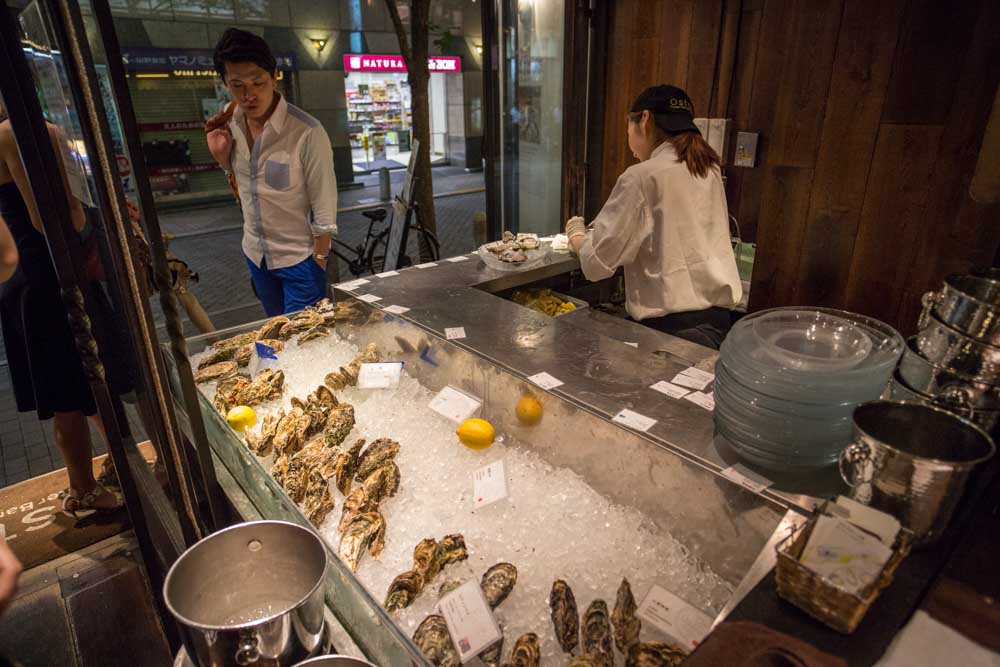
The history of Akasaka is carved into its very name—”Mitsuke” (lookout)—referring to its role as a strategic high-ground defense for the western approach to Edo Castle. Following the Meiji Restoration, the feudal residences were replaced by the homes of government officials, fostering a prestigious geisha culture that rivaled Kagurazaka in its exclusivity. Today, many of the quiet, stone-paved alleys serve as a high-fidelity reminder of this era, providing discreet access to hidden teahouses. Navigating this region is remarkably efficient, as it is served by major transit hubs that link the political district to the rest of the capital. Whether you are exploring the subterranean oyster bars or the magnificent Japanese gardens of the Palace, Akasaka remains a high-functioning example of Tokyo’s polished urban lifestyle.
| Station | Line(s) | Best For… |
|---|---|---|
| Akasaka | Chiyoda Line | Akasaka Sacas, Dining District |
| Akasaka-mitsuke | Ginza, Marunouchi Lines | Hie Shrine, Business District |
| Nagatacho | Yurakucho, Hanzomon, Namboku | National Diet access, Palace side |
| Yotsuya | JR Chuo-Sobu, Marunouchi, Namboku | Akasaka Palace (State Guest House) |