Tokyo Station & Marunouchi
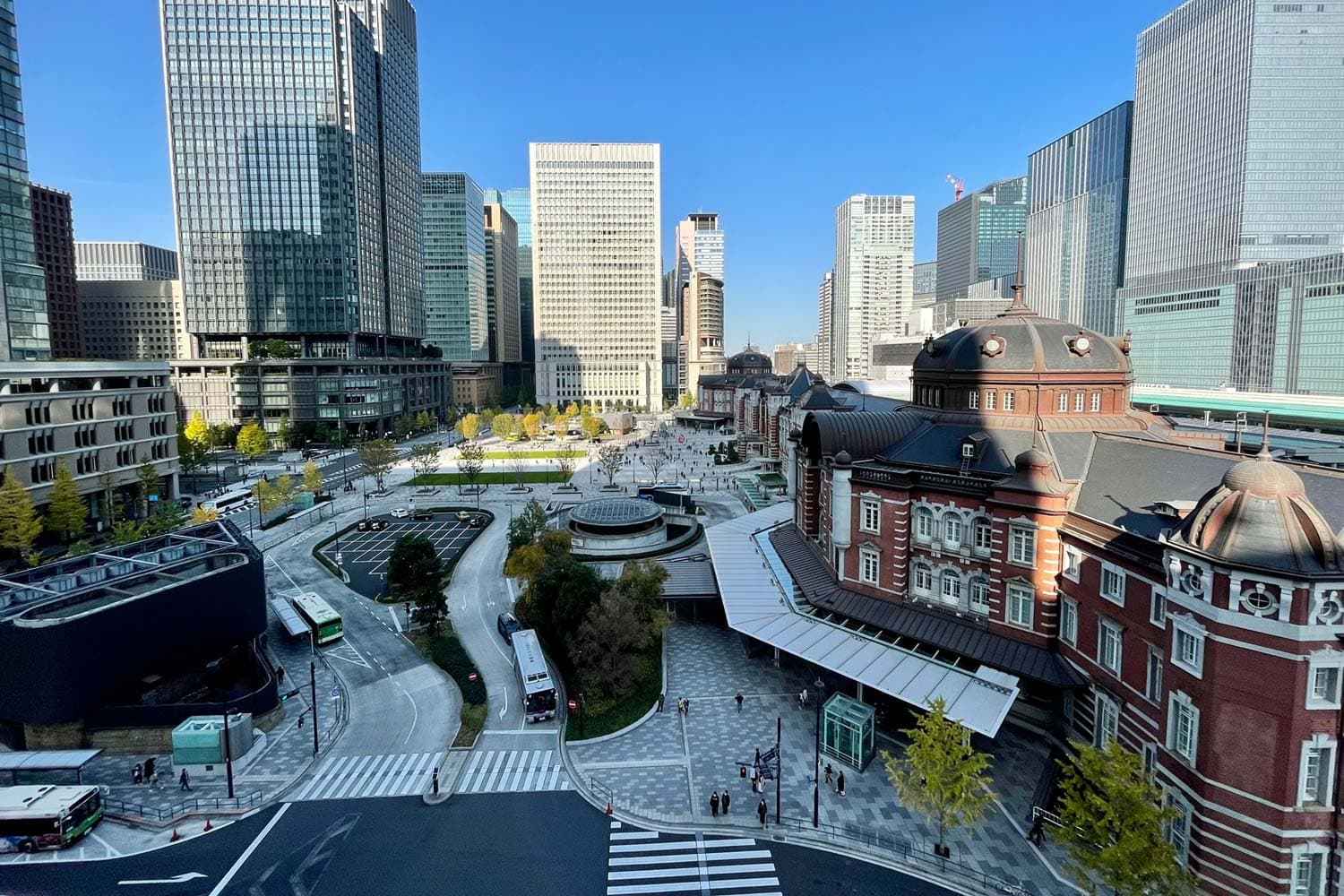
With its distinctive red-brick facade, Tokyo Station is more than just a transportation hub; it is a primary landmark of the capital and a resolute guardian of Japan’s railway history. Serving nearly half a million passengers daily, it acts as the vital terminal point for the Shinkansen network, connecting the high-energy pulse of Tokyo to the rest of the country. Beyond its transit utility, the station and the surrounding Marunouchi district represent a high-value intersection of corporate power, meticulous architectural restoration, and high-end retail.
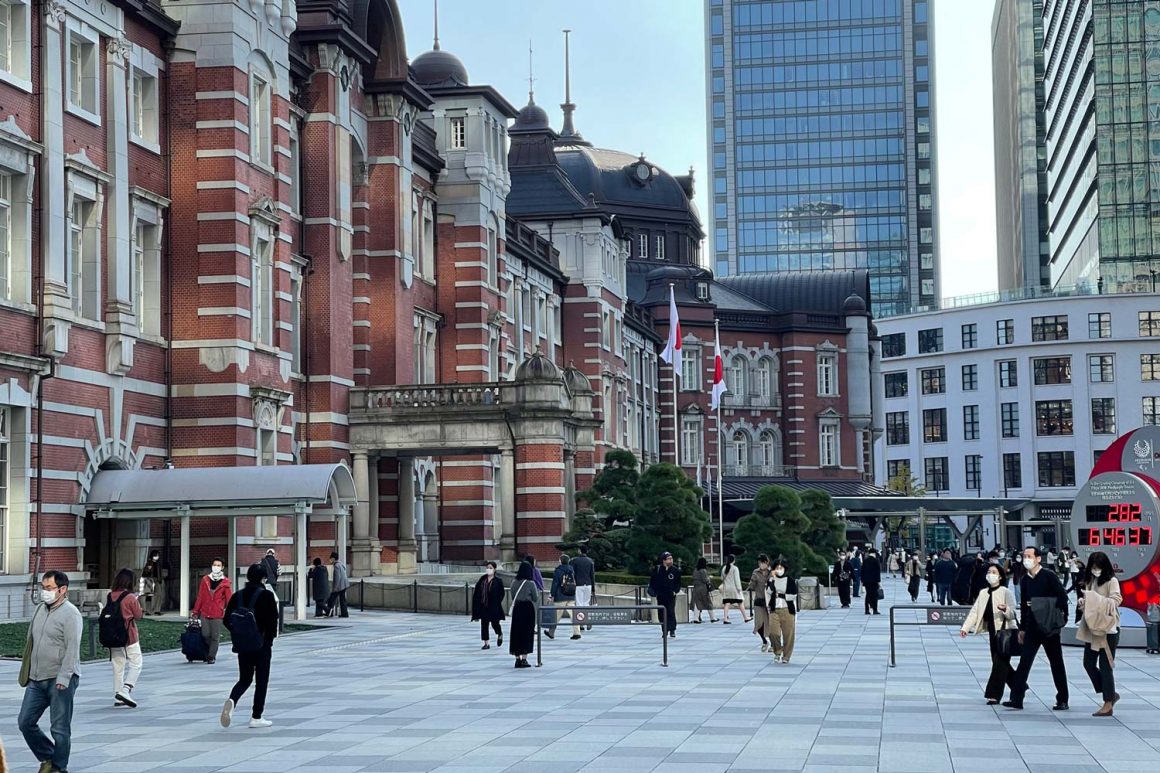
Navigating this massive complex requires an understanding of the primary divide between its two main faces, which effectively bridge the gap between Japan’s past and its future. The Marunouchi Side (West) faces the Imperial Palace and is defined by the historic 1914 station building designed by Kingo Tatsuno. Following a meticulous restoration project completed in 2012, the building was returned to its original three-story glory after losing much of its structure during World War II. Visitors should make a point to find an architectural lull beneath the North and South Domes, where the octagonal ceilings feature intricate reliefs of the Chinese zodiac. In sharp contrast, the Yaesu Side (East) faces toward Nihombashi and Ginza, showcasing the technical ingenuity of modern Japan through the “GranRoof”—a futuristic white glass canopy that shades the sleek Shinkansen platforms.
Exploring the Underground City and Financial Heart
Beneath the surface of the tracks lies one of the most complex underground networks in the world, where the “Eki-naka” (inside the station) culture provides a sophisticated vibe for travelers and foodies alike. This subterranean world, anchored by GranSta and First Avenue Tokyo Station, offers an essential array of high-quality experiences for those navigating the terminal:
- Tokyo Ramen Street: A curated collection of the city’s most famous shops, allowing you to sample regional flavors without the need for a long-distance ticket.
- Tokyo Character Street: A paradise for collectors featuring official stores for global icons like Pokémon, Studio Ghibli, and Weekly Shonen Jump.
- The Gourmet Labyrinth: A vast selection of “Ekiben” (station lunch boxes) that showcase the technical ingenuity of Japanese seasonal cuisine in a portable format.
Stepping back above ground and exiting toward the west brings you into Marunouchi, Tokyo’s most prestigious business district. Once a military parade ground, the area has evolved from a purely corporate center into a lifestyle destination, centered around the cobblestone, tree-lined Marunouchi Nakadori. This avenue stretches between Otemachi and Yurakucho, creating an architectural lull amidst the surrounding stone-clad office towers.
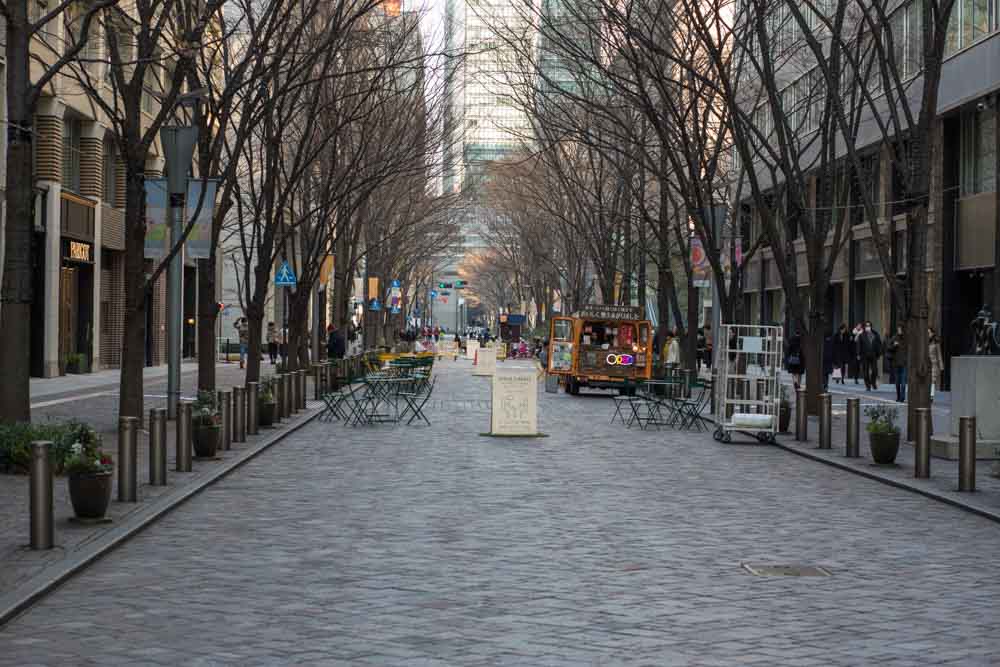
During the winter, Nakadori is famous for its “Champagne Gold” illumination, where hundreds of trees are draped in LEDs to create a high-value evening atmosphere. From here, the district serves as a gateway to broader culture; a short walk north leads to the historical merchant roots of Nihombashi, while a stroll south brings you to the luxury of Ginza. For those seeking a moment of zen, the Imperial Palace East Garden is mere minutes away. Looking toward the future, the area is currently being redefined by the Tokyo Torch project on the northern Yaesu side, a development featuring the Torch Tower, which is set to become Japan’s tallest building and a 24-hour beacon of modern Tokyo life.