Sugamo & Jizo-Dori Shopping
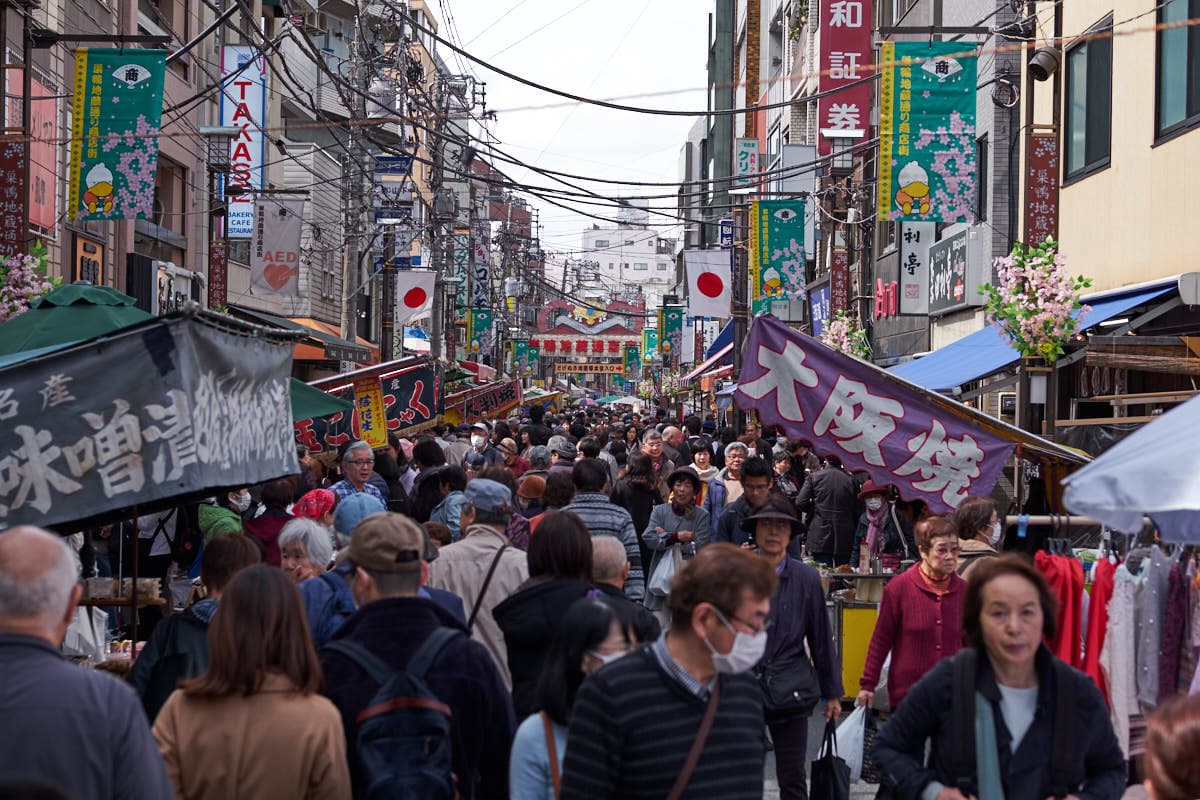
Sugamo Jizo-dori (巣鴨地蔵通り) offers one of Tokyo’s most endearing cultural snapshots, bridging the gap between the high-energy pulse of neighboring districts and a gentler, tradition-focused pace. Affectionately known as “Grandma’s Harajuku,” this 800-meter-long shopping street acts as a resolute guardian of Showa-era hospitality and senior social life. Its history as a commercial hub dates back to the Edo period, when it served as the first vital rest point on the Nakasendo highway connecting Tokyo to Kyoto. Today, that legacy of welcoming travelers remains palpable, as the street moves at a high-fidelity rhythm of seasonal festivals, communal storytelling, and specialized retail.
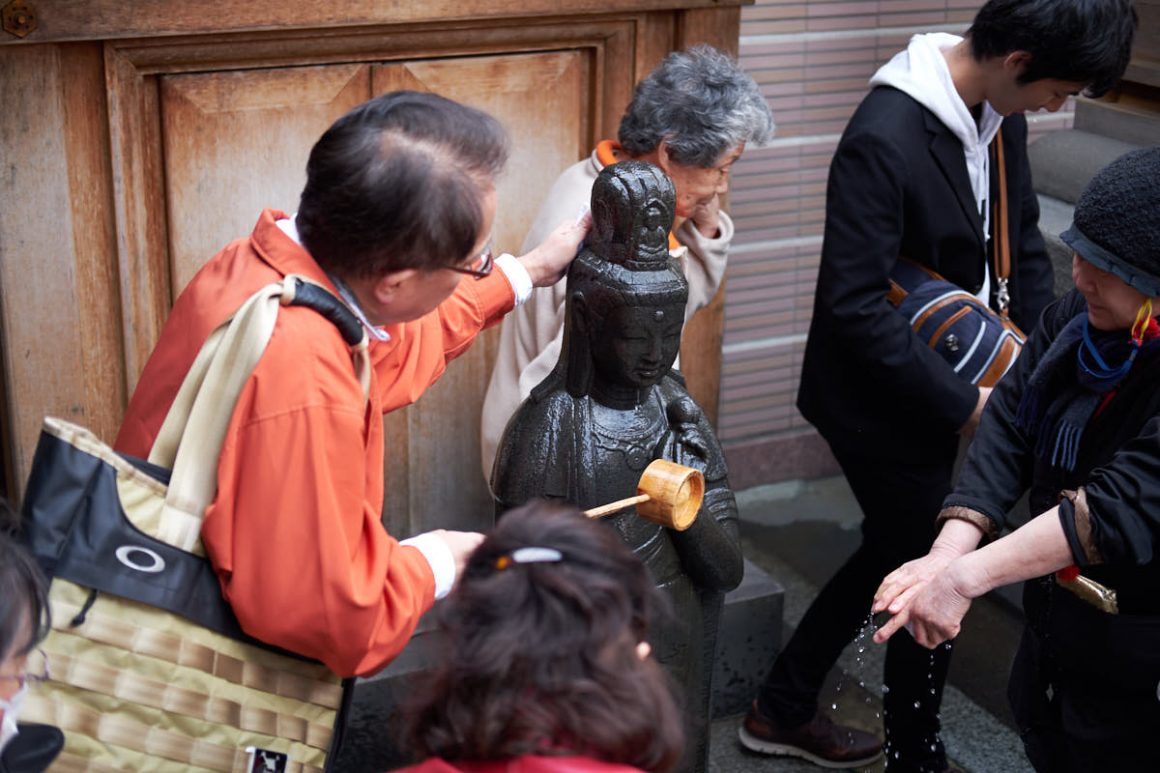
The spiritual anchor of the district is Koganji Temple, a high-value cultural landmark famous for the Togenuki Jizo (the “Splinter-Removing Jizo”). According to local legend, this deity possesses the spiritual ingenuity to remove pain and illness, a belief that draws thousands of visitors to the Arai Kannon statue standing outside. Visitors perform a dedicated healing ritual by pouring water over the statue and rubbing the corresponding parts of the Kannon’s body that match their own ailments. This practice provides an architectural lull of quiet devotion amidst the bustling market stalls, reinforcing Sugamo’s reputation as a center for health and restoration.
Iconic Red Retail and the Salted Flavors of Sugamo
Beyond the temple gates, the street is defined by a unique visual “vibe”—specifically, the abundance of red underwear (aka-pan) found at shops like Maruji. In Japanese culture, red is a high-value color believed to stimulate blood flow and ward off bad luck, making these garments an essential souvenir for health-conscious shoppers. This vibrant energy is paired with the presence of Sugamon, the district’s duck mascot. Visitors often seek out the large, fluffy replica of his “tail” to touch for good luck in business and relationships, illustrating the playful community spirit that defines the area.
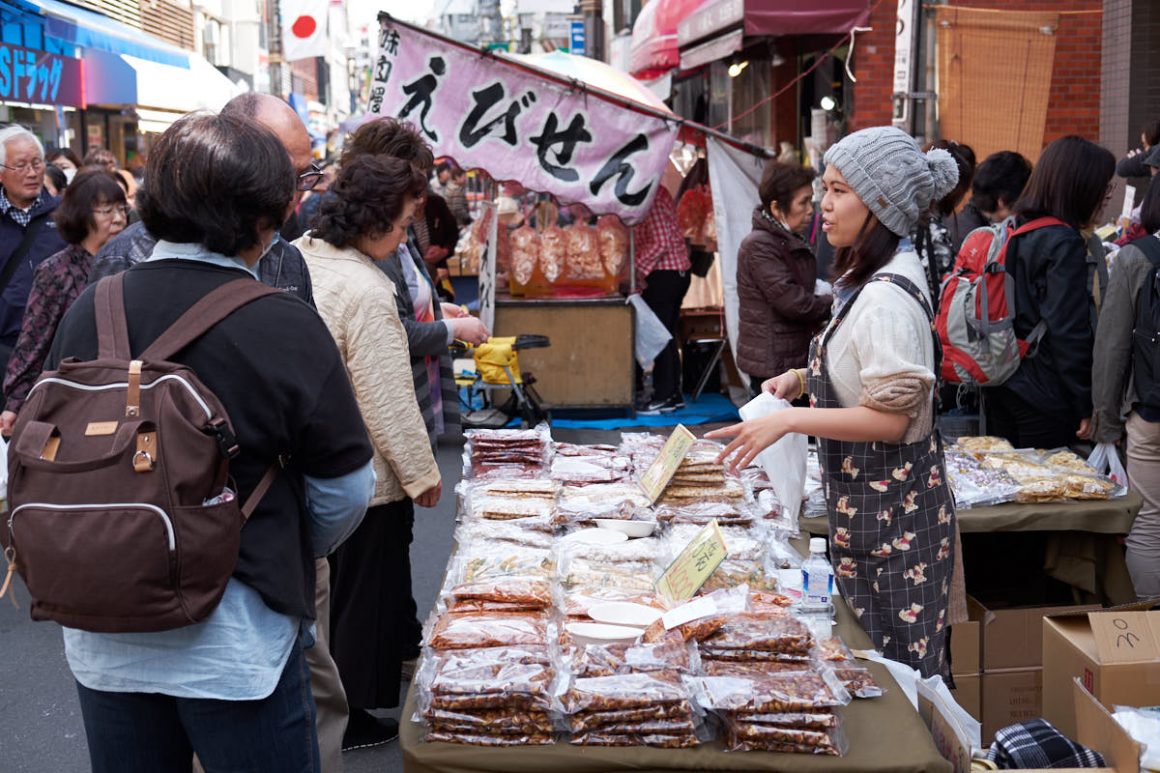
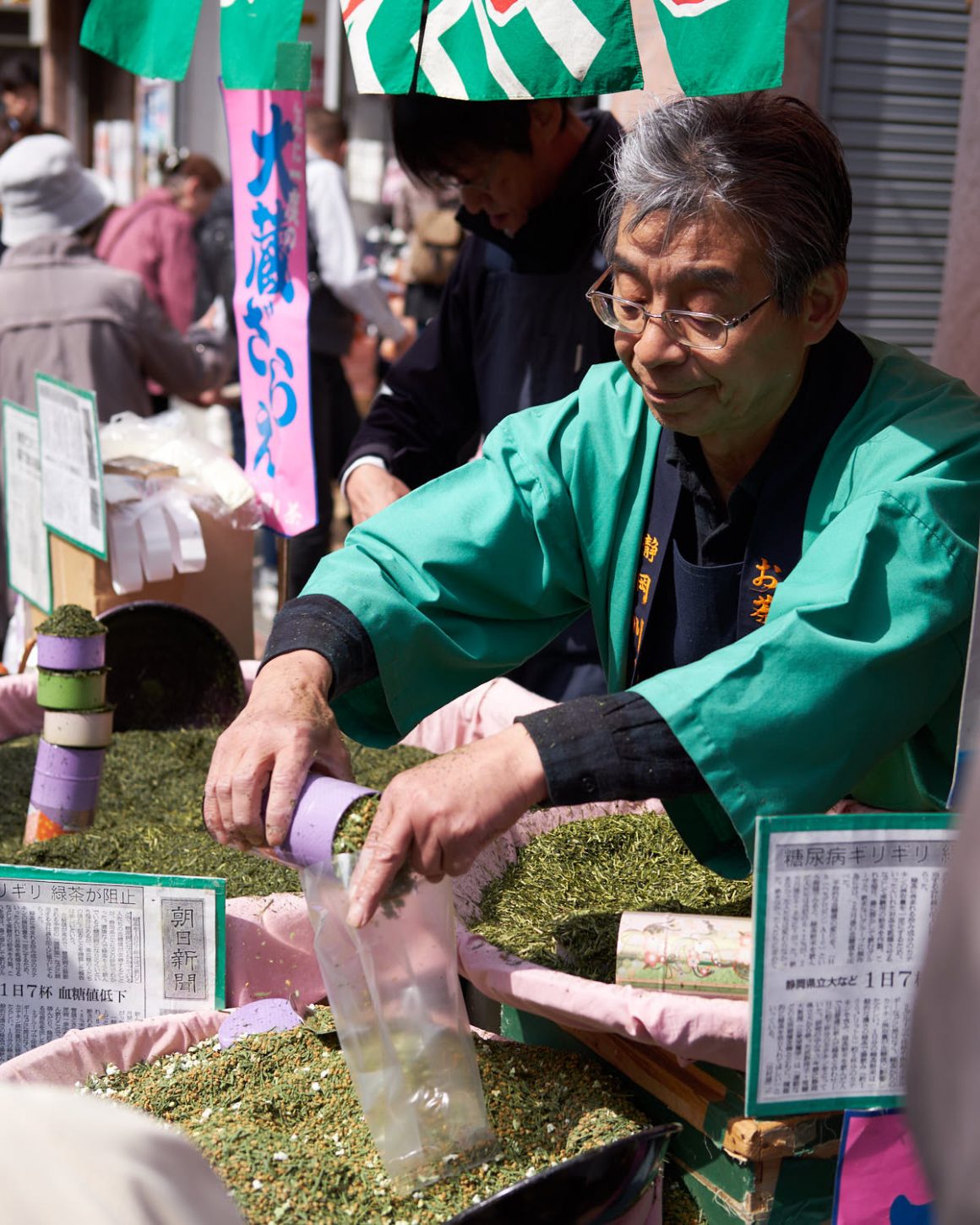
The culinary identity of Sugamo is best captured through shio-daifuku, a local specialty that offers a sophisticated balance of salty and sweet. Unlike standard Japanese treats, this soft rice cake is seasoned with a hint of salt to offset the sweetness of the red bean paste, with shops like Mizuno acting as long-standing guardians of the recipe. Sampling these treats while exploring the street’s various senbei and pickle stalls is a mandatory experience. To see the district at its most vibrant, visit during the ennichi festival days on the 4th, 14th, or 24th of the month. For a complete experience, arrive via the Toden Arakawa Line—Tokyo’s last surviving streetcar—which provides a high-fidelity transit link to the northern end of this historic market.
| Station | Line(s) | Notes |
|---|---|---|
| Sugamo | JR Yamanote, Toei Mita Line | 5-minute walk to the entrance. |
| Koshin-zuka | Toden Arakawa Line | Entrance at the north end of the street. |