Shirakawa-go
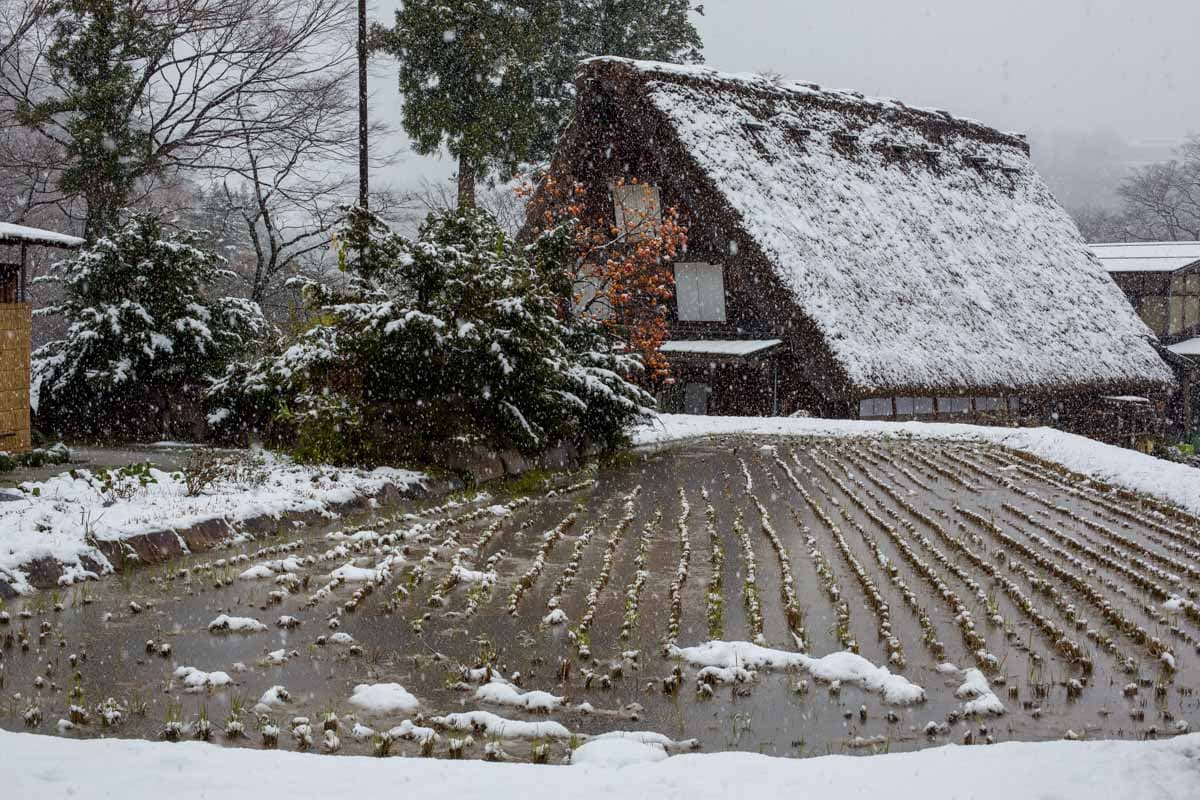
Shirakawa-go (白川郷) is a place where the lines between a fairy tale and historical reality blur. Nestled in the remote Shogawa River Valley of Gifu Prefecture, this UNESCO World Heritage site is world-famous for its gassho-zukuri farmhouses. These structures are a masterclass in vernacular architecture, designed by necessity to endure some of the most punishing snowfall in Japan. The term gassho translates to “clasped hands,” a nod to the steep, 60-degree pitch of the thatched roofs that resemble monks in prayer—a design that ensures the heavy, wet snow of the Japanese Alps slides right off rather than crushing the residents beneath.
A Living Museum of the Edo Period
The largest and most iconic of the villages in this area is Ogimachi. Unlike many historical sites that feel like static monuments, Shirakawa-go is very much a living community. While several of the larger homes, such as the Wada House and Nagase House, are open to the public as museums, many others remain private residences for families who have lived here for generations. The attics of these massive homes are particularly fascinating; historically, they were used for sericulture (silkworm farming). The rising heat from the irori (sunken hearth) on the first floor would permeate through the wooden slats of the upper floors, creating the perfect climate for silkworms to thrive even in the dead of winter.
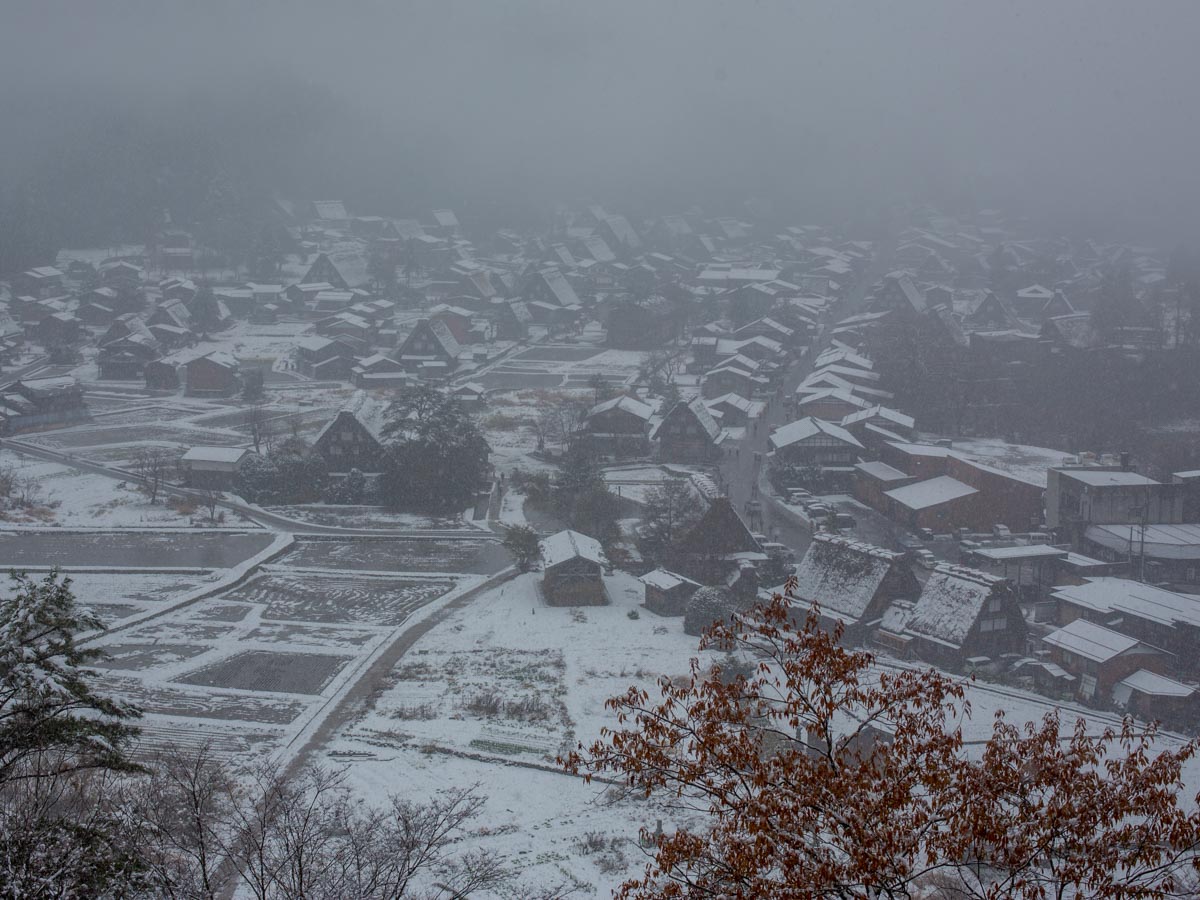


For the quintessential postcard shot, visitors should make the trek (or take the shuttle) up to the Shiroyama Viewpoint. From this elevated vantage point, the village looks like a miniature toy set tucked into a cradle of verdant mountains. While the winter “Light-Up” events are the most famous—turning the snow-laden village into a glowing winter wonderland—the region is equally stunning in summer, when the surrounding rice paddies are a brilliant, neon green, and in autumn, when the hillsides ignite with fiery maples.
One thing to keep in mind: Shirakawa-go’s popularity has surged in recent years. If you are planning to visit during the winter illumination events, you must now enter a lottery for reservations well in advance. For those seeking a quieter experience, arriving early in the morning or staying overnight in a traditional guesthouse (minshuku) is the best way to hear the “sound of silence” that once defined this isolated mountain valley.
| Visitor Information | |
|---|---|
| Address | Ogimachi, Shirakawa, Ono District, Gifu 501-5627 (Google Maps) |
| Opening Hours | Village: 24 hours (Respect resident privacy after 5:00 PM) Museum Houses: 9:00 AM – 5:00 PM |
| Price | Village Entry: Free House Museums: ¥300 – ¥400 per house |
| Website | Visit Website |
| Access | ||
|---|---|---|
| Station / Stop | Line / Bus | Access Details |
| Takayama Station | Nohi Bus / Hokutetsu Bus | The most popular route; approx. 50 minutes by express bus. |
| Kanazawa Station | Nohi Bus / Hokutetsu Bus | Approx. 75–90 minutes. Reservations are usually required. |
| Nagoya Station | Gifu Bus | Direct highway bus takes approximately 3 hours. |