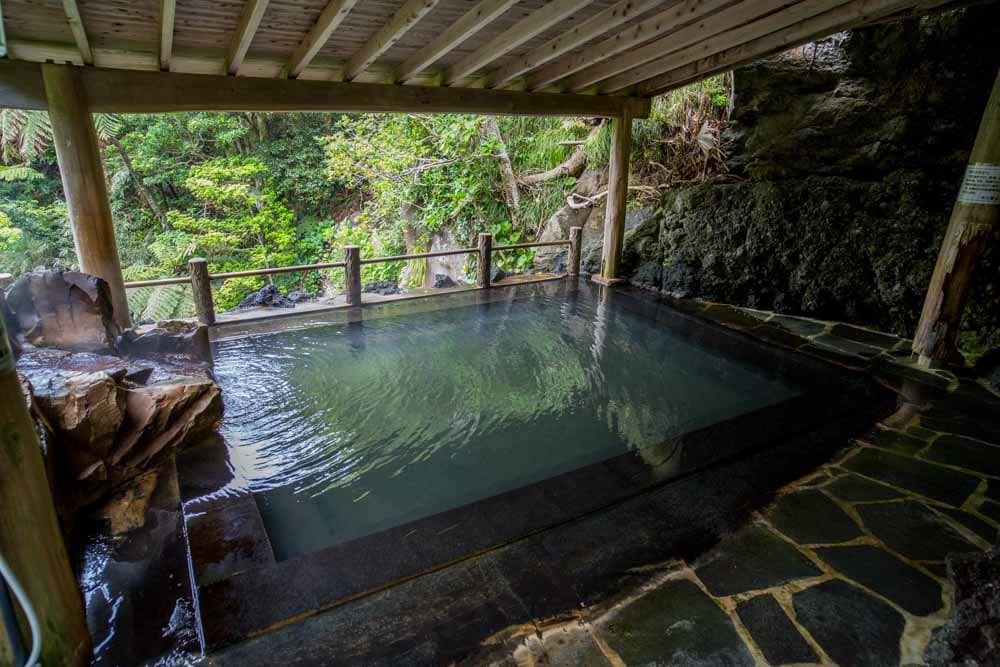
What is the Difference between Onsen and Sento?
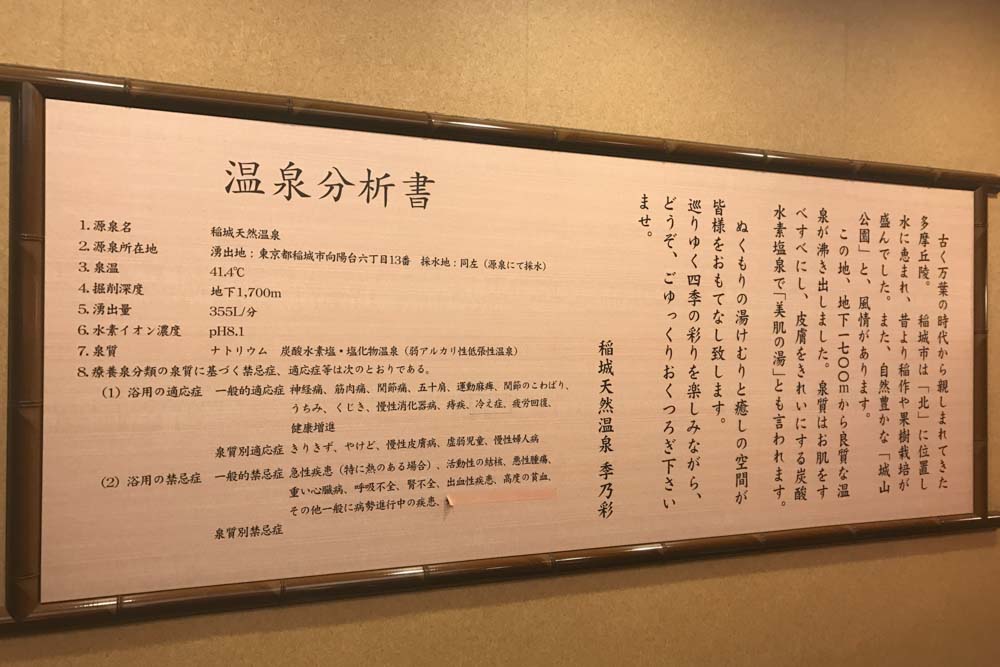
The two kanji that make up the word onsen (温泉) literally translate to “hot” and “source.” While this is the fundamental definition of a hot spring, to be officially recognized as an onsen in Japan, a facility must meet strict legal requirements under the Hot Springs Act. To qualify, the water must meet one of two criteria:
- The water must be at least 25°C at the source.
- It must contain at least one of 19 specific mineral components (such as sulfur, lithium, or metaboric acid) in a concentration defined by law.
Public bathing is a foundational pillar of Japanese culture. References in the Kojiki—Japan’s oldest chronicle—prove that people have been utilizing these volcanic waters for over a thousand years. Historically, samurai used “kakushiyu” (hidden hot springs) to heal wounds after battle, a tradition that evolved into the modern culture of wellness and relaxation we see today.
Onsen Etiquette & Manners
Because onsen are communal and often spiritual spaces, following the “unspoken” rules is essential for a smooth visit. You must wash and rinse thoroughly at a shower station before entering any pool. Your small towel should never touch the water; most bathers rest it on their head or place it on a nearby rock. Finally, keep noise levels low; these facilities are essentially a “lull” in the day designed for quiet reflection.
Most travelers visit Day Onsen—establishments that offer the full resort experience (massage, dining, and relaxation lounges) without the high cost of an overnight stay at a ryokan. Prices typically range from ¥800 to ¥3,000 depending on the luxury of the facility.
So, what is a Sento?
While onsen are destinations for health and travel, sento (銭湯) are local neighborhood bathhouses designed for daily hygiene. The name literally means “coin hot water,” reflecting their roots as affordable community hubs for families whose homes lacked private baths. Unlike onsen, sento typically use regular tap water that is heated mechanically.
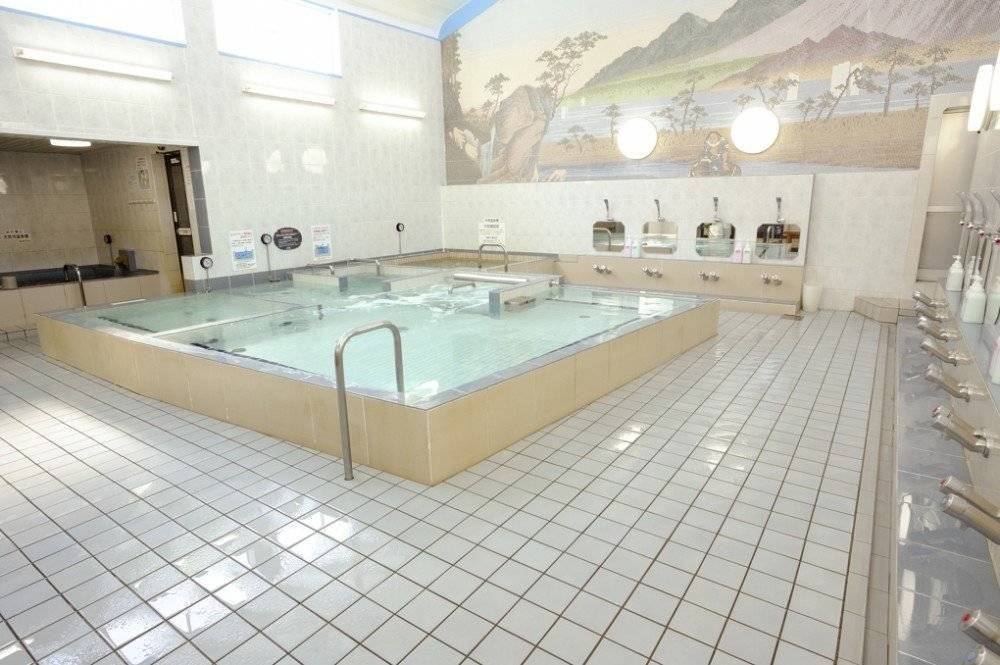
A defining feature of the traditional sento is the Pen-ki-e—large, hand-painted murals usually depicting Mount Fuji. These are “no-frills” establishments where you are expected to bring your own toiletries. In Tokyo, the entrance fee is currently fixed at ¥550 by the Sento Association, making it the most authentic and affordable way to bathe like a local.
Tattoos and the “Super Sento”
Policies regarding tattoos are evolving but still vary. Sento are generally the most accepting, as they are legally considered public utilities. Conversely, many onsen and Super Sento (large-scale theme-park style baths) may maintain bans or ask you to cover small tattoos with waterproof stickers. Always check the facility’s website beforehand if you have significant ink.
| Feature | Onsen (温泉) | Sento (銭湯) |
|---|---|---|
| Water Source | Natural Geothermal Spring | Heated Tap Water |
| Primary Purpose | Travel, Health, Relaxation | Daily Hygiene, Community |
| Location | Resorts & Volcanic Regions | Residential Neighborhoods |
| Typical Cost | ¥800 – ¥3,000 | Fixed (¥550 in Tokyo) |
| Amenities | High-end (Soap/Towels included) | Basic (Bring your own) |