Kiyosumi Shirakawa
Kiyosumi Shirakawa (清澄白河) stands as the undisputed home of Tokyo’s “slow life” movement. Located in Koto Ward, just east of the Sumida River, this neighborhood has undergone a remarkable transformation over the last two decades, evolving from a gritty industrial district defined by timber yards and warehouses into the city’s premier destination for artisan coffee and contemporary art. It is a place where the scent of roasting coffee beans now mingles with the incense of centuries-old temples, creating a sophisticated vibe that bridges the gap between the area’s working-class roots and its modern identity as Tokyo’s coffee capital. This modern shift was famously ignited in 2015 when California-based Blue Bottle Coffee chose an old timber warehouse here as the site for its first international flagship, drawn to the district’s spacious, quiet, and industrial atmosphere.
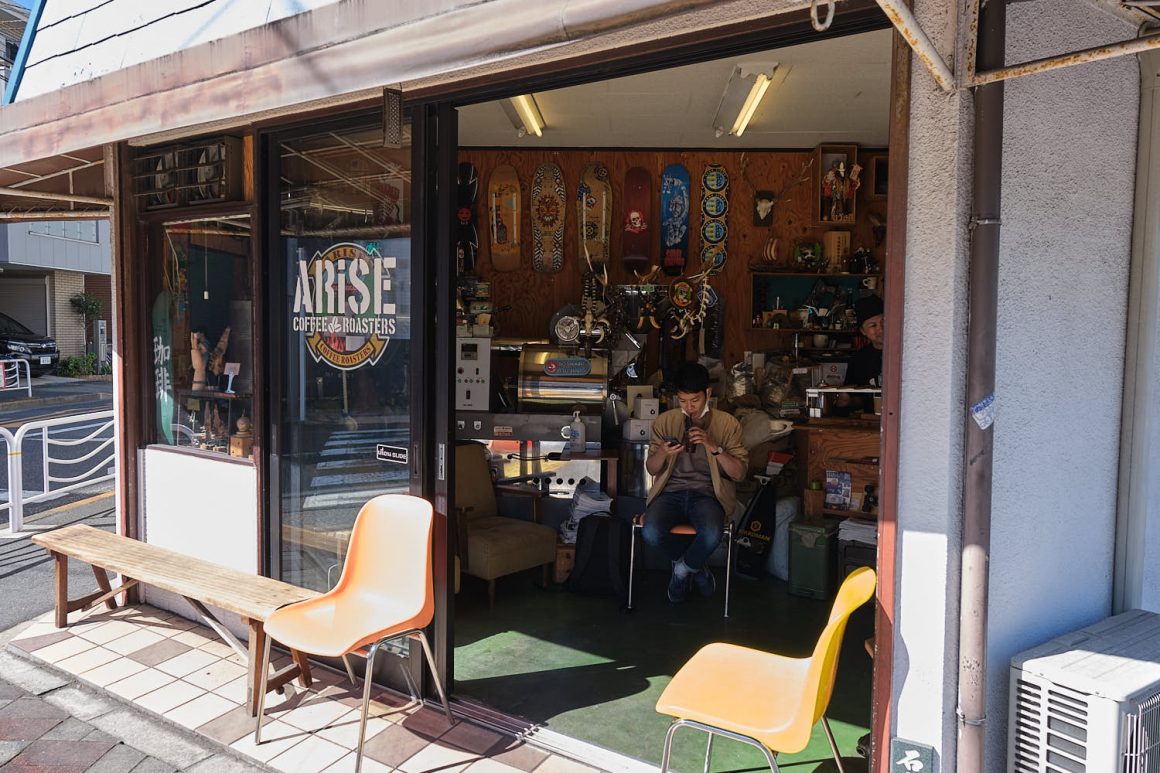
Since that high-value entry into the market, dozens of independent roasters have followed suit, maintaining the area’s industrial technical ingenuity while repurposing garages and warehouses into high-fidelity caffeine laboratories. From the experimental beans at Arise Coffee Entangle to the New Zealand-born Allpress Espresso, the district has become a pilgrimage site where the minimalist aesthetic of third-wave coffee provides a sharp contrast to the surrounding traditional architecture.
A Sanctuary of Heritage, Art, and Shitamachi Culture
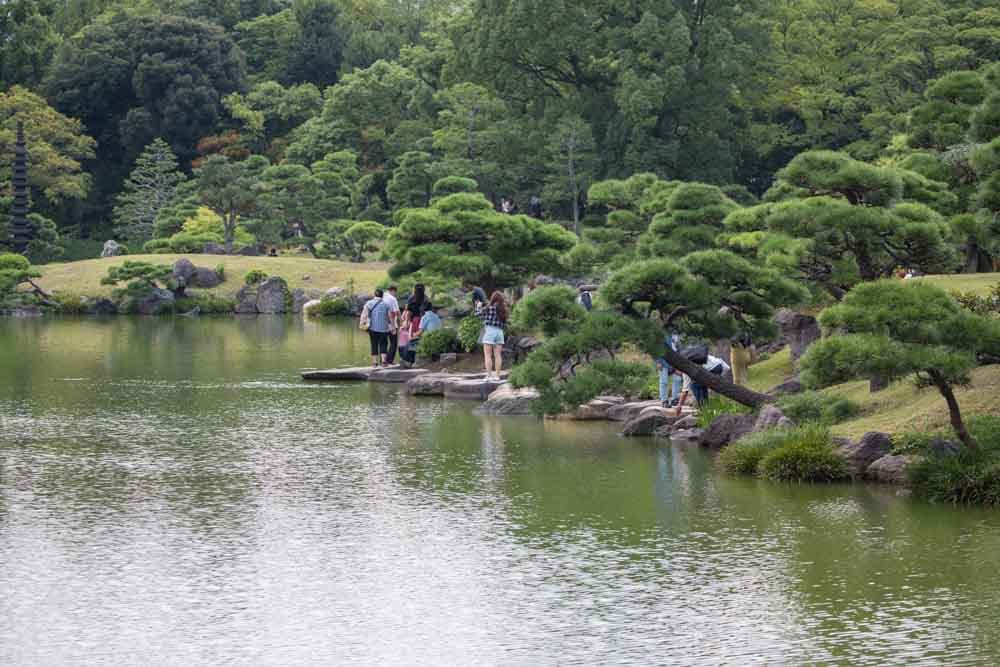
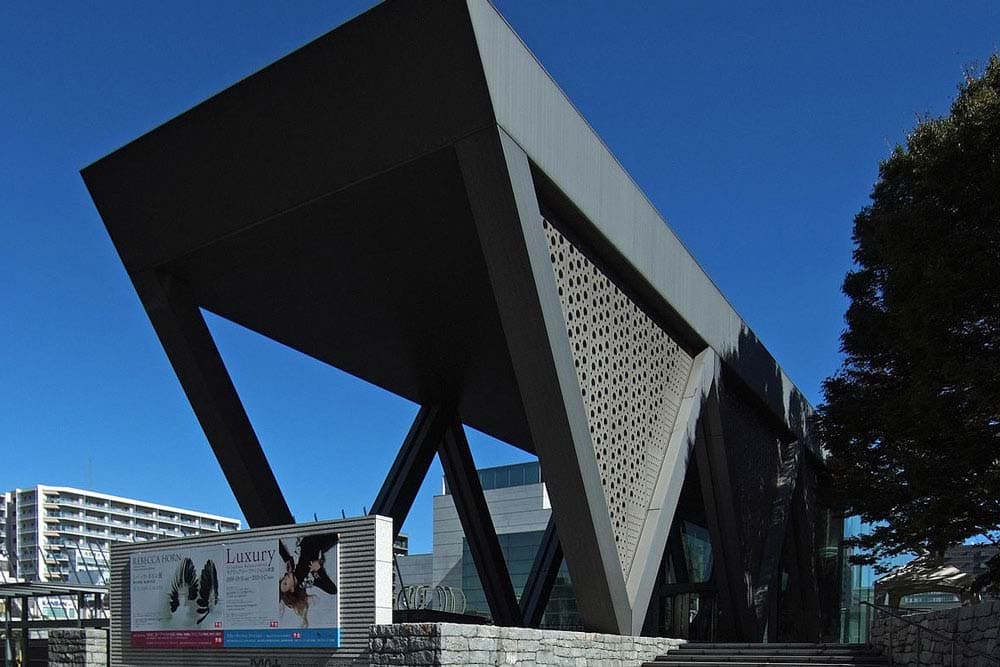
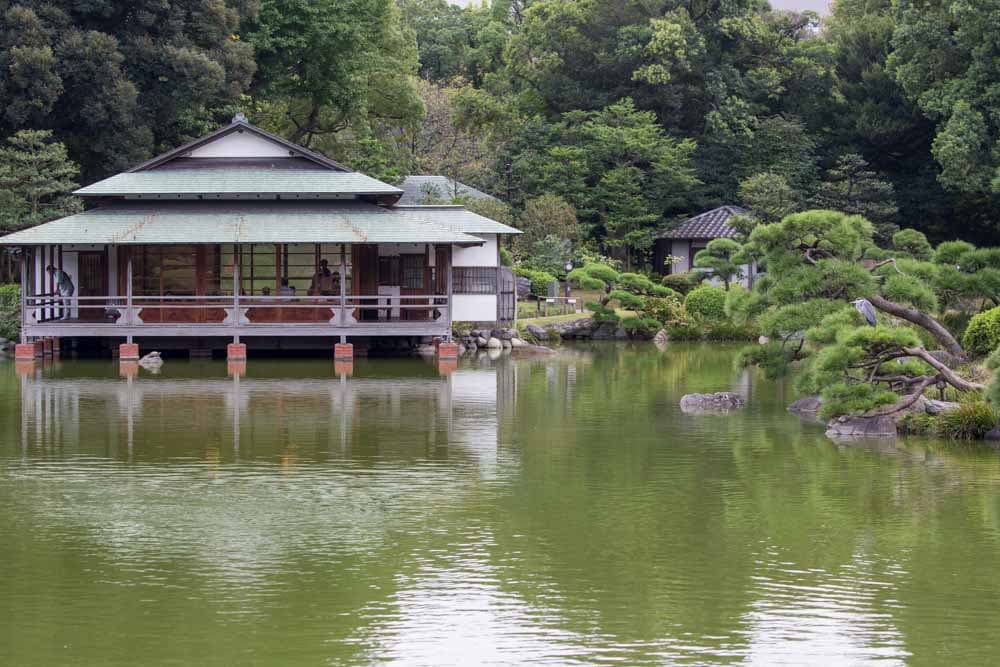
Beyond the trendy cafes, the spiritual and physical heart of the district remains Kiyosumi Gardens. Originally the residence of an Edo-period merchant and later redesigned by the founder of Mitsubishi, this “strolling” garden acts as a resolute guardian of traditional landscape design. Its most striking feature is a collection of massive landscape stones (suiseki) transported from across Japan, creating a masterpiece in stone that surrounds a central pond. Visitors can follow the isowatari—stepping stones set into the water’s edge—to find an architectural lull near the Ryotei teahouse, which appears to float upon the surface. This appreciation for aesthetics extends into the realm of modern culture at the Museum of Contemporary Art Tokyo (MOT), a high-tech stage for international and Japanese contemporary artists that has attracted several smaller, cutting-edge galleries to the unassuming former factories of the surrounding backstreets.
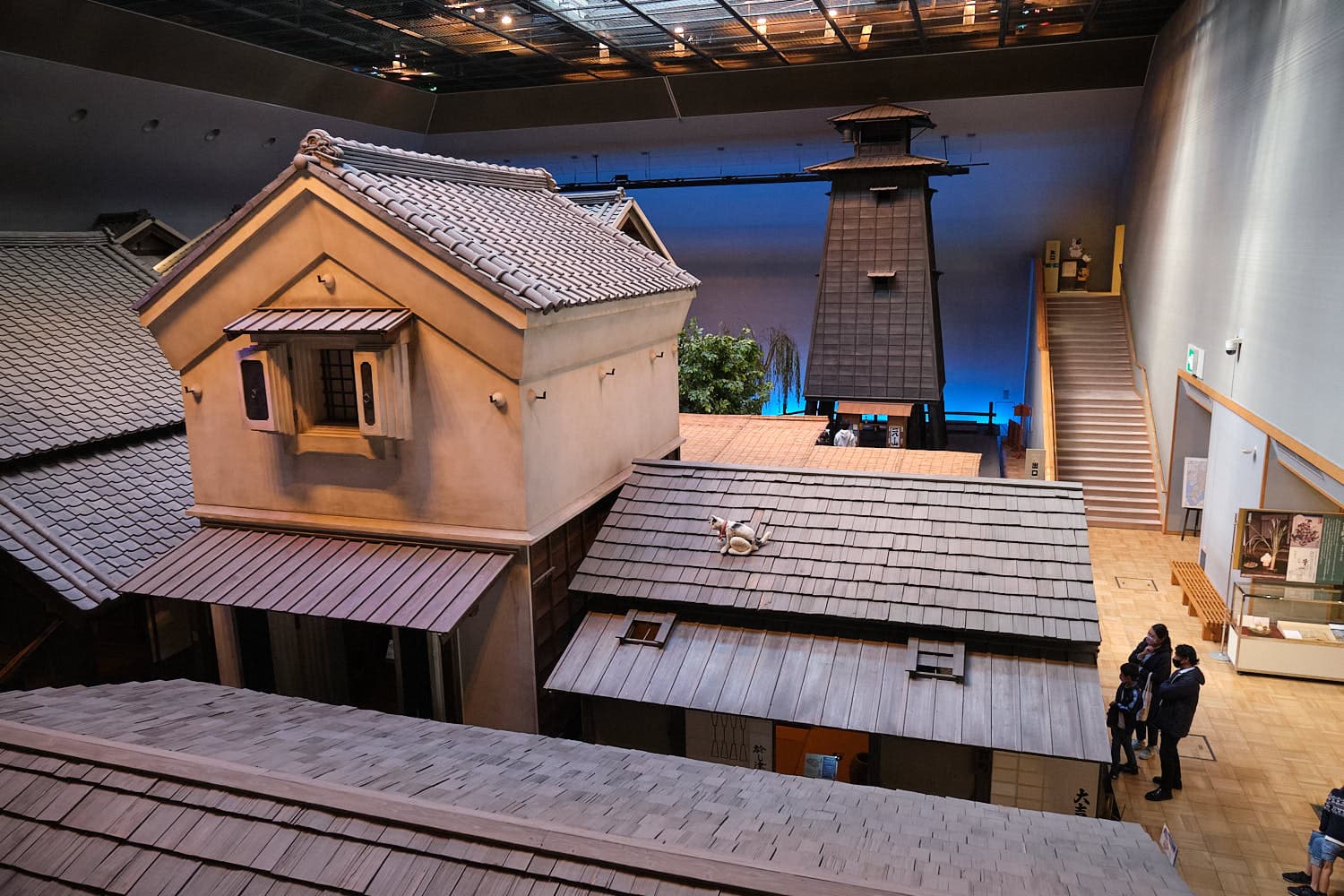
For those seeking an immersive step into the past, the Fukagawa Edo Museum offers a high-fidelity, full-scale reconstruction of a 19th-century Fukagawa neighborhood, complete with a fire-watch tower and merchants’ homes that reflect the shitamachi lifestyle. The district’s history is further anchored by its numerous temples, such as Reiganji, which houses one of the Six Edo Jizo—a massive bronze statue that has protected travelers for over 300 years. These quiet grounds offer a final moment of reflection before navigating the neighborhood’s logistics. Kiyosumi Shirakawa remains remarkably accessible, serving as a convenient base for exploring East Tokyo or the neighboring sumo heartland of Ryogoku. To experience the area at its best, we recommend visiting on a weekday or early Saturday morning to beat the coffee queues, starting at the gardens and ending with a sunset walk through Kiba Park.
| Station | Line(s) | Best For… |
|---|---|---|
| Kiyosumi-shirakawa | Hanzomon, Oedo Lines | Gardens, Coffee Roasters, Edo Museum |
| Kiba | Tozai Line | Museum of Contemporary Art (MOT) |