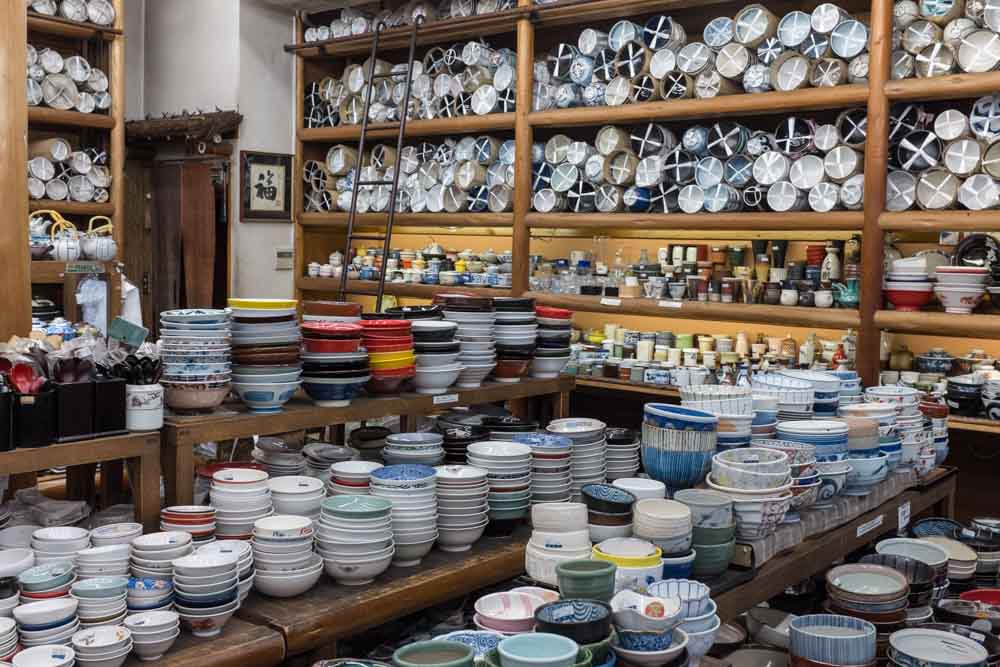
Kappabashi Street
Kappabashi Dori—officially known as Kappabashi Dogu-gai (Kitchenware Town)—is an 800-meter stretch of road that serves as the high-fidelity heart of Tokyo’s culinary world. Located as a strategic bridge between Asakusa and Ueno, this district acts as a resolute guardian of the city’s restaurant industry, housing over 170 shops dedicated to professional-grade hardware. The southern entrance is marked by the technical ingenuity of a massive, multi-story chef bust atop the Niimi Cooker building, a landmark signaling the transition into a specialized world of artisan tools. While primarily a wholesale hub, Kappabashi offers high-value retail opportunities for travelers seeking world-class Japanese kitchen knives. Specialist shops like Kamata Vantive Project and Kama-asa have achieved global fame for their hand-forged blades, providing a high-fidelity experience that includes on-the-spot sharpening and personalized name engraving.
The district is also the birthplace of shokuhin sampuru, the hyper-realistic food models that act as a sophisticated visual bridge between Japanese menus and their patrons. At shops like Gansho Shokuhin Sample-ya and Maiduru, visitors can explore everything from glistening ramen bowls to miniature sushi magnets, with some vendors even offering workshops that reveal the technical ingenuity behind these wax and plastic masterpieces. This commercial energy is balanced by a layer of local mythology; the name “Kappabashi” is a high-value play on words, referencing both historical raincoat merchants and the Kappa water imps of folklore. Golden statues like “Kappa Kitaro” dot the landscape, serving as mascots for business prosperity and providing a whimsical architectural lull amidst the rows of stainless steel and ceramics.
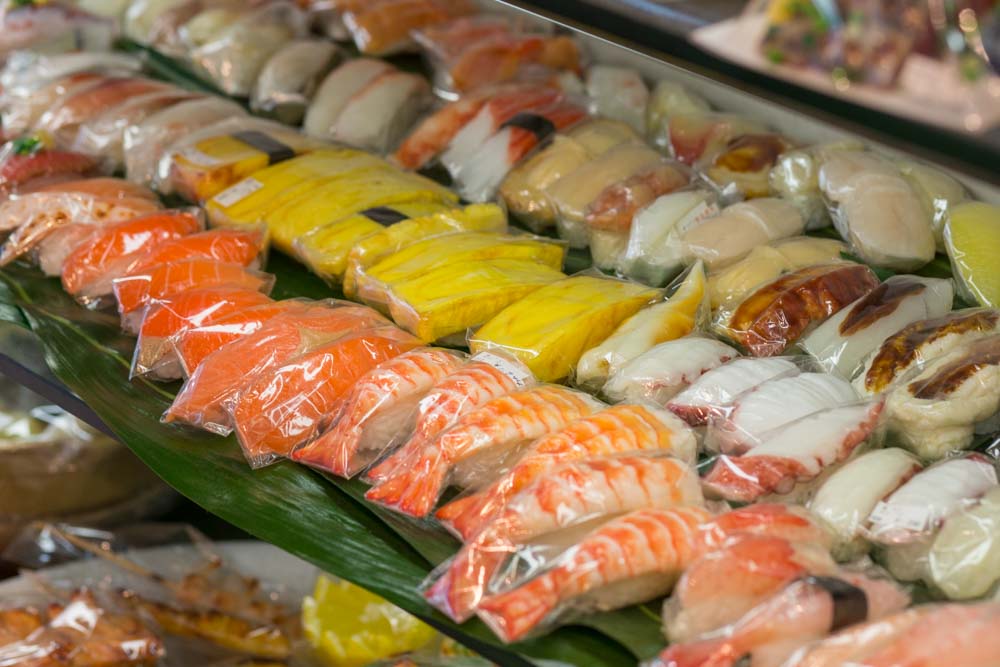
Professional Hardware and Mythical Guardians
Navigating this high-functioning district requires a bit of timing, as Kappabashi maintains the traditional rhythm of the restaurant trade. Most shops operate between 9:00 AM and 5:00 PM, and it is vital to note that nearly 90% of the district is closed on Sundays and National Holidays. To see the street in its full, bustling glory, a weekday or Saturday visit is recommended. Whether you are hunting for a “lifetime” chef’s knife or a hyper-realistic tempura keychain, Kappabashi remains a unique destination where professional utility meets deep-seated Japanese craftsmanship. Access is remarkably efficient via the Ginza Subway Line at Tawaramachi or the Tsukuba Express at Asakusa Station, making it a sophisticated addition to any East Tokyo itinerary.
| Station | Line(s) | Proximity |
|---|---|---|
| Tawaramachi | Ginza Subway Line | 5-minute walk (South Entrance) |
| Iriya | Hibiya Subway Line | 6-minute walk (North Entrance) |
| Asakusa (TX) | Tsukuba Express | 5-minute walk (Center access) |